
Alcohol withdrawal severely intensifies your dehydration risk through multiple mechanisms: it suppresses antidiuretic hormone, triggers excessive sweating, and can cause vomiting. You’ll experience dangerous physical symptoms like skin tenting, tachycardia, and postural hypotension alongside mental effects, including confusion and hallucinations. These complications typically emerge within 6-24 hours after your last drink. Understanding the complex interplay between dehydration and withdrawal could mean the difference between safe recovery and life-threatening complications.
Understanding the Link Between Alcohol and Dehydration
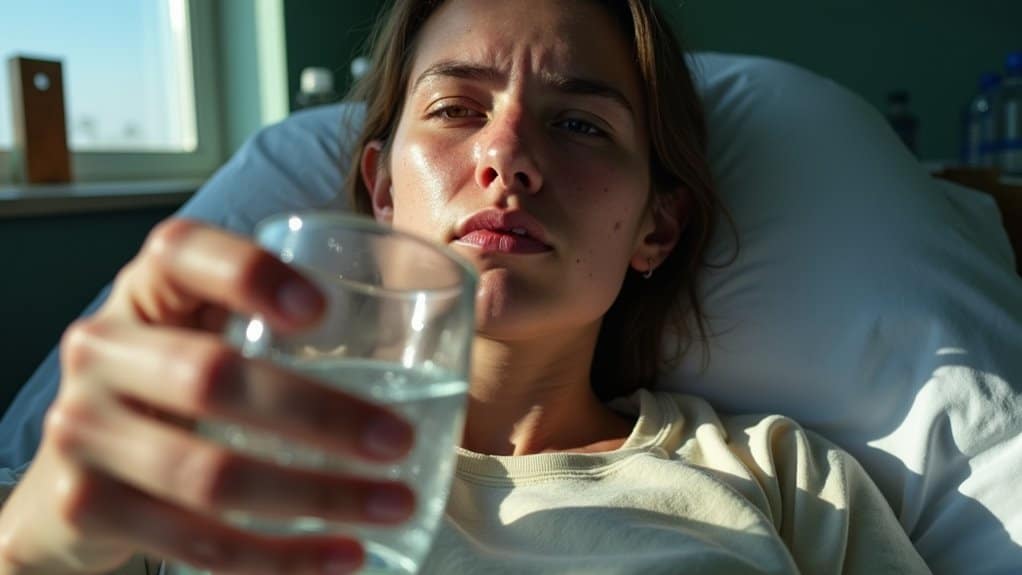
Nearly every aspect of alcohol’s interaction with the body contributes to dehydration risk. When you consume alcohol, it suppresses your antidiuretic hormone (ADH), severely compromising your kidneys’ ability to conserve water. This disruption leads to heightened urine production and accelerated fluid loss, even when your body’s water levels are already low.
The dehydrating effects don’t stop there. Alcohol acts as a vasodilator and raises your metabolic rate, causing you to lose additional fluids through sweating. Similar to how strong acid catalysts accelerate chemical dehydration reactions, alcohol speeds up the body’s dehydration process through multiple pathways. Just as higher temperatures increase reaction rates in chemical dehydration, elevated body temperature during alcohol consumption accelerates fluid loss. Drinking alcohol can also trigger nausea and vomiting, further depleting the body’s fluid reserves. This combination of increased urination and sweating can trigger significant electrolyte imbalances, potentially leading to kidney dysfunction. Without proper management, these disruptions can cascade into long term organ damage, affecting everything from your cardiovascular system to your brain function, particularly during withdrawal periods.
Physical Warning Signs of Severe Dehydration
When you’re experiencing severe dehydration during alcohol withdrawal, your skin will display immediate telltale changes, including visible loss of elasticity and a “tenting” effect when pinched that doesn’t quickly resolve. Your cardiovascular system responds with compensatory mechanisms, primarily manifesting as tachycardia with heart rates often exceeding 100 beats per minute. You’ll notice these critical warning signs intensify if you’re also experiencing common withdrawal symptoms like sweating and vomiting, which can rapidly accelerate fluid loss. The presence of dry mouth and thirst is often among the earliest indicators that your body is becoming dehydrated and requires immediate fluid replenishment. Prompt recognition of these symptoms is crucial as electrolyte imbalances can develop and lead to serious complications. As dehydration progresses, you may experience muscle cramping and fatigue that significantly impact your physical well-being.
Critical Skin Changes
During alcohol withdrawal, critical skin changes serve as essential diagnostic indicators of severe dehydration, demanding immediate medical attention. You’ll notice decreased skin elasticity concerns, where pinched skin exhibits a tenting effect, particularly visible on your hands and abdomen. This reduced turgor dramatically increases your risk of skin tears and injury. Medical monitoring during this period is crucial since delirium tremens can rapidly worsen dehydration symptoms. Dark circles and swelling around the eyes often appear due to disrupted sleep patterns.
Watch for signs of skin inflammation, including redness, hives, and petechiae. You may experience intense itching and develop rashes or fissures that heighten infection risk. Your skin might appear dull, flaky, or develop yellow discoloration, indicating possible liver complications. Chronic liver disease can cause severe itching due to bile salt accumulation under the skin. Facial puffiness, especially around your eyes, often accompanies these symptoms due to fluid imbalances. Furthermore, accelerated collagen breakdown can cause premature aging, resulting in increased wrinkles and compromised skin integrity.
Heart Rate Warning Signs
Beyond visible skin changes, dehydration during alcohol withdrawal manifests through distinct cardiovascular warning signs that require immediate recognition. You’ll notice your heart rate exceeding 100 beats per minute, often accompanied by fluctuating blood pressure and irregular breathing patterns. These symptoms signal your body’s compensatory response to severe fluid loss. Medical treatment with IV fluids becomes necessary when these symptoms appear, especially in moderate to severe cases. Dark urine often accompanies these cardiovascular symptoms, indicating severe dehydration.
| Warning Sign | Medical Significance |
|---|---|
| Tachycardia | Indicates >10% fluid loss |
| Postural Hypotension | Reveals compromised circulation |
| Racing Palpitations | Shows cardiac compensation |
| Cool, Clammy Skin | Signals poor perfusion |
Watch for dizziness when standing, as this indicates dangerous postural hypotension. If you’re experiencing persistent rapid heartbeat alongside confusion or fainting episodes, you’re at risk for shock and require emergency medical intervention. These cardiovascular changes can rapidly progress to life-threatening complications if left untreated.
Mental Health Effects of Dehydration During Withdrawal

During alcohol withdrawal, dehydration directly amplifies your anxiety and panic symptoms by disrupting GABA neurotransmitter function and hormonal balance in your brain. Your cognitive abilities noticeably deteriorate as reduced blood flow and oxygen delivery impair memory, decision-making, and global mental processing. The combination of electrolyte imbalances and decreased neuronal activity can progress to severe manifestations, including confusion, hallucinations, and delirium tremens if hydration isn’t properly maintained. Medical supervision is often required when these severe symptoms emerge, as they can be life-threatening without proper treatment. Approximately one in eight people experiencing withdrawal report hallucinations during the detoxification process. These symptoms typically begin to manifest within six to 24 hours after the last alcoholic drink consumed.
Anxiety and Panic Intensifies
When alcohol withdrawal sets in, dehydration can substantially amplify anxiety and panic symptoms through multiple physiological mechanisms. You’ll experience intensified neurochemical imbalances as dehydration disrupts pivotal neurotransmitters like GABA, serotonin, and dopamine, leading to heightened nervous system excitation.
Your panic attack severity will likely increase due to dehydration’s effects on cardiovascular function and somatic symptom distress. You’ll notice amplified physical manifestations including racing heart, chest tightness, and shortness of breath – all of which can trigger or worsen panic episodes. Many individuals dangerously attempt withdrawal without supervision, despite the serious risks involved. If you have a pre-existing anxiety disorder, you’re particularly vulnerable to these intensified effects.
Without proper hydration and medical supervision, your withdrawal anxiety may persist longer than the typical 24-72 hour peak period, considerably increasing your risk of severe mental health complications.
Cognitive Function Deteriorates
The cognitive toll of dehydration during alcohol withdrawal manifests through multiple devastating effects on brain function. You’ll experience impaired memory recall as mild fluid loss disrupts neural communication, leading to a 20% decrease in memory task performance. Your decision-making abilities deteriorate drastically due to reduced glucose and oxygen delivery to brain cells.
| Cognitive Domain | Impact | Recovery Factor |
|---|---|---|
| Memory & Learning | 20% decline | Immediate rehydration |
| Processing Speed | Slowed reactions | Consistent fluid intake |
| Focus & Attention | Severe disruption | Regular hydration |
Your brain’s processing speed slows considerably, affecting reaction times and degraded decision making in complex situations. Without proper hydration, you’ll struggle with concentration and mental clarity, while experiencing amplified confusion and emotional instability. These effects compound over time, potentially contributing to long-term cognitive decline if dehydration persists during withdrawal.
Critical Electrolyte Imbalances and Their Consequences
Three critical electrolyte imbalances commonly threaten patients undergoing alcohol withdrawal: hypokalemia, hypomagnesemia, and hypophosphatemia. When you’re withdrawing from alcohol, your potassium levels can drop dangerously low, leading to cardiac arrhythmias and muscle weakness. You’ll find that magnesium deficiency often underlies this problem, affecting nearly one-third of chronic alcohol users and causing refractory hypokalemia that won’t resolve until you’ve corrected the magnesium deficit.
Your phosphate levels may also plummet within 2-3 days of hospitalization, particularly during refeeding. These imbalances don’t occur in isolation, they’re interconnected and can trigger life-threatening complications like seizures, delirium, and cardiovascular instability. You’ll need prompt intervention with IV fluids and electrolyte replacement, as these disturbances can considerably worsen your withdrawal symptoms and delay recovery.
The Hidden Dangers of Untreated Dehydration

Untreated dehydration during alcohol withdrawal poses multiple life-threatening risks to your essential organs and bodily systems. You’ll face increased danger of renal complications as your kidneys struggle to function with insufficient blood volume. Your liver and brain also become vulnerable to cellular damage when deprived of adequate hydration.
Central nervous system impairment manifests through seizures, confusion, and potentially fatal delirium tremens. You’re at higher risk for cardiac arrhythmias and sudden heart events due to compromised circulation and electrolyte disruptions. Your withdrawal symptoms intensify, with severe tremors, nausea, and cognitive dysfunction becoming more pronounced. Without proper hydration, you’ll experience greater difficulty managing withdrawal, increasing your risk of relapse. Most critically, untreated dehydration can trigger multi-organ failure and lethal complications, especially if you have underlying health conditions.
Essential Hydration Strategies for Safe Recovery
Maintaining proper hydration through evidence-based strategies forms the cornerstone of safe alcohol withdrawal recovery. You’ll need personalized oral rehydration plans that integrate electrolyte-rich beverages while avoiding caffeine and alcohol. Strategic supplement integration should focus on replenishing essential minerals like sodium, potassium, calcium, and magnesium.
Monitor your fluid intake closely and consume nutrient-dense foods rich in vitamins B and C, along with zinc, to support your body’s recovery mechanisms. You’ll benefit from smaller, frequent meals combined with regular hydration to manage withdrawal symptoms. Medical supervision remains indispensable, as professionals can track your electrolyte levels and adjust protocols accordingly. Remember to establish consistent hydration routines and utilize tracking methods to guarantee you’re meeting your body’s heightened fluid requirements during this pivotal recovery period.
When Medical Intervention Becomes Necessary
Recognizing the critical signs that necessitate medical intervention during alcohol withdrawal can mean the difference between life and death. You’ll need immediate medical care if you experience severe dehydration symptoms, including rapid heart rate, low blood pressure, or minimal urination. These indicate compromised medical stability and require urgent treatment escalation.
Seek emergency care if you develop delirium tremens, seizures, or hallucinations, as these complications can’t be managed at home. You’ll also need hospitalization if your CIWA-Ar score reaches 19 or higher, or if you can’t maintain hydration due to persistent vomiting or diarrhea. Having underlying medical conditions, psychiatric disorders, or a history of complicated withdrawals further necessitates professional medical supervision. Don’t delay seeking help if your symptoms worsen despite outpatient treatment.
Monitoring Tools and Vital Signs to Watch
Successful monitoring of alcohol withdrawal hinges on systematic assessment tools and critical sign tracking. You’ll need to rely on quantitative assessment tools like CIWA-Ar to measure withdrawal severity while monitoring key signs for complications.
| Parameter | Normal Range | Warning Signs |
|---|---|---|
| CIWA-Ar Score | <8 mild, 8-15 moderate | >15 severe |
| Blood Pressure | Stable | Marked elevation |
| Heart Rate | 60-100 bpm | Persistent tachycardia |
| Mental Status | Alert, oriented | Confusion, hallucinations |
| Hydration | Moist membranes | Dry mucosa, poor turgor |
Your monitoring frequency should match symptom severity. For severe cases, you’ll need hourly assessments in an inpatient setting. Watch for dehydration markers through fluid balance tracking and electrolyte panels. Mental status changes or unstable key signs signal the need for immediate intervention.
Key Prevention Methods for Long-term Success
When implementing long-term prevention strategies for alcohol withdrawal dehydration, you’ll need to establish a thorough approach that integrates hydration protocols, nutritional support, and behavioral modifications.
You’ll achieve ideal results by maintaining 2-3 liters of daily water intake while incorporating consistent meal planning rich in B vitamins, magnesium, and zinc. Establish proactive hydration habits by carrying a reusable water bottle and setting regular reminders. Your family support networks can help monitor your adherence to these protocols and recognize early warning signs of dehydration. Replace electrolytes through appropriate beverages while avoiding caffeine and excess sugar. Monitor your urine color and watch for symptoms like muscle cramps or confusion. Keep in mind that thirst indicates you’re already dehydrated, so drink water consistently throughout the day before feeling parched.
Frequently Asked Questions
How Long Does Alcohol-Induced Dehydration Typically Last After Stopping Drinking?
You’ll experience the most severe fluid imbalance duration during the initial 72 hours after stopping alcohol, with peak dehydration occurring around 48-72 hours. Your electrolyte imbalance duration typically resolves within 7-10 days, though you might notice lingering effects for up to two weeks. If you’re an older adult or have chronic heavy drinking history, your recovery time may extend longer. Medical supervision can help normalize your hydration status more efficiently.
Can Certain Medications Make Dehydration Worse During Alcohol Withdrawal?
Yes, several medications can worsen your dehydration during alcohol withdrawal. Benzodiazepines can suppress your thirst sensation and cause hypotension, while NSAIDs may impair your renal function. Antihistamines and certain antipsychotics can increase electrolyte imbalance severity through anticholinergic effects. You’ll also need to watch for medications like gabapentin or carbamazepine, which can cause hyponatremia. Clonidine and beta-blockers may further complicate hydration through their hypotensive and mild diuretic effects.
What Role Does Caffeine Consumption Play During Alcohol Withdrawal Recovery?
You’ll need to carefully monitor your caffeine intake levels during alcohol withdrawal recovery, as excessive consumption can complicate your healing process. While moderate caffeine may help with fatigue and mood, high intake can worsen anxiety, sleep disturbances, and dehydration. You might also experience overlapping caffeine withdrawal symptoms if you’re consuming large amounts, potentially confusing your recovery progress. It’s best to limit caffeine consumption and focus on proper hydration.
Are Sports Drinks Better Than Water for Rehydrating During Withdrawal?
While both options can help you rehydrate, water is typically sufficient for mild to moderate withdrawal symptoms. You’ll benefit from sports drinks mainly if you’re experiencing severe vomiting or diarrhea, as they support electrolyte balance and can augment fluid absorption rate through their sodium content. However, if you’re keeping food down and not experiencing extreme fluid loss, plain water is your best choice since it won’t add unnecessary sugars or artificial ingredients.
How Does Age Affect Dehydration Risk During Alcohol Withdrawal?
As you mature, you’ll face markedly higher dehydration risks during alcohol withdrawal. Your body’s natural thirst response diminishes, and your kidneys become less efficient at conserving water. Your genetic predisposition to dehydration may become more pronounced with advancing years, while underlying medical conditions often compound these risks. You’ll experience more severe withdrawal symptoms that last longer, and your body’s homeostatic mechanisms work less effectively to maintain fluid balance. Medications you’re taking can further complicate fluid regulation.