You can drink alcohol 2, 5 days before your colonoscopy without affecting your procedure. However, you’ll need to stop all alcoholic beverages, wine, beer, and spirits, at least 48 hours before your appointment. This timeline allows your body to maintain proper hydration levels, which is critical since bowel prep already causes significant fluid loss. Stopping early also prevents alcohol from interfering with your sedation medications and guarantees your colon is clear enough for accurate polyp detection. You can drink alcohol 2, 5 days before your colonoscopy without affecting your procedure, but understanding the effects of alcohol before colonoscopy is essential for proper timing. You’ll need to stop all alcoholic beverages, wine, beer, and spirits, at least 48 hours before your appointment. This window allows your body to maintain adequate hydration, which is critical since bowel prep already causes significant fluid loss. Stopping early also prevents alcohol from interfering with sedation medications and helps ensure your colon is clear enough for accurate polyp detection.
Is Drinking Alcohol 2, 5 Days Before Colonoscopy Safe?

While most medical guidelines focus on the 24 hours before your colonoscopy, alcohol consumption in the 2, 5 day window can still affect your procedure’s success. Alcohol acts as a diuretic, depleting your body’s fluid reserves before you’ve even started prep.
If you drink alcohol 3 days before colonoscopy, you’re entering the preparation phase already dehydrated. This compounds the significant fluid loss you’ll experience from laxatives. Drinking alcohol 2 days before colonoscopy puts you even closer to prep time, making adequate rehydration difficult.
Your bowel prep requires prime hydration to work effectively. When laxatives draw water into your colon, a dehydrated body struggles to produce the clear, watery results needed for a successful exam. Inadequate prep often leads to rescheduling. Although alcohol is technically a clear liquid, it causes dehydration and should be avoided during the preparation period. Additionally, alcohol consumption taxes the same organs that will need to filter out the sedatives used during your procedure.
Your Day-by-Day Guide: When to Stop Drinking
Because preparation timing directly impacts your colonoscopy’s success, understanding exactly when to stop drinking alcohol helps you avoid complications and guarantees thorough bowel visualization.
Days 5-3: Alcohol prior to colonoscopy remains unrestricted during this phase. Use this time to confirm your bowel prep schedule and review dietary requirements with your medical team.
Day 2: This marks when to stop alcohol before colonoscopy. Begin your clear liquid diet and start your bowel preparation solution as directed. Avoid all alcoholic beverages, wine, beer, and spirits. Alcohol can interact dangerously with sedation medications, leading to respiratory depression and other serious complications. Drinking alcohol can also impair your judgment, causing you to make mistakes during the critical prep process.
Day 1: Maintain strict alcohol avoidance while completing your prep. Focus exclusively on approved clear liquids until your cutoff time, typically 2-3 hours before the procedure. Verify final instructions with your healthcare provider.
Why Doctors Want You Alcohol-Free for 48 Hours
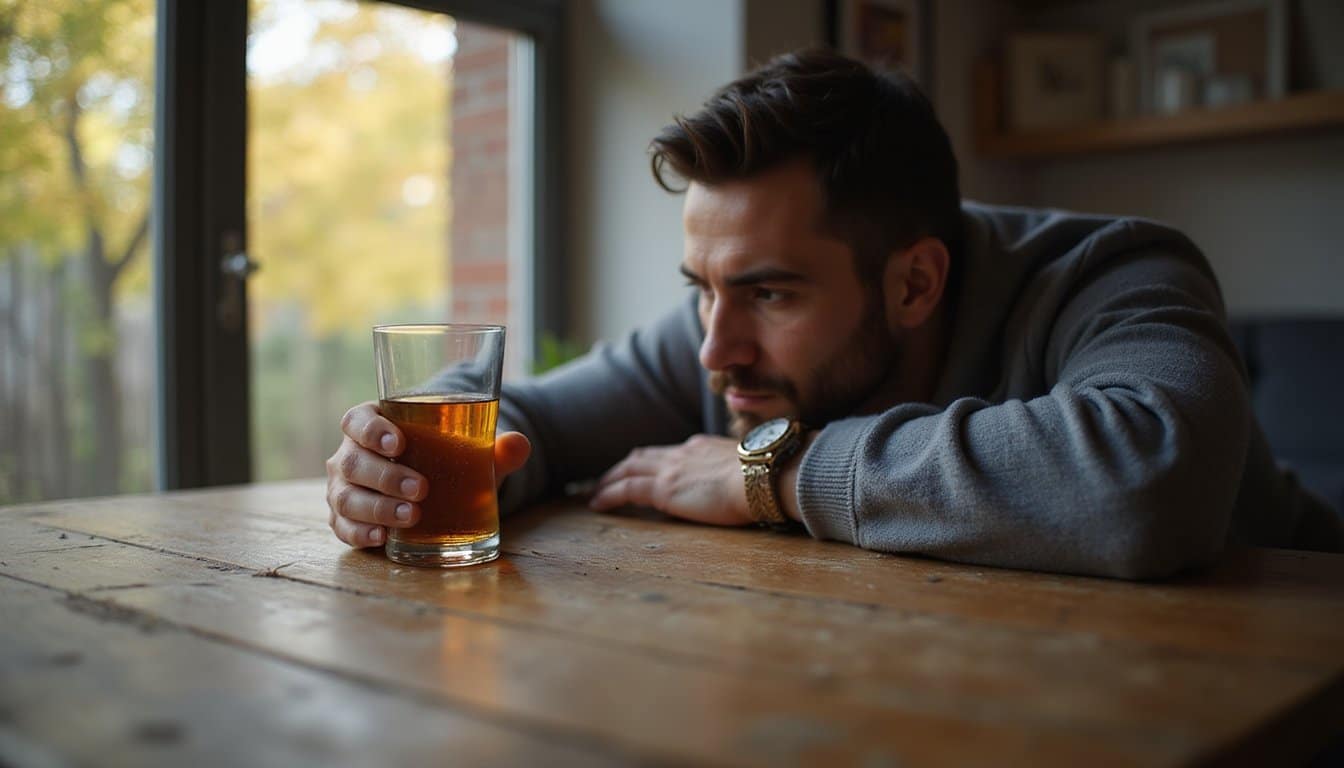
The 48-hour alcohol-free window exists for specific medical reasons that directly affect your safety and procedure success.
Dehydration Risks Compound During Prep
Alcohol increases urine output through diuresis, depleting your body’s fluid reserves. When you combine this with bowel prep laxatives, you’re facing significant fluid loss. This leads to dizziness, headaches, and fatigue that make an already challenging prep process worse. Drinking Gatorade or other electrolyte-rich drinks can help prevent dehydration during this time.
Sedation Interactions Create Serious Concerns
Your liver processes both alcohol and sedation medications. When alcohol remains in your system, it enhances sedative effects, risking respiratory depression. This interference prevents your anesthesiologist from safely administering medication and increases overdose potential. Because sedation affects your ability to function afterward, you must have a ride home and someone to care for you following the procedure.
Your Procedure Quality Depends on It
Dehydration reduces how effectively bowel prep solutions work. Poor preparation means your doctor can’t see your colon clearly, potentially requiring you to reschedule and repeat the entire process.
How Alcohol Ruins Your Bowel Prep and Colon Images
Five distinct mechanisms explain how alcohol consumption sabotages your bowel preparation and compromises the quality of your colonoscopy images.
First, alcohol disrupts your normal bowel habits, reducing bowel prep effectiveness and preventing thorough colon cleansing. Second, it impairs how laxatives and cleansing agents work, making it harder to achieve the clear or yellow liquid output that signals adequate preparation.
Alcohol interferes with both your natural bowel function and prep solution effectiveness, preventing the clear output needed for quality imaging.
Third, residual material remains in your colon when prep fails, obscuring polyp detection and increasing missed diagnosis risk. Fourth, beer’s carbonation and spirits’ irritating effects cause bloating and discomfort, slowing effective emptying.
Finally, these combined factors elevate your repeat procedure risk. When prep efficacy drops below 50-75%, physicians often cancel procedures. You’ll face rescheduling delays and extended diagnostic timelines, consequences you can avoid by eliminating alcohol beforehand. Remember that this plan is a guide, not medical advice, so always communicate with your healthcare provider about your specific situation.
Why Alcohol Dehydration Hits Harder During Prep
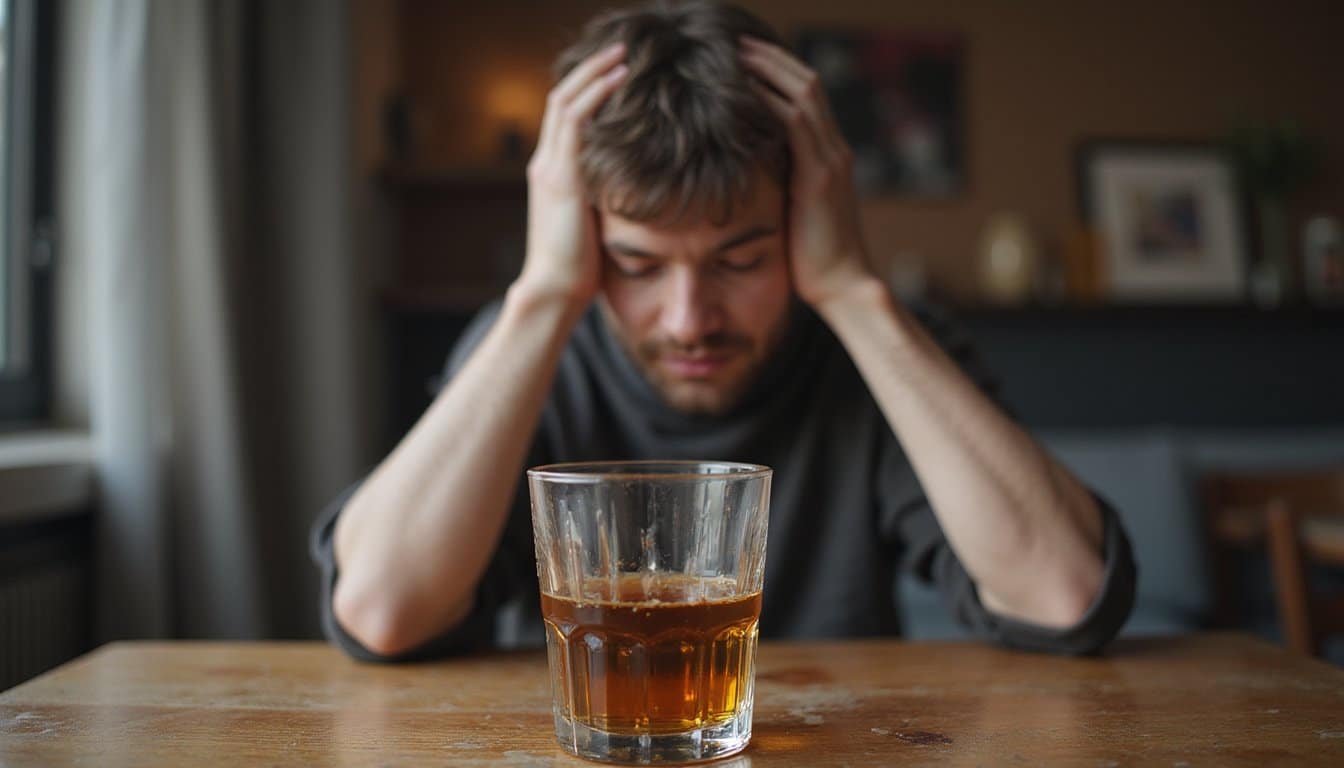
When you drink alcohol before your colonoscopy prep, its diuretic effect forces your body to lose even more fluid on top of what the bowel-clearing laxatives already extract. This double hit on your hydration makes symptoms like dizziness, headaches, and fatigue considerably worse than they’d be from prep alone. Your electrolyte balance also takes a serious hit, with sodium and potassium levels shifting in ways that can cause rapid heartbeat, lightheadedness, or even fainting during the procedure. Additionally, this dehydration can make it significantly harder for your body to tolerate cleansing solutions, potentially compromising the effectiveness of your entire bowel preparation.
Alcohol’s Diuretic Effect Compounds
Because alcohol suppresses antidiuretic hormone (ADH) release, your kidneys produce more urine than they normally would, even from small amounts of beer, wine, or spirits. This diuretic mechanism increases free water clearance, causing excessive fluid loss when you need hydration most.
Compounding with Prep Fluid Loss
Bowel prep already demands 1.4, 2 liters of clear liquids per sachet. When you add alcohol’s diuretic effect, you’re fundamentally countering the fluids you’re working hard to consume. Research shows patients drinking less than 1.4 liters during prep face a 3.62 odds ratio for inadequate preparation. Remarkably, only one patient experienced inadequate preparation out of 66 subjects who consumed at least 2 liters of fluids after each sachet.
Beer creates additional bloating alongside dehydration, while spirits cause severe fluid loss due to concentrated alcohol content. Even clear spirits, despite their appearance, aren’t safe alternatives. The risk is particularly concerning for women, as studies show 17 of 18 patients who developed bowel prep hyponatremia were female. To protect your prep’s effectiveness, avoid alcohol at least 24, 48 hours beforehand.
Bowel Prep Intensifies Fluid Loss
Alcohol’s diuretic effect alone creates significant dehydration, but bowel prep amplifies this fluid loss dramatically. When you combine prior alcohol consumption with prep-induced diarrhea, your body faces compounded fluid depletion that strains your system.
Understanding alcohol and colonoscopy prep interactions helps you recognize why hydration matters so critically. The prep solution evacuates large volumes of electrolyte-rich fluids rapidly, and any baseline dehydration worsens outcomes.
| Fluid Loss Source | Impact on Your Body |
|---|---|
| Alcohol consumption | Depletes baseline fluids |
| Bowel prep solution | Causes rapid evacuation |
| Clear liquid diet | Limits intake volume |
| Combined effect | Severe electrolyte imbalance |
| Poor hydration | Incomplete colon cleansing |
You’ll experience intensified symptoms like dizziness, fatigue, and nausea when dehydration compounds. This fluid imbalance can compromise your prep’s effectiveness, potentially requiring procedure rescheduling. Alcohol-induced dehydration can also elevate the risk of kidney issues, making proper fluid balance even more essential before your procedure.
Electrolyte Balance Gets Disrupted
Since alcohol suppresses your body’s antidiuretic hormone (vasopressin), your kidneys can’t reabsorb water efficiently, leading to increased urination that depletes sodium, potassium, magnesium, and chloride. This electrolyte balance disruption doesn’t resolve immediately after you stop drinking.
When you enter bowel prep with already-depleted electrolytes, you’re starting at a deficit. The prep solution demands precise fluid-electrolyte equilibrium to work effectively. If your baseline levels are compromised, you’ll experience intensified symptoms like headaches, fatigue, and nausea.
Your colon cleansing effectiveness depends on maintaining proper hydration throughout prep. Alcohol’s residual diuretic effects impair your body’s ability to retain fluids during the fasting period. Even moderate consumption 2, 5 days before your procedure can undermine the prep process, potentially leading to incomplete visualization and rescheduling. Protecting your electrolyte stores beforehand supports a successful examination. Replenishing electrolytes before your procedure can help rehydrate your body and support overall well-being during the demanding prep process. Electrolyte beverages offer a convenient oral solution to restore hydration and mineral balance in the days leading up to your colonoscopy.
Does Wine, Beer, or Spirits Make a Difference?
Does Wine, Beer, or Spirits Make a Difference?
Whether you’re considering wine with dinner, a casual beer, or a cocktail, all types of alcohol carry similar risks before a colonoscopy. Wine irritates your stomach lining and leaves residue that can obscure polyps during imaging. Beer causes gut inflammation and affects how anesthesia interacts with your body. Spirits, despite being clear liquids, are highly dehydrating and impair your judgment for following prep timing. Research indicates that heavy drinkers have a higher likelihood of developing adenomas 10 mm or larger compared to non-heavy drinkers. Whether you’re considering wine with dinner, a casual beer, or a cocktail, all types of alcohol carry similar risks before a colonoscopy, which directly answers can you drink beer or wine before a colonoscopy. Wine can irritate the stomach lining and leave residue that obscures polyps during imaging, beer may increase gut inflammation and alter anesthesia response, and spirits, despite being clear liquids, are highly dehydrating and can impair judgment around prep timing. Research also indicates that heavy drinkers have a higher likelihood of developing adenomas 10 mm or larger compared to non-heavy drinkers, reinforcing the importance of abstaining before the procedure.
When considering colonoscopy and alcohol, research shows no type is safer than another. Can you drink alcohol 48 hours before a colonoscopy? Medical guidance consistently advises against it. All forms compromise bowel cleansing equally, reduce hydration levels, and affect imaging clarity. Total avoidance remains the evidence-based recommendation for ensuring your procedure yields accurate, reliable results.
Why Drinking Before Colonoscopy Sedation Is Dangerous
Drinking alcohol in the days before your colonoscopy can interfere with how your body responds to sedation medications, making them less predictable and potentially less effective. When alcohol is still being processed by your liver, it competes with sedatives like benzodiazepines and opioids, which can lead to dangerous interactions including slowed breathing, irregular heart rate, and excessive drowsiness. You’ll also face higher risks of complications such as postoperative bleeding, infection, and prolonged recovery if alcohol hasn’t fully cleared your system before the procedure. The bowel prep process already leaves your intestines sensitive and vulnerable, so adding alcohol’s irritating effects to the mix can increase the likelihood of inflammation or discomfort during and after the procedure.
Alcohol Impairs Sedation Effectiveness
Most colonoscopies require sedation to keep you comfortable, and alcohol in your system can dangerously alter how these medications work. MedicationInteractions between alcohol and sedatives create unpredictable responses that compromise your safety. When you drink before your procedure, SedationEffectEnhancement occurs because both substances depress your central nervous system simultaneously.
Your medical team needs sedation to work precisely as intended. Alcohol interferes with this process in several critical ways:
- It amplifies sedative effects, causing excessive drowsiness and delayed recovery
- It reduces the predictability of anesthesia dosing
- It increases respiratory depression risks during the procedure
- It impairs your cognitive function, making it harder to follow pre-procedure instructions
Abstaining from alcohol 24-48 hours before your colonoscopy helps guarantee sedation medications perform effectively and safely. Abstaining from alcohol 24, 48 hours before your colonoscopy helps ensure sedation medications work effectively and safely, which directly addresses when should you stop drinking alcohol before a colonoscopy to minimize anesthesia risks and procedural complications.
Increased Complication Risks
Beyond sedation effectiveness, alcohol consumption before your colonoscopy creates a cascade of physiological complications that can jeopardize both your procedure and recovery.
Dehydration compounds rapidly when alcohol’s diuretic effects combine with your prep-induced fluid loss. This electrolyte imbalance can affect organ function during sedation and slow your post-procedure recovery.
Your infection risk increases dramatically because alcohol impairs immune function precisely when your body needs strong defenses. The colonoscopy creates small tears and microtrauma in your colon tissue, and compromised immunity leaves these areas vulnerable to bacterial colonization.
Additionally, alcohol irritates your already-stressed gastrointestinal tract, intensifying inflammation and delaying tissue healing. You may experience worsened bloating, cramping, and abdominal discomfort. These combined effects can extend your recovery time and potentially lead to complications requiring additional medical intervention.
What Happens If You Already Drank Too Close?
If you’ve already consumed alcohol closer to your colonoscopy than recommended, don’t panic, but you should contact your doctor’s office right away. They’ll assess your situation based on timing, amount consumed, and your individual health factors.
Your medical team may recommend:
- Extra hydration with electrolyte drinks to counter dehydration risks
- Additional laxatives like Citrate of Magnesia to address prep effectiveness impairment
- Rescheduling if consumption was recent enough to compromise results
- Modified prep instructions tailored to your specific circumstances
Be honest about when and how much you drank. This information helps your provider determine whether proceeding is safe or if rescheduling will yield better diagnostic accuracy. A compromised prep wastes time and resources while potentially missing important findings. Your transparency guarantees the safest, most effective outcome.
Safe Clear Liquids to Drink Instead of Alcohol
| Approved Beverages | Items to Avoid |
|---|---|
| Apple juice, white grape juice, clear sodas | Red, orange, or purple dyes |
| Chicken or beef broth (fat-free) | Milk, cream, or pulp |
| Yellow or green Jell-O, clear popsicles | Alcohol in any form |
You’ll want to consume at least 2 liters of clear fluids daily, excluding your prep solution. Black coffee and tea without creamer are permitted. Sports drinks like Gatorade provide electrolytes, just avoid restricted colors. When uncertain about specific items, contact your provider directly.
When Can You Safely Drink After Your Colonoscopy?
How soon can you safely enjoy an alcoholic beverage after your colonoscopy? You’ll need to wait at least 24 hours before consuming alcohol. Sedation effects linger in your system, creating significant sedation interaction risks when combined with alcohol. This combination can cause dizziness, slowed breathing, and impaired concentration.
The dehydration and recovery impact also matters. Your body has lost substantial fluids during bowel prep, and alcohol’s diuretic effect worsens this deficit.
Key reasons to wait 24 hours:
- Sedatives haven’t fully cleared your system
- Alcohol amplifies central nervous system depression
- Your GI tract needs time to heal from the procedure
- Rehydration remains critical for recovery
Always follow your healthcare team’s specific instructions, as some physicians recommend waiting several days.
When Alcohol Before a Colonoscopy Raises Questions
Facing a colonoscopy can already feel stressful, and many people find themselves wondering whether having a drink a few days before the procedure could cause problems or interfere with the preparation. While questions about alcohol and medical tests are common, they can also open the door to deeper concerns about drinking habits or how alcohol is affecting your health and peace of mind. If you or someone you care about is starting to question their relationship with alcohol, an alcohol detox center can help connect you with trusted treatment centers and recovery resources designed to support lasting change. Call +1-855-955-0771 today and let us help you take that first step toward healing, completely confidential and ready to help.
Frequently Asked Questions
Can I Take Alcohol-Based Medications or Mouthwash During Colonoscopy Prep?
You should avoid alcohol-based medications and mouthwash during colonoscopy prep. While there aren’t specific guidelines addressing these products, they fall outside the clear liquid rules that exclude alcohol entirely. Alcohol can interfere with your bowel prep’s effectiveness and may interact with sedation medications used during your procedure. If you’re unsure about a specific product, check with your doctor’s office before using it. They’ll recommend safe alternatives that won’t compromise your prep results.
Will One Glass of Wine Five Days Before Really Affect My Results?
One glass of wine five days before your colonoscopy won’t likely affect your results. Your body clears alcohol within 24-48 hours, giving you plenty of time to fully metabolize it and rehydrate before prep begins. The concern with alcohol centers on dehydration and anesthesia interactions, but five days provides a substantial buffer. Focus on staying well-hydrated in the days leading up to your procedure for ideal bowel cleansing.
Does My Body Weight Affect How Long Alcohol Impacts Colonoscopy Prep?
Your body weight doesn’t substantially change how long you should avoid alcohol before colonoscopy prep. While heavier individuals may metabolize alcohol marginally slower, medical guidelines don’t adjust the recommended 24, 48 hour restriction based on weight or BMI. The dehydration and gut irritation alcohol causes affect prep quality regardless of your size. You’ll want to follow the standard timeline to guarantee your colon cleanses properly and avoid rescheduling.
Should I Tell My Doctor if I Drank Alcohol During Prep?
Yes, you should always tell your doctor if you drank alcohol during prep. Alcohol can interfere with sedation, increase dehydration, and affect how well your bowel prep worked. Your doctor needs this information to adjust anesthesia safely and evaluate whether your colon is clean enough for accurate imaging. Being honest helps prevent complications like respiratory depression and guarantees you won’t need to reschedule due to poor visibility.
Can Alcohol Withdrawal Symptoms Interfere With My Colonoscopy Procedure?
Yes, alcohol withdrawal symptoms can markedly interfere with your colonoscopy. You may experience tremors, anxiety, elevated blood pressure, and rapid heart rate, which complicate sedation and monitoring during the procedure. Withdrawal can also cause dehydration, making bowel prep less effective and increasing your risk of complications. If you’re a heavy drinker, don’t stop abruptly before your procedure. Instead, consult your doctor early, they’ll create a safe tapering plan to manage symptoms.