Your blood alcohol level drops at a fixed rate of approximately 0.015% BAC per hour, no exceptions. Your liver controls this timeline, and nothing you do speeds it up. A peak BAC of 0.08% takes roughly 5, 6 hours to reach zero. Genetics, liver health, and body composition affect your personal rate, but the biochemical clock stays locked. The full picture of what’s actually happening inside your body goes much deeper than the number alone.
How Fast Does Blood Alcohol Level Drop?
How fast your blood alcohol level drops comes down to one predictable biochemical reality: the liver eliminates alcohol at a median rate of approximately 0.015 percent BAC per hour. This fixed alcohol elimination rate means your blood alcohol level drops per hour at a constant, pseudolinear slope regardless of tolerance. How fast your blood alcohol level drops comes down to one predictable biochemical reality: the liver eliminates alcohol at a median rate of approximately 0.015% BAC per hour. This directly informs how to figure blood alcohol level, as the fixed elimination rate creates a consistent, pseudolinear decline regardless of tolerance, helping estimate how your BAC changes over time.
Your alcohol metabolism speed doesn’t accelerate based on body size or willpower. One standard drink clears your system in roughly 75 minutes under typical conditions. The BAC elimination timeline follows this steady decline, making your hours to sober up estimate calculable from your peak BAC.
If your BAC peaks at 0.08 percent, expect approximately five to six hours before reaching zero. Higher peaks extend that window proportionally, governed entirely by your liver’s enzymatic capacity. Even under identical drinking conditions, individual BAC differences vary significantly, with peak levels differing by more than twice between individuals.
What Determines Your Personal BAC Elimination Rate?
While the 0.015 percent per hour average gives you a useful baseline, your actual elimination rate can deviate noticeably from that figure. Several physiological variables govern alcohol pharmacokinetics at the individual level.
Your alcohol dehydrogenase enzyme activity varies based on genetics, age, and liver health, directly affecting liver metabolism of alcohol. As ADH becomes saturated at higher BAC levels, elimination shifts to zero-order kinetics, meaning your liver processes a fixed amount regardless of concentration.
Body composition alcohol distribution also matters. Your water-to-fat ratio determines how concentrated ethanol becomes in your bloodstream, influencing alcohol clearance from bloodstream timelines. Lower body fat means wider ethanol distribution and comparatively lower BAC. Additionally, medications, chronic conditions like diabetes, and compromised hepatic function can appreciably slow your personal elimination rate.
Consuming food before or while drinking can significantly delay alcohol absorption, as a full stomach slows the passage of ethanol into the small intestine and reduces the rate at which BAC levels rise, ultimately affecting how quickly your body can begin the elimination process.
Can Coffee, Exercise, or Water Speed Up BAC Elimination?

You might reach for coffee, hit the gym, or down a glass of water after drinking, but none of these actions will lower your BAC. Caffeine masks alcohol’s sedative effects without altering the liver’s enzymatic process, exercise increases your heart rate without accelerating alcohol clearance, and water prevents dehydration without changing how quickly ethanol leaves your bloodstream. Your body metabolizes alcohol at a fixed rate of approximately 0.015% per hour, and no intervention overrides that biochemical timeline. In fact, research shows that alcohol consumption can prolong caffeine half-life by as much as 72%, demonstrating that the relationship between alcohol and caffeine metabolism is far more one-sided than most people assume.
Coffee Does Nothing
Many people reach for a cup of coffee after drinking, believing caffeine will clear their head and lower their BAC faster. This belief is false. Caffeine produces zero effect on alcohol metabolism or your alcohol elimination half-life. Your blood alcohol level drops per hour at approximately 0.015%, regardless of how much coffee you consume. Liver enzymes follow a fixed enzymatic process that no stimulant can accelerate.
What caffeine actually does is mask alcohol impairment recovery time by suppressing drowsiness and creating false alertness. You may feel focused, but your actual BAC remains unchanged. This dangerous masking effect convinces people they’re safe to drive when they’re still legally impaired. Studies confirm that caffeine effects on alcohol metabolism are nonexistent. Only time reduces your BAC.
Exercise Won’t Help
The belief that exercise can sweat out alcohol or speed up its elimination is a myth your body’s chemistry quickly disproves. Your liver controls alcohol metabolism, processing ethanol at roughly 0.015% per hour regardless of physical activity. Exercise doesn’t accelerate this enzymatic rate, meaning how long blood alcohol level drops takes remains unchanged whether you’re running or resting.
Only a negligible fraction of blood alcohol content exits through sweat, making perspiration irrelevant to meaningful blood alcohol concentration reduction. While chronic exercise may reduce long-term oxidative damage from drinking and slightly increase tolerance through greater muscle mass, it won’t alter your immediate alcohol absorption rate or hasten clearance. Your liver’s enzymatic capacity is fixed, no workout changes that biological reality.
Water Has Limits
Reaching for a glass of water, a cup of coffee, or a cold shower after drinking might feel productive, but none of these actions accelerate your liver’s enzymatic clearance of alcohol. Understanding water dilution limits clarifies why hydration helps but doesn’t eliminate alcohol faster. Dehydration concentrates alcohol in your blood, raising BAC and slowing your liver metabolism role by impairing enzymatic breakdown of acetaldehyde. Adequate hydration optimizes liver function without overriding its fixed processing rate. Caffeine effects myths persist despite zero evidence that coffee reduces BAC, it only masks impairment temporarily. Hydration timing constraints matter most before drinking, where pre-consumption water slows absorption and lowers peak BAC. Post-peak hydration supports liver function, but elimination still follows an unchangeable enzymatic rate of approximately 0.015 percent per hour.
How Long Does It Take to Reach Peak BAC?
After you drink alcohol, BAC builds up quickly, often peaking within 30 to 90 minutes in a fasting state. Research shows that 77% of fasting subjects hit peak BEC within 45 minutes, and 97% peaked by 75 minutes.
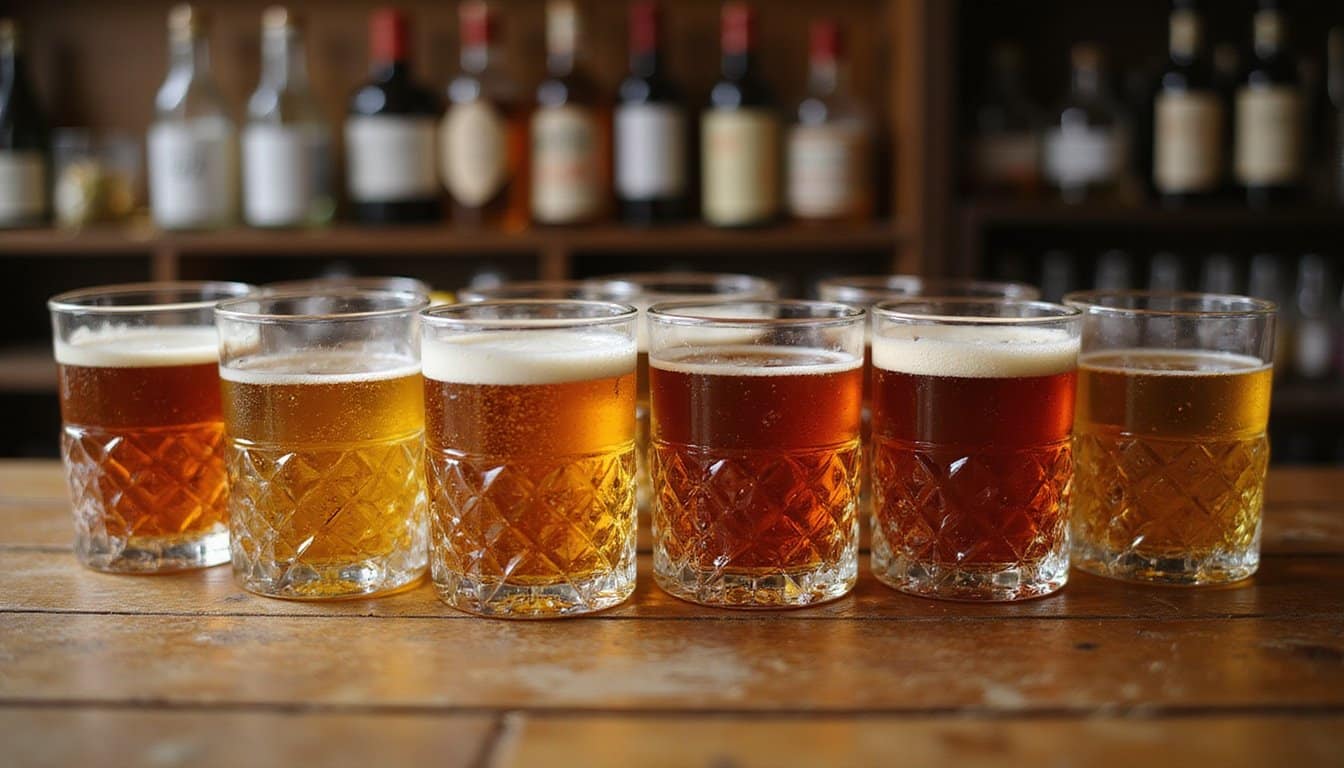
Beverage type substantially influences peak time and Cmax. Vodka/tonic produces the fastest peak at 0.60 hours with the highest Cmax at 77.4 mg/dL. Wine peaks at 0.91 hours, while beer takes the longest at 1.04 hours with the lowest Cmax of 50.3 mg/dL.
Dose influence on time to peak remains minimal across the 0.34, 1.02 g/kg range, though higher doses raise peak BEC. Slow absorption consistently lowers peak concentration, reinforcing that how you drink matters as much as how much you drink.
Does Your Drink Choice Affect How Long BAC Stays Elevated?
Many drinkers assume that once alcohol enters the bloodstream, BAC declines at the same rate regardless of what they consumed, but drink choice influences both peak height and how long BAC stays elevated. Higher alcohol by volume percentage produces higher BAC peaks; a 20% solution reached 2.7 mg/ml versus 2.2 mg/ml for 10%. Carbonation accelerates absorption, while congeners in darker spirits may extend effects compared to clear alternatives. Standard drink measurement standardizes grams of ethanol per drink across beer, wine, and spirits, but concentration alters peak timing. Alcohol distribution in body water affects overall BAC magnitude, and alcohol metabolism genetics determine clearance speed. Total fluid volume also matters, higher dilution correlates with faster return to baseline, as BAC tracks more strongly with the ethanol-to-fluid ratio than alcohol amount alone. Many drinkers assume that once alcohol enters the bloodstream, BAC declines at the same rate regardless of what they consumed, but drink choice influences both peak height and duration. A blood alcohol concentration estimator helps illustrate how higher alcohol by volume produces higher BAC peaks, carbonation accelerates absorption, and congeners in darker spirits may prolong effects. While standard drink measurements normalize ethanol content, factors like fluid volume, body water distribution, and metabolism ultimately determine how BAC rises and falls over time.
How Long Until Your Blood Alcohol Level Hits Zero?
Knowing when your blood alcohol level actually hits zero depends less on what you drank and more on how fast your liver clears ethanol from your bloodstream. Blood alcohol concentration drops through ethanol metabolism at roughly 0.015 per hour, though alcohol metabolic rate variability means some individuals clear faster. Acetaldehyde metabolism follows sequentially, adding processing time even as BAC declines.
- 0.08% BAC, fully cleared in approximately 5 hours 20 minutes
- 0.10% BAC, reaches zero between 6 and 7 hours
- 5 drinks at 140 lbs, your body needs roughly 10 hours
- 5 drinks across average female weights, clearance ranges from 13 to 14.5 hours
No shortcut accelerates this enzymatic process. Time remains your only reliable variable.
BAC Is Back to Zero: But Are You Actually Safe to Drive?
When your BAC finally reads zero, you might assume you’re fully fit to drive, but research shows residual cognitive impairment can persist even after alcohol is fully metabolized. Your reaction time, decision-making, and coordination may remain compromised due to lingering neurochemical imbalances as your brain’s GABA and glutamate systems continue rebalancing. Until your central nervous system fully recovers, getting behind the wheel carries measurable risk that zero BAC alone doesn’t eliminate.
Zero BAC, Still Impaired
Reaching zero BAC doesn’t automatically mean you’re safe to drive. Alcohol elimination kinetics show that impairment persists beyond measurable blood alcohol levels. Your alcohol metabolism clears ethanol, but residual neurological effects linger.
Consider what zero BAC still leaves behind:
- Fatigue and cognitive fog slow your reaction time even after alcohol impairment appears resolved
- Disrupted GABA and glutamate signaling continues affecting coordination during alcohol tolerance recovery
- Acetaldehyde byproducts cause headaches and concentration deficits that compromise driving ability
- Statistical reality: 16% of drivers in 2023 fatal crashes tested below 0.08 g/dL, proving how long blood alcohol level drops matters less than assuming full recovery
Your liver completing alcohol tolerance processing doesn’t restore full driving competency. Wait until fatigue, headache, and cognitive symptoms fully resolve before operating any vehicle.
Cognitive Effects Linger Longer
Your BAC hitting zero doesn’t mean your brain has fully recovered. Cognitive impairment recovery after alcohol follows a slower timeline than motor normalization. Your reaction times may return to baseline while working memory and executive function impairment persists, creating a dangerous illusion of sobriety.
The cognitive effects linger well after motor performance normalizes. Attention and memory deficits post-intoxication affect sustained attention, short-term memory, and executive processing even when your BAC approaches zero. Error rates remain elevated, and complex task completion stays compromised.
These aren’t minor inconveniences. The real-world functional consequences include measurable driving impairment despite apparent sobriety. Cognitively demanding tasks become high-risk when your executive systems remain suppressed. Older age intensifies this vulnerability. You shouldn’t assume clearance of alcohol from your bloodstream equals cognitive readiness. These aren’t minor inconveniences. The real-world functional consequences include measurable driving impairment despite apparent sobriety, raising questions like •16 blood alcohol level how many drinks, as even seemingly moderate intake can lead to significant cognitive suppression. Cognitively demanding tasks become high-risk when your executive systems remain impaired, especially with age, so you shouldn’t assume that alcohol leaving your bloodstream means full cognitive recovery.
When Driving Stays Risky
Even after your BAC returns to zero, you aren’t necessarily safe to drive. Alcohol is a central nervous system depressant, and its cognitive residue outlasts measurable blood alcohol concentration. The average BAC reduction per hour is 0.015%, meaning drinking duration effects determine total clearance time, but neurocognitive recovery takes longer.
Recognize these four high-risk realities:
- Reaction time remains delayed even hours after your last drink
- Sleep deprivation from drinking compounds impairment beyond what BAC alone reflects
- Time since last drink doesn’t guarantee full recovery, fatigue and acetaldehyde linger
- At 0.05 BAC, crash risk is 7, 21 times higher; residual effects extend past zero
Wait until you’re fully rested, not just sober by the numbers.
Frequently Asked Questions
Does Alcohol Affect BAC Elimination Differently in Older Versus Younger Adults?
Yes, age profoundly affects how your body eliminates alcohol. As you get older, your ability to metabolize alcohol declines, causing higher BAC levels from the same intake. Older adults experience roughly 20% higher BAC rises than younger adults. However, women with obesity and older age can clear alcohol 52% faster than younger healthy-weight women. Age interacts with lean body mass, accounting for 72% of variance in your elimination time.
Can Prescription Medications Significantly Raise Your Blood Alcohol Concentration Unexpectedly?
Yes, certain prescription medications can unexpectedly raise your BAC or produce false elevated readings. Drugs like verapamil and cimetidine slow your liver’s alcohol metabolism, prolonging elevated BAC levels even after minimal drinking. Some liquid medications contain ethanol as an excipient, directly adding to your BAC. Additionally, diabetes medications can cause your breath to produce acetone, which breathalyzers may misidentify as ethanol, generating false positives that don’t reflect actual alcohol consumption.
How Does Chronic Heavy Drinking Change Your Long-Term Alcohol Metabolism Rate?
Chronic heavy drinking actually speeds up your alcohol metabolism over time. Your liver upregulates ADH, ALDH, and the microsomal ethanol-oxidizing system (CYP2E1), allowing faster ethanol clearance initially. However, you’ll simultaneously deplete NAD+, impair mitochondrial function, and disrupt fat and glucose metabolism. Your liver enzyme adaptations increase tolerance but accelerate oxidative stress and ROS production, ultimately damaging the very enzymatic machinery you’ve induced, progressively undermining long-term metabolic efficiency.
Is BAC Testing Accuracy Affected by Certain Medical Conditions or Diseases?
Yes, certain medical conditions can affect BAC testing accuracy. If you have GERD, stomach acid reflux can introduce alcohol-like compounds into your breath, inflating breathalyzer readings. If you’re diabetic, elevated acetone from ketoacidosis mimics alcohol on breath tests. Respiratory conditions like bronchitis can produce volatile compounds that interfere with results. Liver disease, kidney conditions, and metabolic acidosis can also skew readings, meaning breathalyzer results don’t always reflect your true bloodstream alcohol concentration.
Does Altitude or Extreme Temperature Affect How Quickly Your Body Processes Alcohol?
Altitude and extreme temperature don’t markedly speed up your liver’s alcohol metabolism. Your body eliminates BAC at roughly 0.015% per hour regardless of environment. However, altitude above 8,000 feet amplifies your perceived impairment through reduced oxygen availability and dehydration, even though your actual BAC remains unchanged. Alcohol also suppresses your hyperventilation response needed for oxygen adaptation. Temperature primarily affects dehydration and symptom intensity, not enzymatic clearance speed through alcohol dehydrogenase pathways.