
Yes, alcohol affects your gut health from your very first drink. Within hours, it begins disrupting your microbiome, reducing beneficial bacteria like *Lactobacillus* and *Bifidobacterium* while allowing harmful pathogens to proliferate. This imbalance damages your intestinal lining, triggers systemic inflammation, and can compromise your liver and brain function. Even your gut’s fungal populations aren’t spared. The full scope of what alcohol does inside your digestive system is startling. Yes, alcohol affects your gut health from your very first drink. While many ask does alcohol affect teeth health, its impact begins in your microbiome, within hours, it reduces beneficial bacteria like Lactobacillus and Bifidobacterium while allowing harmful pathogens to proliferate, damaging your intestinal lining, triggering systemic inflammation, and affecting your liver and brain function.
How Alcohol Disrupts Your Gut Microbiome From the First Drink
Alcohol begins altering your gut microbiome from the very first exposure, not after years of chronic drinking. Rat models show measurable dysbiosis within the first day of alcohol access, meaning gut microbiome imbalance isn’t reserved for long-term drinkers.
Early shifts involve quantitative and qualitative changes across bacterial populations. Specific species proliferate rapidly while protective genera like *Lactobacillus* and *Bifidobacterium* decline. These initial microbial changes also disrupt the gut-brain axis, impairing regulatory mechanisms that would otherwise suppress increased alcohol intake.
Alcohol metabolism generates acetaldehyde, which weakens tight junction proteins and drives intestinal permeability. This allows bacterial toxins to enter your bloodstream, triggering inflammation almost immediately. The disruption isn’t gradual, your microbiome begins responding to alcohol before chronic patterns ever develop. The intestinal microbiota contains tens of trillions of microorganisms, meaning even modest alcohol-induced disruptions affect an enormous and complex microbial ecosystem.
The Beneficial Gut Bacteria Alcohol Quietly Destroys
When you drink alcohol, you’re actively reducing populations of *Lactobacillus* and *Bifidobacterium*, two probiotic bacterial groups essential for immune regulation, digestion, and intestinal barrier integrity. Alcohol also suppresses butyrate-producing bacteria within the *Firmicutes* phylum, and since butyrate is the primary fuel source for colonocytes, its loss weakens the gut lining and accelerates inflammatory signaling. These disruptions strip away your gut’s core microbial protectors, creating conditions that favor harmful bacterial overgrowth and systemic inflammation. Research has shown that *Lactobacillus rhamnosus* GG supplementation can help restore microbial balance and reduce liver injury and alcohol use in those with alcohol use disorder.
Alcohol Decimates Probiotic Bacteria
Beyond its effects on the intestinal lining, alcohol actively decimates the beneficial bacteria that sustain a healthy gut microbiome. When you consume alcohol regularly, it disrupts gut microbiota by eliminating protective strains while allowing harmful pathogens to overgrow, driving gut dysbiosis. Beyond its effects on the intestinal lining, alcohol actively decimates the beneficial bacteria that sustain a healthy gut microbiome. This highlights how weed and alcohol affect your health, as regular alcohol consumption disrupts gut microbiota by eliminating protective strains while allowing harmful pathogens to overgrow, ultimately driving gut dysbiosis.
This same mechanism compromises probiotic bacteria in supplements. Alcohol reduces the survival rate of live bacterial strains, meaning that taking probiotics alongside alcohol largely undermines their efficacy. The beneficial organisms simply can’t establish themselves in an environment where alcohol is actively killing them off.
Timing your probiotics strategically helps. Taking them several hours before or after drinking improves bacterial survival and intestinal colonization. Specific strains, including *L. rhamnosus* and *B. lactis*, show evidence of reducing alcohol-induced gut inflammation, but excessive alcohol consumption consistently diminishes overall probiotic effectiveness. Probiotics have also shown promise in restoring gut flora and improving liver enzymes in cases of alcohol-induced liver injury.
Butyrate Producers Under Attack
| Bacterial Family | Role | Alcohol Impact |
|---|---|---|
| *Ruminococcaceae* | Butyrate synthesis | Dramatically depleted |
| *Lachnospiraceae* | SCFA production | Considerably reduced |
| *Clostridia* | Anti-inflammatory response | Substantially diminished |
Without adequate butyrate, tight junction proteins, claudin, occludin, and zonula occludens, deteriorate, accelerating leaky gut development. Lipopolysaccharides then enter circulation unopposed, activating Kupffer cells and triggering TNF-α release. Additionally, critical enzymes encoded by *but* and *buk* genes that convert butyryl-CoA to butyrate show measurable reduction following chronic alcohol exposure.
Loss Of Gut Protectors
Butyrate-producing bacteria aren’t the only casualties of chronic alcohol exposure. You also lose critical gut protectors like *Akkermansia*, *Roseburia*, and *Faecalibacterium*, driving a significant decline in beneficial bacteria across multiple protective species. This microbiome diversity reduction leaves ecological gaps that opportunistic pathogens rapidly fill.
The consequences compound quickly. A proteobacteria surge follows, with *Fusobacteria* and Gammaproteobacteria expanding aggressively in the dysbiotic environment. Simultaneously, small intestine overgrowth develops as Gram-negative anaerobes and coliforms colonize areas they shouldn’t dominate. Sigmoid biopsies from chronic alcoholics confirm these mucosa-associated microbial shifts aren’t theoretical.
This dysbiosis from alcohol restructures your entire intestinal ecosystem, diminishing the bacterial populations that regulate inflammation, reinforce the gut barrier, and support immune surveillance, leaving you functionally vulnerable on multiple physiological fronts. how alcohol affects emotional health is equally significant, as the disruption of gut function can lead to fluctuations in mood and increased susceptibility to anxiety and depression. With a weakened gut barrier, neurochemicals often associated with feelings of well-being become imbalanced, further complicating emotional regulation.
Which Harmful Bacteria Thrive When You Drink?
When alcohol disrupts the gut microbiome, specific bacterial populations don’t decline equally, certain harmful microbes actively expand and take advantage of the altered environment.
Chronic alcohol intake drives Proteobacteria-Increase, with gram-negative species proliferating and elevating lipopolysaccharide levels, fueling systemic inflammation. Within that phylum, Enterobacteriaceae-Growth intensifies immune activation and contributes directly to alcohol-use-disorder-related inflammatory cascades.
Alcohol fuels Proteobacteria overgrowth, flooding your body with lipopolysaccharides and driving relentless, system-wide inflammation.
Beyond gram-negative shifts, alcohol promotes Blautia-Allobaculum-Promotion, with both genera linked to neuropsychiatric outcomes including memory impairment, anxiety, and depression-like behaviors. Similarly, Ruminococcus-Coprococcus-Rise reflects gut-brain axis dysregulation observed consistently in alcohol-fed models.
Finally, Alistipes-Odoribacter-Expansion represents a pro-inflammatory bacterial shift tied to behavioral and cognitive changes. Together, these microbial changes confirm that your drinking habits actively reshape which organisms control your gut environment.
What Alcohol Does to the Fungi in Your Gut?
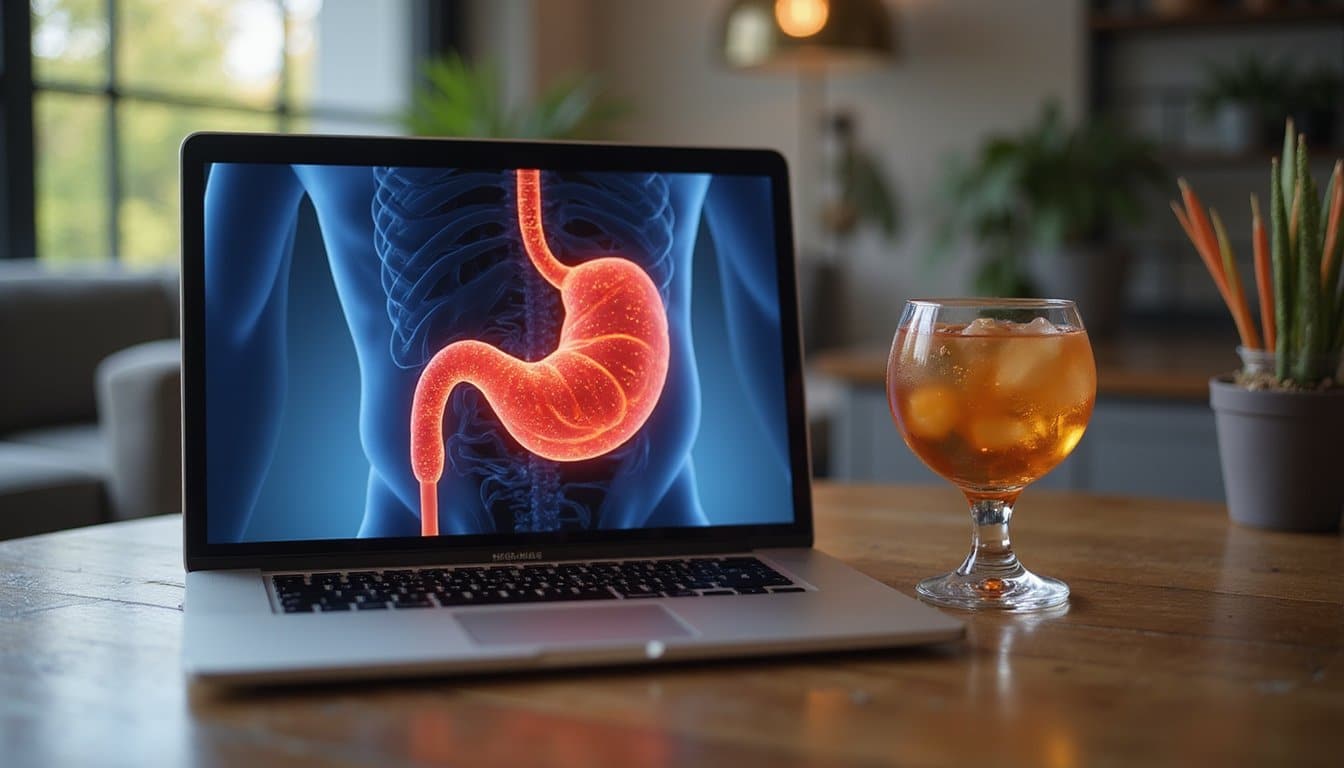
Alcohol doesn’t only disrupt bacterial populations in your gut, it also drives measurable changes in the mycobiome, the community of fungi residing in your gastrointestinal tract. Ethanol exposure induces fungal dysbiosis, reducing beneficial species like Saccharomyces, Penicillium, and Epicoccum while allowing pathobionts such as Candida albicans and Pichia species to proliferate. These fungal shifts often follow bacterial dysbiosis, as destabilized bacterial communities create conditions that opportunistic fungi exploit. Candida albicans overgrowth is particularly concerning, it triggers immune responses that may alter dopamine signaling, potentially influencing your alcohol preference. Reduced microbiome diversity compounds these effects, linking fungal imbalances to accelerated liver disease progression and systemic inflammation. The dysbiotic mycobiome also contributes to intestinal barrier damage, worsening the permeability problems that alcohol-related bacterial disruption already initiates.
How a Leaky Gut Turns Drinking Into Inflammation
When you drink, alcohol and its byproduct acetaldehyde directly damage the intestinal mucosa by weakening tight junction proteins like ZO-1 and ZO-2, increasing gut permeability. This breakdown lets lipopolysaccharides (LPS) from Gram-negative gut bacteria cross the intestinal barrier and enter your bloodstream through the portal vein or lymphatic vessels. Once circulating, LPS activates toll-like receptors, triggering a cascade of proinflammatory cytokines, including TNF-α, IL-1β, and IL-6, that drive systemic inflammation well beyond the gut itself.
Alcohol Damages Intestinal Mucosa
The intestinal mucosa serves as the body’s first structural defense against the contents of the gut, and alcohol methodically dismantles it. Excessive alcohol disrupts stomach mucus production, directly compromising gut barrier function and exposing the underlying lining to digestive acids. This irritation triggers intestinal inflammation, producing gastritis symptoms including abdominal pain, nausea, and vomiting. Repeated mucosal injury elevates your risk of developing peptic ulcers, anemia, and potentially stomach cancer.
Alcohol-induced intestinal damage extends beyond the stomach. Chronic misuse causes esophagitis, mucosal defects in the esophagus, and salivary gland inflammation. In the small intestine, bacterial overgrowth compounds structural deterioration. Even short bouts of binge drinking weaken the gut barrier, while ten-week alcohol feeding studies in rats confirm measurable intestinal hyperpermeability, demonstrating that damage accumulates progressively.
LPS Triggers Systemic Inflammation
Once the intestinal barrier breaks down, your gut doesn’t just become more permeable, it becomes a gateway for bacterial toxins to enter systemic circulation. Lipopolysaccharides (LPS) from Gram-negative bacteria cross into your bloodstream, activating a damaging inflammatory response that stresses the liver-gut axis and accelerates liver inflammation.
| LPS Effect | Target Location | Outcome |
|---|---|---|
| TNFα elevation | Brain tissue | Persists up to 10 months |
| Microglial activation | Central nervous system | Upregulates IL-1β, NF-κB |
| Organ infiltration | Liver, kidney, lung | Histopathological damage |
| Cytokine storm | Plasma/systemic | Multi-organ inflammation |
| Oxidative stress | Gut lining | Worsens gut health decline |
Your immune system responds aggressively, elevating pro-inflammatory cytokines while oxidative stress compounds cellular damage, creating a self-reinforcing cycle that heavy drinking continuously amplifies.
Which Gut Conditions Does Heavy Drinking Actually Cause?
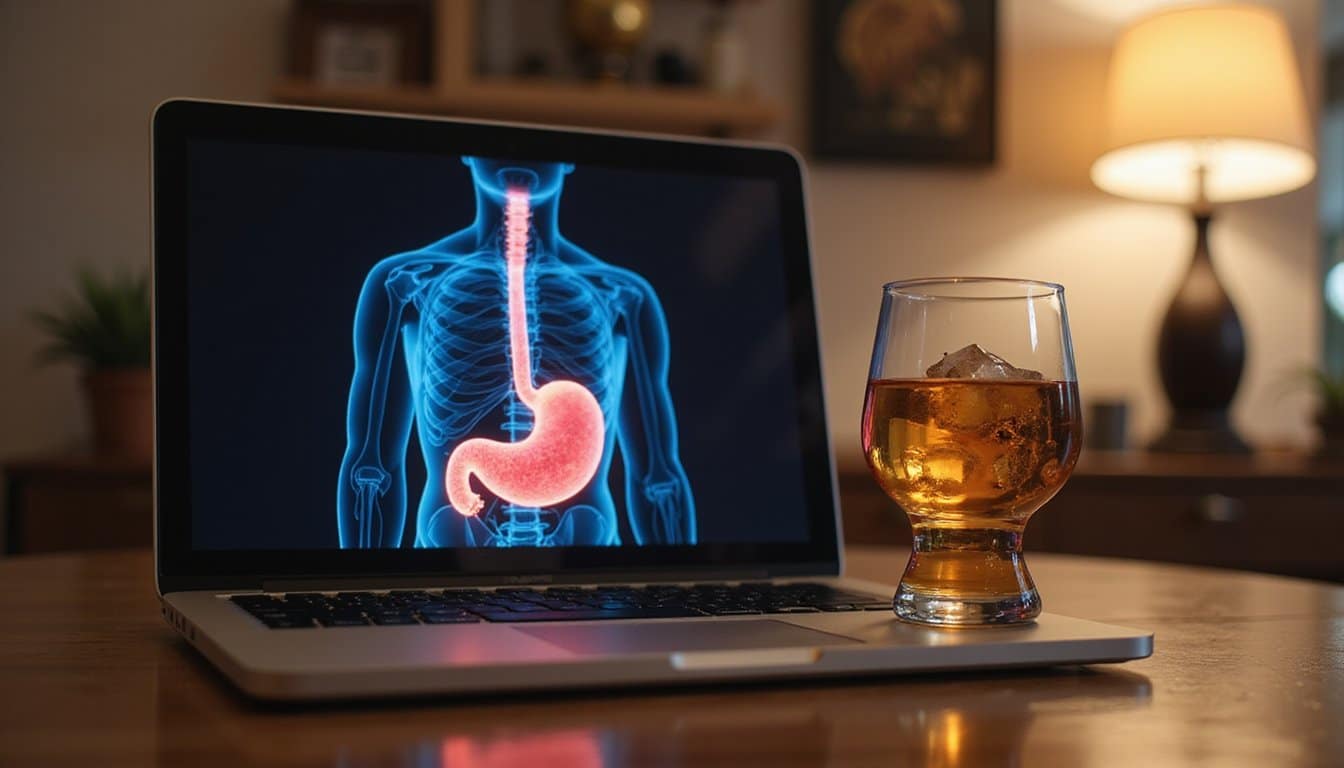
Heavy drinking doesn’t just cause temporary discomfort, it drives a range of documented gastrointestinal conditions that can progressively worsen with continued exposure. Your digestive system function becomes compromised across multiple levels simultaneously.
Alcohol-related digestive disorders include alcoholic gastritis, where stomach lining irritation progresses to erosions, ulcers, and bleeding. Esophageal damage follows as the lower sphincter weakens, enabling acid reflux and oesophagitis. The leaky gut syndrome concept describes how binge drinking triggers neutrophil-released NETs that breach the upper small intestine barrier, flooding the bloodstream with bacterial toxins. Small intestinal bacterial overgrowth compounds this by increasing Gram-negative anaerobic bacteria, linking directly to endotoxemia.
Within your gastrointestinal tract, intestinal dysbiosis simultaneously reduces Bacteroidetes while elevating Proteobacteria, creating inflammatory conditions that sustain and amplify each of these disorders concurrently.
How Gut Dysbiosis Drives Alcohol Addiction
Research increasingly shows that gut dysbiosis doesn’t just follow alcohol addiction, it actively drives it. When gut barrier dysfunction allows bacterial toxins into your bloodstream, alcohol-induced gut inflammation disrupts the microbiota-gut-brain axis, altering neurotransmitter systems involving dopamine, serotonin, and GABA.
Studies transferring gut microbiota from alcohol use disorder patients into rats induced anxiety, depression-like behaviors, and increased alcohol preference. Specific genera like Adlercreutzia and Allobaculum correlated directly with alcohol preference and prefrontal cortex BDNF changes. Meanwhile, gut microbiome imbalance reduced exploratory behavior and recognition memory in recipient animals.
The evidence confirms that alcohol addiction and gut dysbiosis reinforce each other bidirectionally. Pre-existing microbial disruption increases addiction vulnerability, suggesting that targeting the gut microbiome may represent a viable therapeutic intervention for alcohol use disorder.
Can Your Gut Microbiome Recover After Quitting Alcohol?
The relationship between gut dysbiosis and alcohol addiction clearly runs in both directions, but understanding that cycle also raises a more immediate question: once you stop drinking, can your gut actually recover? Evidence says yes. Gut healing after alcohol reduction begins rapidly, with measurable microbiome shifts occurring within the first five days of abstinence.
Gut healing after alcohol reduction begins rapidly, measurable microbiome shifts occur within just the first five days of abstinence.
Research documents three recovery milestones:
- Bacterial diversity increases, the Shannon diversity index rises considerably, reversing harmful bacteria overgrowth and beneficial gut bacteria reduction
- Protective species return, Lactobacillus and Bifidobacterium repopulate, supporting probiotics for gut recovery and reducing systemic inflammation
- Inflammation markers decline, IL-8 levels drop, improving gut-brain axis signaling and reducing cravings
Reducing alcohol for digestive health produces clinically substantial results, though full microbiome restoration may require weeks to months.
How to Rebuild Your Gut After Alcohol Damage
Rebuilding your gut after alcohol damage involves four evidence-based strategies that target microbial restoration, intestinal barrier repair, and inflammation reduction. Incorporate probiotic foods like yogurt, kefir, and kimchi to restore Lactobacillus and Bifidobacterium populations. A high fiber diet rich in fruits, legumes, and vegetables generates short-chain fatty acids that repair the intestinal lining and counter dysbiosis. Add anti-inflammatory foods such as turmeric, berries, and fatty fish to reduce oxidative stress and rebalance Firmicutes and Bacteroidetes ratios. Prioritize hydration supplements, including electrolytes and digestive enzymes, to restore mucosal integrity and address malabsorption. For thorough recovery, seek lifestyle and professional support through stress management, consistent sleep, and clinical guidance, including possible synbiotic supplementation or microbiome analysis to accelerate and personalize your recovery plan.
Frequently Asked Questions
Does Alcohol Affect Gut Health Differently in Women Versus Men?
Yes, alcohol affects your gut health differently based on your sex. If you’re a woman, you’re at greater risk because you lack stomach alcohol dehydrogenase, meaning more alcohol reaches your bloodstream and gut lining. You’ll experience higher blood alcohol concentrations, greater intestinal permeability, and elevated endotoxin levels compared to men consuming equivalent amounts. This heightened gut barrier dysfunction increases your susceptibility to liver inflammation, microbiome disruption, and alcohol-induced gastrointestinal injury.
Can Occasional Social Drinking Cause Lasting Gut Microbiome Damage?
Occasional social drinking likely won’t cause lasting microbiome damage, but it’s not entirely without risk. Even moderate alcohol exposure can temporarily alter your gut’s microbial balance and weaken intestinal tight junctions. Research shows that binge episodes, even infrequent ones, can reduce beneficial bacteria like Alistipes and elevate opportunistic pathogens like Veillonella. Your gut typically recovers, but repeated episodes may gradually accumulate harm, particularly if you’re young, when microbiome development remains especially vulnerable.
How Quickly Does One Drinking Episode Begin Harming Gut Bacteria?
Within hours of your first sip, alcohol begins disrupting your gut bacteria. Research shows measurable microbiome divergence by day one, with statistically significant dissimilarity confirmed between days one and five (p=0.03). Your beneficial bacteria, including Akkermansia, Roseburia, and Faecalibacterium, decline rapidly, while opportunistic pathogens increase. Butyrate production drops, intestinal permeability rises, and inflammatory signaling activates almost immediately. A single episode sets the stage for bacterial overgrowth before you’ve even recovered from the hangover.
Do Certain Alcoholic Beverages Cause Less Gut Damage Than Others?
Yes, certain alcoholic beverages cause less gut damage than others. If you choose red wine, its polyphenols like resveratrol actively promote beneficial bacteria and enhance your gut barrier function. Dark beer’s β-glucans support microbial diversity and reduce inflammation. Clear spirits like vodka contain fewer congeners, minimizing microbiome disruption. However, you’ll amplify harm profoundly by mixing alcohol types, which negates these benefits and accelerates gut barrier dysfunction regardless of your initial beverage choice.
Can Gut Health Problems From Alcohol Increase Cancer Risk?
Yes, gut health problems from alcohol can increase your cancer risk. When alcohol disrupts your intestinal lining and microbiome, it elevates acetaldehyde exposure, a Group 1 carcinogen, directly within your digestive tract. This raises your risk for colorectal, gastric, liver, and pancreatic cancers. Frequent drinking amplifies this risk more than occasional heavy consumption. If you’re also a smoker or carry excess weight, these factors synergistically heighten your GI cancer vulnerability further.