
Alcohol directly harms your teeth in multiple ways. It erodes your enamel through acid exposure, disrupts saliva production, and feeds decay-causing bacteria with fermentable sugars. It also damages your gum tissue and elevates your oral cancer risk through acetaldehyde, a toxic metabolic byproduct. Even moderate drinking contributes to measurable dental deterioration over time. The full scope of alcohol’s impact on your oral health reveals just how critical informed choices truly are. Alcohol directly harms your teeth in multiple ways. Understanding what are some long-term effects of drinking alcohol includes recognizing how it erodes enamel through acid exposure, disrupts saliva production, and feeds decay-causing bacteria with fermentable sugars. It also damages gum tissue and elevates oral cancer risk through acetaldehyde, a toxic metabolic byproduct, meaning even moderate drinking contributes to measurable dental deterioration over time.
How Alcohol Damages Your Teeth
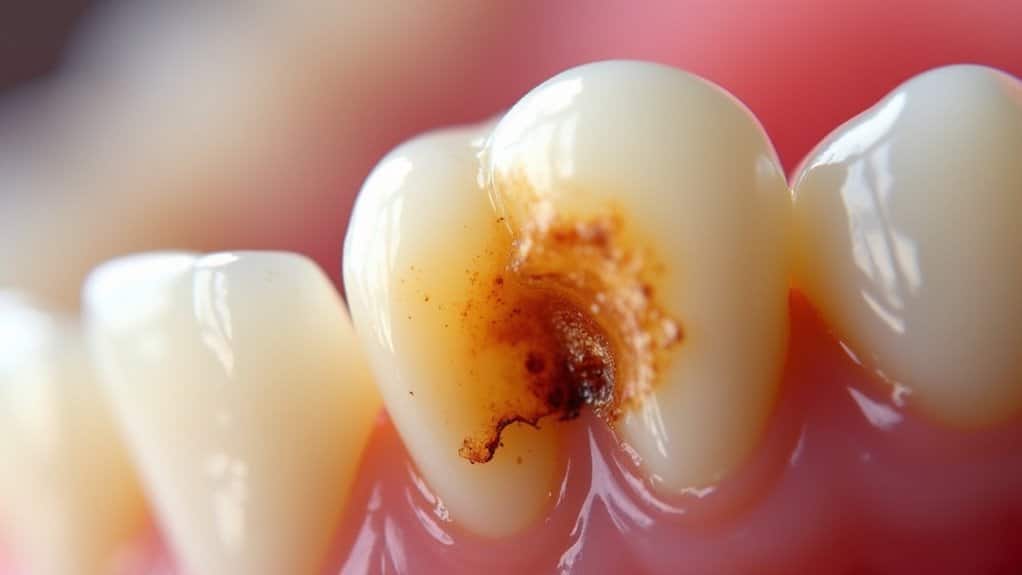
Alcohol damages your teeth through several interconnected mechanisms, each compounding the next. It reduces saliva production, eliminating the mouth’s natural defense against bacteria and acid. Without adequate saliva, plaque accumulates, lowering both plaque and salivary pH below the critical threshold that triggers enamel erosion.
Alcohol also metabolizes into sugar, feeding cavity-causing bacteria and accelerating tooth decay. Sugary cocktail mixers compound this effect by coating teeth with fermentable carbohydrates. Your oral health deteriorates further as acidic beverages like wine and beer repeatedly soften enamel, increasing sensitivity and discoloration.
Chronic alcohol use alters your oral microbiome, heightens inflammation, and weakens immune response, making gum disease harder to control. Heavy drinkers show a periodontitis prevalence of 89.61% compared to 78.67% in non-drinkers, confirming alcohol’s measurable impact on dental health. Beyond gum disease, heavy alcohol consumption significantly raises your risk of oral cancer, especially when combined with smoking. Chronic alcohol use alters your oral microbiome, heightens inflammation, and weakens immune response, making gum disease harder to control. While many ask does alcohol affect gut health, its impact on dental health is also clear, heavy drinkers show significantly higher periodontitis prevalence and face an increased risk of oral cancer, especially when combined with smoking.
How Alcohol Destroys Your Tooth Enamel
When you drink alcohol regularly, your tooth enamel faces direct chemical assault from acidic compounds present in most alcoholic beverages. Acid erosion occurs when pH levels drop below 5.5, triggering enamel demineralization and structural breakdown.
Regular alcohol consumption chemically assaults tooth enamel, dropping pH below 5.5 and triggering irreversible demineralization and structural breakdown.
Key mechanisms destroying your enamel include:
- Acidic beverages, wines, spirits, and champagne directly cause enamel erosion through prolonged acid contact
- Sugar synergy, cocktail mixers feed oral bacteria, accelerating dental caries and plaque buildup
- Demineralization, repeated acid exposure weakens enamel and dentin, forming cavities and increasing tooth decay risk
- Sipping habits, extended drink contact intensifies acid erosion, heightening tooth sensitivity
Even moderate consumption contributes to enamel loss. Discoloration, structural vulnerability, and sensitivity worsen progressively, making early preventive intervention clinically essential. Sugary mixers in cocktails compound the acidic damage, further accelerating enamel breakdown and decay.
Why Alcohol Causes Dry Mouth
Beyond enamel erosion, alcohol also disrupts oral health by reducing saliva production, a process tied directly to how alcohol interacts with your body’s fluid regulation and glandular function. Alcohol suppresses antidiuretic hormone, causing your kidneys to excrete excess fluid, which accelerates dehydration and limits water available for saliva production. Simultaneously, ethanol metabolizes into acetaldehyde, a compound that damages salivary glands by reducing acinar cells responsible for secreting saliva. This dual mechanism, systemic dehydration combined with direct glandular impairment, considerably reduces salivary flow rate. Acetaldehyde also triggers neurological thirst responses through the hypothalamus, intensifying dry mouth xerostomia beyond what dehydration alone produces. Without adequate saliva, your mouth loses its primary acid-neutralizing and antimicrobial defense, accelerating cavity formation, gum disease, and bacterial imbalance. Furthermore, chronic alcohol consumption can worsen these effects over time, making dry mouth symptoms increasingly severe and more difficult to manage with hydration alone.
How Alcohol Causes Tooth Decay
When you consume alcoholic beverages, the sugars and fermentable carbohydrates they contain feed acid-producing bacteria in your mouth, which then emit acids that weaken and erode your tooth enamel. Cocktails, alcopops, and other sugar-sweetened drinks create a compounded threat by combining high sugar content with direct acidity, accelerating enamel breakdown. Without adequate saliva to neutralize these acids and wash bacteria from tooth surfaces, the decay process intensifies, substantially raising your risk of cavities over time.
Sugar and Bacteria
Several types of alcoholic beverages contain fermentable sugars that oral bacteria, particularly *Streptococcus mutans*, convert into lactic acid through a process that directly attacks tooth enamel. The sugar content in alcoholic drinks fuels the acid production mechanism behind enamel erosion and plaque formation.
Key cariogenic effects include:
- Oral bacteria imbalance, frequent sugar exposure elevates acidogenic species, driving dysbiosis
- Acid erosion of enamel, plaque pH drops below 5.5, dissolving hydroxyapatite minerals
- Cariogenic bacteria proliferation, sucrose enables biofilm polysaccharide synthesis, blocking remineralization ions
- Continuous acid cycles, short intervals between drinks prevent enamel recovery, accelerating irreversible decay
When you drink frequently, your mouth stays acidic longer than natural remineralization can compensate, compounding structural damage over time.
Reduced Saliva Flow
Alcohol disrupts saliva production through multiple physiological pathways, and this reduction sits at the core of how drinking damages your teeth. It acts as a diuretic, dehydrating oral tissues while suppressing salivary gland function. Chronic consumption also interferes with hypothalamic hormone signaling, further diminishing saliva flow and destabilizing your oral microbiome.
Without adequate saliva, your mouth can’t neutralize acids, remineralize enamel, or wash away bacteria. This creates conditions where enamel erosion accelerates and tooth decay becomes increasingly likely. Dry mouth also allows harmful anaerobic bacteria to multiply unchecked, producing acids that attack enamel surfaces and compromise gum health over time.
To partially counteract reduced flow, you can chew sugar-free gum or drink water consistently after consuming alcohol, though professional dental evaluation remains essential for persistent symptoms.
Does Alcohol Cause Gum Disease?
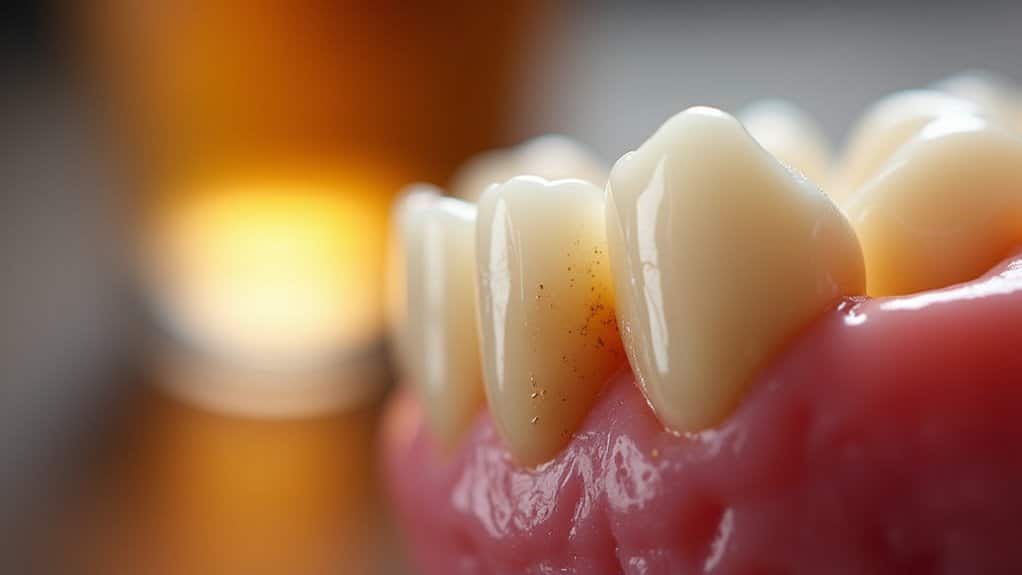
Gum disease represents one of the more serious oral health consequences linked to alcohol consumption, and research confirms that drinking disrupts the microbial environment in ways that directly promote its development.
Four evidence-based mechanisms connect alcohol to gingivitis and periodontitis:
- Microbiome disruption, An NYU study confirmed moderate and heavy drinkers show reduced beneficial bacteria, with one or more daily drinks producing harmful bacterial overgrowth.
- Dry mouth effects, Reduced saliva accelerates plaque accumulation along the gumline, feeding infection.
- Immune suppression, Heavy drinking impairs your body’s defense against periodontal infections, worsening tissue destruction incrementally.
- Poor hygiene habits, Drinkers show deeper gum pockets (≥4mm) and greater bleeding than nondrinkers.
Mediating health factors, including elevated BMI, glucose, and ALT, further amplify periodontal depth independently of hygiene practices.
Can Alcohol Cause Oral Cancer?
Beyond gum disease, alcohol’s effects on oral health extend to one of the most serious risks: oral squamous cell carcinoma (OSCC). Alcohol metabolism in saliva produces acetaldehyde, generating oxidative stress in oral tissues that damages DNA and promotes malignant transformation. These alcohol-related oral health problems compound existing issues like alcohol and enamel erosion and alcohol and dental plaque formation, creating environments where carcinogenesis accelerates.
The oral cancer risk scales directly with consumption. Light drinkers face 1.1 times baseline risk, while heavy drinkers face five times greater risk. Current consumers show OR=5.04 versus former consumers at OR=2.34. Alcohol increasing oral cancer risk becomes exponential when combined with tobacco, yielding OR=5.67, and dramatically worsens with betel chewing, reaching OR=27.54. Distilled beverages carry the highest independent association at OR=5.87.
Tooth Loss, Trauma, and Other Alcohol Risks
While oral cancer represents one of alcohol’s most severe consequences, the damage alcohol inflicts on teeth themselves is equally well-documented. Research confirms you’re at measurably higher risk across multiple oral health dimensions:
Beyond oral cancer, alcohol’s harm to teeth is measurable and well-documented across multiple dimensions of oral health.
- Tooth loss occurs at three times the national average among heavy drinkers, with each additional 1.1 daily drinks raising edentulism risk by 12%.
- Periodontal disease worsens incrementally with consumption frequency, increasing gum disease risk 18, 27% in regular male drinkers.
- Decayed teeth risks escalate significantly with wine consumption (OR=1.85), as alcohol metabolizes into sugar, feeding cavity-causing bacteria.
- Dry mouth and enamel erosion result from reduced saliva flow, while acidic beverages gradually thin enamel, heightening sensitivity.
Oral tissue irritation compounds these effects, accelerating gum health impacts over time.
How to Protect Your Teeth When You Drink
Protecting your teeth while drinking alcohol starts with one of the simplest interventions available: water. Consistent hydration and saliva production support are critical, since saliva’s protective function includes neutralizing oral acidity and clearing fermentable sugars from tooth surfaces. Drink water throughout consumption and prioritize post-consumption rinsing practices, swishing water or alcohol-free mouthwash removes residual acids and sugars effectively.
Brush twice daily using fluoride toothpaste; fluoride protection for enamel directly counters acid-driven mineral loss. Floss daily to eliminate interproximal plaque accumulation. Use a straw to minimize direct contact between acidic beverages and enamel, reducing the risk of tooth discoloration. Choosing lighter-colored beverages also limits staining.
Ultimately, reducing alcohol for oral health purposes remains the most clinically significant strategy. Moderate consumption combined with consistent hygiene practices substantially lowers your risk of decay, erosion, and periodontal disease. In addition to oral health, does alcohol affect joint pain has become a topic of interest for many individuals seeking relief from discomfort. Research suggests that alcohol can exacerbate inflammatory conditions, potentially leading to increased pain and swelling in joints. By moderating alcohol intake, individuals may find better management of their joint issues alongside other treatment strategies.
Frequently Asked Questions
Can Occasional Drinking Cause the Same Dental Damage as Heavy Drinking?
Occasional drinking doesn’t cause the same dental damage as heavy drinking. You’ll face slower enamel erosion, lower plaque accumulation, and reduced periodontal risk compared to chronic consumers. However, you’re still exposed to acid erosion and cavity-causing bacteria from sugary mixers. Heavy drinkers exhibit markedly higher decay rates and deeper gum pockets. Your risk level depends on both frequency and quantity, so maintaining good oral hygiene remains essential regardless of consumption pattern.
Does the Type of Alcohol Consumed Matter for Tooth Health?
Yes, the type of alcohol you consume absolutely matters for your tooth health. Wine’s high acidity erodes enamel, while red wine’s pigments cause staining. Beer’s fermentable carbohydrates feed cavity-causing bacteria. Cocktails with citrus mixers and sugary additives accelerate enamel breakdown and bacterial growth. Spirits reduce your saliva production and disrupt your oral microbiome. Each category presents distinct mechanisms of dental harm, so your specific drinking choices directly influence which oral health risks you’ll face.
Can Dental Damage From Alcohol Consumption Be Reversed or Repaired?
Some dental damage from alcohol can be repaired, but you can’t reverse all of it. Early enamel erosion may respond to fluoride treatments that remineralize weakened areas. For structural damage, your dentist can restore chipped or discolored teeth using bonding, veneers, or crowns depending on severity. If decay has reached the pulp, you’ll need a root canal. However, preventing further damage through improved oral hygiene and reduced alcohol consumption remains essential alongside any restorative treatment.
How Quickly Can Alcohol-Related Dental Problems Develop Over Time?
Alcohol-related dental problems can develop surprisingly fast. You’ll notice dry mouth within hours of drinking, and enamel erosion can begin within minutes of acid exposure. Gum irritation typically appears within weeks of regular use, while cavities and gingivitis often develop over months. With heavy, chronic consumption, you’re looking at considerable periodontal disease and tooth loss progressing over years. Early intervention greatly improves outcomes, so don’t delay consulting a dentist.
Does Alcohol Affect Children’s or Teenagers’ Dental Health Differently?
Yes, alcohol affects children’s and teenagers’ dental health more severely than adults’. Their developing enamel contains more microscopic pores, making acid penetration easier and erosion faster. You’ll also find that younger mouths naturally produce less saliva, amplifying alcohol’s drying effects and accelerating bacterial growth. Additionally, alcohol disrupts jaw formation and tooth alignment during critical developmental stages. Unlike adults, children can’t recover lost enamel, creating irreversible sensitivity and lifelong vulnerability to decay.