
Alcohol does affect your hair health, and the damage runs deeper than most people realize. It depletes critical nutrients like zinc, iron, and B vitamins that your follicles need to function. It elevates DHT, disrupts hormones, and triggers chronic cortisol spikes that push hair into a shedding phase. Even moderate excess can accelerate thinning over time. The full picture of how alcohol systematically dismantles your hair’s biology is worth understanding completely.
Does Alcohol Actually Cause Hair Loss?
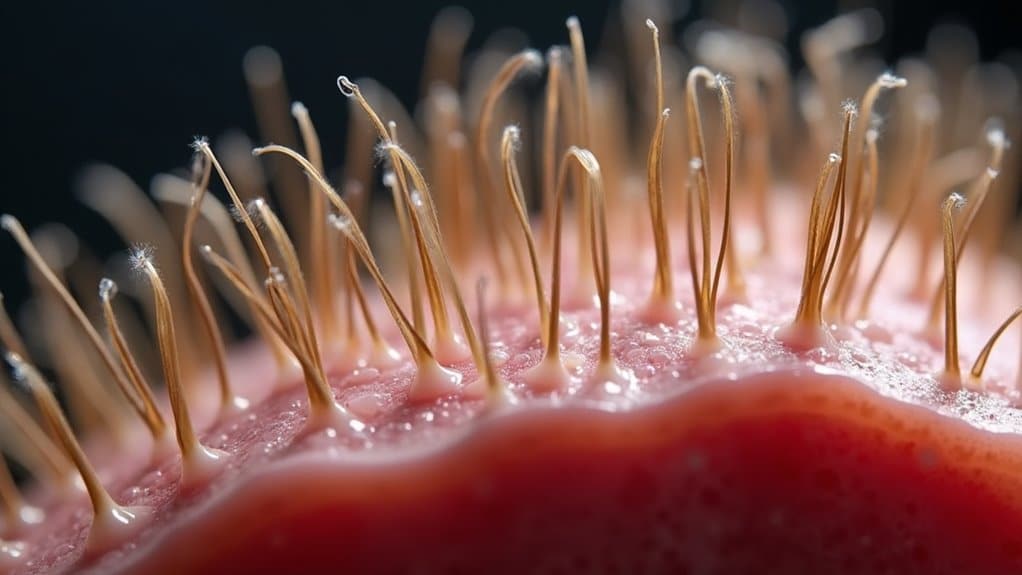
Alcohol doesn’t directly destroy hair follicles, but it can disrupt several biological systems that support healthy hair growth. When you drink heavily, you’re triggering nutrient deficiencies in zinc, iron, and B vitamins that weaken follicle function. Dehydration from alcohol‘s diuretic effect starves follicles of oxygen and essential nutrients, compromising scalp health at a cellular level.
Chronic drinking elevates cortisol, pushing follicles prematurely into the telogen phase and causing telogen effluvium, temporary but significant shedding. Hormonal imbalance from alcohol also affects androgen levels, potentially accelerating thinning in predisposed individuals. Additionally, alcohol metabolites generate inflammation and oxidative stress, creating conditions linked to scalp disorders like seborrheic dermatitis.
Scientific meta-analyses show a modest but inconsistent association between alcohol consumption and hair loss, suggesting it’s a contributing factor rather than a direct cause. Heavy drinkers who also smoke face worse compounded effects, as both habits simultaneously deplete nutrients and restrict blood flow to the scalp.
How Alcohol Disrupts Hair Growth at the Follicle Level
When alcohol enters your system regularly, it disrupts hair growth at the follicle level through several interconnected biological mechanisms. It elevates DHT by interfering with 5-alpha reductase, accelerating follicular miniaturization and worsening androgenetic alopecia. Simultaneously, liver function impairment reduces your body’s ability to activate zinc, iron, and B vitamins essential for keratin production, weakening structural hair integrity.
Oxidative stress from chronic alcohol use overwhelms antioxidant defenses, directly damaging follicular stem cells and disrupting growth cycles. Compromised circulation reduces oxygen and nutrient delivery to hair follicles, pushing them prematurely into the shedding phase. Scalp dehydration compounds this by creating a suboptimal environment for follicle regeneration.
These combined effects accelerate hair thinning and hair shedding, making consistent alcohol exposure a clinically significant threat to long-term hair health. Importantly, alcohol-related thinning is systemic in nature rather than genetic, meaning the underlying damage stems from disrupted biological processes rather than inherited follicular sensitivity.
Which Nutrients Does Alcohol Deplete: and Why Do They Matter for Hair?

Several nutrients critical to hair follicle function become depleted through regular alcohol consumption, and understanding which ones are affected explains much of the structural and cyclical damage alcohol causes to hair. Iron deficiency reduces oxygen delivery to follicles, accelerating shedding. Zinc deficiency impairs keratin production and links directly to telogen effluvium and alopecia areata. B vitamin deficiency, particularly biotin, folate, and B12, disrupts red blood cell formation and cellular repair essential for hair follicle health. Protein deficiency reduces amino acid availability, weakening keratin synthesis and hair shaft integrity. Copper deficiency further compromises follicle strength and pigmentation enzyme function. Alcohol-induced malnutrition stems primarily from impaired gut nutrient absorption and liver dysfunction, compounding alcohol-related hormonal changes that destabilize the growth cycle. Together, these deficiencies create compounding biological conditions that systematically undermine your hair’s structural foundation. Gut lining inflammation caused by excess alcohol simultaneously alters the microbiota and slows gut motility, further reducing the body’s ability to absorb the very nutrients depleted by drinking.
How Much Alcohol Does It Take to Damage Your Hair?
Understanding which nutrients alcohol depletes clarifies the biological mechanism, but the more practical question is how much drinking it actually takes to trigger these effects. Research suggests moderate intake is unlikely to cause significant hair loss, but exceeding 14 units weekly in men measurably elevates androgenetic alopecia risk. Alcohol abuse accelerates this through multiple converging pathways: acetaldehyde toxicity disrupts scalp immunity, fatty liver disease impairs liver detoxification pathways, and toxin accumulation effects compound oxidative stress. Gut microbiota imbalance reduces nutrient absorption efficiency, while sleep disruption affects hair growth suppress the anagen phase. The alcohol-related stress on body systems elevates cortisol chronically, pushing follicles toward telogen. The alcohol and hair loss connection strengthens considerably once consumption becomes consistent and excessive, with alcohol metabolism producing cumulative cellular damage over time.
Can Hair Grow Back After You Stop Drinking?
Many people who reduce or stop drinking experience meaningful improvements in hair health, particularly when loss stems from nutritional deficiencies, dehydration, or elevated cortisol rather than permanent follicle damage. Alcohol abuse triggers telogen effluvium through nutrient depletion, impaired blood circulation, and chronic stress. Addressing these mechanisms directly supports follicle health and hair regrowth.
| Recovery Factor | Expected Benefit |
|---|---|
| Rehydration | Restores oxygen delivery to follicles |
| Nutritional therapy | Replenishes zinc, iron, B vitamins, collagen |
| Stress management | Lowers cortisol, stabilizes hair cycle |
| Improved circulation | Accelerates follicle reactivation |
You’ll typically notice quality improvements within two to three months. However, if substantial follicle damage occurred from prolonged dehydration, full regrowth remains unlikely. Genetic or scarring alopecia won’t reverse through sobriety alone.
Frequently Asked Questions
Does Alcohol-Related Hair Loss Affect Men and Women Differently?
Yes, alcohol-related hair loss affects you differently based on your sex. If you’re male, you’ll likely experience temple recession and crown baldness, as alcohol boosts DHT levels, accelerating androgenetic alopecia. If you’re female, you’ll typically develop diffuse thinning while retaining your frontal hairline, since alcohol disrupts estrogen metabolism and depletes iron. Both sexes face elevated cortisol and telogen effluvium, but your hormonal profile determines the specific pattern you’ll experience.
Can Occasional Drinking on Weekends Still Contribute to Hair Thinning?
Yes, occasional weekend drinking can still contribute to hair thinning over time. Even intermittent alcohol intake disrupts nutrient absorption, temporarily depleting biotin, zinc, and folate your follicles need for healthy growth. Binge drinking episodes spike cortisol and oxidative stress, potentially accelerating follicle damage by up to 40% when combined with other lifestyle factors. While moderate weekend consumption shows no significant direct correlation, cumulative disruptions can gradually compromise your hair’s growth cycle and structural integrity.
Which Alcoholic Beverages Are Least Harmful to Hair Health?
Low-ABV light beers and dry red wines are your least harmful options. Light beers cause minimal dehydration and some contain zinc and B vitamins that support hair follicles. Red wine’s resveratrol and polyphenols may counteract oxidative follicle damage. You’ll still face some nutrient depletion and hormonal disruption regardless of your choice. Moderate consumption, one drink daily for women, two for men, remains the strongest protective factor across all beverage types.
Does Alcohol Interact With Hair Loss Medications Like Finasteride or Minoxidil?
Alcohol can interact with finasteride, though minoxidil appears largely unaffected. If you drink heavily, you may worsen finasteride’s sexual dysfunction side effects, including erectile dysfunction and reduced libido. Heavy consumption exceeding 50g daily can also undermine finasteride’s broader therapeutic benefits. You’re generally safe drinking moderately, ideally staying under 14 units weekly. No direct evidence suggests alcohol interferes with topical minoxidil’s efficacy or absorption, making it the lower-risk option regarding alcohol interactions.
How Long Does Alcohol Need to Be Consumed Before Hair Damage Appears?
You can start experiencing hair damage within a few months of heavy drinking, as nutrient deficiencies and elevated cortisol levels disrupt your follicle cycle rapidly. Telogen effluvium-related shedding may become noticeable within 3, 6 months. With chronic heavy consumption, measurable thinning typically develops within 1, 2 years. Combined with smoking, you’ll expedite this timeline considerably, potentially reaching visible recession within 3, 5 years rather than a typical decade.