
Yes, alcohol directly affects your reproductive health, and the damage goes deeper than most people realize. It suppresses your hypothalamic-pituitary-gonadal axis, disrupts estrogen, testosterone, and progesterone balance, and accelerates reproductive aging in both sexes. Even moderate consumption reduces fecundability and compromises fertility treatment outcomes. In men, chronic intake shrinks testicular volume and limits testosterone synthesis. The clinical evidence spans every reproductive stage, from puberty through menopause, and what the research reveals will likely change how you think about drinking entirely. Yes, alcohol directly affects your reproductive health, and the damage goes deeper than most people realize. Looking at how does weed and alcohol affect your brain also helps explain these effects, as alcohol suppresses the hypothalamic-pituitary-gonadal axis, disrupts estrogen, testosterone, and progesterone balance, and accelerates reproductive aging in both sexes. Even moderate consumption reduces fecundability, compromises fertility outcomes, and in men, chronic intake can shrink testicular volume and limit testosterone synthesis.
What Alcohol Does to Male Hormone Levels

Alcohol’s effect on testosterone isn’t uniform, it shifts depending on how much you drink and how often. A single drink temporarily elevates testosterone levels by slowing alcohol metabolism in the liver, delaying hormonal breakdown. However, this rise reverses within hours. Alcohol’s effect on testosterone isn’t uniform, it shifts depending on how much you drink and how often. While some ask does alcohol affect eyesight, it’s also important to understand that a single drink can temporarily elevate testosterone by slowing liver metabolism and delaying hormonal breakdown, though this increase reverses within hours.
Chronic heavy drinking disrupts the hypothalamic-pituitary-gonadal axis by suppressing luteinizing hormone secretion, which directly limits Leydig cell stimulation and reduces testosterone synthesis. Drinking 200 grams of alcohol daily accelerates testosterone clearance while simultaneously impairing production. Heavy intake also damages testicular function structurally, shrinking testicular volume and reducing functional Leydig cell mass. Additionally, alcohol converts testosterone into estrogen, compounding the hormonal imbalance.
Moderate consumption, up to two drinks daily, shows no clinically significant long-term testosterone reduction. Genetic factors, including alcohol flush response, can lower your suppression threshold considerably. Research highlights that low testosterone levels are associated with reduced quality of life and an increased risk of early mortality in men.
How Alcohol Disrupts Reproductive Hormones From Puberty to Menopause
When you consume alcohol during puberty, you disrupt the hormonal signaling that governs reproductive development, potentially delaying onset, impairing bone health, and triggering early endocrine imbalances. During your fertile years, alcohol-dependent patterns can double FSH relative to LH, suppress estradiol and progesterone, elevate cortisol and prolactin, and produce anovulation or amenorrhea that measurably reduces fertility. Research involving women with alcohol dependence confirms that therapeutic endocrine interventions can restore hormonal balance and improve reproductive function following alcohol-induced disruption. These disruptions don’t stop at menopause, prior chronic alcohol exposure alters postmenopausal hormone profiles and can intensify vasomotor symptoms like hot flushes and night sweats, demonstrating that alcohol’s hormonal interference spans your entire reproductive lifespan.
Puberty Hormonal Disruption Effects
During puberty, alcohol disrupts the hypothalamic-pituitary-gonadal (HPG) axis, the hormonal pathway that drives sexual maturation, by suppressing pulsatile gonadotropin-releasing hormone (GnRH) secretion from the hypothalamus. This HPG axis suppression impairs FSH and LH release, causing gonadotropin inhibition that delays puberty onset and disrupts intraovarian regulatory systems, including IGF-1 and nitric oxide pathways.
| Mechanism | Effect | Population |
|---|---|---|
| HPG axis suppression | Delayed GnRH pulsatility | Adolescent females |
| Gonadotropin inhibition | Reduced LH/FSH signaling | Boys and girls |
| Intraovarian disruption | Decreased estradiol secretion | Prepubertal females |
Puberty onset delay quadruples in girls with prepubertal alcohol exposure. Menstrual cycle and post-pubertal effects persist into adulthood, altering estradiol, progesterone, and kisspeptin signaling with measurable long-term reproductive consequences. Alcohol dampens the stimulatory effects of the ovarian IGF-1 system while simultaneously increasing the inhibitory effects of the ovarian NO system, with both mechanisms combining to decrease estradiol secretion.
Alcohol’s Fertility-Age Connection
Throughout a woman’s reproductive life, alcohol disrupts hormonal regulation at every stage, from puberty through menopause, with effects that compound over time. As you age, your ovarian function naturally declines, and alcohol accelerates this process by diminishing ovarian reserve through reduced AMH, FSH disruption, and decreased antral follicle counts.
Your infertility risk increases measurably with consumption levels. Consuming just 140g weekly multiplies your infertility risk by 1.6, while drinking exceeding 84g weekly reduces IVF pregnancy success by 7%. Hormonal imbalance worsens with age-related fertility decline because alcohol simultaneously elevates estrogen while suppressing progesterone, compressing your already-narrowing conception window.
Heavy, long-term alcohol use accelerates reproductive aging by impairing folliculogenesis and reducing oocyte quality, leaving fewer viable eggs as you approach perimenopause. These effects aren’t reversible simply by moderating intake later.
Menopause Hormonal Shifts Triggered
Alcohol disrupts reproductive hormones across every stage of a woman’s life, from puberty through menopause, compounding dysfunction in the hypothalamic, pituitary, ovarian (H-P-O) axis with each passing decade. During menopause, alcohol-related hormonal changes accelerate ovarian decline, dropping estrogen, progesterone, and testosterone while intensifying hot flashes and sleep disturbances. These shifts worsen outcomes for women already managing menstrual cycle irregularities or ovulation disruption from prior chronic exposure.
| Menopausal Effect | Alcohol Influence |
|---|---|
| Early menopause onset | Regular intake accelerates timing |
| Hot flash severity | Intensified post-perimenopause |
| Hormone therapy efficacy | Reduced by alcohol interference |
Alcohol and female fertility problems compound across decades, and disrupted hormonal environments during pregnancy elevate premature birth risk. Reducing intake remains clinically advisable at every reproductive stage.
What Alcohol Does to Female Menstrual Cycles
The female menstrual cycle depends on precisely timed hormonal signals coordinated between the hypothalamus, pituitary gland, and ovaries, and alcohol can disrupt this coordination at multiple points. Alcohol elevates estrogen levels, stimulating thicker uterine lining growth and producing heavier menstrual flow. This hormonal imbalance also raises prostaglandin concentrations, intensifying uterine contractions and worsening cramps. Long-term heavy drinking can cause irregular periods or amenorrhea by altering the hypothalamic-pituitary-ovarian axis. Your menstrual cycle phase further influences alcohol’s impact: follicular phase estrogen rises correlate with increased drinking probability, while the luteal phase shows declining consumption patterns. Dehydration compounds these effects by intensifying cramping. Moderate alcohol consumption likely produces fewer cycle disruptions, though research findings remain mixed across cycle phases and individual presentations.
Does Alcohol Affect Female Fertility and Conception?
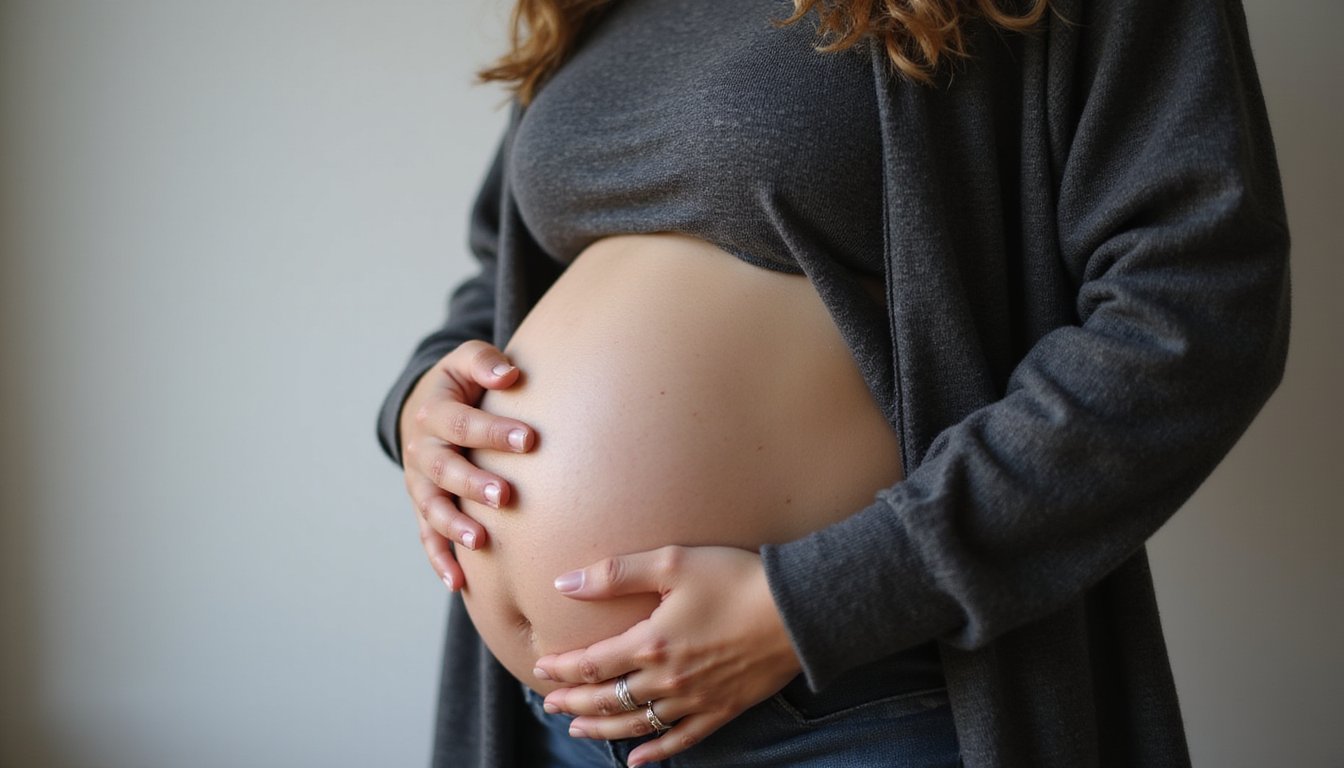
If you drink alcohol while trying to conceive, you’re directly reducing your chances of successful ovulation and fertilization, with heavy intake (≥14 servings/week) linked to an 18% decrease in fecundity. Heavy drinking disrupts the hormonal signals your ovaries need to release a viable egg, increasing your risk of anovulation and oligoovulation across all phases of your menstrual cycle. If you’re pursuing fertility treatments, evidence strongly supports avoiding alcohol entirely, as even low-to-moderate consumption carries measurable fecundability reductions that can compromise treatment outcomes.
Alcohol’s Impact on Ovulation
When alcohol enters the body, it disrupts the hormonal signals that regulate ovulation, potentially reducing a woman’s chances of conceiving. It interferes with estrogen and progesterone balance, destabilizing the menstrual cycle and impairing follicle development.
Key evidence-based findings include:
- Heavy drinking around ovulation is linked to a 61% reduction in pregnancy odds
- Binge drinking during the ovulatory phase carries a 41% reduction in conception probability
- Each additional binge day near ovulation reduces conception odds by 35%
- Alcohol-driven hormonal disruption can suppress egg release entirely during the fertile window
These statistics confirm that alcohol’s interference with fertility isn’t negligible. If you’re trying to conceive, understanding how alcohol compromises ovulation timing and hormonal regulation is clinically significant.
Heavy Drinking and Conception
Heavy drinking creates measurable disruptions across multiple stages of female fertility, from hormonal regulation through to implantation. Research shows heavy alcohol consumption drastically reduces conception likelihood at all points throughout your menstrual cycle. It compromises egg quality, increases chromosomal abnormalities, and generates oxidative stress that damages reproductive cell DNA, all factors directly reducing your fertility potential.
Alcohol also disrupts uterine lining integrity, interfering with successful embryo implantation even when fertilization occurs. If you’re trying to achieve pregnancy, heavy drinking elevates your miscarriage risk compared to abstaining or consuming minimal amounts. These aren’t isolated effects, alcohol systematically undermines reproductive health across interconnected biological processes. Evidence consistently demonstrates that heavy consumption creates compounding fertility obstacles, making conception and maintaining a viable pregnancy considerably more challenging. does drinking alcohol affect spirituality in ways that might further complicate one’s emotional and psychological well-being during this sensitive time. Engaging in heavy drinking could cloud an individual’s sense of self and connection to personal beliefs or practices. This disconnection may lead to challenges not only in reproductive health but also in finding inner peace and clarity amidst the stresses of trying to conceive.
Fertility Treatment and Alcohol
Alcohol measurably reduces female fertility and conception likelihood through several interconnected biological mechanisms. If you’re undergoing fertility treatment, alcohol‘s impact on your female reproductive system can compromise outcomes considerably.
- Hormonal disruptions: Alcohol elevates oestrogen, FSH, and LH while suppressing progesterone, destabilising the hormonal environment fertility treatments depend on.
- Ovulation and egg quality impacts: Alcohol interferes with egg release, reduces ovarian reserve, and increases chromosomal abnormalities in retrieved eggs.
- Fecundity reduction: Consuming ≥14 servings weekly decreases fecundity by 18%, directly undermining treatment success rates.
- Cycle phase sensitivity: Luteal phase drinking reduces conception likelihood by 44%, a critical window during assisted reproduction protocols.
UK clinical guidelines recommend complete abstinence from alcohol during fertility treatment to protect treatment efficacy and early fetal development.
How Much Alcohol Actually Lowers Your Chances of Conceiving?

Even low to moderate alcohol consumption can meaningfully reduce your chances of conceiving. Consuming just 1, 5 drinks per week decreases clinical pregnancy odds (OR 0.61, 95% CI 0.4, 0.93), demonstrating that your reproductive system faces measurable risk at relatively modest intake levels. Drinking 3, 6 drinks weekly during the luteal phase produces a 44% reduction in conception probability, indicating that timing amplifies alcohol’s hormonal effects on ovulation and fertility. At heavier consumption levels, exceeding 14 drinks per week reduces your likelihood of conceiving within 12 months by 18%, while more than 10 drinks weekly drops clinical pregnancy odds further (OR 0.34, 95% CI 0.22, 0.52). High consumers exceeding 140g weekly also face a 58% greater risk of requiring fertility treatment compared to moderate drinkers.
How Does Alcohol During Pregnancy Affect the Fetus?
When you consume alcohol during pregnancy, ethanol crosses the placenta rapidly and accumulates in amniotic fluid, where fetal swallowing intensifies exposure beyond maternal blood levels. Reduced fetal metabolic enzymes prolong fetal alcohol accumulation and prolonged exposure, causing damage across developing systems.
Placental and hemodynamic effects impair oxygen delivery, contributing to fetal hypoxia and microcephaly. Structural and organ development defects emerge between weeks 3, 16, affecting the neural tube, heart, liver, kidneys, and limbs.
- Growth and birth outcome risks include stillbirth, low birthweight, and intrauterine growth retardation
- Brain and neurodevelopmental impacts involve increased apoptosis, impaired neurogenesis, and epigenetic alterations from weeks 3, 8
- Binge drinking carries the highest risk of fetal damage
- Cognitive and behavioral deficits persist despite later growth normalization
Does Alcohol Cause Long-Term Damage to Fertility?
Fertility can suffer measurable, lasting harm from chronic alcohol use, with evidence drawn from human and animal studies pointing to disruptions across multiple reproductive pathways. In the male reproductive system, chronic intake elevates prolactin, suppresses testosterone, and stimulates aromatase activity, collectively impairing spermatogenesis and reducing sperm quality. Studies across multiple countries consistently link heavier consumption to lower sperm concentration, motility, and DNA integrity. Oxidative stress compounds this damage by promoting germ cell apoptosis and reducing DNA methyltransferase activity, increasing epigenetic transmission risks. In females, heavy use diminishes ovarian reserve and reduces live birth likelihood by approximately 16%. Regarding reversibility of sexual dysfunction, evidence indicates that reducing alcohol intake can relatively quickly restore hormonal signaling and sperm production, though chronic epigenetic modifications may persist.
Frequently Asked Questions
Can Alcohol Affect Reproductive Health Even With Occasional or Moderate Drinking?
Yes, even occasional or moderate drinking can affect your reproductive health. Research shows women consuming just 1, 5 drinks weekly have an odds ratio of 0.61 for conception, and moderate luteal-phase intake reduces conception chances by 44%. In men, alcohol disrupts testosterone signaling and sperm quality even at lower levels. It’s interfering with your hypothalamic, pituitary, gonadal axis, altering estrogen, progesterone, and testosterone balance, so reducing intake is advisable when you’re trying to conceive.
Does Alcohol Impact Fertility Differently Depending on a Person’s Biological Sex?
Yes, alcohol impacts your fertility differently based on your biological sex. If you’re female, it disrupts estrogen and progesterone levels, potentially causing irregular cycles, delayed ovulation, or suppressed ovulation altogether. If you’re male, it reduces your testosterone production, lowers sperm concentration, motility, and morphology, and causes oxidative stress that damages sperm DNA. Both sexes experience hypothalamic, pituitary, gonadal axis disruption, but the resulting reproductive consequences differ mechanistically depending on your physiology.
Can Fertility Recover Fully After Stopping Heavy Alcohol Consumption?
Yes, your fertility can recover after stopping heavy alcohol consumption, though outcomes vary. Research shows sperm parameters improve within 90 days of cessation, with counts rising from zero to 28, 34 million/mL within six months. You’ll likely see testosterone normalization as your hypothalamic, pituitary, gonadal axis restores function. However, morphology may remain suboptimal, and epigenetic effects can persist. Full recovery depends on consumption duration, overall health, and abstinence consistency.
Does Alcohol Affect Reproductive Health Outcomes When Consumed by Both Partners?
Yes, when both you and your partner consume 4 or more drinks weekly, you’re substantially reducing your chances of a live birth (OR 0.79). Your combined consumption creates compounding negative effects beyond individual drinking patterns. You’re disrupting testosterone, estrogen, and progesterone levels simultaneously, impairing sperm quality and ovulation. During fertility treatments, you’re facing dramatically higher failure rates, with women showing 2.86 times greater odds of not achieving pregnancy when both partners drink heavily.
Are Certain Types of Alcohol More Harmful to Reproductive Health Than Others?
Research doesn’t suggest that specific types of alcohol, beer, wine, or spirits, differ meaningfully in their harm to your reproductive health. What matters is the ethanol content and the quantity you consume. The reproductive disruptions, including hormonal imbalances, impaired sperm quality, and ovulatory dysfunction, stem from ethanol itself, not the beverage type. Tracking your total alcohol intake by standard drink equivalents is clinically more relevant than monitoring which type you’re consuming.