
Alcohol consumption produces distinct visible signs throughout your body. You’ll notice immediate effects like facial flushing, bloodshot eyes, and skin dryness, while long-term use manifests as spider veins, jaundice, and premature wrinkles. Your appearance may show weight fluctuations, facial puffiness, and deteriorating skin texture. These external changes often signal internal health impacts, from liver dysfunction to cardiovascular issues. Understanding these physical markers can help you identify potential alcohol-related concerns.
If cutting back keeps not working, alcohol treatment with a licensed team gives you a plan, a therapist and medication when it fits.
Physical Changes in Facial Features and Skin
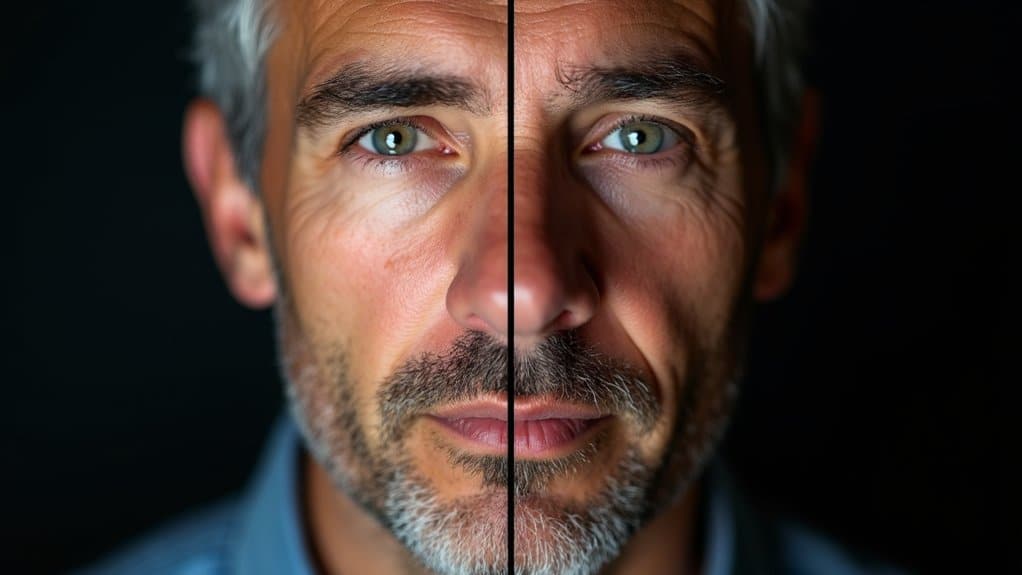
Alcohol’s impact on facial features manifests through multiple pathways of cellular and vascular disruption. When you drink, your skin texture undergoes significant deterioration as alcohol’s diuretic effects strip essential fluids and nutrients. You’ll notice increased dryness, accelerated wrinkle formation, and a dull, greyish complexion. Consistent consumption of alcohol can lead to rosacea flare-ups that cause visible redness and inflammation. The development of spider veins across facial areas occurs from repeated trauma to blood vessels.
Facial puffiness becomes prominent, particularly around your cheeks and eyes, due to disrupted fluid balance and inflammatory responses. Your blood vessels dilate and contract repeatedly, leading to persistent redness and broken capillaries. You’ll experience premature aging markers like collagen breakdown, resulting in reduced elasticity and sagging skin. The depletion of crucial antioxidants, including vitamins A, C, and E, compromises your skin’s repair mechanisms. In severe cases, liver-related complications may cause yellowing of the skin and uneven pigmentation. Those who experience dry, itchy patches may develop worsened eczema symptoms due to alcohol consumption.
Eye-Related Symptoms and Manifestations
When consumed regularly, alcohol triggers a cascade of visible ocular manifestations that signal both acute and chronic physiological disruption. You’ll notice immediate eye redness and bloodshot appearance due to dilated blood vessels, while your vision becomes increasingly blurred from impaired muscle coordination. Your pupils may react slower to light, and you could experience persistent dry eyes from dehydration. Those struggling with addiction often display neglect of hygiene alongside these eye-related symptoms. Mental health issues and addiction often manifest through chronic red eyes that persist even between drinking episodes. Heavy drinkers frequently attempt to hide their eyes behind sunglasses to conceal these symptoms.
Long-term alcohol use can lead to more severe complications, including yellowish sclera indicating liver dysfunction, spider-like blood vessels across your eyes, and potential development of cataracts. You’re also at higher risk for glaucoma and macular degeneration. The most concerning symptoms include involuntary eye movements, double vision, and possible permanent vision loss if alcohol consumption continues unchecked. These signs often worsen progressively without intervention.
Weight Fluctuations and Body Composition Changes

Despite common assumptions about alcohol leading to weight gain, research reveals complex gender-specific patterns in body composition changes. Your consumption patterns greatly influence how alcohol affects your weight maintenance and body composition. With alcohol containing 7 calories per gram, careful monitoring of intake becomes essential for weight management. Free radicals generated from chronic alcohol use can damage cellular structures and contribute to inflammation. Individual genetic factors influence how alcohol impacts your weight gain potential.
The relationship between alcohol and weight isn’t straightforward how and what you drink matters more than common beliefs suggest.
Key impacts on your body include:
- Light to moderate drinking may protect against weight gain, particularly if you’re female, with women consuming ≥1 drink/day weighing 2.3 kg less than nondrinkers
- Your drinking frequency matters more than quantity, as regular light consumption shows better outcomes than binge drinking
- You’ll likely experience different effects based on beverage choice, with beer contributing more calories than wine
- Excessive intake (>20 drinks/week) disrupts your body’s fat metabolism, leading to increased adiposity and altered body composition
Understanding these patterns helps you make informed decisions about alcohol consumption and its impact on your weight management goals.
External Signs of Internal Health Problems
Beyond weight-related changes, regular alcohol consumption manifests through visible signs that signal underlying health concerns. Your skin serves as a primary indicator, displaying problems like flushing, spider veins, and jaundice. Chronic drinking disrupts vascular function, leading to visible blood vessel dilation, particularly on your face and chest. You’ll notice swelling in your extremities, especially legs and ankles, due to compromised circulation. These external manifestations often accompany internal organ dysfunction, particularly liver damage. Watch for persistent skin conditions like rosacea flare-ups or unexplained bruising, which indicate systemic inflammation. Even subtle changes, such as dark under-eye circles or puffy facial features, can reveal dehydration and nutritional imbalances caused by regular alcohol use. Long-term alcohol abuse often leads to sores and infections as the immune system becomes increasingly compromised. Heavy drinkers frequently develop a characteristic puffy appearance due to alcohol-induced fluid retention in facial tissues. Excessive drinking can lead to poor coordination as alcohol interferes with brain communication pathways.
Behavioral and Appearance-Related Indicators

Regular alcohol consumption manifests through distinctive behavioral patterns and physical alterations that signal dependence. You’ll notice significant changes in personal presentation and daily habits, particularly behavioral neglect and grooming decline, which often indicate progressive alcohol use.
Key observable indicators include:
- Deterioration in basic hygiene practices, including irregular bathing and dental care
- Significant weight fluctuations coupled with poor eating habits
- Persistent facial redness and spider veins, especially around the nose and cheeks
- Visible fluid retention causing facial puffiness and abdominal bloating
These physical manifestations often coincide with decreased attention to appearance and self-care. Long-term drinking often leads to liver damage symptoms that present as a yellow tinge to the skin. You’ll typically observe a combination of these signs rather than isolated symptoms, as alcohol’s effects on the body are systemic and progressive.
Frequently Asked Questions
How Long Does It Take for Alcohol-Related Physical Changes to Become Permanent?
Your body’s permanent effects from alcohol develop gradually, typically over years of sustained heavy drinking. You’ll face irreversible damage when your liver fibrosis exceeds 90%, alcohol metabolism fails, or organ function drops below 50%. Chronic conditions like cirrhosis and permanent nerve damage emerge after prolonged exposure. If you experience repeated cycles of abstinence and relapse, you’ll accelerate these permanent changes, potentially reducing the timeline to months instead of years.
Can Alcohol-Induced Facial Redness Be Reversed After Stopping Drinking Completely?
Yes, you can reverse alcohol-induced facial redness after cessation, but the timeline varies based on your genetic factors and drinking history. Within hours to days, your skin hydration will improve as dehydration subsides. While temporary flushing typically resolves quickly, chronic issues like broken capillaries may require months to heal. If you have the ALDH2 enzyme deficiency, you’ll experience faster improvement with complete abstinence, though the genetic predisposition to flushing remains.
Do Different Types of Alcohol Cause Different Visible Symptoms?
You won’t see considerably different visible symptoms based on alcohol type alone. While wine effects may include heightened flushing in sulfite-sensitive individuals, and cocktail reactions might cause increased puffiness due to sugar content, the core visible changes remain consistent. Beer symptoms and spirits impact your body through the same biological mechanisms. It’s primarily the alcohol content and total consumption that determines severity, not the specific beverage type.
At What Age Do Alcohol-Related Physical Changes Typically Become Most Noticeable?
You’ll notice alcohol-related physical changes becoming most prominent in your 30s and 40s, though early damage from teenage drinking can accelerate aging effects. Visible manifestations typically intensify after 10-15 years of consistent alcohol use. You’ll observe more pronounced facial changes, including broken capillaries and skin discoloration, during your mid-30s. By your 40s, you’ll likely experience compounded symptoms, particularly if you began drinking in adolescence.
How Quickly Can Visible Signs Improve After Reducing Alcohol Consumption?
You’ll notice initial improvements within days of reducing alcohol intake. Your skin hydration typically enhances within 1-2 weeks as dehydration subsides, leading to reduced puffiness and better complexion. Liver function begins normalizing after 4-6 weeks, reflected in decreased facial redness and improved skin tone. Within 3-6 months, you’ll experience significant visible changes including stabilized weight, clearer eyes, and reduced bloating as your body’s metabolic processes rebalance.