Hangxiety occurs when your brain rebounds from alcohol’s sedative effects. While drinking, alcohol boosts GABA (your calming neurotransmitter) and suppresses glutamate (your excitatory one). Once alcohol leaves your system, your brain overcorrects, GABA drops and glutamate surges, triggering racing thoughts, shakiness, and intense worry. Dehydration and disrupted sleep compound these effects. Symptoms typically peak within 12-24 hours and resolve within a day. Understanding the neurochemistry behind hangxiety can help you manage and prevent it.
What Is Hangxiety and Why Does It Feel So Intense?

When you wake up after a night of drinking with your heart racing, your mind replaying every conversation, and a sense of dread you can’t quite explain, you’re likely experiencing hangxiety, a term that combines “hangover” and “anxiety” to describe the psychological distress that follows alcohol consumption.
This isn’t simply feeling nervous. Hangxiety involves measurable chemical changes in your brain that trigger symptoms including shakiness, racing thoughts, and overwhelming worry. Alcohol initially boosts calming neurotransmitters, but as your body metabolizes it, these levels crash drastically. Your brain then releases cortisol, amplifying stress and depression while disrupting sleep quality. Dehydration also contributes to these uncomfortable symptoms by affecting your body’s overall functioning.
Approximately 22% of drinkers report anxiety during hangovers. The intensity stems from what researchers describe as “mini withdrawal,” where neurotransmitter rebound profoundly impacts your mental wellbeing. Individuals with pre-existing anxiety disorders are particularly susceptible to experiencing more severe hangxiety symptoms. These symptoms can persist for several to 14 hours, varying in severity from person to person depending on individual factors and drinking habits.
Hangxiety vs. Alcohol Withdrawal: Know the Difference
You can distinguish hangxiety from alcohol withdrawal by examining when symptoms appear and how long they last, hangxiety typically peaks within 24 hours of drinking and resolves on its own, while withdrawal symptoms emerge 6 to 24 hours after your last drink and can persist for days or weeks. The severity also differs tremendously: hangxiety causes uncomfortable but manageable feelings of dread and anxiety, whereas withdrawal can escalate to life-threatening conditions including seizures, hallucinations, and delirium tremens. If your symptoms intensify beyond 24 hours or include tremors, rapid heartbeat, and profuse sweating, you’re likely experiencing withdrawal rather than hangxiety and should seek medical evaluation.
Timing and Duration Differences
Although hangxiety and alcohol withdrawal share overlapping symptoms like anxiety and restlessness, their timelines differ noticeably and serve as key diagnostic markers.
When you experience post drinking anxiety, you’ll notice symptoms emerge within 12-24 hours after a single heavy drinking session. Your hungover anxiety typically resolves within one day as your body clears the alcohol. Being dehydrated amplifies this alcohol anxiety next day, while lowered inhibitions may fuel regret and worry.
Key timing distinctions:
- Hangxiety peaks at 12-24 hours; withdrawal peaks at 24-72 hours
- Your hangover-related anxiety resolves in under 24 hours
- Withdrawal’s acute phase spans 5-7 days
- Hangxiety follows occasional binge drinking; withdrawal follows chronic use
- Withdrawal carries seizure risks at 48-72 hours; hangxiety doesn’t
Severity of Symptoms
Both hangxiety and alcohol withdrawal share a core cluster of symptoms, shakiness, nausea, sweating, headache, and anxiety, yet they differ dramatically in intensity and clinical risk.
With hangxiety, you’ll experience milder manifestations: fatigue, racing thoughts, and generalized dread that resolve within 24 hours. Your symptoms remain uncomfortable but manageable with rest and hydration.
Withdrawal, however, escalates dangerously. You may develop rapid heartbeat, heightened blood pressure, agitation, and hallucinations. Severe cases progress to paranoia, fever, and seizures. Delirium tremens occurs in 3-5% of withdrawal cases and proves life-threatening without medical intervention.
The distinction matters clinically. Hangxiety symptoms represent a temporary neurochemical rebound. Withdrawal indicates physical dependence requiring supervised detoxification. If your symptoms intensify rather than improve, or include confusion and seizures, seek immediate medical attention.
How to Calm Hangxiety When It Hits
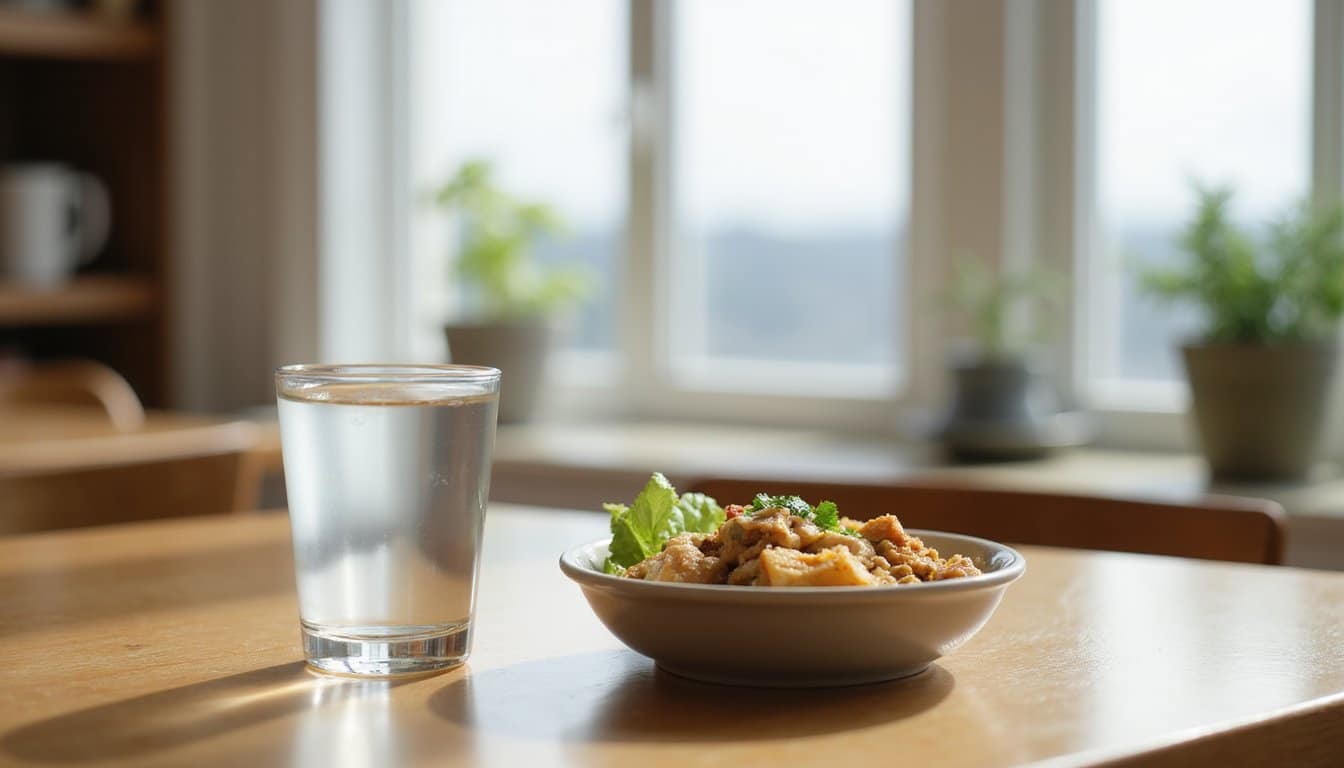
When hangxiety strikes, you can take immediate steps to stabilize your body’s chemistry and calm your nervous system. Targeted hydration, specific nutritional choices, and evidence-based grounding techniques work together to counteract the neurochemical imbalance alcohol has created. Prioritizing rest and recovery allows your brain to restore GABA function and reduce the glutamate surge driving your anxiety symptoms.
Hydration and Nutrition Tips
Rehydrating your body is one of the most effective interventions for reducing hangxiety symptoms. Research indicates that consuming fewer than two glasses of water daily doubles your risk of depression and anxiety compared to five or more glasses. Since alcohol acts as a diuretic, your brain shrinks, triggering headaches and mood disturbances that intensify anxious feelings.
For ideal recovery, implement these evidence-based strategies:
- Drink one glass of water between each alcoholic beverage during consumption
- Consume electrolytes through sports drinks to replenish depleted minerals
- Eat protein and healthy fats to stabilize blood sugar levels
- Include nutrient-dense foods rich in vitamins for mental health support
- Consider magnesium or B vitamin supplements after consulting your doctor
Nutrition plays a critical role since low blood sugar causes shakiness and irritability, mimicking anxiety symptoms.
Grounding Techniques That Work
Although physical interventions like hydration and nutrition address the biological components of hangxiety, you’ll often need immediate psychological strategies to manage acute anxiety symptoms as they occur.
The 5-4-3-2-1 sensory technique activates your parasympathetic nervous system, reducing anxiety within 3-5 minutes by anchoring your mind to present stimuli. Rhythmic movement practices, including walking while counting steps or finger tapping, reset your nervous system and decrease panic intensity by 23% after just three minutes.
When emotional overwhelm peaks, the mental categories exercise redirects cognitive resources from anxiety centers to logical processing areas. Tactile and texture grounding through varied temperatures or textured objects overrides anxiety signals effectively. Deep breathing methods synchronize brain waves for improved regulation.
These evidence-based tools support immediate symptom management and complement drink-free lifestyle strategies for long-term resilience.
Rest and Recovery Essentials
Beyond immediate grounding techniques, your body requires targeted physiological support to resolve hangxiety‘s underlying biochemical disruptions.
Core Recovery Protocols:
- Hydration: Drink water consistently, research links inadequate intake to doubled anxiety risk. Skip coffee; caffeine exacerbates dehydration and jitteriness.
- Sleep: Alcohol suppresses REM sleep, elevating cortisol. Prioritize rest to stabilize your nervous system and improve sleep quality.
- Nutrition: Choose complex carbohydrates like sweet potatoes and quinoa to prevent glucose crashes that fuel anxiety.
- Movement: Engage in 20, 30 minutes of gentle activity, yoga or walking, to boost endorphins and support detoxification.
- Professional intervention: Cognitive behavioral therapy addresses underlying anxiety patterns. Support groups provide accountability for modifying drinking behaviors.
If hangxiety persists beyond 24 hours or disrupts daily functioning, consult a healthcare provider for thorough evaluation.
What’s Happening in Your Brain After Drinking?
When alcohol enters your bloodstream, it triggers a cascade of neurochemical changes that directly affect your mood, cognition, and emotional regulation. Initially, your dopamine system floods reward centers, creating euphoria. Simultaneously, alcohol suppresses your amygdala, temporarily reducing stress responses.
However, once alcohol clears your system, rebound effects emerge. Your amygdala becomes hyperactive, driving emotional hyperactivity that manifests as intense anxiety, shame, and guilt. Your prefrontal cortex, responsible for impulse control and decision-making, remains impaired, leaving you unable to regulate these overwhelming emotions effectively.
Meanwhile, your hippocampus struggles with memory consolidation, potentially creating gaps that fuel next-day worry. Your cerebellum’s coordination functions recover slowly, contributing to physical unease. This neurological disruption explains why hangxiety feels so all-encompassing, multiple brain systems are simultaneously dysregulated.
The GABA-Glutamate Imbalance Behind Hangxiety
While the previous section outlined broad neurological disruption, the GABA-glutamate imbalance represents the core mechanism driving hangxiety’s intensity. When you drink alcohol, it artificially boosts GABA while suppressing glutamate, creating temporary calm. Your brain compensates by downregulating GABA receptors and priming glutamate pathways.
During withdrawal, this rebound triggers neurochemical whiplash:
- Your GABA production drops, eliminating natural anxiety buffering
- Glutamate surges dramatically as alcohol exits your system
- The anterior cingulate cortex shows measurable imbalance via spectroscopy
- Hyperactive excitatory signals overwhelm suppressed inhibition
- Anxiety, rumination, and emotional dysregulation emerge from this neurotransmitter chaos
This imbalance in your anterior cingulate cortex, critical for emotional regulation, explains why hangxiety outlasts physical symptoms. The glutamate spike primes your brain for panic and hypersensitivity, while depleted GABA can’t counter the excitatory overdrive, prolonging your distress.
Physical Factors That Fuel Hangxiety
The neurochemical chaos described above doesn’t occur in isolation, it unfolds alongside a cascade of physical stressors that independently trigger and amplify anxiety symptoms. Your body’s inflammatory response activates proinflammatory cytokines, while heightened stress hormones like cortisol persist well into the following day.
| Physical Factor | Anxiety-Triggering Symptoms |
|---|---|
| Dehydration | Headaches, dizziness, rapid heartbeat |
| Sleep Disturbances | Tiredness, irritability, heightened stress |
| Blood Sugar Fluctuations | Shakiness, mood swings, poor concentration |
Dehydration forces your cardiovascular system to compensate, producing a racing heart that mimics panic. Sleep disturbances prevent restorative rest, leaving you cognitively vulnerable. Blood sugar fluctuations cause tremors and sweating, symptoms you can’t distinguish from anxiety itself. These overlapping physical mechanisms create a feedback loop where bodily discomfort intensifies psychological distress.
Why Some People Get Hangxiety More Than Others
Not everyone emerges from a night of drinking with the same level of psychological distress, individual vulnerability factors determine who’s most susceptible to hangxiety. Not everyone emerges from a night of drinking with the same level of psychological distress, individual vulnerability factors determine who’s most susceptible to hangxiety. This variability also explains why people often ask do alcoholics feel guilty, as heightened emotional sensitivity and neurochemical fluctuations can intensify feelings of regret or shame after drinking.
Research identifies five key risk categories:
- Preexisting anxiety disorders: You’re more vulnerable if you have baseline anxiety, with panic disorder greatly prolonging symptoms
- Personality traits shyness: Highly shy individuals show marked anxiety increases after social drinking, linking to alcohol use disorder symptoms
- Demographic factors: Women and young adults with anxiety sensitivity face heightened risk
- Emotional regulation resilience: Poor emotional wellbeing and avoidant coping styles intensify hangover distress
- Behavioral psychosocial factors: Stress-related drinking patterns and acting against your values while intoxicated trigger regret and overthinking
Your emotional regulation resilience particularly matters, if you struggle managing difficult emotions sober, you’ll likely experience amplified hangxiety.
How Long Hangxiety Lasts
Everyone experiencing hangxiety wants to know when it’ll end, and the timeline follows a predictable pattern. For most individuals, symptoms persist 12, 48 hours, matching typical hangover duration. Your anxiety peaks when blood alcohol reaches zero, typically 6, 12 hours after your last drink.
The timeline breaks down clinically: racing thoughts dominate the first six hours, restlessness intensifies between 6, 12 hours, and peak anxiety with physical symptoms occurs at 12, 24 hours. By 24, 48 hours, you’ll notice gradual mood improvement.
Several factors influence duration. Poor sleep, dehydration, and inadequate nutrition prolong symptoms. If you’ve got a history of anxiety, expect persistent effects extending to 48, 72 hours. Heavy drinking or multiple consecutive nights out can push recovery beyond the standard timeline. Seek professional evaluation if symptoms continue past 72 hours.
How to Prevent Hangxiety Before Your Next Drink
Prevention offers the most effective strategy against hangxiety, and it starts before you take your first sip. Clinical evidence shows that mindful drinking habits considerably reduce morning anxiety symptoms.
Prevention beats the cure, mindful drinking habits before your first sip can dramatically reduce next-day anxiety.
Key prevention strategies:
- Limit intake: Set a two-drink maximum and avoid bingeing, which prevents tolerance buildup
- Eat beforehand: Consume a light meal to slow alcohol absorption
- Alternate beverages: Drink water between alcoholic drinks to rehydrate effectively
- Pace yourself: Space drinks to minimize brain chemistry disruption
If you use alcohol to navigate social situations, consider healthier alternatives. Regular mindfulness and meditation practice builds anxiety resilience without chemical dependence. Light exercise before social events naturally boosts confidence and reduces stress. These evidence-based approaches address underlying anxiety patterns rather than masking them with alcohol, breaking the hangxiety cycle at its source.
Your Recovery Journey Begins Here
Alcohol addiction can turn your life upside down for you and everyone who loves you, but healing is always possible. At Alcohol Awareness, we are committed to helping you discover the right Alcohol Recovery Programs to rebuild your life and embrace a brighter tomorrow. Call (855) 955-0771 today and make the decision that could transform your life.
Frequently Asked Questions
Can Hangxiety Cause Panic Attacks Even if I’ve Never Had One Before?
Yes, hangxiety can trigger your first panic attack even without prior history. Alcohol withdrawal disrupts your central nervous system, causing heightened heart rate, shakiness, and cortisol spikes that mimic and induce panic symptoms. You’re particularly vulnerable if you’re naturally shy, have undiagnosed anxiety, or use alcohol to cope socially. Research shows repeated withdrawal cycles lower your panic threshold, enabling attacks in previously unaffected individuals. These episodes typically last 5-30 minutes and feature chest tightness, breathlessness, and intense dread.
Does Mixing Different Types of Alcohol Make Hangxiety Worse?
No direct scientific evidence proves mixing alcohol types worsens hangxiety compared to drinking one type. What matters most is your total alcohol consumption. However, mixing drinks makes tracking your intake harder, often leading to overconsumption. Dark liquors contain more congeners, fermentation byproducts that intensify hangover symptoms. Carbonated mixers accelerate alcohol absorption, while sugary mixers cause blood sugar crashes. These factors collectively amplify the neurochemical imbalance that triggers your post-drinking anxiety.
Will Eating Before Drinking Reduce My Chances of Experiencing Hangxiety?
Yes, eating before drinking can reduce your chances of experiencing hangxiety. Protein-rich foods like eggs and Greek yogurt slow stomach emptying, while fiber-rich options like bananas delay alcohol absorption into your bloodstream. Complex carbohydrates in sweet potatoes help stabilize blood sugar levels, preventing the crashes that worsen anxiety symptoms. You’ll want to avoid refined carbs and sugary foods, which cause rapid digestion and blood sugar fluctuations that can intensify hangover-related anxiety.
Can Supplements or Vitamins Help Reduce Hangxiety Symptoms the Next Day?
Yes, certain supplements may help reduce hangxiety symptoms. B vitamins (B1, B6, B12) replenish nutrients depleted by alcohol and support brain function. L-cysteine at 600mg has shown effectiveness in reducing stress and anxiety in controlled studies. L-theanine boosts calming neurotransmitters like GABA and serotonin. However, you should note that robust clinical evidence remains limited for many hangover supplements, so they’re best combined with proper hydration and rest.
Is Hangxiety a Sign I Should Stop Drinking Alcohol Completely?
Hangxiety alone doesn’t automatically mean you need to quit entirely. However, you should consider stopping if you’re experiencing persistent guilt, shame, or paranoia about your behavior while drinking. Watch for warning signs like using alcohol to self-medicate existing anxiety, needing more drinks to feel calm, or noticing impaired daily functioning. If you’re repeatedly drinking despite negative consequences, that pattern suggests you’d benefit from cessation or professional evaluation.