Alcohol doesn’t just blur your thoughts temporarily, it quietly dismantles your inner architecture. It dulls the self-awareness that keeps you aligned with your values, numbs the emotional signals guiding you toward purpose, and weakens your capacity for genuine reflection. Even occasional drinking reactivates unconscious patterns, eroding the mindfulness you’ve carefully cultivated. Understanding how alcohol affects spiritual health reveals the spiritual costs run deeper than most people realize, and what research reveals about recovery may completely change how you see your relationship with alcohol.
What Alcohol Actually Does to Your Spiritual State?

When you drink, alcohol doesn’t just loosen your muscles or blur your vision, it reaches directly into the brain systems that shape how you reflect, decide, and connect with what matters most to you.
As your prefrontal cortex slows down, reduced self-control takes over, and decreased mindfulness awareness follows quickly. You’re less able to pause, reflect, or act in ways that align with your values. That loss of personal values alignment can feel subtle at first, but it accumulates.
Emotional numbing sets in, dulling the inner signals that typically guide you toward purpose and meaning. Spiritual disconnection grows quietly in that space. Afterward, guilt and shame after drinking can surface, not as moral failure, but as your deeper self recognizing the gap between who you are and how you acted.
Research supports this connection in measurable terms, a meta-analysis of 55 longitudinal studies found that spirituality is associated with a 13% protective reduction in harmful alcohol and other drug use outcomes.
Why Even Occasional Drinking Carries Spiritual Costs?
Even a single drink can lower your spiritual vibrations, disrupting the inner awareness you’ve worked to cultivate. Research suggests that occasional overindulgence, even once a week, creates meaningful setbacks in emerging consciousness, temporarily reactivating unconscious patterns you may have been actively transcending. If you’re on a path of spiritual growth, what feels like harmless social drinking can quietly erode the presence, clarity, and emotional balance that sustain your deeper sense of purpose. Studies have found that spiritual awakening predicts improved drinking outcomes, suggesting that protecting your spiritual development is not only personally meaningful but also measurably consequential to recovery.
Spiritual Vibrations Take a Hit
Occasional drinking may feel harmless, but every sip carries a spiritual cost that’s easy to overlook. Alcohol produces negative vibrations that immediately begin aura degradation, regardless of how little you consume. This energetic disruption lowers your vibrational frequency, creating psychological vulnerability to negative influences that cloud your judgment and weaken your connection to higher awareness.
Nervous system depression follows quickly, leaving you feeling sluggish, emotionally flat, and spiritually disconnected. You may not notice the shift right away, but your energy field registers every impact. Research also highlights gender-based sensitivity, showing women experience accelerated spiritual effects compared to men, suggesting unique vulnerability deserving thoughtful attention.
Understanding these layered consequences helps you make more conscious choices that genuinely honor your spiritual well-being and protect your energetic integrity. A weakened aura from alcohol consumption leaves you significantly more vulnerable to attacks by negative energies that can further destabilize your spiritual foundation.
Even Minimal Intake Harms
Many people assume that cutting back to occasional drinking removes the spiritual risk, but the evidence suggests otherwise. Even minimal alcohol intake can quietly erode your self-awareness and disrupt the mindfulness you’ve worked hard to cultivate. For those with addictive tendencies, that first drink already reduces spiritual presence, and overindulgence even once weekly creates meaningful setbacks in consciousness.
Alcohol affects spiritual health at every level of consumption, not just excessive use. It can activate emotional pain patterns, unsettle your emotional balance, and pull you away from the intentional living that supports personal growth. If you’re genuinely committed to your spiritual path, it’s worth examining how even occasional drinking influences your clarity, your choices, and your deeper sense of purpose.
Occasional Drinking Disrupts Growth
When you treat occasional drinking as a harmless compromise, you may not realize how quietly it works against your spiritual growth. Overindulgence reactivates unconsciousness, pulling you back into patterns you’ve worked hard to move beyond. Even a single drink matters because alcohol quickly dissolves presence, interrupting the awareness you’ve been cultivating.
Research confirms that alcohol emits negative vibrations regardless of how rarely you consume it. Yet there’s genuine hope here. Daily spiritual experiences protect drinking outcomes, and spiritual practices reduce hazardous alcohol use by up to 18% when combined with regular community involvement. Prayer and meditation reduce hazardous drinking by strengthening your inner foundation before temptation arises.
You don’t have to choose between enjoying life and honoring your growth. You simply need clarity about what occasional drinking truly costs you spiritually.
What 55 Studies Reveal About Spirituality and Drinking
A growing body of research now offers compelling evidence that spirituality may genuinely protect against alcohol and drug misuse. A landmark meta-analysis published in *JAMA Psychiatry* analyzed 55 rigorous longitudinal studies involving over 540,000 participants and found that spiritual wellbeing consistently reduces substance use disorder risks. Broad spiritual practices lowered alcohol and drug risk by 13%, while weekly religious service attendance reduced it by 18%. Remarkably, virtually all 134 measured effects showed protective results. Whether through prayer, meditation, or community involvement, mindfulness-based recovery approaches engage your brain’s reward and emotional regulation systems, helping break the addiction cycle. These findings suggest that alcohol recovery and spiritual healing aren’t separate journeys. Integrating spirituality into your recovery strategy could meaningfully strengthen your resilience and long-term well-being.
How Forgiveness and Purpose Shield Against Alcohol Harm
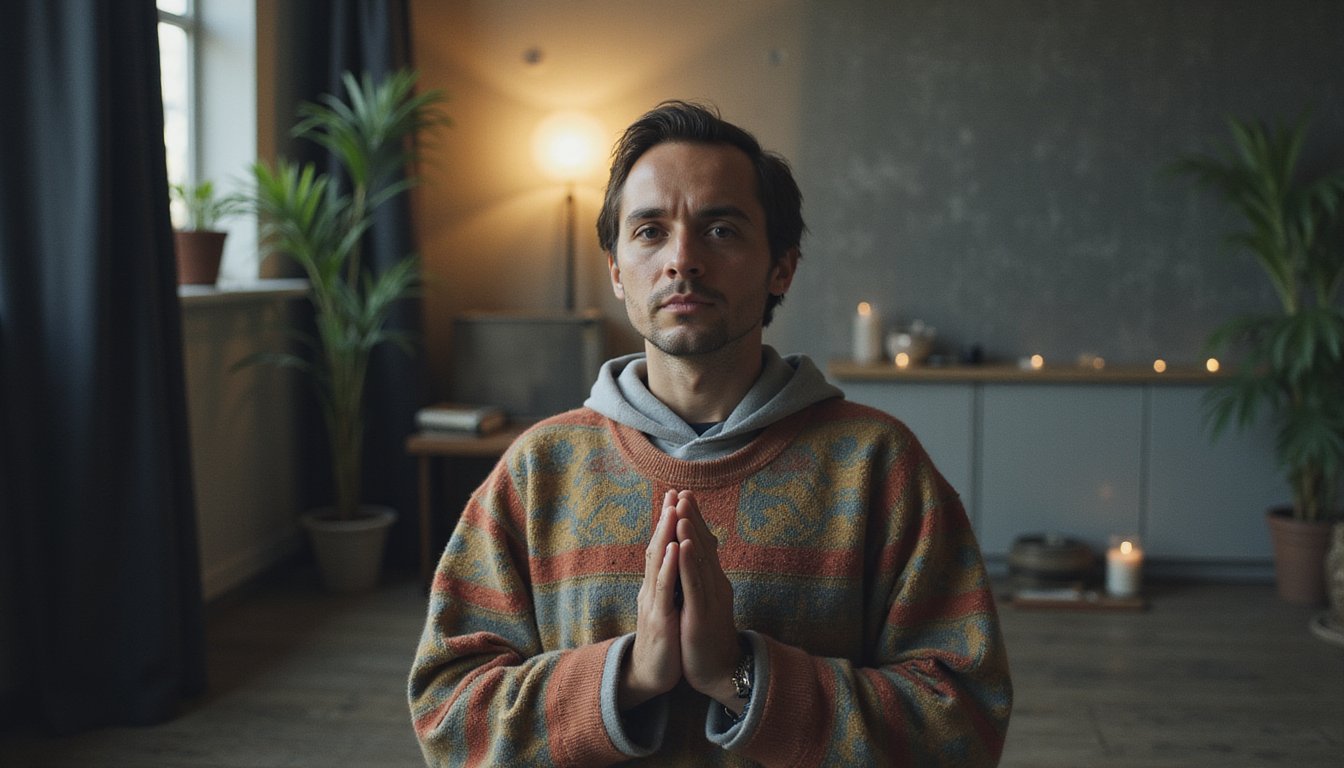
Forgiveness and purpose aren’t just spiritual ideals, they’re active shields that can meaningfully reduce alcohol’s grip on your well-being. When you’re anchored in meaning and purpose in life, your moral decision-making sharpens, and alcohol’s pull weakens naturally.
Spirituality broadly reduces hazardous substance use risk by 13%, partly because it deepens ethical awareness and reinforces personal values. These internal compasses make harmful choices feel increasingly misaligned with who you are.
Forgiveness, of yourself and others, restores psychological well-being by dissolving shame cycles that often drive drinking. When guilt loses its weight, you stop numbing it.
Purpose sustains inner peace by giving daily life direction. Together, forgiveness and purpose don’t just protect you from alcohol harm, they actively rebuild what alcohol quietly dismantles.
Spiritual Practices That Actively Reduce Your Drinking Risk
Spiritual practices aren’t just personal rituals, they’re measurable tools that actively lower your risk of harmful drinking. Whether you engage in meditation, mindfulness, prayer, or spiritual community engagement, each practice creates neurological and behavioral buffers against alcohol misuse.
| Practice | Measurable Impact |
|---|---|
| Meditation & Mindfulness | Reduces relapse risk; builds craving management |
| Prayer & Intrinsic Spiritual Commitment | 11% reduced hazardous drinking incidence |
| Spiritual Community Engagement | 13% overall risk reduction in harmful use |
Daily spiritual practices strengthen your sense of purpose, emotional regulation, and self-awareness, the same qualities alcohol erodes. You don’t need perfection; you need consistency. Small, genuine commitments to your spiritual life compound into lasting protection against harmful drinking patterns.
Simple Daily Spiritual Habits That Cut Your Drinking Risk
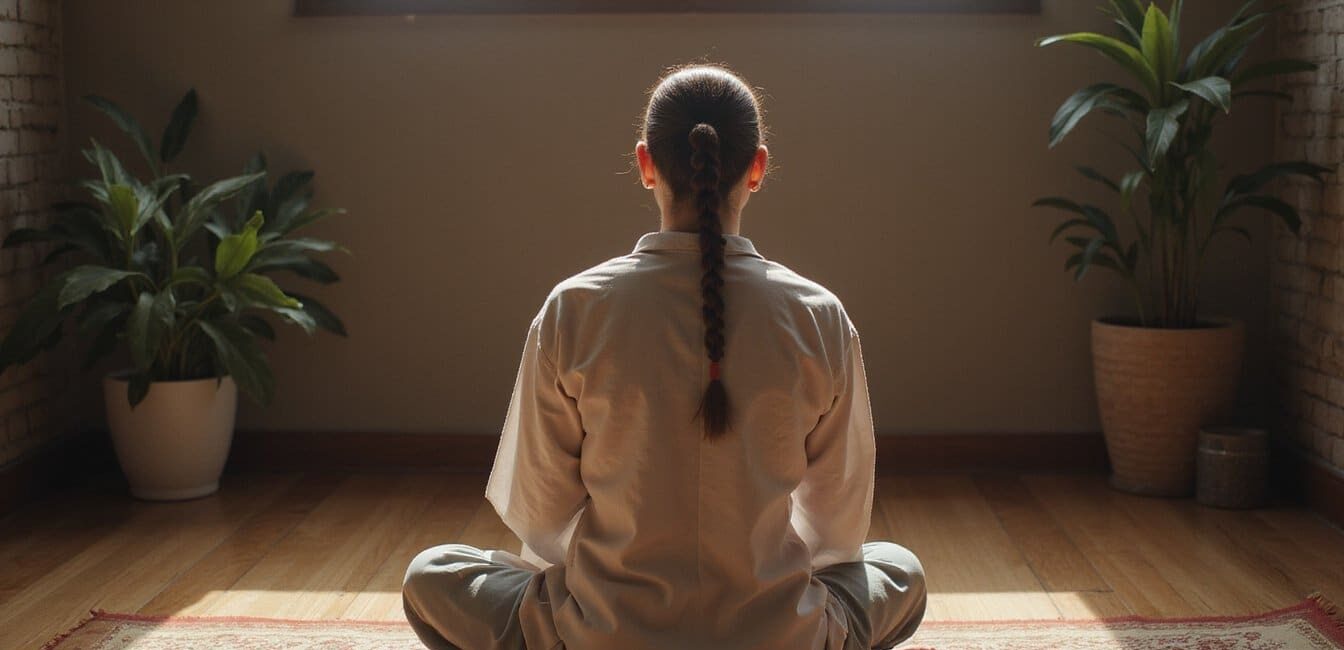
Knowing which spiritual practices reduce your drinking risk is only part of the picture, the real shift happens when those practices become part of your daily rhythm. Research shows that six-month increases in private spiritual practices are among the strongest predictors of improved drinking outcomes. When you build meditation, mindfulness, and prayer into your routine, you’re actively reducing your brain’s reliance on alcohol for stress relief. Practicing self-compassion and forgiveness privately predicts sustained improvement, even outside formal treatment. Community involvement adds another layer of protection, reinforcing shared values that support healthier choices. You don’t need elaborate rituals, consistent, small daily commitments create cumulative neurological and emotional benefits. Over time, these habits reshape how you respond to stress, strengthening both your spiritual resilience and your relationship with alcohol.
How Spiritual Therapy Deepens Your Recovery From Alcohol
When you engage in spiritual therapy, you’re not just addressing your drinking, you’re rebuilding the inner architecture that addiction dismantles. Research shows that spiritual intelligence competencies, including the ability to step back from crisis and hear your own inner calling, grow measurably across therapy sessions. That deepening awareness doesn’t just feel meaningful; it actively strengthens your will, builds self-confidence, and gives you a foundation of hope that makes lasting recovery possible.
Spiritual Intelligence Builds Resilience
Recovery from alcohol isn’t just about putting down the drink, it’s about rebuilding the inner architecture that alcohol slowly dismantled. Spiritual intelligence strengthens your resilience by restoring what addiction erodes, clarity, purpose, and emotional flexibility.
Research confirms that spiritual practices support recovery by developing:
- Cognitive flexibility, helping you adapt to triggers without relapsing
- Meditation habits, reducing anxiety, depression, and cravings neurologically
- Meaning-making, reconnecting you to identity beyond addiction
- Transcendent awareness, expanding perspective beyond immediate urges
A 2026 meta-analysis shows spiritual engagement measurably lowers relapse risk. You’re not just coping, you’re transforming. Every meditation session, every moment of honest reflection, builds spiritual resilience that alcohol once quietly stripped away. Your recovery depends on reclaiming that intelligence from the inside out.
Inner Calling Transforms Recovery
Rebuilding your inner architecture is only part of the journey, what carries you further is hearing the call beneath it. Alcohol, a central nervous system depressant, dulls that call by suppressing prefrontal cortex decision making and hijacking your dopamine reward system, pulling you away from who you’re meant to become.
But recovery isn’t just chemical restoration, it’s a return to purpose. Research shows that spiritual wellness measurably reduces drinking frequency and supports lasting personal development and sobriety. AA participants low in spirituality at intake show the greatest gains, suggesting your starting point doesn’t define your ceiling.
When you respond to an inner calling, through meaning-making, community, or renewed values, you activate recovery mechanisms that treatment alone can’t reach. That call is already speaking. You only need to listen.
Frequently Asked Questions
Can Spirituality Replace Professional Medical Treatment for Alcohol Use Disorder?
Spirituality can’t replace professional medical treatment for alcohol use disorder, but it’s a powerful complement to it. You benefit most when both work together. Research shows that combining professional care with spiritual practices leads to higher sobriety rates than either approach alone. Your spiritual foundation can strengthen motivation, self-forgiveness, and resilience, while medical treatment addresses the neurological and physiological dimensions of recovery that spirituality alone cannot fully resolve.
Does Religious Affiliation Matter More Than Personal Spiritual Practice for Protection?
Personal spiritual practice matters more for your protection than religious affiliation alone. When you actively attend services, pray, meditate, or engage your faith community, you’re building measurable resilience against harmful drinking, depression, and suicidal risk. Simply identifying with a religion provides weaker benefits. Your lived, embodied practice creates genuine inner connection and accountability. That said, how you practice matters too, positive, meaning-centered faith protects you, while spiritual struggle can increase vulnerability.
How Quickly Can Spiritual Practices Show Measurable Changes in Drinking Behavior?
You can notice measurable changes in drinking behavior within six months of deepening spiritual practices. Research shows that increases in private spiritual activities, self-forgiveness, and daily spiritual experiences within that timeframe predict improved drinking outcomes independently. You don’t need years of transformation, mindfulness meditation and prayer demonstrate relatively rapid effects on craving management and relapse risk. The key is consistent, meaningful engagement rather than surface-level affiliation, because authentic practice reshapes how you process emotions and make decisions.
Are Certain Spiritual Traditions More Effective Than Others Against Alcohol Misuse?
Research doesn’t crown one tradition as superior, but you’ll find that structured practices with community involvement tend to offer the strongest protection. Whether you’re drawn to Christianity, Buddhism, Islam, or Indigenous spirituality, what matters most is regular engagement and genuine connection. Weekly religious attendance consistently shows an 18% reduction in harmful use across cultures spanning Norway, Japan, Mexico, and South Africa. Your commitment and community belonging appear more decisive than the specific tradition itself.
Can Someone Recover Spiritually After Years of Heavy Alcohol Consumption?
Yes, you can absolutely recover spiritually after years of heavy drinking. Your brain’s neuroplasticity allows healing over time, and research shows that spiritual practices like prayer, meditation, and community involvement strengthen recovery. As you rebuild self-forgiveness and reconnect with your values, spiritual well-being gradually returns. AA participation and faith-based support profoundly enhance this process. Your journey toward inner peace, purpose, and meaningful connection isn’t lost, it’s waiting to be reclaimed.