
You should wait at least 24-36 hours after taking Benadryl before consuming alcohol, as both substances act as central nervous system depressants and compete for the same liver enzymes. This waiting period helps prevent dangerous interactions like severe drowsiness, confusion, and irregular heartbeat. Individual factors such as age, liver function, and overall health can affect safe waiting times, and certain genetic variations may require longer intervals between Benadryl use and alcohol consumption.
If you drink every day and want to stop, start with medically supervised detox: three to seven days, a nurse through the night, and medication matched to how you feel.
Understanding Benadryl’s Effects on Your Body
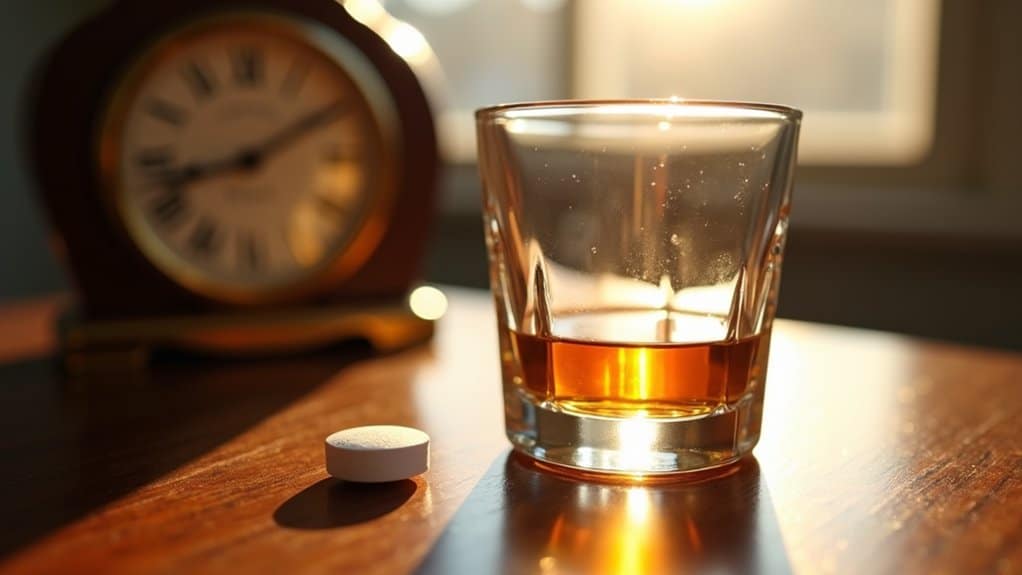
When you take Benadryl (diphenhydramine), it acts as a first-generation antihistamine that readily crosses your blood-brain barrier, producing both therapeutic and sedative effects. The medication works by blocking H1 receptors, providing relief from allergy symptoms like swelling and inflammation for 4-6 hours. Healthcare professionals often recommend careful ECG monitoring in patients taking antihistamines due to potential cardiotoxic effects. The drug was FDA approved in 1946 as the first prescription antihistamine.
Beyond allergy management, you’ll experience noteworthy Benadryl side effects due to its anticholinergic properties. These include drowsiness, dry mouth, blurred vision, and potential confusion. For safety during use, it is recommended to wait 4 to 6 hours between doses to avoid overdose. The drug’s ability to penetrate your central nervous system makes it effective for sleep induction but also increases risks of cognitive impairment. Your liver metabolizes Benadryl through the cytochrome P450 system, while your body eliminates it primarily through urine. Understanding these effects is essential as they can considerably interact with other substances, including alcohol.
The Science Behind Alcohol and Antihistamine Interactions
When you combine alcohol with Benadryl, both substances cross your blood-brain barrier and act as central nervous system depressants, multiplying their sedative effects. Your liver’s metabolic pathways become overwhelmed as both substances compete for the same enzymes, potentially leading to dangerous levels of either compound in your bloodstream. These interactions disrupt normal neurotransmitter function, particularly affecting acetylcholine and histamine systems, which can result in severe drowsiness, impaired coordination, and cognitive dysfunction. Additionally, alcohol and its metabolite acetaldehyde can trigger histamine release from mast cells, potentially worsening allergic symptoms. Since alcohol is primarily absorbed in the upper small intestine, the interaction between these substances can begin shortly after consumption. People who lack the ALDH2 enzyme may experience more severe reactions when combining alcohol with antihistamines.
CNS Depression Mechanisms Explained
The complex interplay between alcohol and first-generation antihistamines like Benadryl creates a dangerous multiplier effect on central nervous system (CNS) depression. When you combine these substances, they work through distinct but complementary CNS mechanisms to intensify sedation effects.
- Alcohol enhances GABA activity while reducing glutamate, creating a powerful inhibitory effect on your brain’s neural activity
- Benadryl blocks H1 histamine receptors, suppressing the excitatory histaminergic system that maintains alertness and arousal
- Together, they disrupt multiple neurotransmitter systems simultaneously, leading to enhanced sedation, impaired coordination, and potentially dangerous respiratory depression
This dual assault on your brain’s arousal systems can result in severe drowsiness, cognitive impairment, and safety risks that far exceed either substance alone. Current research shows that up to 50% of patients fail to achieve complete remission when antidepressant medications are combined with alcohol use. Regular exposure to this combination can lead to neurotransmitter adaptation, requiring increasingly higher doses to achieve the same sedative effects. Medical supervision is crucial since withdrawal from these substances can cause life-threatening complications when stopping abruptly.
Blood-Brain Barrier Effects
Understanding how these substances interact at the blood-brain barrier adds another layer to their dangerous CNS effects. First-generation antihistamines like Benadryl readily cross this protective barrier, allowing them to directly affect your brain’s function. When you add alcohol to the mix, you’re creating a particularly risky situation since it also penetrates the blood-brain barrier efficiently. These medications act as inverse agonists that modify histamine receptor activity, making their effects even more pronounced when combined with alcohol.
This dual antihistamine penetration leads to magnified central nervous system depression. While second-generation antihistamines (like Claritin or Zyrtec) don’t cross this barrier as easily, first-generation options like Benadryl pose a significant risk when combined with alcohol. The enhanced barrier penetration by both substances results in intensified drowsiness, cognitive impairment, and potentially dangerous levels of CNS depression. Both substances can lead to severe cognitive impairment that makes operating vehicles or machinery extremely dangerous. The combination frequently causes extreme sedation that can potentially lead to medical emergencies. That’s why it’s essential to maintain adequate spacing between taking Benadryl and consuming alcohol.
Metabolic Pathway Interference
Delving into the metabolic interactions between Benadryl and alcohol reveals a complex competition for enzymatic processing in your liver. When you combine these substances, they compete for the same CYP2E1 enzyme system, creating significant metabolic competition that can disrupt your liver function and drug metabolism. The combination can lead to dangerous CNS depressant effects, making both substances more potent and potentially hazardous.
Key metabolic interference effects include:
- Alcohol’s ability to slow down Benadryl breakdown, potentially increasing its concentration in your bloodstream by up to tenfold
- Heightened risk of toxic metabolite accumulation when your liver processes both substances simultaneously
- Prolonged duration of drug effects due to compromised enzymatic efficiency, particularly in individuals with genetic variations in CYP2E1 activity
This metabolic pathway interference can lead to unpredictable drug levels and increased risk of adverse effects, especially if you have pre-existing liver conditions.
Recommended Waiting Periods Between Benadryl and Alcohol
When taking both Benadryl and alcohol, proper timing between doses is essential for safety. Medical experts recommend waiting at least 2-6 hours after your last drink before taking Benadryl, though more conservative guidelines suggest waiting 24-36 hours for complete alcohol clearance. For Benadryl timing in relation to alcohol consumption, you’ll want to wait approximately 2 days after your last dose before drinking. Since both substances are central nervous system depressants, combining them too closely together can lead to dangerous levels of sedation. This combination can cause severe symptoms including irregular heartbeat and cognitive impairment. Both substances can significantly impact memory, leading to memory loss and confusion.
Your safest approach is to wait until both substances have been fully metabolized by your liver. Since Benadryl has a half-life of 3.4-9.2 hours and alcohol takes about 25 hours to clear your system, you should aim for complete elimination of both substances before mixing. If you’re experiencing acute allergy symptoms, consult your healthcare provider for personalized guidance on timing.
Risk Factors That Influence Safe Waiting Time

Your individual metabolism of both Benadryl and alcohol depends on key biological factors, including your age, liver function, and overall health status. As you get older, your body processes these substances more slowly, potentially requiring longer waiting periods between taking Benadryl and consuming alcohol. Your specific medical conditions, especially those affecting liver or kidney function, will greatly impact how quickly your body can clear both substances and influence the safe waiting time between them.
Individual Metabolism Variations
Individual metabolism rates play an essential role in determining how long you should wait between taking Benadryl and consuming alcohol. Genetic factors greatly influence how quickly your body processes both substances, making standardized waiting times unreliable for everyone.
Key variations that affect your personal processing time include:
- CYP2E1 enzyme activity differences, which can cause up to tenfold variation in how quickly you metabolize both Benadryl and alcohol
- Individual differences in liver metabolic capacity, which may accelerate or slow down drug clearance
- Genetic polymorphisms that affect your susceptibility to adverse interactions between medications and alcohol
Your unique metabolic profile, combined with factors like hydration status and overall liver health, determines how efficiently you’ll clear both substances from your system.
Age and Health Impact
Beyond metabolic variations, specific age groups and health conditions greatly alter how the body responds to both Benadryl and alcohol. If you’re an older adult, you’ll face heightened age-related risks, including increased sensitivity to sedation and a greater chance of falls. Your liver function isn’t as efficient, which means both substances stay in your system longer.
Health conditions greatly impact safe waiting times between Benadryl and alcohol. If you have liver disease, cardiac problems, or respiratory conditions, you’re at higher risk for adverse effects. Taking multiple medications further complicates the interaction, especially if you’re on CNS depressants or drugs that affect liver enzymes. Your body weight and overall health status also matter; if you’re underweight or frail, you’ll need longer waiting periods due to slower drug clearance and increased sensitivity.
Medical Guidelines for Mixing Medications and Alcohol
The combination of medications and alcohol poses significant medical risks that healthcare providers strictly monitor and regulate. When you’re taking Benadryl or other medications, understanding these medication interactions and alcohol effects is essential for your safety.
Mixing alcohol with medications like Benadryl can create dangerous health risks, making professional medical guidance crucial for patient safety.
Medical guidelines emphasize three vital points:
- Your liver processes both alcohol and medications simultaneously, which can lead to dangerous organ stress and reduced drug effectiveness
- You’ll need to take into account that alcohol can interact with over 150 medications, including common over-the-counter drugs like Benadryl
- Your body requires specific clearance times for both substances, with most healthcare providers recommending a 24-48 hour waiting period between Benadryl and alcohol consumption
Always consult your healthcare provider about specific timing, as individual factors like metabolism and overall health affect safe waiting periods.
Warning Signs of Dangerous Drug Interactions

When combining Benadryl and alcohol, specific warning signs indicate potentially dangerous drug interactions that require immediate attention. You’ll need to monitor for signs overdose including severe drowsiness, breathing difficulties, or loss of consciousness. If you notice these symptoms, immediate emergency response is essential.
| Warning Sign | Required Action |
|---|---|
| Severe drowsiness/unconsciousness | Call 911 immediately |
| Slowed/difficult breathing | Seek emergency care |
| Extreme confusion/delirium | Get medical help |
| Repeated falls/poor coordination | Stop activities, get help |
| Blue lips or fingertips | Call ambulance immediately |
Pay particular attention to breathing patterns, as respiratory depression presents a significant risk. If you experience unusual drowsiness, confusion, or physical impairment beyond typical alcohol effects, don’t wait to seek medical attention. These symptoms can rapidly progress to life-threatening complications.
Safe Alternatives for Managing Allergies
While avoiding Benadryl-alcohol interactions is essential, numerous safe and effective alternatives exist for managing allergy symptoms. Natural remedies and lifestyle changes can greatly reduce your reliance on antihistamines while providing relief from allergic reactions.
Safe alternatives to Benadryl can effectively manage allergies without risking harmful interactions with alcohol, allowing for natural symptom relief.
- Install HEPA filters in your home and maintain regular cleaning routines, including vacuuming with HEPA-equipped machines to minimize indoor allergen exposure.
- Practice daily saline nasal irrigation using a Neti pot or saline sprays, which can reduce your medication needs by up to 30% while effectively clearing allergens.
- Consider evidence-based complementary treatments like acupuncture or natural anti-inflammatory agents such as bromelain, but consult your healthcare provider before starting any alternative therapies.
These approaches can effectively manage your allergy symptoms without the drowsiness and potential interactions associated with conventional antihistamines.
Recovery Timeline and Safety Precautions
Because safe consumption timing is essential when mixing medications and alcohol, understanding the recovery timeline for Benadryl requires careful attention to several key factors. You’ll need to allow at least 8-12 hours after taking Benadryl before consuming alcohol, though a full 24-hour wait is safer. During recovery, focus on hydration importance and implement proven recovery strategies like rest and fluid intake.
| Timeline | Symptoms | Safety Actions |
|---|---|---|
| 4-6 hours | Peak sedation | No driving, rest |
| 8-12 hours | Lingering drowsiness | Monitor alertness |
| 12-24 hours | Gradual improvement | Hydrate consistently |
| 24+ hours | Full recovery | Resume normal activity |
Watch for warning signs like excessive drowsiness or breathing difficulties, which require immediate medical attention. Don’t operate vehicles or machinery until you’re completely alert and free from any residual effects.
Expert Tips for Responsible Medication Use
Since responsible medication use requires expert guidance, understanding proper Benadryl management can help you avoid dangerous interactions with alcohol. Medication awareness starts with keeping your healthcare providers informed about your medication habits and drinking patterns.
For responsible usage of Benadryl, follow these essential practices:
- Maintain an updated list of all medications you’re taking, and review it regularly with your healthcare provider to prevent dangerous interactions
- Monitor yourself for signs of adverse reactions, including severe drowsiness, confusion, or breathing difficulties, and seek immediate medical attention if they occur
- Consider switching to second-generation antihistamines if you need allergy relief but can’t guarantee adequate spacing between medication and alcohol consumption
Always verify active ingredients in combination medications, as Benadryl’s diphenhydramine appears in many over-the-counter products besides allergy medications.
Timing Alcohol Safely After Benadryl
Feeling groggy from Benadryl and wondering when it’s safe to have a drink can be stressful, especially if you’re trying to avoid dangerous interactions. Combining alcohol with antihistamines can intensify drowsiness, impair coordination, and put your health at risk, making timing and caution essential. If you’re concerned about alcohol use or its effects on your body, an alcohol addiction rehab can connect you with trusted treatment centers and professionals who guide you safely through these decisions and support healthier habits. Call +1-855-955-0771 today and let us help you take that first step toward healing, completely confidential and ready to help.
Frequently Asked Questions
Can I Take Benadryl the Morning After Drinking Alcohol?
You should wait until alcohol is completely cleared from your system before taking Benadryl the morning after drinking. Since alcohol can remain in your body for up to 6 hours after your last drink, it’s safest to delay taking Benadryl for at least 6 hours to guarantee safe consumption. If you’ve had multiple drinks or have a slower metabolism, you’ll need to wait longer. Consider using alternative allergy medications if you need immediate relief.
Does Food Consumption Affect the Waiting Period Between Benadryl and Alcohol?
While food consumption can slow alcohol absorption and digestion speed, it doesn’t notably alter the recommended waiting period between Benadryl and alcohol. Even though eating may delay the initial absorption of either substance, you’ll still need to wait at least 6 hours between them. Food won’t speed up your body’s ability to metabolize alcohol or reduce the dangerous sedative effects when these substances interact. Always prioritize safety over relying on food as a buffer.
Will One Sip of Alcohol With Benadryl Cause Dangerous Effects?
Yes, even one sip of alcohol can trigger dangerous effects when combined with Benadryl. While the dosage impact may vary between individuals, you’re still facing significant safety concerns with any amount of alcohol. Your central nervous system will experience enhanced depression effects, leading to increased drowsiness, impaired coordination, and compromised judgment. You shouldn’t risk this combination at all, as there’s no established safe threshold for mixing these substances.
How Does Caffeine Impact the Interaction Between Benadryl and Alcohol?
Caffeine’s effects can dangerously mask the sedation from Benadryl and alcohol without actually reducing their impairment of your cognitive and motor functions. The interaction mechanisms create a “wide awake drunk” state where you’ll feel more alert but remain considerably impaired. You’re at higher risk for accidents since you might underestimate your level of impairment. Additionally, the combination can increase your risk of dehydration and cause unpredictable cardiovascular effects.
Can I Build Tolerance to Benadryl-Alcohol Interactions Over Time?
No, you can’t safely build tolerance to Benadryl-alcohol interactions. While you might feel like you’re “getting used to” the sedative effects, there’s no clinical evidence supporting true tolerance development to their combined dangers. The interaction risks remain consistent, including respiratory depression, severe drowsiness, and cognitive impairment. In fact, chronic combined use increases your vulnerability to adverse outcomes and may raise your risk of long-term cognitive deficits and dementia.