
You lose a beer belly by creating a calorie deficit through strategic diet and exercise changes, but it’s not just about cutting back on drinks. Excess visceral fat often stems from processed foods, hormonal shifts, chronic stress, and a sedentary lifestyle. Focus on lean proteins, fiber-rich vegetables, and whole grains while incorporating both HIIT and strength training for maximum fat burn. Understanding what’s really driving your belly fat is the first step toward eliminating it.
How to Lose a Beer Belly: The Complete Fix

Losing a beer belly requires a straightforward approach: consume fewer calories than you burn while making strategic changes to your diet and exercise routine.
Beer bellies are more typical for men due to metabolic differences that cause weight to settle around your middle. The calories in alcohol add up quickly, alcoholic drinks are high in sugar and provide empty calories that contribute to fat storage. Drinking alcohol regularly means you’re consuming nearly as much energy per gram as pure fat. Additionally, beer can interfere with fat burning, making it harder for your body to metabolize stored fat efficiently. Beer bellies are more typical for men due to metabolic differences that cause weight to accumulate around the midsection, which directly affects how long it takes to lose beer belly once drinking patterns change. The calories in alcohol add up quickly, alcoholic drinks are high in sugars and provide empty calories that promote fat storage. Drinking regularly means you’re consuming nearly as much energy per gram as pure fat, and beer further interferes with fat burning, making it harder for your body to metabolize stored fat efficiently.
To combat weight you put on weight from drinking, cut portion sizes, increase vegetables and lean proteins, and limit processed foods. Aim for 30 minutes of moderate aerobic exercise most days, combined with strength training twice weekly for ideal results. Incorporating squats into your routine is particularly effective since they work the core muscles and help reduce the appearance of a beer belly.
What Causes a Beer Belly Beyond Drinking
While alcohol consumption plays a significant role in belly fat accumulation, it’s not the only culprit behind that stubborn midsection weight. Several factors contribute to fat around middle areas, even if you’re not a heavy drinker.
Excess calories from processed foods, refined sugars, and oversized portions cause weight gain that settles in your belly. A sedentary lifestyle slows your metabolism, making you more likely to become overweight or obese. Hormonal changes also matter, low testosterone in men and shifting estrogen levels in women direct fat storage to your midsection. Chronic stress elevates cortisol, which is directly linked to fattening around your abdomen. Genetics can also predispose certain individuals to store more fat specifically in the abdominal area. Additionally, aging naturally decreases calorie needs while increasing the tendency for fat to accumulate in the midsection.
Addressing these factors requires eating healthy on a reduced-calorie diet and exercising regularly, regardless of your drinking habits.
Fat Belly or Fluid Buildup: How to Tell the Difference?
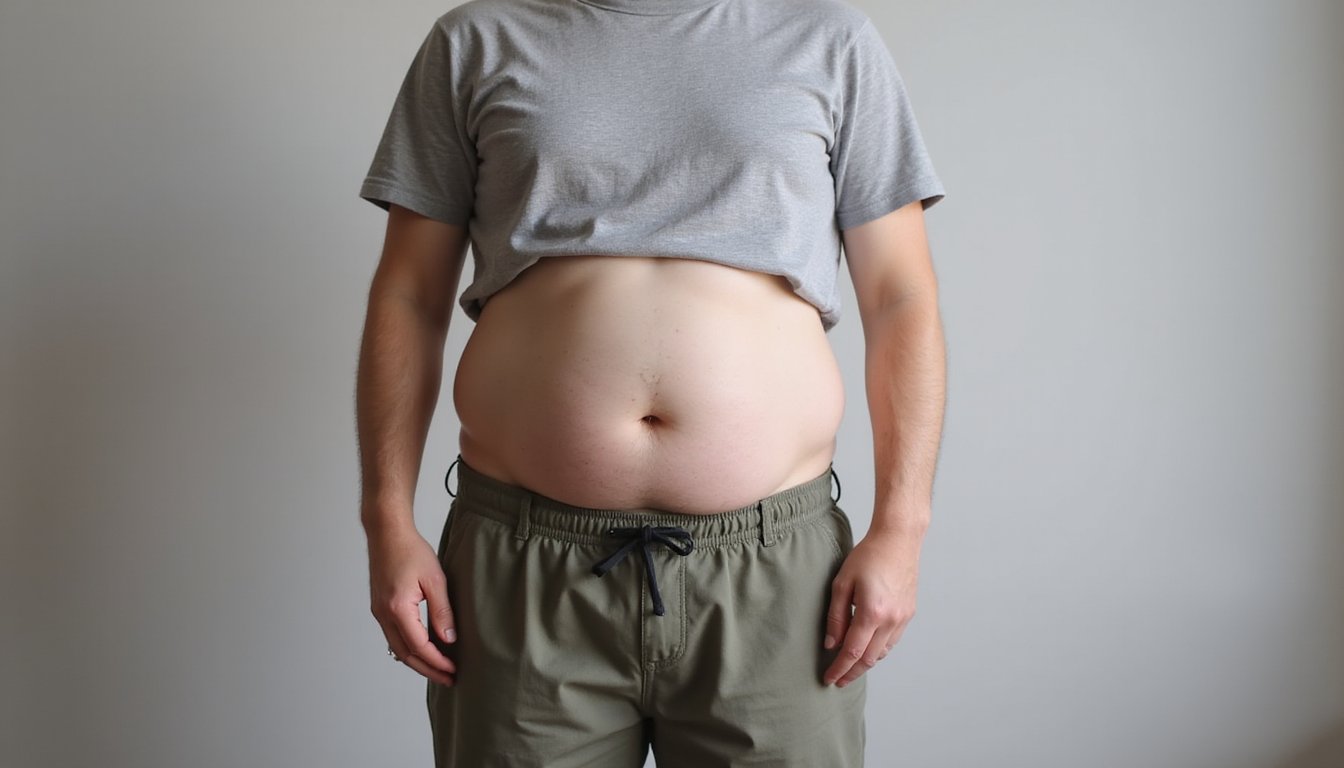
Not all belly bulges come from fat, sometimes fluid buildup in your abdomen signals a serious medical condition that requires immediate attention. While a beer belly develops gradually from visceral fat accumulation due to metabolic factors and excess calorie intake, ascites involves rapid fluid accumulation often linked to liver disease or cirrhosis. Liver scarring causes elevated blood pressure in abdominal blood vessels, forcing fluid to leak into the peritoneal cavity. Over 80% of ascites cases are directly connected to liver cirrhosis, making it the predominant underlying cause.
| Feature | Beer Belly (Fat) | Ascites (Fluid) |
|---|---|---|
| Feel | Soft, squishy, pinchable | Firm, tense, tight |
| Progression | Gradual weight gain over months | Rapid abdominal distension in days/weeks |
| Appearance | Visible rolls, uneven contour | Smooth, uniform bulging |
| Suck-in test | Shape alters when contracted | Remains distended |
| Symptoms | Typically none beyond belly fat | Pain, shortness of breath, leg swelling |
If you notice sudden abdominal distension or tightness, consult your doctor immediately for proper evaluation.
Why Beer Belly Fat Is Dangerous
Beyond the cosmetic concerns, excess belly fat poses serious threats to your heart’s structure and function. Visceral fat wraps around your internal organs and releases harmful chemicals that drive inflammation throughout your body. This deep abdominal fat causes your heart muscle to thicken while your heart chambers shrink, impairing your heart’s ability to pump blood effectively. Research suggests that abdominal fat may also affect breathing and lung pressure, placing additional stress on the heart.
The high calorie content in alcohol, seven calories per gram, nearly matching pure fat, accelerates this dangerous accumulation. Your metabolism determines where fat develops, with men especially vulnerable to central obesity. Beer belly fat is especially harmful to your long-term health, increasing your risk of heart disease, type 2 diabetes, stroke, and certain cancers. Men with significant belly fat also face higher risk of developing metabolic syndrome, a cluster of conditions including high blood pressure, high blood sugar, and abnormal cholesterol levels. These risks make addressing belly fat a medical priority, not just an aesthetic one.
What to Eat to Shrink Your Beer Belly

Your diet plays a vital role in eliminating that beer belly, and strategic food choices can accelerate your progress. You’ll want to focus on lean proteins like chicken, fish, and Greek yogurt, which increase fullness hormones and help preserve muscle while you lose fat. At the same time, swap out processed carbohydrates for fiber-dense vegetables and whole foods like legumes, since research shows that increasing soluble fiber intake can reduce belly fat accumulation by nearly 4% over five years. Consider eating vegetables first at meals, which leaves less room for unhealthy foods and naturally reduces your overall calorie intake. You should also avoid trans fats, which are linked to inflammation and abdominal fat gain, by checking ingredient labels for partially hydrogenated oils.
Prioritize Protein-Rich Foods
When you’re working to shrink a beer belly, protein becomes your strongest dietary ally because it increases feelings of fullness and helps curb cravings that can derail your progress. Lean poultry like chicken breast delivers 27 grams of protein per three-ounce serving while keeping calories low.
Greek yogurt and cottage cheese offer dual benefits, high protein content plus probiotics that support digestion and target abdominal fat. For plant-based options, legumes like lentils, beans, and chickpeas pack both protein and fiber to slow digestion and reduce fat storage.
Don’t overlook seafood either. Salmon and mackerel provide omega-3 fatty acids that combat inflammation linked to belly fat, while shrimp serves as a low-calorie protein that pairs perfectly with vegetables for satisfying, waistline-friendly meals. Tuna is another excellent choice since it’s rich in leucine, an amino acid important for building muscle, which helps your body burn more calories throughout the day.
Cut Processed Carbohydrates
While protein keeps you satisfied, the carbohydrates you choose determine whether your body stores or burns belly fat. Refined grains like white bread and white rice directly increase visceral fat, while whole grains such as brown rice and oatmeal reduce it. Added sugars and sugary foods contribute to abdominal obesity by creating calorie surpluses that target your midsection.
Enriched flours found in processed baked goods trigger insulin resistance, promoting fat storage in your belly region. High-carb snacks like chips and pretzels fuel visceral fat accumulation independent of total calories consumed. Don’t overlook alcohol-derived carbohydrates, beer and wine provide processed carbs that convert directly to belly fat while interfering with your body’s fat-burning processes. Cutting these sources prevents the insulin spikes that drive visceral fat storage. This is particularly important since visceral fat is hormonally and metabolically active, contributing to serious conditions like heart disease, cancer, and diabetes. Research shows that losing just 5% of your body weight can reduce visceral fat by 11%, making these dietary changes highly effective for shrinking your beer belly.
Add Fiber-Dense Vegetables
Fiber acts as your secret weapon against belly fat because it creates lasting fullness while actively reducing visceral fat accumulation. Soluble fiber absorbs water and forms a gel that slows digestion, triggering satiety hormones that curb overeating. Research shows increasing soluble fiber by just 10 grams daily can reduce belly fat gain by 3.7% over five years.
Focus on these fiber-dense vegetables for weight loss:
- Broccoli: 2.5g fiber per half cup, supports metabolism and gut health
- Brussels sprouts: 4g fiber per cup cooked, only 56 calories
- Asparagus: 3g fiber plus 3g protein per cup raw
- Cruciferous vegetables: contain both soluble and insoluble fiber for digestive efficiency
Aim for 20-25 grams of fiber daily during active weight loss efforts. When increasing your fiber intake, ramp up gradually over a few weeks while drinking plenty of water to avoid digestive upset like gas and bloating.
Best Exercises to Lose a Beer Belly
Several exercise strategies can help you shed a beer belly, but research shows high-intensity interval training (HIIT) delivers the fastest results. According to the Journal of Obesity, HIIT burns fat more effectively than steady-state cardio, providing a significant metabolic boost that accelerates weight loss.
You’ll maximize calorie burn and fat reduction by combining multiple approaches:
| Exercise Type | Key Benefits |
|---|---|
| High-intensity interval training | Burns 30% more calories than low-intensity sessions |
| Aerobic cardio exercises | 200-300 calories per 30-minute session |
| Compound strength movements | Targets multiple muscle groups simultaneously |
| Core and full-body functional exercises | Builds strength while torching belly fat |
| Consistency and volume strategies | 30 minutes aerobic plus 2 strength days weekly |
Frequently Asked Questions
How Many Calories Does a Typical Pint of Beer Contain?
A typical pint of beer contains around 180-250 calories, with most averaging about 215 calories. That’s roughly equivalent to a slice of pizza. The exact count depends on the beer’s strength, a standard 4% ABV lager gives you about 182 calories, while stronger options like IPAs can reach 250-300 calories per pint. You’ll find lower-calorie alternatives in light beers, which offer 80-100 calories per serving.
Why Do Men Develop Beer Bellies More Than Women?
Men develop beer bellies more than women due to differences in metabolism and hormones. Your testosterone levels promote muscle but also direct excess calories toward visceral fat around your organs, creating that characteristic belly shape. Women’s oestrogen protects them by directing fat to subcutaneous areas like thighs and buttocks instead. As you age and testosterone drops, you’ll find it even easier to accumulate abdominal fat.
Can You Get a Beer Belly Without Drinking Alcohol?
Yes, you can develop a beer belly without drinking alcohol. The term refers to visceral fat accumulation around your abdomen, which results from any excess calorie intake, not just alcohol. Refined carbohydrates, sugary drinks, processed foods, and a sedentary lifestyle all contribute to belly fat. Chronic stress, hormonal changes, and genetic factors also influence where your body stores fat, meaning you can develop this abdominal fat pattern regardless of your drinking habits.
How Long Does It Take to Burn off One Pint of Beer?
Burning off a typical pint of beer (around 180-215 calories) takes approximately 13 minutes of running or football, 15 minutes of cycling, 20 minutes of swimming, or 30 minutes of golf. The exact time depends on your weight, exercise intensity, and the beer’s strength, stronger beers contain more calories, requiring longer workouts. You’ll burn calories faster with vigorous activities, so choose exercises you’ll actually stick with consistently.
What Waist Measurement Indicates Dangerous Beer Belly Fat Levels?
A waist measurement exceeding 40 inches for men or 35 inches for women indicates dangerous belly fat levels that increase your risk of heart disease, type 2 diabetes, and stroke. This threshold signals visceral fat accumulation around your organs, which is more harmful than fat stored elsewhere. You can measure your waist at its narrowest point above your hipbones while exhaling for an accurate reading.