
Yes, itchy skin is a normal sign of alcohol detox. During withdrawal, your nervous system becomes hyperreactive, triggering histamine release that causes pruritus. You’ll typically notice itching within 6-12 hours, with symptoms peaking between 24-72 hours. For relief, stay hydrated, apply fragrance-free moisturizers or colloidal oatmeal, and consider oral antihistamines. Most people see significant improvement by days 3-5. Understanding the full timeline and warning signs can help you navigate detox safely.
Our alcohol detox manages withdrawal around the clock, then moves you straight into treatment with the same team.
Why Itchy Skin Happens During Alcohol Withdrawal
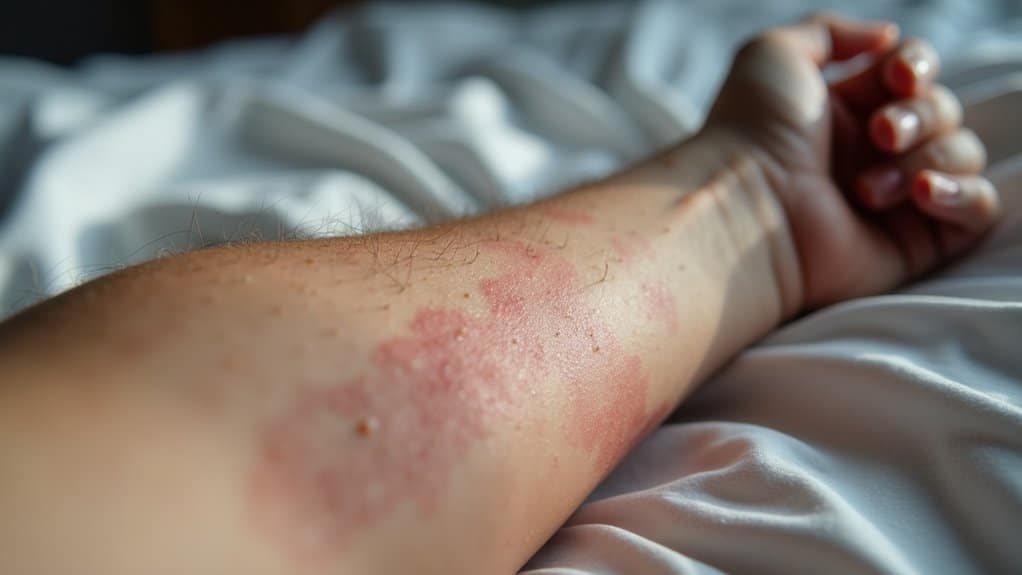
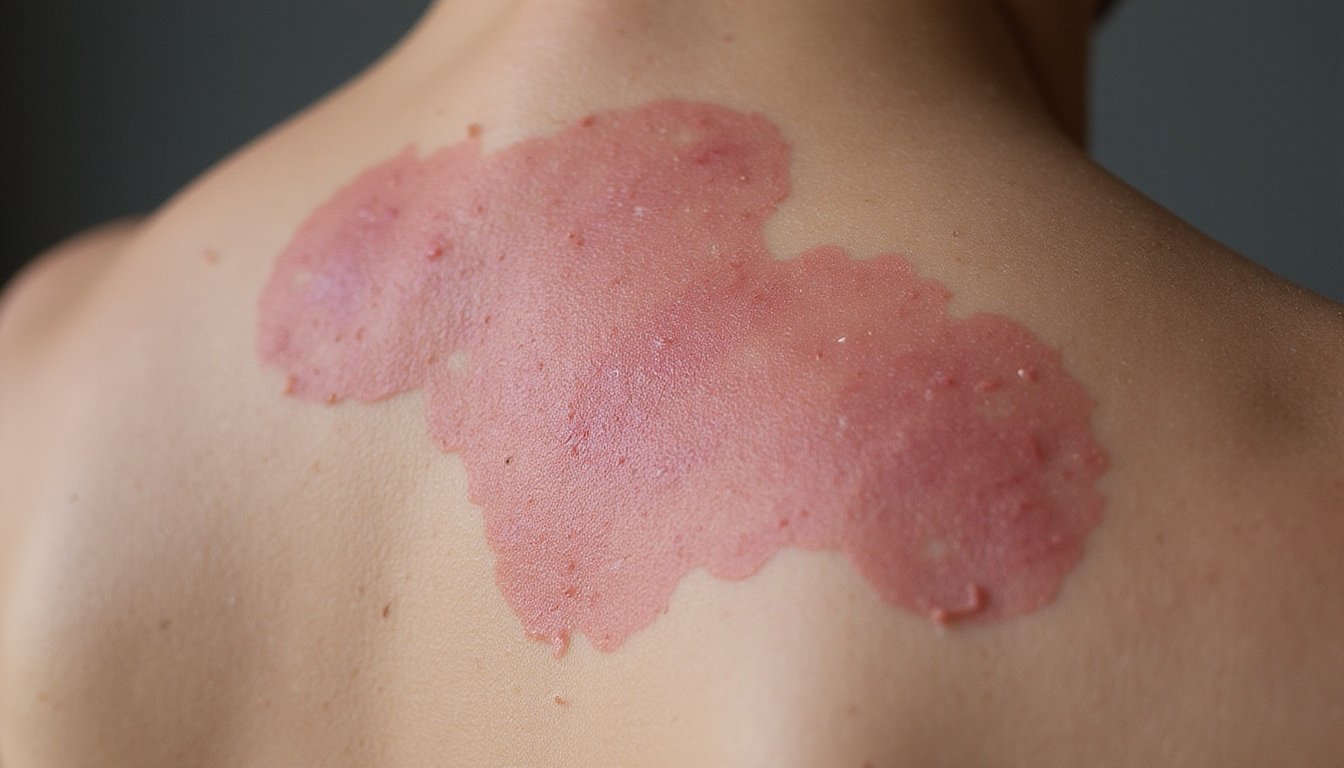
When you stop drinking alcohol after prolonged use, your body undergoes significant physiological changes that can trigger uncomfortable skin symptoms. Your immune system, previously suppressed by chronic alcohol consumption, becomes hyperactive during withdrawal. This overreaction releases histamines that cause itching, flushing, and rashes like hives or eczema.
Alcohol withdrawal reactions also involve central nervous system recalibration. Increased glutamate activity creates heightened skin sensitivity, producing tingling and burning sensations. Additionally, acetaldehyde, a toxic alcohol metabolite, triggers histamine release, intensifying pruritus. These skin symptoms typically appear within 12 to 48 hours after your last alcoholic drink.
Your symptoms may stem from underlying medical issues that heavy drinking has caused or worsened. Liver dysfunction leads to bile salt accumulation beneath your skin, creating intense itching. Dehydration from alcohol’s diuretic effects leaves skin dry and flaky. Nutrient deficiencies in zinc and vitamins further compromise skin health during detox. Itchy skin is particularly common during withdrawal if you are malnourished or have an underlying illness that affects your body’s ability to heal. In severe cases, you may experience a crawling sensation on your skin, which can be a form of tactile hallucination associated with delirium tremens.
The Timeline of Detox-Related Itching and What to Expect
Itching typically emerges within the first 6, 12 hours after your last drink as your nervous system becomes hyperreactive. Symptoms often intensify between 24, 72 hours, when you’ll likely notice itch alongside anxiety, sweating, and insomnia. By days 3, 5, most people experience significant improvement as acute withdrawal subsides. Because alcohol is a CNS depressant that alters brain chemistry, sudden removal causes the nervous system to become overstimulated, which can manifest as various symptoms including skin sensations.
However, variation in individual experiences means some people report intermittent pruritus for up to two weeks. The impact of coexisting conditions, particularly liver disease or chronic skin disorders, can extend this timeline considerably. Healthcare providers may use the Clinical Institute Withdrawal Assessment to determine the severity of your withdrawal symptoms and guide appropriate treatment. If your itching persists or worsens beyond the first week, it may indicate an underlying condition requiring separate evaluation and treatment. Seeking medical supervision during detox ensures that both withdrawal symptoms and any complications are properly monitored and addressed.
Warning Signs That Require Immediate Medical Attention
Although most alcohol withdrawal symptoms resolve within a week, certain warning signs signal life-threatening complications that demand immediate emergency care. You should seek emergency help if you experience seizures, severe confusion, or hallucinations, these indicate delirium tremens, which carries high mortality without treatment. Most people make a full recovery, but acting quickly when danger signs appear is essential.
Watch for cardiovascular emergencies: chest pain, irregular heartbeat, or extreme blood pressure changes require urgent evaluation. Persistent vomiting prevents adequate hydration and medication absorption, rapidly worsening your condition.
Neurologic red flags include uncontrolled aggression, new weakness, facial drooping, or vision changes suggesting stroke. If you notice jaundice, vomit blood, or develop severe abdominal pain, you may have organ failure requiring immediate intervention. Symptoms typically peak 24 to 72 hours after your last drink, making this the most critical window for monitoring.
Don’t wait, call 911 if you experience any of these symptoms during detox.
Proven Relief Strategies for Itchy Skin During Detox
Because itchy skin during alcohol detox stems from multiple overlapping causes, dehydration, nutritional deficiencies, histamine rebound, and nervous system dysregulation, effective relief requires a multi-pronged approach rather than a single solution.
Your moisturizer selection matters considerably. Choose fragrance-free emollient creams or ointments that function as barrier restoring treatments, reducing transepidermal water loss and relieving dryness-related itching.
| Strategy Category | Recommended Actions |
|---|---|
| Hydration | Drink water with electrolytes; eat moisture-rich fruits and vegetables |
| Topical Care | Apply colloidal oatmeal or calamine; take lukewarm showers |
| Environment | Wear loose cotton clothing; maintain cool room temperatures |
Combine oral antihistamines with gentle cleansing routines using non-soap cleansers. The itching typically subsides after 4-5 days of sobriety as your nervous system gradually stabilizes and your body recovers. You’ll also benefit from stress-management practices like deep breathing, which can reduce histamine release triggered by sympathetic nervous system activation. These techniques, including yoga and meditation, help ease the stress that can worsen itchy and irritated skin during the detox process.
Long-Term Skin Care and Recovery Support
Your daily routine matters considerably. Use gentle, sulfate-free cleansers and moisturizers containing ceramides and hyaluronic acid to restore barrier function. Apply broad-spectrum SPF daily to protect sensitized skin from UV damage. Since alcohol acts as a diuretic and inflammatory substance, drinking 8-10 glasses of water daily is essential for restoring skin hydration.
Comprehensive recovery programming that includes nutritional counseling, hydration support, and psychosocial aftercare strengthens your skin’s healing trajectory. Balanced intake of vitamins A, C, E, and omega-3s supports collagen synthesis and reduces inflammation. Addressing impaired liver function through sobriety allows your body to properly eliminate toxins that contribute to skin issues. Getting adequate sleep each night supports skin’s natural regeneration and repair processes while you are stopping. Consistent adherence to these protocols prevents future skin problems in around 70, 75% of individuals maintaining sobriety.
Your Skin Is Trying to Tell You Something During Detox
If you are going through alcohol detox and finding yourself dealing with itchy, uncomfortable skin, you are not imagining it and you are certainly not alone in what you are feeling. At Alcohol Addiction Treatment Center, we understand how overwhelming every physical symptom of detox can feel, and we are here to help you find the right answers and the right support. Itchy skin during alcohol detox is actually a common response as your body works to flush out toxins and recalibrate after prolonged drinking, but it is also a reminder that detox is a serious medical process that should never be faced without professional guidance. Whether you are in the early stages of detox or looking for a safer and more supported path to sobriety, the right help is closer than you think. call +1-855-955-0771 today and let us help you take that first step toward healing, completely confidential and ready to help.
Frequently Asked Questions
Can Scratching During Alcohol Detox Cause Permanent Skin Damage or Scarring?
Yes, scratching during alcohol detox can cause permanent skin damage or scarring. Your weakened skin barrier and heightened inflammation make you more vulnerable to injury. Repeated scratching risks open wounds, infection, hyperpigmentation, and fibrosis. Avoiding excessive scratching is essential to prevent lasting harm. Monitoring skin condition helps you catch problems early. You’ll reduce scarring risk by staying hydrated, using topical anti-inflammatory creams, and seeking medical supervision during detox.
Does the Type of Alcohol Consumed Affect How Severe Detox Itching Becomes?
Yes, alcohol type variation can influence detox itching severity. If you’ve consumed red wine or beer, you’re more likely to experience intense itching due to higher histamine, sulfite, and allergen content. These compounds trigger mast-cell activation and histamine-mediated reactions that persist into early abstinence. However, your total ethanol consumption over time ultimately determines liver-related pruritus more than beverage choice. Distilled spirits generally cause fewer allergen-driven skin reactions during detox.
Will My Itchy Skin Return if I Relapse and Detox Again?
Yes, your itchy skin will likely return if you relapse and detox again. Each withdrawal cycle can trigger the same immune responses, histamine release, and dehydration that caused your initial symptoms. Research shows repeated detox episodes may intensify through kindling effects. You’ll reduce recurrence risk by managing relapse triggers and addressing underlying conditions like liver dysfunction or nutritional deficiencies. Medical supervision during any future detox helps monitor symptoms and prevent complications.
Can Over-The-Counter Anti-Itch Creams Interfere With Detox Medications?
Most over-the-counter anti-itch products won’t markedly interfere with detox medications when used as directed. However, topical antihistamines like diphenhydramine can add to sedation if you’re taking benzodiazepines during withdrawal. Over the counter hydrocortisone creams are generally safe at low strengths on intact skin. Your safest approach is using fragrance-free moisturizers first and consulting your detox care team before applying medicated creams, especially if you have compromised skin or liver function.
Is Detox-Related Itching Worse at Night, and Why Does This Happen?
Yes, detox-related itching typically worsens at night. Your body releases more histamine during evening hours, and circadian increases in skin blood flow intensify the sensation. Without daytime distractions, you’ll notice increased discomfort levels more acutely. Withdrawal-related nervous system hyperarousal heightens your tactile sensitivity, while night sweats and skin dryness compound the problem. This cycle often creates disrupted sleep patterns, making nighttime management with sedating antihistamines and pre-bed moisturizing essential for relief.