
To prevent alcohol-induced heart palpitations, limit your consumption to one drink daily for women or two for men, never exceeding seven drinks weekly. Stay consistently hydrated by drinking water before, during, and after alcohol consumption. Maintain electrolyte balance with magnesium and potassium-rich foods like nuts and leafy greens. Practice deep breathing techniques if palpitations occur. The combination of these evidence-based strategies forms just the foundation of effective prevention and management.
When drinking has started to cost you more than it gives, our alcohol treatment options run from outpatient sessions to a live-in stay.
Understanding the Link Between Alcohol and Heart Palpitations

While many people enjoy alcoholic beverages socially, alcohol’s impact on heart rhythm can be significant and potentially dangerous. Your heart’s electrical system becomes vulnerable during alcohol metabolism, potentially triggering palpitations and irregular heartbeats. Even moderate drinking can increase your risk of arrhythmias by 8% per daily drink. Staying hydrated is crucial while consuming alcohol to help prevent electrolyte imbalances that can affect heart rhythm.
When you consume alcohol, it acts as both a stimulant and depressant on your heart, disrupting normal electrical signals and weakening muscle contractions. This disruption can manifest as “holiday heart syndrome,” especially during binge drinking episodes. The effect is particularly pronounced if you have a history of atrial fibrillation, increasing your risk of arrhythmia events by up to 4.4 times. Understanding this connection is essential, as ongoing alcohol exposure can lead to lasting cardiac changes. Recent research from UCSF cardiology division has established a stronger causal relationship between alcohol consumption and irregular heart rhythms. Heavy drinkers consuming more than 4 standard drinks daily show increased oxidative stress in their blood vessels, which can further contribute to heart rhythm disturbances.
Strategies for Safe Alcohol Consumption
Understanding alcohol’s effects on heart rhythm leads naturally to implementing safe consumption practices. To stay within safe limits, follow established alcohol guidelines: limit intake to one drink daily if you’re a woman or two if you’re a man, never exceeding seven drinks per week. A standard drink size contains exactly 14 grams of pure alcohol. Don’t try to “save up” drinks for the weekend, as binge drinking considerably increases health risks. Recent data shows that alcohol-related deaths increased by 29% from 2017 to 2021. Excessive alcohol use contributes to over 200 different diseases and injuries.
You should completely abstain if you’re under 21, pregnant, taking certain medications, or have a family history of alcohol use disorder or cancer. If you choose to drink, incorporate regular alcohol-free days to allow your body to recover. Remember, there’s no completely safe threshold for alcohol consumption – the less you drink, the lower your risk of developing heart palpitations and other health complications.
Essential Hydration and Electrolyte Balance
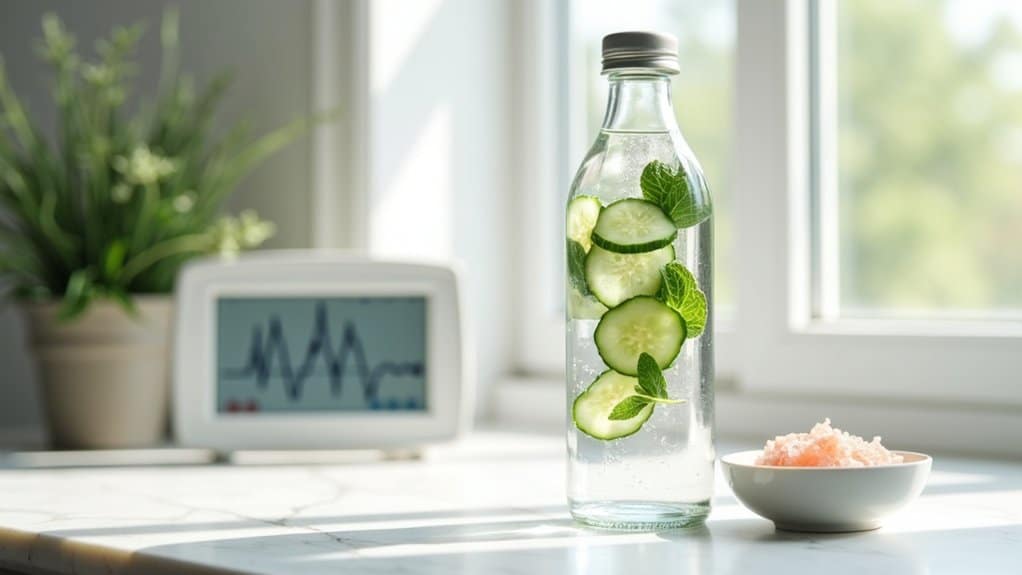
To maintain a healthy heart rhythm, you’ll need to manage both when you drink water and how much you consume throughout the day. Your body relies on consistent fluid intake to maintain blood volume and prevent the cardiac strain that can trigger palpitations during activities or rest periods. Beyond water alone, you must replenish essential electrolytes like potassium, magnesium, and sodium through nutrient-rich foods or supplements to support proper heart signaling and prevent rhythm disturbances. Experts typically recommend consuming eight glasses daily to prevent dehydration-related heart issues. Since alcohol acts as a potent diuretic, increasing water intake becomes especially critical when drinking to counteract fluid loss and minimize the risk of palpitations. Recognizing confusion or disorientation while experiencing palpitations requires immediate medical attention as these symptoms could indicate a severe condition.
Water Timing Matters Most
Since timing of water intake directly influences cardiovascular stability, maintaining consistent hydration throughout the day proves more effective than responding to thirst signals alone. You’ll need to establish a regular hydration frequency by sipping water at steady intervals rather than consuming large amounts sporadically. Limited thirst signals can be especially misleading for older adults trying to maintain proper hydration levels. Maintaining proper electrolyte balance through adequate hydration helps prevent irregular heartbeats.
To optimize fluid balance, space your water intake across morning, afternoon, and evening periods. This approach prevents sudden fluid deficiencies that can trigger palpitations. When exercising or in hot environments, increase your drinking intervals to offset accelerated water loss. Monitor your hydration status through urine color; aim for pale yellow rather than dark shades. Set daily reminders if needed to maintain this consistent pattern, especially during travel or altitude changes where dehydration risks increase. This proactive timing strategy helps stabilize blood volume and supports steady heart rhythm.
Replenish Essential Body Minerals
Beyond maintaining proper water timing, your body requires specific minerals to regulate heart rhythm and prevent palpitations. Focus on replenishing magnesium sources, as this mineral controls electrical impulses in cardiac cells and supports proper potassium absorption. You’ll find magnesium in nuts, seeds, and leafy greens, or consider supplements like magnesium glycinate or citrate if dietary intake isn’t sufficient. Studies show that nearly half of adults may be deficient in magnesium. This essential mineral participates in over 300 enzymatic reactions that help maintain cardiovascular health. Maintaining adequate magnesium levels is crucial since magnesium deficiency can trigger arrhythmias.
Potassium benefits include stabilizing your heart’s electrical conduction system, especially after alcohol consumption depletes your stores. Incorporate potassium-rich foods such as bananas, avocados, and potatoes into your diet. Remember that these minerals work synergistically; your body won’t effectively utilize potassium without adequate magnesium levels. For ideal absorption, pair these minerals with vitamin D, which you can obtain through fatty fish, egg yolks, or controlled sun exposure.
Quick Relief Methods for Alcohol-Induced Palpitations
When alcohol triggers heart palpitations, immediate action can help restore normal cardiac rhythm and prevent symptom escalation. For quick relief, you’ll need to stop drinking immediately and move to a quiet space. Practice deep breathing techniques while sitting or reclining to activate your parasympathetic nervous system and slow your heart rate. Atrial fibrillation risks increase significantly with continued alcohol consumption. Since excessive alcohol consumption can damage heart muscles and affect their ability to pump blood effectively, it’s crucial to address palpitations promptly. You can apply an ice pack to your face to trigger the diving reflex, which naturally reduces heart rate. Try vagal maneuvers like the Valsalva technique or gentle coughing. It’s essential to start hydrating with water and electrolyte-rich fluids, but avoid caffeine. Don’t engage in physical activity, as it may worsen symptoms. If you experience chest pain, fainting, or severe shortness of breath, seek immediate medical attention. Monitor your symptoms using personal health devices or symptom tracking.
Building Long-Term Heart Health Habits
To build lasting protection against heart palpitations, establishing extensive cardiovascular health habits is essential. Your lifestyle changes should focus on thorough heart health practices that reduce your overall cardiovascular risk.
| Core Habit | Implementation Strategy |
|---|---|
| Daily Movement | 150 minutes moderate or 75 minutes vigorous activity weekly |
| Nutrition Focus | Mediterranean-style diet with minimal processed foods |
| Sleep & Stress | 7-9 hours sleep, regular stress management techniques |
Beyond these foundational habits, you’ll need to maintain regular health screenings to monitor blood pressure, cholesterol, and blood sugar levels. If you smoke, work with your healthcare provider to develop a cessation plan. Remember that even small changes, like replacing 30 minutes of sitting time with light activity, can reduce your cardiovascular risk by up to 9%.
Warning Signs and Emergency Response
Knowing how to identify life-threatening heart palpitation symptoms can mean the difference between life and death. You’ll need to watch for severe warning signs like chest pain radiating to your arms, difficulty breathing, or loss of consciousness, all of which require an immediate 911 call. While monitoring your essential signs, stay especially alert for irregular heartbeats lasting more than a few hours or palpitations accompanied by profuse sweating and anxiety, as these symptoms often signal a serious cardiac event requiring urgent medical evaluation.
Recognize Critical Warning Signs
Recognizing vital warning signs of heart palpitations can mean the difference between a manageable condition and a life-threatening emergency. Your ability to identify warning symptoms and palpitation triggers after alcohol consumption is essential for proper medical intervention.
- Persistent irregular heartbeat lasting several minutes, especially when combined with dizziness or fainting
- Shortness of breath accompanied by chest discomfort during palpitation episodes
- Sweating, nausea, or clamminess that occurs alongside your irregular heartbeat
- Swelling in your lower limbs or sudden weight gain while experiencing palpitations
- Palpitations that begin occurring with smaller amounts of alcohol than before, suggesting decreased cardiac tolerance
Monitor these warning signs carefully, particularly if you have underlying cardiovascular conditions, obesity, or hypertension. These symptoms often indicate a need for immediate medical evaluation.
When to Call 911
While monitoring warning signs is important, certain symptoms demand immediate emergency response through 911. Specific palpitation triggers paired with severe symptoms indicate a potential cardiac emergency requiring rapid intervention.
| Emergency Sign | Required Action | Risk Level |
|---|---|---|
| 30+ sec palpitations | Call 911 immediately | High |
| Chest pain/pressure | Request ambulance | Critical |
| Fainting/collapse | Emergency response | Severe |
| Breathing difficulty | Urgent medical care | Critical |
Don’t attempt to drive yourself to the hospital if you’re experiencing these emergency protocols. Instead, remain seated or lying down in a safe location while awaiting emergency services. Alert dispatchers about all accompanying symptoms, especially if you have a history of heart disease or recent stimulant use. Remember, early intervention greatly improves outcomes in cardiac emergencies.
Monitor Your Vital Signs
The systematic monitoring of essential signs provides critical data for identifying dangerous heart rhythm disturbances. By tracking your crucial signs regularly, you’ll establish baseline measurements that help detect abnormal patterns requiring medical attention. Regular crucial sign monitoring can alert you to potentially serious conditions before they become emergencies.
- Check your heart rate regularly; a rate above 100 beats/minute or below 60 beats/minute may indicate a problem
- Monitor your blood pressure, as significant fluctuations can accompany arrhythmias
- Track your oxygen saturation levels using a pulse oximeter, especially if you experience shortness of breath
- Record your temperature to identify potential infections that could trigger palpitations
- Document the timing and duration of symptoms alongside your crucial sign measurements
If you notice concerning patterns or sudden changes in your crucial signs, don’t hesitate to seek immediate medical evaluation.
Frequently Asked Questions
Can Certain Types of Alcohol Cause More Palpitations Than Others?
While you might hear claims about red wine or craft beer being “safer,” research shows that all types of alcohol can trigger palpitations equally. The key factor isn’t the type of beverage but rather the amount of ethanol you consume. Your risk of experiencing palpitations increases with higher alcohol content and quantity consumed, regardless of whether you’re drinking wine, beer, or spirits.
How Long After Drinking Do Heart Palpitations Typically Last?
You’ll typically experience heart palpitations for less than 24 hours after drinking alcohol, though duration factors can vary considerably between individuals. Symptoms may begin immediately or develop 12-36 hours post-drinking. Symptom variations depend on your alcohol consumption level, hydration status, and underlying health conditions. If you’re experiencing palpitations lasting longer than 24 hours or accompanied by chest pain, shortness of breath, or fainting, you should seek immediate medical attention.
Does Eating Food While Drinking Reduce the Risk of Palpitations?
Yes, your food choices and meal timing while drinking can greatly reduce your risk of alcohol-induced palpitations. When you eat protein-rich foods, healthy fats, or complex carbohydrates before and during alcohol consumption, you’ll slow the alcohol’s absorption rate into your bloodstream. This helps prevent rapid blood alcohol spikes and stabilizes your blood sugar levels. You’ll also maintain better electrolyte balance and hydration status, which further protects against post-drinking heart rhythm disturbances.
Are Heart Palpitations From Alcohol More Common in Older Adults?
Actually, you’re less likely to experience alcohol-related heart palpitations as an older adult compared to younger individuals. Studies show no consistent evidence of increased atrial fibrillation risk from moderate alcohol use in older populations. While age factors can affect alcohol sensitivity, younger adults (especially under 60) are more susceptible to acute arrhythmias, particularly with binge drinking patterns. However, chronic heavy drinking can cause structural heart changes regardless of age.
Can Antihistamines Help Prevent Alcohol-Induced Heart Palpitations?
While antihistamines can help with some alcohol-related symptoms, they aren’t recommended for preventing heart palpitations. In fact, combining antihistamines with alcohol can worsen cardiovascular effects and potentially increase your risk of irregular heartbeats. The antihistamine effects may mask dangerous reactions, while alcohol interactions can lead to enhanced sedation and unpredictable heart rhythm changes. If you’re experiencing alcohol-induced palpitations, you’ll need to address the root cause by reducing alcohol consumption.