You should stop drinking alcohol at least 48 hours before your colonoscopy. Alcohol acts similarly to blood thinners, increasing your bleeding risk during the procedure. It also interacts unpredictably with sedation drugs, potentially causing dangerous respiratory complications. Even one drink can accelerate dehydration during bowel prep and leave residue that obscures your doctor’s view of polyps and tissue inflammation. Understanding exactly how alcohol affects each stage of your procedure will help you prepare safely.
Stop Drinking Alcohol 48 Hours Before Your Colonoscopy
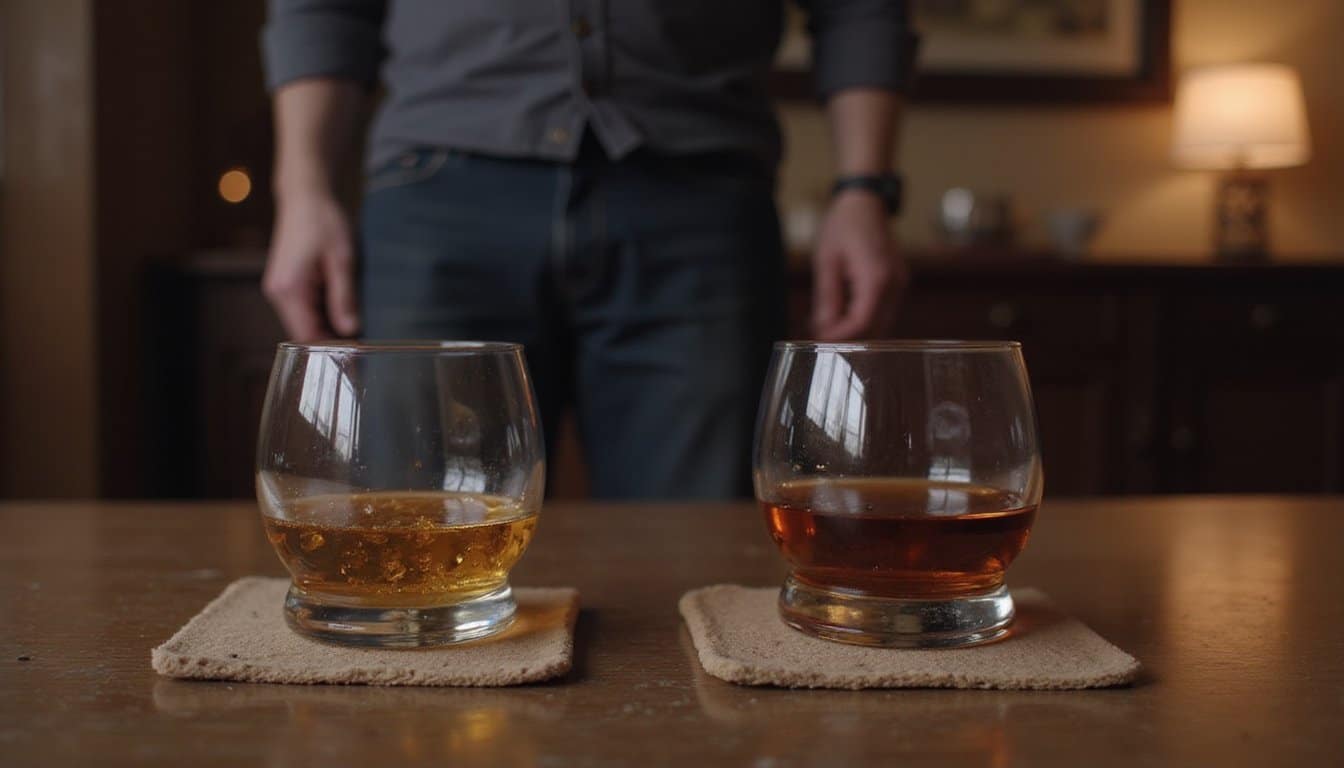
Why does the timing of your last alcoholic drink matter so much before a colonoscopy? Alcohol affects your body in ways that directly compromise procedure safety and effectiveness.
You should stop drinking at least 48 hours before your scheduled colonoscopy. Alcohol acts similarly to blood thinners, increasing bleeding risks when the colonoscope examines your gastrointestinal tract. It also interferes with anesthesia and sedation, potentially causing dangerous respiratory complications during the procedure. Enhanced sedative effects from alcohol can lead to breathing problems and impaired judgment during your colonoscopy. Alcohol may interact with sedatives used during the procedure, creating unpredictable and potentially harmful reactions.
Alcohol isn’t classified among permitted clear liquids despite its appearance. It disrupts bowel prep effectiveness, leaving residue that obscures your doctor’s view. Additionally, alcohol causes dehydration, which compounds fluid loss from preparation solutions.
Following this 48-hour guideline prevents procedure complications and guarantees accurate results without the need for rescheduling.
Will One Drink Actually Ruin Your Colonoscopy?
Even one drink can compromise your colonoscopy because alcohol interacts dangerously with the sedatives you’ll receive, potentially slowing your heart rate and breathing to unsafe levels. Your body’s already working hard to eliminate fluids during bowel prep, and adding alcohol accelerates dehydration faster than you might expect. Alcohol also impairs the digestive system and can delay your body’s ability to heal any small tears that may occur during the procedure. The lingering sedatives can impair coordination, judgment, and reaction time for several hours after your procedure, making alcohol consumption even more risky. If you’ve slipped up and had a drink within the 48-hour window, contact your medical team immediately, rescheduling is safer than risking sedation complications.
The Short Answer: Yes
A single alcoholic beverage consumed within 24-48 hours of your colonoscopy can compromise the entire procedure’s effectiveness. Even minor consumption impact extends beyond what you might expect, one drink triggers dehydration risks that compound with bowel prep fluid loss, undermining the clear liquids you’ve carefully consumed.
Bowel prep interference occurs because alcohol disrupts intestinal function, reducing your colon’s cleansing quality. General prohibitions exist for good reason: alcohol timing guidelines require complete abstinence during your liquid diet phase. Although alcohol may technically be a clear liquid, it can cause dehydration and should be avoided entirely during preparation. You should also avoid foods with red, blue, or purple dyes during your prep days, as these can be mistaken for blood or abnormalities during the procedure.
Your body won’t achieve optimal function if you’ve consumed alcohol, and this affects how you metabolize sedation and prescribed medications. Like tobacco, alcohol introduces variables that threaten procedure accuracy. The evidence is clear, skip that drink entirely to guarantee your screening delivers reliable, actionable results.
Sedation Safety Concerns
Because alcohol affects the same neurological pathways as sedation drugs, consuming even one drink before your colonoscopy creates unpredictable anesthesia interactions that threaten your safety. Sedation interference occurs when your body processes anesthesia slower, making accurate dosing nearly impossible for your anesthesiologist.
Single drink dangers extend beyond sedative effects. Alcohol slows your central nervous system, compounding respiratory complications that can suppress breathing to life-threatening levels. Cardiovascular risks include blood pressure fluctuations and heart rate irregularities during the procedure.
Dehydration from alcohol worsens electrolyte imbalances, further destabilizing your body’s response to sedation. Recovery delays occur as your system prioritizes alcohol detoxification over healing. Since colonoscopy typically involves a blend of benzodiazepines and opioids for moderate sedation, adding alcohol to this mix creates dangerous compounding effects. Even minimal consumption triggers anesthesia metabolism issues that may result in procedure cancellation, or worse, require a repeat colonoscopy due to compromised results. This is why doctors recommend a zero-tolerance policy for all types of alcohol, including wine, beer, and spirits, in the 24-48 hours before your procedure.
Dehydration Compounds Quickly
While your sedation safety concerns are valid, dehydration poses an equally serious threat when alcohol enters the equation during colonoscopy prep. Alcohol’s diuretic effects accelerate fluid loss precisely when your body needs maximum hydration for effective bowel prep.
The compounding alcohol effects create a dangerous cycle that compromises screening accuracy:
- Your drinking protocol violations trigger increased urination while laxatives simultaneously eliminate fluids
- Dehydration impairs bowel cleansing, leaving residue that obscures tissue inflammation and polyps
- Inadequate hydration causes dizziness and fatigue, complicating procedure tolerance
- Poor prep quality increases procedure complications and rescheduling likelihood
Even one drink within 24 hours counters your clear liquid intake benefits. Monitor your stool clarity, it should resemble clear liquids when prep succeeds. Prioritize electrolyte drinks to maintain fluid balance throughout preparation.
Alcohol Worsens Dehydration During Bowel Prep
How does alcohol intensify dehydration during an already demanding bowel prep process? Alcohol’s diuretic effect suppresses vasopressin, forcing your kidneys to eliminate water rather than reabsorb it. This fluid loss compounds the already significant elimination occurring during bowel prep.
Alcohol also causes intestinal irritation that impairs water absorption in your digestive tract. The combination accelerates gut transit time, leaving insufficient opportunity for your large intestine to reclaim necessary fluids. You’ll experience increased risk of symptoms like dizziness, dark urine, and rapid heart rate. Staying hydrated by drinking water before, during, and after drinking alcohol can help counteract these effects.
Dehydration during prep raises concerns about incomplete cleansing, potentially requiring a repeat procedure. Chronic drinking further damages your intestinal lining, worsening these effects. Over time, frequent alcohol consumption can permanently damage the digestive tract, making bowel prep even more challenging. Safe timing means stopping alcohol consumption at least 24-48 hours before your colonoscopy to maintain proper hydration throughout the preparation process.
Alcohol Can Make Your Sedation Unpredictable
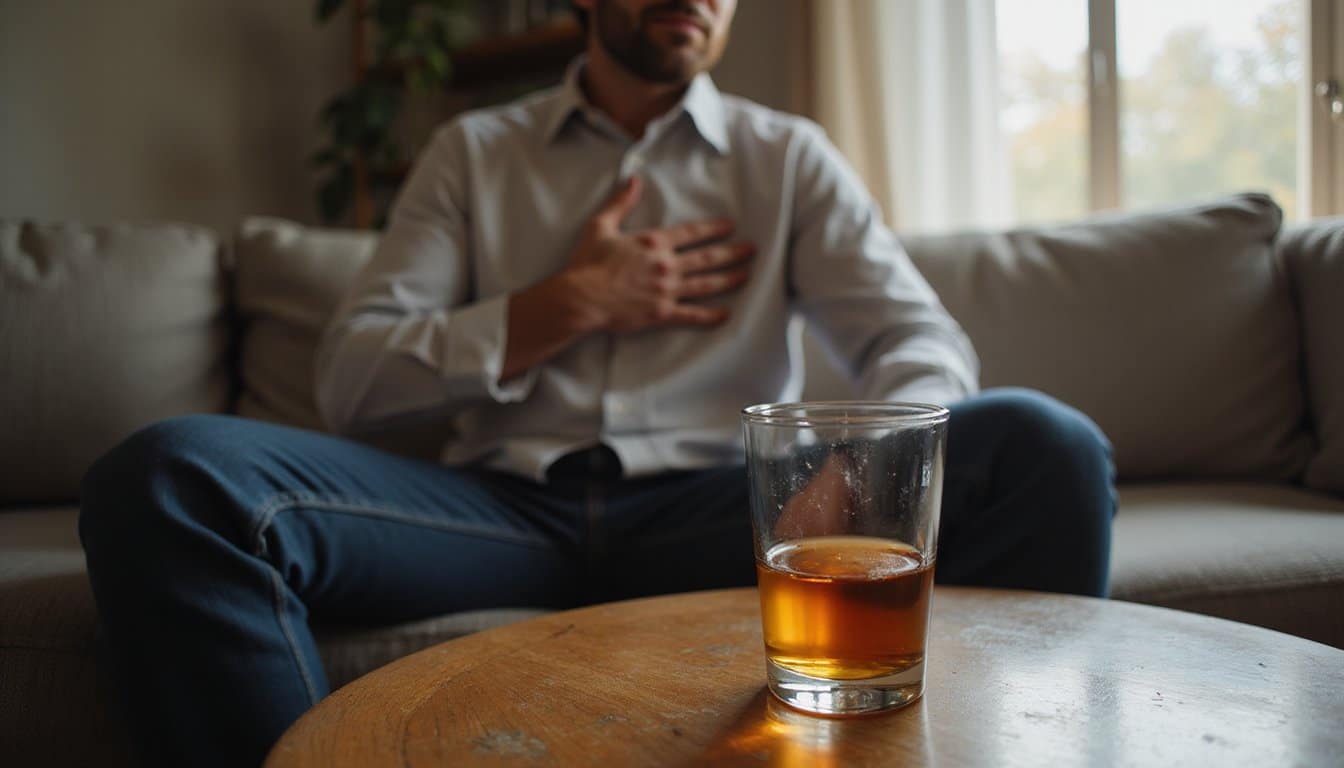
Why does alcohol create such dangerous unpredictability with colonoscopy sedation? When you consume alcohol before your procedure, you introduce significant sedation interaction risks that compromise your safety. Your body processes sedatives differently with alcohol present, leading to unpredictable anesthesia dosing challenges for your medical team.
Alcohol before your colonoscopy creates dangerous sedation unpredictability, making safe anesthesia dosing nearly impossible for your medical team.
The compounded side effects include:
- Respiratory depression that slows or stops your breathing
- Cardiovascular issues affecting heart rate and blood pressure
- Prolonged recovery time from impaired anesthesia metabolism
- Severe complications including potential coma in extreme cases
These procedure safety implications demand strict adherence to the recommended abstinence timeline of 24-48 hours before your colonoscopy. Even moderate drinking adds organ stress that interferes with how sedatives clear your system, making accurate dosing nearly impossible and jeopardizing your procedural outcomes. After your procedure, you should also avoid alcohol for at least 24 hours since it can interact with lingering sedatives and increase side effects like dizziness or dehydration.
Wine, Beer, and Liquor All Affect Your Colonoscopy Equally
Whether you prefer wine, beer, or liquor, all alcoholic beverages create identical risks for your colonoscopy, there’s no “safer” option. Every type of alcohol dehydrates your body, counteracting the fluid balance you need during bowel prep and compromising the cleansing process that gives your gastroenterologist a clear view. Additionally, all forms of alcohol interfere with how your body metabolizes sedation, making your anesthesia response unpredictable regardless of what you drank. Whether you prefer wine, beer, or liquor, all alcoholic beverages create identical risks for your colonoscopy, there’s no “safer” option, which directly addresses questions like can you drink alcohol 5 days before a colonoscopy in the context of preparation and safety. Every type of alcohol dehydrates your body, counteracting the fluid balance required for effective bowel prep and compromising the cleansing process that gives your gastroenterologist a clear view. Additionally, all forms of alcohol interfere with how your body metabolizes sedation, making your anesthesia response unpredictable regardless of what you drank.
No Safe Alcohol Type
Because all alcoholic beverages contain ethanol, the compound responsible for alcohol’s physiological effects, wine, beer, and liquor carry identical risks when consumed before a colonoscopy. Your alcohol type doesn’t change sedation interaction dangers, immune system suppression, or bowel preparation disruption.
Regardless of what you drink, you’ll face the same complication potential:
- Respiratory depression occurs when any alcohol combines with procedural anesthesia
- Infection risk increases as ethanol weakens your body’s defenses during instrument insertion
- Diagnostic accuracy suffers when alcohol compromises laxative solution effectiveness
- Procedure postponement becomes necessary if you consume alcohol day-of
Clear spirits offer no safety advantage despite their transparent appearance. Timing recommendations remain consistent: avoid all alcoholic beverages for 24-48 hours minimum. Don’t assume wine’s antioxidants or beer’s lower alcohol content provide protection, they don’t.
Dehydration Risks Apply Universally
Beyond sedation dangers and diagnostic interference, alcohol’s dehydrating properties create a compounding threat during colonoscopy preparation. All alcohol types, wine, beer, and liquor, trigger diuresis equally, increasing urination and accelerating fluid loss when your body can least afford it.
Your bowel prep already demands significant fluid elimination for effective colon cleaning. Adding alcohol’s dehydrating effects amplifies this loss, directly undermining bowel prep effectiveness. The result? Poor cleansing that compromises imaging quality and increases complication odds. Alcohol can also irritate the bowel and leave behind substances that the preparation might miss, making visualization during the procedure more difficult. When your colon is properly cleaned, you should see yellow liquid stool indicating readiness for the procedure.
Dehydration risks extend beyond incomplete preparation. You may experience low blood pressure, dizziness, fainting, and dark urine, symptoms that signal dangerous hydration disruption. Beer’s carbonation adds bloating to these concerns, while spirits deliver concentrated alcohol that accelerates fluid depletion.
No alcohol type exempts you from these universal risks. Choose electrolyte drinks instead to maintain proper hydration throughout your prep.
All Beverages Impair Sedation
While the previous section addressed dehydration risks across all alcohol types, the sedation dangers these beverages create demand equal attention, ethanol’s central nervous system depressant effects don’t discriminate based on whether you’re drinking wine, beer, or liquor.
Alcohol content determines sedation effectiveness, not beverage type. Your liver metabolism becomes overwhelmed processing both ethanol and anesthesia simultaneously, increasing complications.
Key sedation risks across all alcohol types:
- Respiratory depression intensifies when alcohol amplifies benzodiazepine and opioid effects
- Cardiovascular strain affects heart rate and blood pressure stability during the procedure
- Nausea and dizziness worsen during recovery as your liver struggles with dual metabolic demands
- Cognitive impairment reduces your ability to follow bowel cleansing protocols and post-procedure instructions
Beer’s dehydration effects, wine’s liver competition, and spirits’ rapid absorption all compromise your colonoscopy equally.
Alcohol Makes Polyps Harder to Detect
Alcohol consumption ramps up your risk of developing colorectal polyps through a well-documented biological mechanism, when your body metabolizes alcohol, it produces acetaldehyde, a known carcinogen that directly damages DNA in colon cells. This DNA damage promotes mutations that increase high-risk polyps and advanced adenomas over time.
Heavy drinkers face elevated adenoma count and larger polyp sizes, which complicates polyp detection during colonoscopy. A recent Korean study found that heavy drinking men had a 26% increased risk of distal colon cancer compared to light drinkers. When combined with suboptimal bowel prep, visibility decreases remarkably, raising miss rates for both adenomatous and hyperplastic polyps. Since all polyps have the potential to become cancerous if not detected, ensuring optimal visualization during your procedure is critical.
| Risk Factor | Impact on Detection |
|---|---|
| Heavy alcohol use | 70% frequency of adenomas >10mm |
| Poor bowel prep | Reduced visibility of polyps |
| Multiple adenomas | Individual polyps harder to identify |
| High-grade dysplasia | Requires ideal imaging for detection |
What to Drink Instead of Alcohol Before Your Colonoscopy
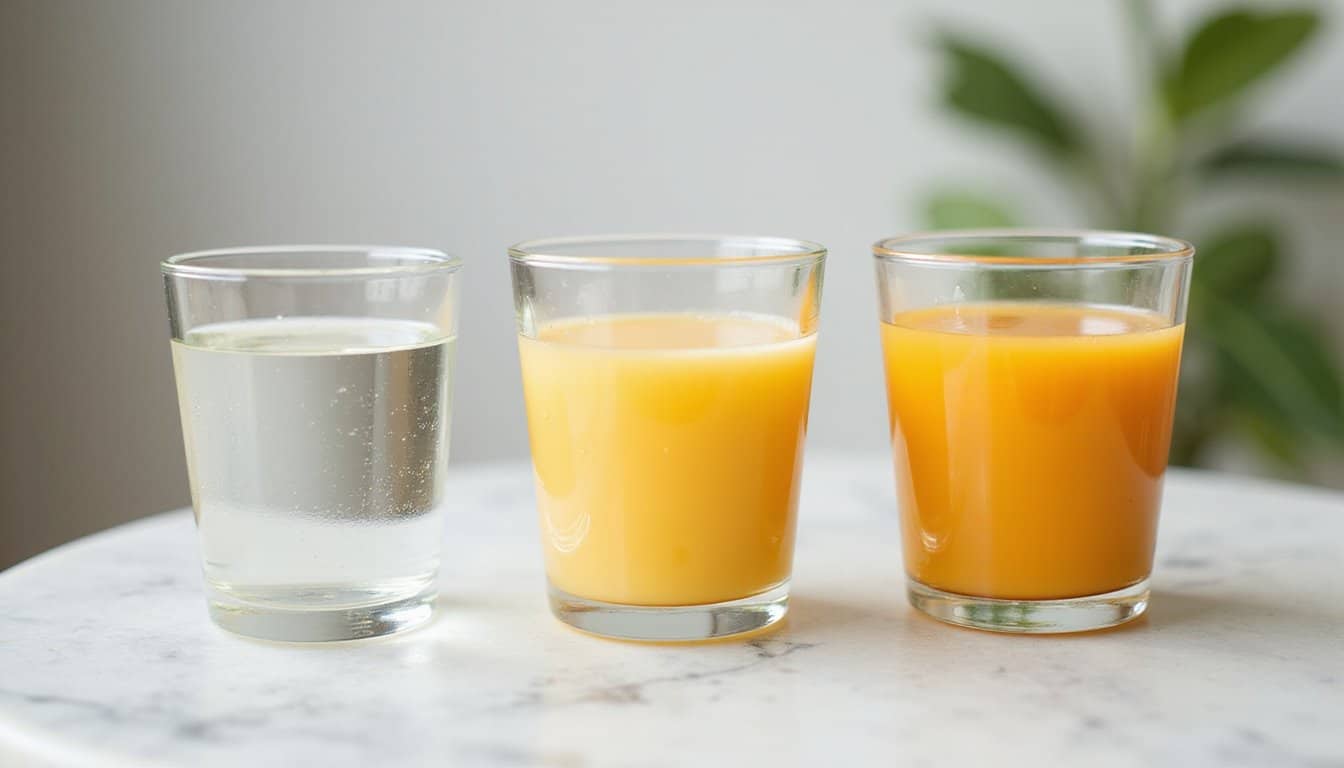
The clear liquid diet required the day before your colonoscopy offers numerous hydrating options that support successful bowel prep without compromising procedure outcomes. Once you stop drinking alcohol according to your timing instructions, you’ll focus on clear liquids that meet strict beverage guidelines.
Your pre-procedure preparation allows these clear beverages:
- Plain water, apple juice without pulp, and white grape juice
- Clear broth including chicken, beef, or bouillon
- Tea or black coffee without milk or cream
- Ginger ale, Sprite, or non-red sports drinks like Gatorade
These options satisfy hydration requirements while avoiding prohibited substances that interfere with imaging. Following safe practices means consuming 12 tall glasses of approved liquids daily during colonoscopy prep. Avoid any red, orange, or purple beverages, as these dyes can mask abnormalities during examination.
What Happens If You Drink Alcohol Before Your Colonoscopy?
Understanding what beverages you can safely consume helps you prepare effectively, but knowing the consequences of drinking alcohol before your colonoscopy proves equally important for procedure success.
When you don’t avoid alcohol within 24-48 hours of your procedure, you’ll face significant dehydration risks that compound bowel prep fluid loss. Wine, beer, and spirits all cause interference with bowel cleansing by leaving residue that obscures polyps and abnormalities.
The sedation and anesthesia interactions present serious dangers. Alcohol enhances sedative effects, potentially causing respiratory depression and cardiovascular complications. Your medical team may struggle to achieve safe sedation levels.
The impact on procedure results can’t be overstated. Poor colon visibility leads to missed abnormalities, eliminating any accuracy boost from proper preparation. You may require repeat procedures, delaying critical diagnoses and extending your overall screening timeline.
Why Doctors Require Zero Alcohol Before Colonoscopy
When your gastroenterologist instructs you to eliminate alcohol before a colonoscopy, they’re addressing multiple physiological concerns that directly impact procedure safety and diagnostic accuracy. These safety protocols exist because alcohol compromises nearly every aspect of successful colonoscopy outcomes.
Doctors require zero alcohol for these critical reasons:
- Dehydration prevention, Alcohol’s diuretic effects compound fluid loss from bowel prep, compromising hydration status essential for procedure outcomes.
- Bowel cleansing effectiveness, Dehydration reduces laxative efficacy, potentially requiring procedure rescheduling.
- Interference with sedative medications, Alcohol unpredictably affects how your body metabolizes IV sedation, increasing adverse reaction risks.
- Gastrointestinal irritation and inflammation, Alcohol irritates gut tissue, hindering clear visualization needed for accurate detection.
Additionally, colon staining and diagnostic interference from red wine can create false positives, while stained tissue obscures legitimate abnormalities.
Knowing When to Stop Drinking Before a Colonoscopy
Preparing for a colonoscopy can bring a lot of small but important questions, and many people feel unsure about when they should stop drinking alcohol before the procedure. Alcohol can interfere with hydration and the bowel preparation process, which can make the experience more stressful if you’re already feeling anxious about the test. If questions about alcohol and your health are starting to feel overwhelming, an Inpatient alcohol treatment center can connect you with trusted treatment centers and professionals who understand how alcohol impacts your body and recovery. Call +1-855-955-0771 today and let us help you take that first step toward healing, completely confidential and ready to help.
Frequently Asked Questions
Can I Drink Alcohol the Night After My Colonoscopy Procedure Is Completed?
You should avoid alcohol the night after your colonoscopy. Sedatives remain in your system for up to 24 hours, and alcohol intensifies their effects, increasing risks of dizziness, fatigue, and slowed breathing. Your body’s also recovering from dehydration caused by bowel prep, and alcohol worsens this while irritating your healing GI tract. Stick to water, clear broths, and electrolyte drinks instead. Wait at least 24 hours before consuming any alcoholic beverages.
Does Taking Alcohol-Based Medications Like Nyquil Count as Drinking Before Colonoscopy?
Yes, taking alcohol-based medications like NyQuil counts as alcohol intake before your colonoscopy. Liquid NyQuil contains approximately 10% alcohol, which can cause the same complications as alcoholic beverages, dehydration, sedation interference, and impaired bowel prep effectiveness. You should avoid any alcohol-containing tinctures, syrups, or medications during your preparation period. Contact your provider about alcohol-free alternatives to manage cold symptoms safely before your procedure.
Will Mouthwash Containing Alcohol Affect My Colonoscopy Preparation or Results?
Alcohol-containing mouthwash won’t affect your colonoscopy preparation or results when used as directed. You’re rinsing and spitting, not swallowing, so minimal alcohol enters your system. Medical guidelines distinguish between topical oral rinses and consumed alcoholic beverages. You can safely use mouthwash during your prep period. However, if you’re concerned about accidentally swallowing some, switch to an alcohol-free mouthwash or simply rinse with water instead.
How Long After Colonoscopy Sedation Wears off Is It Safe to Drink Alcohol?
You should wait at least 24 hours after your colonoscopy before drinking alcohol. Sedatives like benzodiazepines and opioids remain in your system longer than you’d expect, and mixing alcohol with these lingering medications can amplify depressant effects, causing excessive drowsiness or respiratory issues. If your doctor removed polyps, extend this period to 48-72 hours, as healing tissues are particularly vulnerable. Always follow your healthcare provider’s specific post-procedure instructions.
Should I Disclose My Regular Drinking Habits to My Gastroenterologist Before Colonoscopy?
Yes, you should disclose your regular drinking habits to your gastroenterologist before your colonoscopy. Your alcohol consumption directly affects how your body responds to sedation and influences your dehydration risk during bowel prep. This information helps your medical team tailor prep instructions, adjust sedation levels appropriately, and anticipate potential complications. Non-disclosure can lead to suboptimal bowel cleansing, sedation issues, or increased bleeding risk, all of which compromise your procedure’s safety and effectiveness.