
Beer doesn’t inherently cause more weight gain than wine or liquor when you compare standard servings. A 12-ounce regular beer contains 150-180 calories, while a 5-ounce glass of wine has 120-123 calories and a 1.5-ounce shot of liquor runs 97-115 calories. However, research shows your drinking patterns matter more than your drink choice, moderate, frequent consumption produces better outcomes than occasional heavy drinking. The real factors behind alcohol-related weight gain might surprise you.
Does Beer Really Cause More Weight Gain Than Wine?
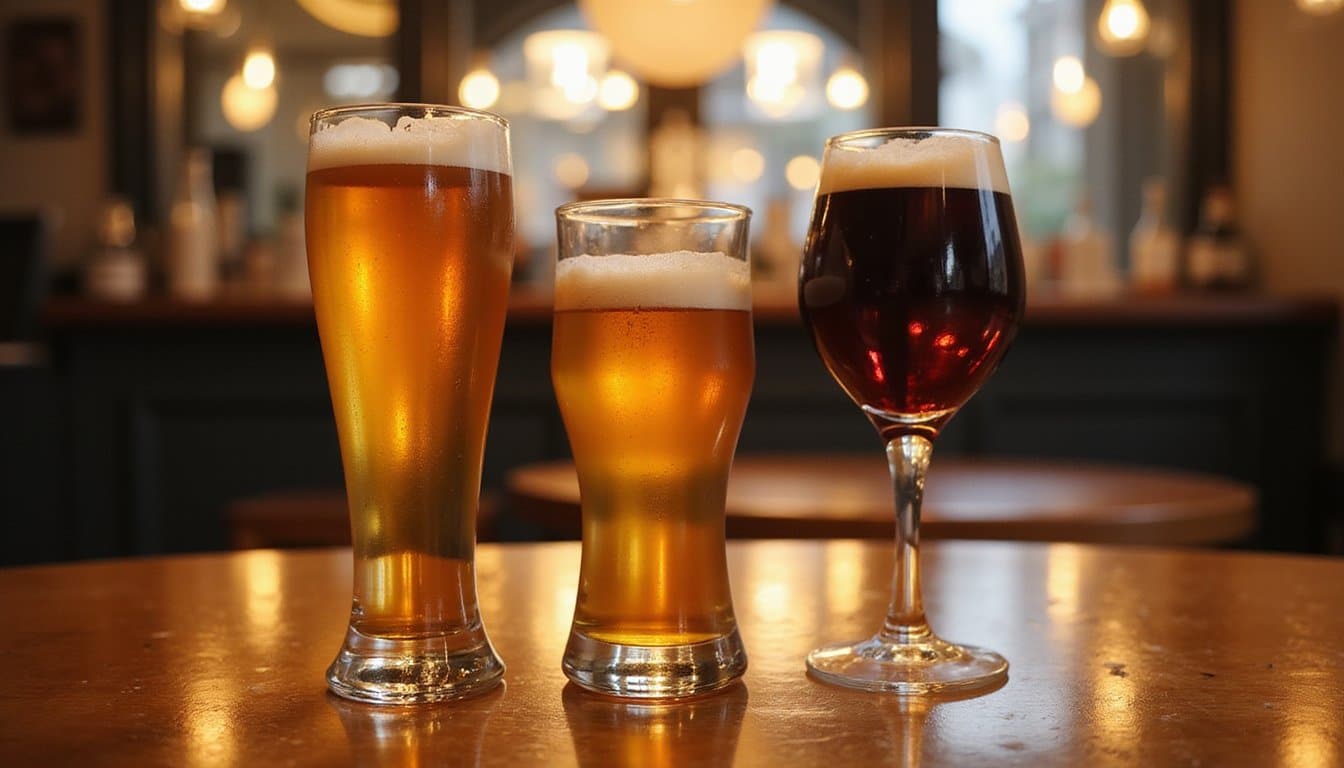
Many people blame beer for belly fat, but research tells a more nuanced story. When examining does beer make you fat, moderate consumption shows no significant relationship to increased waist size compared to nondrinkers. Czech studies found beer-drinking men had similar body fat proportions to abstainers. Many people blame beer for belly fat, but research tells a more nuanced story. When examining does beer make you fat, moderate consumption shows no significant relationship to increased waist size compared to nondrinkers, which reframes conversations about how to lose a beer belly in 30 days toward overall calorie balance and lifestyle rather than beer alone. Czech studies even found beer-drinking men had similar body fat proportions to abstainers, suggesting excess calories and inactivity, not beer itself, are the primary drivers of abdominal fat gain.
However, beer and weight gain connections do exist in certain contexts. Beer provides more energy per standard drink than wine due to carbs in beer. Does beer put on weight more than wine? Wine drinkers actually tend to be thinner, with women showing smaller abdominal measurements than abstainers. The research also revealed that frequent, light-to-moderate drinking produced smaller stomachs compared to sporadic heavy drinking sessions. A recent study found that beer-only drinkers scored lowest on the Healthy Eating Index at just 49 out of 100, while also reporting the highest total daily caloric intake and lowest physical activity levels.
Beer vs. Wine vs. Liquor: A Calorie Breakdown
Understanding how beer compares to wine requires looking beyond general trends and examining the actual calorie content of each drink.
When you compare standard servings, beer calories range from 100 in light varieties to 300 in craft options per 12-ounce serving. Wine calories fall between 120-123 per 5-ounce glass for most varietals, while liquor calories hover around 97-115 per 1.5-ounce shot.
Light beers start at 100 calories while craft options can hit 300, making your choice matter more than you think.
Serving size comparisons reveal why beer weight gain concerns persist. A regular 12-ounce beer contains 150-180 calories, roughly 50% more than a standard wine pour. However, wine overpours reaching 8-10 ounces can exceed 200 calories, closing that gap substantially.
Spirits appear lowest in calories, but mixers change everything. Plain vodka contains 97 calories, yet cocktails can triple that amount quickly. Sweetened and flavored spirits also pack more calories than their unflavored counterparts, making drink selection crucial for calorie-conscious consumers. Adding mixer drinks like cola or tonic water contributes additional calories that can significantly increase the total calorie count of your beverage.
What Weight Gain Studies Actually Found
While calorie counts suggest beer should cause more weight gain than wine or liquor, research findings tell a more complicated story. Studies show mixed results, some find positive associations between alcohol intake and weight gain, while others show inverse or no relationship at all.
Research indicates moderate drinking (one to two drinks daily) isn’t consistently linked to higher BMI. In fact, women who consumed moderate amounts actually gained less weight over time compared to nondrinkers. However, heavy drinking patterns show different outcomes, with positive associations between consumption and abdominal adiposity. Understanding how long does it take to lose beer belly fat is crucial for those looking to improve their health. Factors such as diet, exercise, and metabolic rate all play significant roles in this process. By focusing on a balanced approach that includes reducing caloric intake and increasing physical activity, individuals can see results over time.
Beverage type does appear to matter. Wine consistently shows more favorable outcomes than other alcoholic drinks. Yet researchers acknowledge limitations exist across studies, and alcohol’s independent role in weight gain remains unclear. One study of college freshmen found that drinking patterns and alcohol calorie intake were not associated with weight or waist circumference changes, even among at-risk drinkers. It’s worth noting that BMI remains the primary measurement tool in these studies, despite not directly measuring body fat and having interpretational issues based on factors like ethnicity, age, and sex. Beverage type does appear to matter, with wine consistently showing more favorable outcomes than other alcoholic drinks. Yet researchers acknowledge important limitations across studies, and alcohol’s independent role in weight gain remains unclear, fueling questions such as does alcohol slow metabolism permanently. One study of college freshmen found that drinking patterns and alcohol calorie intake were not associated with changes in weight or waist circumference, even among at-risk drinkers. It’s also worth noting that BMI remains the primary measurement tool in these studies, despite not directly measuring body fat and having interpretational limitations related to ethnicity, age, and sex.
Why Wine Drinkers Stay Thinner (Hint: It’s Not the Wine)
You might assume wine itself keeps drinkers slimmer, but research points to a different explanation, lifestyle factors do most of the heavy lifting. Wine drinkers tend to maintain higher physical activity levels, smoke less, and follow healthier dietary patterns like the Mediterranean diet. These habits likely explain their lower BMI more than the beverage itself.
That said, polyphenols and antioxidants in wine may offer modest benefits. Red wine contains approximately 200 mg of polyphenols per 100 ml, which can reduce inflammation linked to obesity. Additionally, resveratrol found in red wine may inhibit sugar-to-fat conversion, potentially offering another mechanism for weight management.
Research reveals gender and consumption differences worth noting. Men show stronger associations between beer intake and weight gain, largely because beer drinkers report the highest total daily caloric intake. Meanwhile, moderate wine drinkers, regardless of sex, consistently demonstrate lower obesity risk tied to their overall lifestyle choices. Studies also show that drinking frequency matters more than total alcohol intake when it comes to obesity risk, with frequent consumption of small amounts being the optimal pattern.
The Best Alcohol Choices for Weight Management

Most research points to light beer and wine as the better options if you’re watching your weight. Light beer shows a slight negative association with weight gain, while moderate wine intake appears protective. Regular beer calories and liquor calories contribute more substantially to weight gain over time.
| Drink Type | Weight Change (per drink/day over 4 years) | Best Practice |
|---|---|---|
| Light Beer | -0.38 lbs | Choose over regular |
| Wine | +0.16 lbs | Stick to moderate portions |
| Liquor | +0.28 lbs | Avoid sugary mixers |
Your best strategy isn’t eliminating alcohol entirely, it’s practicing moderation. Wine calories and beer calories matter less than total intake. Heavy drinking consistently drives weight gain regardless of beverage type, so keeping consumption light remains your most evidence-based approach. Interestingly, research shows that drinking frequency matters too, for a given level of total alcohol intake, occasional drinkers had higher odds of obesity compared to daily drinkers who spread their consumption out. One reason alcohol impacts weight is that it prevents dietary fat from being burned, causing your body to store more fat instead of using it for energy.
Frequently Asked Questions
Does Alcohol Slow Down Fat Burning Even if Calories Are Moderate?
Yes, alcohol slows down your fat burning even when you keep calories moderate. When you drink, your liver prioritizes metabolizing alcohol over other nutrients, which shifts your body’s fuel-burning hierarchy away from breaking down stored fat. This means fat oxidation decreases and fat retention increases while alcohol is in your system. You’ll experience this metabolic disruption regardless of whether your total calorie intake stays within recommended limits.
Can Switching to Light Beer Actually Help Prevent Weight Gain?
Yes, switching to light beer can help prevent weight gain. Light beer contains fewer calories than regular beer, and studies show light-to-moderate beer drinkers often have smaller waist circumferences and less weight gain over time compared to heavy drinkers or even non-drinkers. You’ll save significant calories per serving, and research indicates moderate consumption under 17oz daily doesn’t increase body weight or belly fat long-term.
Why Does Liquor Cause More Belly Fat Than Beer or Wine?
Liquor doesn’t necessarily cause more belly fat than beer or wine, research actually shows regular beer leads to greater weight gain (0.61 pounds over 4 years per daily drink) compared to liquor (0.28 pounds). However, your body prioritizes metabolizing alcohol over fats and carbs, which promotes fat storage regardless of drink type. Liquor’s belly fat reputation likely stems from cocktail mixers and drinking patterns rather than the spirit itself.
Do Mixers or Chasers Matter More Than the Alcohol Itself?
Mixers often matter more than the alcohol itself when it comes to calorie intake. While pure spirits contain relatively few calories, adding juices, sodas, or sweetened mixers can substantially/considerably/markedly increase your drink’s calorie and carb content. You’ll consume fewer calories choosing spirits with low-calorie mixers or drinking wine and beer without additions. The alcohol provides empty calories, but sugary mixers can double or triple your total intake per drink.
How Long After Drinking Does Alcohol Affect Metabolism and Fat Storage?
Alcohol starts affecting your metabolism within minutes of your first sip. Once absorbed, your liver prioritizes breaking down alcohol over burning fats and carbs, halting fat oxidation for 2-12 hours depending on how much you’ve consumed. Elevated cortisol levels can persist 12-24 hours, promoting fat storage. If you’ve eaten, these effects extend longer. Heavy drinking can inhibit lipid oxidation for up to 24 hours afterward.