Hydration and Electrolyte Balance for Withdrawal Recovery
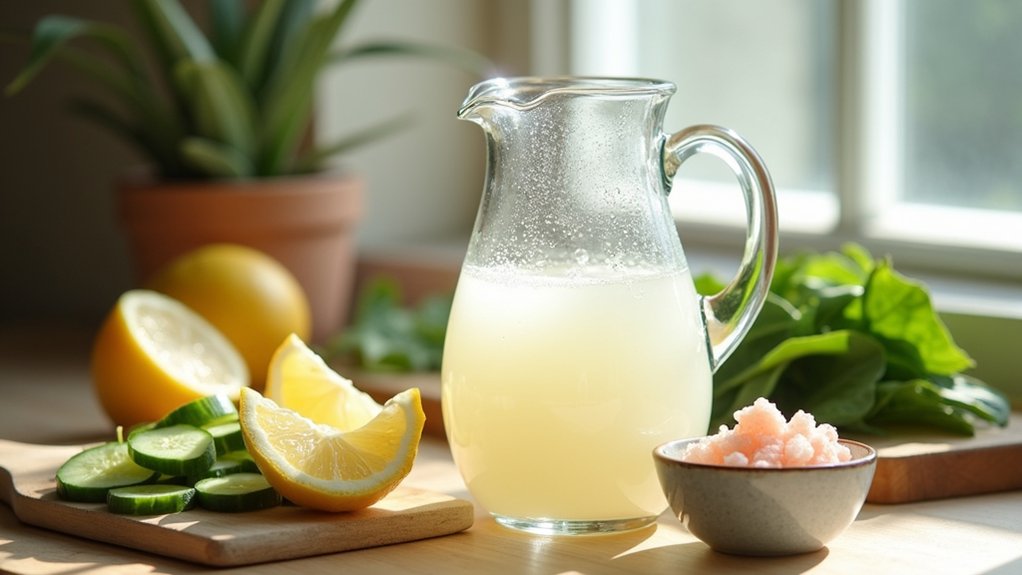
When you stop drinking after heavy or prolonged alcohol use, your body faces a significant fluid and electrolyte crisis. Chronic alcohol consumption elevates ADH levels, causing your body to retain water and electrolytes. Upon cessation, you’ll excrete this excess over several days, triggering dehydration that worsens symptoms like tremors, anxiety, and rapid heartbeat.
Electrolyte supplementation becomes critical during acute withdrawal management. You’re likely deficient in magnesium, potassium, phosphorus, and sodium, imbalances that cause muscle dysfunction, heart rhythm disturbances, and potentially seizures. Additionally, withdrawal symptoms like nausea, vomiting, and sweating can further exacerbate dehydration and worsen these dangerous electrolyte imbalances.
Don’t rely on water alone. Use oral rehydration solutions or electrolyte beverages containing sodium, potassium, and magnesium. Coconut water serves as an excellent natural option that helps replace minerals lost during the withdrawal process. Monitor for severe symptoms like confusion or irregular heartbeat, which require immediate medical intervention with intravenous fluids. Proper hydration supports toxin elimination and stabilizes brain chemistry during recovery.
Nutrient-Dense Foods That Restore Your Body During Detox
Because alcohol depletes essential vitamins, minerals, and amino acids over time, you’ll need to prioritize nutrient-dense whole foods to restore what your body has lost. Dark leafy greens like kale and spinach deliver folate, magnesium, and iron critical for red blood cell formation and nervous system repair. Whole grains provide B vitamins, particularly thiamine, which chronic alcohol use severely depletes.
Lean proteins and legumes supply amino acids necessary for tissue repair and muscle preservation. Consuming adequate protein also stabilizes blood sugar levels, which is particularly important during the withdrawal phase when cravings can intensify. These amino acids serve as building blocks for neurotransmitters like serotonin and dopamine that regulate mood during recovery. Omega 3 fatty acids from fish, nuts, and seeds support brain structure recovery and reduce inflammation. Antioxidant rich superfoods, including berries and citrus fruits, combat oxidative damage while replenishing vitamins A and C. Adequate hydration is equally essential for flushing toxins from your system and preventing complications during the detox process.
However, severe nutritional deficiencies may require medical intervention beyond dietary changes. Consult a healthcare provider if symptoms persist.
Herbal Supplements to Ease Cravings and Support Liver Health

Although nutrient-dense foods form the foundation of recovery, certain herbal supplements may offer additional support for liver health and craving reduction during alcohol detox.
Milk thistle (silymarin) has demonstrated liver-protective effects in clinical studies, with doses around 140 mg three times daily showing improved liver enzyme profiles. Silymarin synergies with other botanicals may enhance hepatocyte regeneration through antioxidant and membrane-stabilizing mechanisms. In clinical studies, silymarin decreased ALT and AST in alcoholic liver disease and improved 4-year survival rates in patients with cirrhosis. Silymarin may also help support glutathione levels, which plays a critical role in the body’s detoxification processes.
Kudzu root contains isoflavones like puerarin and daidzin that may help reduce alcohol cravings by modulating alcohol-metabolizing enzymes. However, its phytoestrogenic properties warrant caution for estrogen-sensitive individuals. Some individuals also find that L-glutamine supplementation may help reduce cravings by playing a role in regulating neurotransmitters.
Antioxidant combinations including curcumin and green tea polyphenols show promise in experimental models for reducing liver inflammation and fat accumulation.
You should consult your healthcare provider before starting any supplement regimen, as robust human trials remain limited and interactions may occur.
Mind-Body Practices for Managing Anxiety and Stress
Given that anxiety and hyperarousal commonly intensify during alcohol withdrawal, mind-body practices offer evidence-based tools to help regulate your nervous system without medication.
Mindfulness and Breathing Techniques
Slow, diaphragmatic breathing activates your parasympathetic nervous system, lowering cortisol levels and countering withdrawal-driven stress responses. Daily mindfulness meditation, even 10, 20 minutes, reduces rumination and improves emotional regulation, decreasing reactivity to cravings. Body scan meditation brings awareness to physical sensations and can help reduce muscle tension that often accompanies withdrawal.
Diaphragmatic breathing and daily mindfulness activate your body’s natural calming response, helping regulate stress and reduce cravings during withdrawal.
Guided Imagery Techniques
Visualization of calming scenes shifts attention away from discomfort and intrusive worry. Repeated practice creates conditioned relaxation, helping anxiety diminish faster over time. These techniques also promote oxygen flow and circulation, supporting your body’s natural healing processes during detox.
Cognitive Behavioral Strategies
CBT-based approaches help you identify triggers and challenge catastrophic thinking patterns that amplify withdrawal anxiety. These techniques build coping skills that reduce dependence on alcohol for stress relief. By addressing negative thought patterns, CBT also helps build resilience for long-term recovery.
However, these practices complement, not replace, professional medical supervision during detox.
Gentle Physical Activity to Boost Mood and Energy Levels

When your body’s working to recover from alcohol, even light movement can make a meaningful difference in how you feel. Research shows that brief aerobic sessions, as short as 12 minutes, can reduce acute alcohol cravings and improve mood for at least 30 minutes afterward.
Consider these evidence-supported approaches:
- Brisk walking for 20-40 minutes supports dopamine regulation and natural reward pathways
- Gentle stretching with posture awareness helps combat withdrawal-related fatigue
- A flexibility practice like slow yoga reduces alcohol consumption when maintained consistently
- Light cycling improves cardiovascular fitness and daily energy levels
These activities shouldn’t replace medical supervision during detox. However, consistent low-intensity movement functions as a relapse-prevention strategy, offering positive alternatives to drinking while supporting mood stabilization and physical resilience throughout your recovery. This approach is particularly important given that relapse rates range from 60-90% in the first year following treatment, making every supportive strategy valuable. Exercise also helps by promoting good blood circulation, which brings about positive feelings and helps prevent turning to the unnatural release of dopamine from alcohol to cope with negative emotions. Since alcohol acts as a depressant on the central nervous system, physical activity provides a natural counterbalance by energizing both body and mind during recovery.
Frequently Asked Questions
How Long Do Alcohol Detox Symptoms Typically Last When Using Home Remedies?
Your symptom duration typically spans 7-10 days, though the natural recovery timeline varies based on your drinking history’s severity. You’ll notice symptoms peak around 48-72 hours after your last drink, then gradually improve. However, you shouldn’t rely solely on home remedies, they can’t prevent dangerous complications like seizures or delirium tremens. If you experience severe symptoms, seek immediate medical attention, as alcohol withdrawal can become life-threatening without proper supervision.
When Should I Seek Emergency Medical Help During Home Alcohol Detox?
Seek immediate medical attention if you experience seizures, severe confusion, hallucinations, high fever, or irregular heartbeat during detox. Severe withdrawal risks include delirium tremens, which can be fatal without treatment. Call 911 if you lose consciousness, can’t keep fluids down, or develop chest pain. You’re at higher risk if you’ve had previous severe withdrawal episodes or heavy, long-term alcohol use. Don’t delay, these symptoms require emergency intervention.
Can I Detox From Alcohol at Home if I’m a Heavy Drinker?
You shouldn’t attempt unsupervised home detox if you’re a heavy drinker. Alcohol withdrawal can trigger life-threatening seizures and delirium tremens, particularly if you consume more than 20 units daily. You’ll need medical supervision and potentially prescribed medications like benzodiazepines to safely avoid alcohol. While you should maintain hydration, this alone won’t prevent severe complications. Consult a healthcare professional before stopping, they’ll assess your risk and recommend the safest detox setting.
Should I Tell My Doctor Before Starting a Home Alcohol Detox?
Yes, you should absolutely consult your physician before attempting any home alcohol detox. When you discuss your medical history, your doctor can assess your withdrawal risk, prescribe medications to prevent dangerous complications like seizures, and create an emergency plan. Without medical oversight, alcohol withdrawal can prove fatal, delirium tremens carries over a 33% fatality rate when untreated. Your doctor will review your drinking habits, current medications, and overall health to determine if home detox is safe.
What Over-The-Counter Medications Are Safe to Use During Alcohol Withdrawal?
You can use certain OTC products for mild symptoms, but proceed cautiously. Over the counter pain relievers like ibuprofen help with headaches, though they increase GI bleeding risk if you’re still drinking. Electrolyte replacement drinks support hydration and restore minerals lost through sweating or vomiting. Melatonin may aid sleep disruption. However, no OTC medication treats withdrawal itself or prevents seizures, you’ll need medical supervision for moderate-to-severe symptoms, as discussed with your doctor beforehand.