
When you drink alcohol, nose problems can develop as vasodilation causes your nasal mucosa to swell, increasing airway resistance and triggering congestion. Histamine release compounds this effect, while acetaldehyde buildup, particularly in people with ALDH2 enzyme deficiency, intensifies inflammation. Alcohol’s diuretic properties dehydrate nasal tissues, thickening mucus and weakening capillary walls. This combination of fragile blood vessels and impaired platelet function considerably heightens your nosebleed risk. Understanding which beverages and prevention strategies minimize these responses can help you manage your symptoms effectively.
If drinking is behind what brought you to this page, our alcohol treatment programs start with one confidential call.
Why Alcohol Makes Your Nose Stuffy
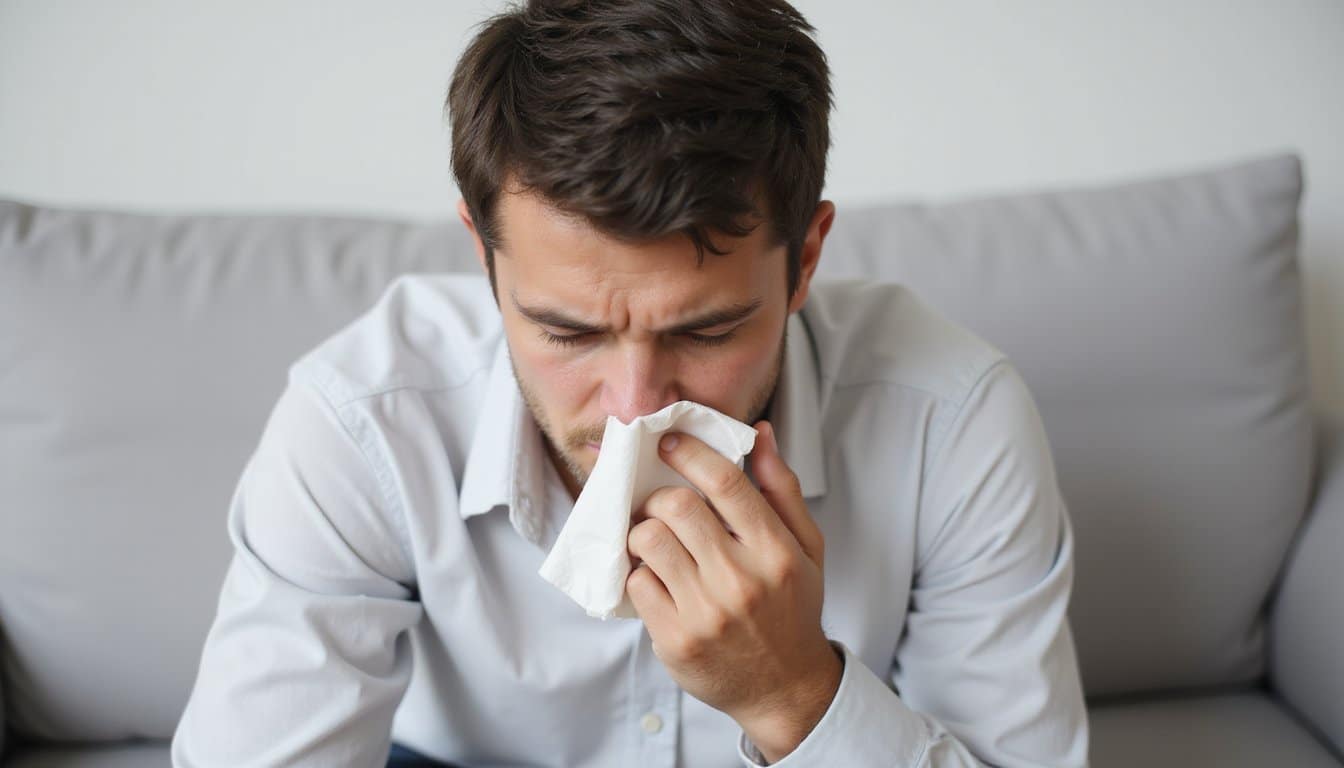
Why does your nose feel blocked after just one drink? When you consume alcohol, your blood vessels undergo vasodilation, causing nasal membrane swelling and turbinate expansion. This alcohol vasodilation nose swelling directly reduces your total nasal volume and minimal cross-sectional area, increasing nasal airway resistance within two hours.
If you’re wondering why does my nose get stuffy when i drink alcohol, histamine plays a significant role. Alcoholic beverages contain histamine, and alcohol stimulates additional histamine release from your body’s stores, triggering nasal congestion after drinking alcohol. Wine makes nose stuffy more frequently because red wines exhibit the highest histamine levels. Individuals with allergic rhinitis may be more prone to nasal obstruction after consuming alcohol.
Enzyme deficiencies compound these effects. Insufficient aldehyde dehydrogenase 2 causes acetaldehyde buildup, producing alcohol intolerance congestion and allergy-like symptoms from alcohol, including a blocked nose after drinking. Additionally, alcohol causes dehydration that thickens mucus, which can worsen congestion symptoms.
Which Drinks Cause the Worst Nasal Congestion?
Not all alcoholic beverages affect your nasal passages equally. Red wine ranks among the worst offenders, containing elevated histamine levels from fermentation and sulfites that trigger mucosal inflammation. Beer similarly worsens sinus congestion through histamines, sulfites, and gluten compounds that provoke reactions in sensitive individuals. Notably, non-alcoholic beers and wines also contain histamines, so switching to alcohol-free versions may not eliminate congestion for histamine-sensitive individuals.
Dark liquors like whiskey and rum contain high congener concentrations that irritate sinus tissues and promote vasodilation. Their elevated alcohol content also dehydrates mucous membranes, thickening secretions and impeding drainage. This widening of blood vessels in the nasal area increases blood flow and exacerbates the sensation of stuffiness.
Clear spirits such as vodka, gin, and blanco tequila produce fewer nasal symptoms. These contain lower histamine and sulfite levels, resulting in reduced impact on nasal volume and airway resistance. If you’re prone to alcohol-related congestion, switching to clear, lower-congener options may minimize mucosal swelling and maintain better nasal patency.
Alcohol Intolerance vs. Allergy: Which Do You Have?

When your nose becomes congested after drinking, determining whether you’re experiencing an allergy or intolerance requires understanding distinct physiological mechanisms.
True alcohol allergies involve immune-mediated responses where your body produces antibodies against ethanol or beverage components like grains, grapes, or yeast. These reactions manifest rapidly, sometimes after just one sip, and include hives, facial swelling, respiratory distress, and potentially fatal anaphylaxis.
Alcohol intolerance stems from aldehyde dehydrogenase (ALDH2) enzyme deficiency, impairing your body’s ability to metabolize alcohol. This genetic variant, prevalent in East Asian populations, triggers facial flushing, nasal congestion, headache, and rapid heartbeat within 20-30 minutes of consumption. Additionally, health conditions such as histamine intolerance and sulfite sensitivity can cause similar alcohol intolerance symptoms.
While both conditions produce nasal symptoms, allergies add systemic inflammatory responses requiring emergency intervention. Intolerance remains non-life-threatening but uncomfortable. These conditions differ from a typical hangover, which resolves within 12-24 hours and results from dehydration and toxin buildup rather than immune dysfunction or enzyme deficiency. You should consult healthcare providers for diagnostic testing to confirm your specific condition.
How to Prevent a Stuffy Nose When Drinking
Understanding whether you’re dealing with an allergy or intolerance helps you select appropriate preventive strategies for alcohol-induced nasal congestion.
Choose Low-Histamine Beverages****
Clear spirits like vodka, gin, and tequila contain fewer histamines and sulfites than red wine, beer, or champagne. These options minimize vasodilation-related mucosal swelling in nasal passages.
Moderate Your Intake
Limiting consumption reduces congestion risk from vasodilatory effects. Pacing drinks prevents excessive blood vessel expansion in nasal tissue.
Maintain Hydration
Drinking water between alcoholic beverages dilutes irritants and counters dehydration that worsens congestion.
Eat Before Drinking
Food slows alcohol absorption, decreasing histamine exposure intensity and buffering vasodilatory impacts on nasal mucosa.
Consider Antihistamines
Over-the-counter antihistamines like cetirizine may block histamine-mediated nasal swelling. Consult your physician before combining these medications with alcohol to avoid adverse interactions. If you’re taking decongestants for congestion, avoid consuming alcohol to prevent worsened side effects like nausea, headache, and anxiety.
Identify Your Triggers
If symptoms persist despite these measures, allergy testing through skin prick tests or blood tests can help pinpoint specific ingredients causing your reactions.
When Alcohol Congestion Leads to Nosebleeds

Alcohol-induced nasal congestion can escalate to epistaxis (nosebleeds) through several interconnected physiological mechanisms. When you consume alcohol, vasodilation widens blood vessels in your nasal passages, increasing blood flow and rupture susceptibility. This dilation makes delicate nasal vessels more fragile post-drinking. While the damage caused by alcohol consumption can be significant, many individuals wonder if the impact on their nasal health is permanent. Can alcoholic nose be reversed with lifestyle changes and proper treatment? Consulting a medical professional may provide insights and potential remedies to restore nasal health. Alcohol-induced nasal congestion can escalate to epistaxis (nosebleeds) through several interconnected physiological mechanisms. When you consume alcohol, vasodilation widens blood vessels in your nasal passages, increasing blood flow and rupture susceptibility, explaining why does alcohol make your nose red during or after drinking. This dilation makes delicate nasal vessels more fragile post-drinking and more prone to bleeding. While the damage caused by alcohol consumption can be significant, many individuals wonder whether the impact on nasal health is permanent. Can alcoholic nose be reversed with lifestyle changes and proper treatment? Consulting a medical professional can provide clarity, help identify underlying conditions, and outline strategies to restore or protect nasal health.
Alcohol’s diuretic properties cause significant fluid loss, drying your nasal tissues until they crack and bleed. Simultaneously, alcohol impairs platelet function similar to aspirin, reducing your blood’s clotting capacity. A British Medical Journal study found 45% of 140 emergency room nosebleed patients had consumed alcohol within 24 hours. The study also revealed a significant link between nosebleeds and all levels of alcohol consumption, with the greatest risk from regular heavy use.
Your risk intensifies if you’re taking medications like sertraline or nasal decongestants, which compound drying effects. Chronic alcohol use damages liver function, further impairing clotting factor production. Combined with alcohol-induced hypertension, these factors create favorable conditions for recurrent epistaxis. Protecting your skin from sun exposure can help prevent worsening of alcohol-related nasal and facial symptoms. can alcohol cause rhinophyma, a condition characterized by thickening of the skin and enlargement of the nose, is often a concern for long-term drinkers. Research suggests that alcohol may exacerbate existing skin issues and contribute to inflammation. Consequently, it becomes even more crucial to monitor any changes in your skin’s appearance and seek professional advice if you notice any concerning symptoms.
Frequently Asked Questions
Can Alcohol-Induced Nasal Congestion Become Permanent With Long-Term Drinking?
Yes, alcohol-induced nasal congestion can become permanent with chronic heavy drinking. While acute symptoms typically resolve within hours, prolonged alcohol use can trigger rhinophyma, a progressive condition causing irreversible bulbous nasal swelling, thickened dermal tissue, and enlarged sebaceous glands. You’ll notice this develops gradually over months to years, particularly if you have underlying rosacea. Without intervention, structural damage to your nasal architecture becomes permanent, requiring surgical correction.
Does Mixing Different Types of Alcohol Worsen Nasal Symptoms?
Mixing different alcohol types doesn’t inherently worsen your nasal symptoms beyond alcohol’s baseline effects. Since all alcoholic beverages contain ethanol, the vasodilatory and inflammatory responses remain consistent regardless of variety. However, you’ll experience varied histamine and tyramine concentrations across drinks, red wine and beer contain higher levels than clear spirits. If you’re histamine-sensitive, combining these beverages may amplify mucosal edema and turbinate engorgement, intensifying your congestion symptoms.
How Long Do Alcohol-Related Nasal Symptoms Typically Last After Drinking?
Your alcohol-related nasal symptoms typically resolve within 24 hours after drinking. If you’re experiencing alcohol intolerance, you’ll notice congestion immediately upon consumption, with symptoms clearing as your body metabolizes the alcohol. Dehydration-induced stuffiness often appears the following day and improves with adequate fluid intake. However, if you’re dealing with withdrawal-related effects, nasal discomfort may persist 24-72 hours as systemic inflammation peaks before gradually subsiding.
Can Nasal Sprays Safely Be Used While Consuming Alcohol?
You can safely use corticosteroid nasal sprays like fluticasone while drinking alcohol, as they don’t cause systemic interactions or CNS depression. However, you should avoid antihistamine nasal sprays such as azelastine when consuming alcohol, since they produce additive sedation and impair coordination. Decongestant sprays containing oxymetazoline may also interact negatively. If you’re drinking, corticosteroids remain your safest option for managing alcohol-induced nasal vasodilation and mucosal inflammation.
Does Eating Food Before Drinking Reduce Nasal Congestion Symptoms?
Yes, eating before drinking can reduce nasal congestion symptoms. When you consume protein-rich foods like eggs or high-fiber options like bananas, you’ll slow gastric emptying and delay alcohol absorption into your bloodstream. This minimizes dehydration’s impact on your mucosal membranes and reduces histamine-triggered vasodilation in nasal passages. Foods containing omega-3 fatty acids help relax blood vessels, while quercetin-rich options like onions provide natural antihistamine effects that decrease sinus inflammation.