
Rhinophyma is a progressive subtype of rosacea that causes your nose to become enlarged, bulbous, and reddened due to sebaceous gland hyperplasia and tissue fibrosis. Despite nicknames like “drinker’s nose” or “whiskey nose,” research shows no direct causal link between alcohol consumption and rhinophyma development, it occurs equally in drinkers and non-drinkers. While alcohol may exacerbate existing symptoms, genetic predisposition and untreated rosacea are the true culprits behind this condition’s progression.
If drinking is behind what brought you to this page, our alcohol treatment programs start with one confidential call.
What Is Rhinophyma and Why Is It Called Drinker’s Nose?
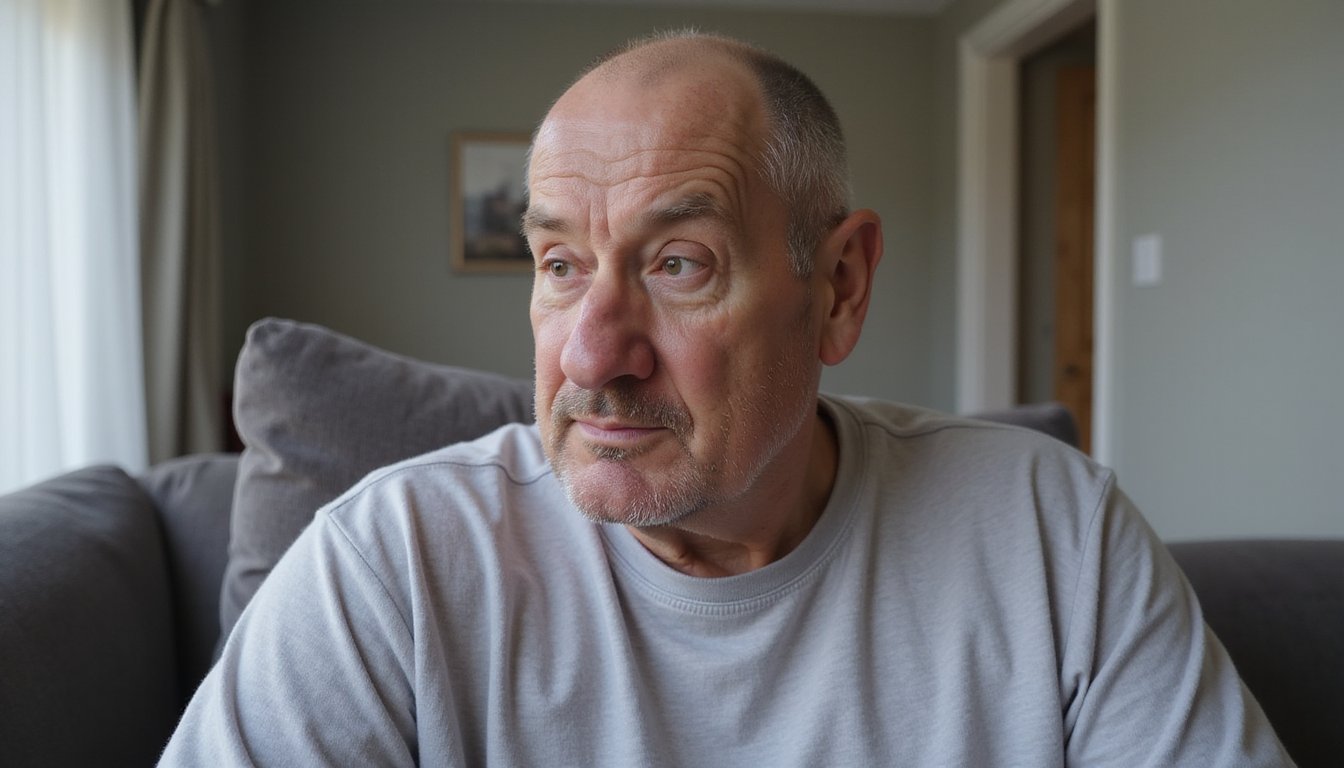
Rhinophyma is a progressive skin disorder characterized by enlargement, redness, and irregular thickening of the nose. You’ll notice phymatous rosacea symptoms including bumpy nose texture, nose skin thickening, and a distinctive bulbous appearance. The term derives from Greek, ”rhine” meaning nose and “phyma” meaning swelling.
You’ve likely heard names like “drinker’s nose,” “whiskey nose,” or “gin blossoms nose meaning” facial redness linked to alcohol. These terms emerged because alcohol flushing acts as a rosacea trigger, making facial redness more visible. However, understanding what is rhinophyma requires recognizing it’s primarily severe rosacea nose progression, not direct rhinophyma from alcohol causation. Research confirms there is no proven connection between rhinophyma and alcohol consumption. You’ve likely heard names like “drinker’s nose,” “whiskey nose,” or “gin blossoms”, terms describing facial redness linked to alcohol. These labels emerged because alcohol flushing acts as a rosacea trigger, making facial redness more visible and leading many people to search how to get rid of a red nose from drinking alcohol. However, understanding what rhinophyma actually is requires recognizing that it represents severe rosacea progression of the nose, not a condition directly caused by alcohol. Research confirms there is no proven causal link between rhinophyma and alcohol consumption, even though alcohol can exacerbate redness in those already predisposed.
Early signs of rhinophyma include swollen nose rosacea, persistent redness, and visible blood vessels. Without intervention, you’ll experience permanent nose changes from rosacea over time. Left untreated, this condition can lead to serious breathing difficulties, mental health problems, and permanent facial disfiguration.
Does Alcohol Actually Cause Rhinophyma?
Does Alcohol Actually Cause Rhinophyma?
Given the persistent cultural association between alcohol and nasal disfigurement, you might assume drinking directly causes rhinophyma, but current medical evidence doesn’t support this conclusion.
Research demonstrates rhinophyma occurs equally in drinkers and non-drinkers. Cleveland Clinic and Mount Sinai confirm alcohol doesn’t cause this condition, it develops regardless of your drinking habits. The primary etiology traces to severe rosacea progression, not ethanol consumption.
However, a 2019 study of 52 patients revealed significant correlation between alcohol intake and rhinophyma severity. Patients with rhinophyma averaged 14 alcohol units weekly compared to 3 in controls. Moderate drinkers showed heightened risk, while excessive drinkers demonstrated the highest risk levels. The study also found significant associations with erythema, telangiectasia, and diabetes, further supporting that multiple factors contribute to this condition. Additionally, experts emphasize the need for further research to explore the mechanisms behind how can alcohol cause rhinophyma. Understanding the biological pathways affected by alcohol consumption may help in developing targeted treatment strategies. This growing body of evidence highlights the importance of considering lifestyle factors in managing and preventing rhinophyma.
You should understand the distinction: alcohol doesn’t initiate rhinophyma but may exacerbate existing disease. Genetic predisposition and underlying rosacea remain the primary determinants of development. Unfortunately, this widespread misunderstanding delays diagnosis and treatment for many patients who could otherwise benefit from early intervention. You should understand the distinction: alcohol doesn’t initiate rhinophyma but may exacerbate existing disease, a nuance often lost when people talk about nose damage from alcohol. Genetic predisposition and underlying rosacea remain the primary determinants of development. Unfortunately, this widespread misunderstanding can delay diagnosis and treatment for many patients who could otherwise benefit from early intervention.
Why Rhinophyma Develops From Untreated Rosacea

When rosacea remains untreated over time, chronic inflammation triggers a cascade of vascular and tissue abnormalities that culminate in rhinophyma. Your blood vessels dilate persistently, causing plasma proteins and coagulation factor XIII to leak into surrounding tissue. This leakage initiates fibroplasia, where excess connective tissue accumulates around your nose.
| Pathological Process | Clinical Outcome |
|---|---|
| Sebaceous gland hyperplasia | Enlarged pores, increased oiliness |
| Vascular dilation and leakage | Tissue fibrosis and hardening |
| Lymphatic system failure | Plasma protein accumulation |
Your sebaceous glands undergo significant overgrowth, contributing to the characteristic bulbous appearance. The underlying connective tissue proliferates simultaneously, creating irregular nasal contours. Visible telangiectasias develop as blood vessel damage progresses. Without intervention, you’ll experience permanent structural changes, potential nasal obstruction, and breathing difficulties. Early rosacea management remains critical for preventing this progression. The swelling that follows flushing reactions further damages the lymphatic system, compounding the accumulation of harmful proteins in nasal tissue. While rhinophyma affects both sexes, far more men are affected by this condition compared to the broader rosacea population, which predominantly impacts adult women.
Early Rhinophyma Warning Signs to Watch For
Before rhinophyma causes permanent structural changes to your nose, several early warning signs indicate progressive rosacea that warrants clinical evaluation.
Persistent erythema that doesn’t fade between flushing episodes signals chronic inflammation. You’ll notice telangiectasias, small red or purple spider veins, appearing on your nasal bridge and tip. These dilated capillaries become increasingly visible as the condition advances.
Sebaceous gland hyperplasia produces characteristic skin changes. Your nasal skin develops a thickened, oily texture with a waxy or greasy appearance. Pores visibly enlarge as glandular tissue expands and sebaceous fluids accumulate. As the condition progresses, secondary nasal airway obstruction may develop due to the expanding tissue.
Watch for subtle nodule formation. Tiny firm bumps emerge on your nasal tip and alae, creating a rough, ridged texture. You may experience tenderness, warmth, or mild burning sensations when touching affected areas. Dermoscopy can confirm these early vascular and glandular changes. Early diagnosis is crucial to prevent irreversible changes to the nasal structure.
What Does Rhinophyma Look Like as It Progresses?

Rhinophyma progresses through distinct clinical stages, each characterized by increasingly severe tissue changes that alter both nasal appearance and function. You’ll first notice persistent erythema and telangiectasia, followed by sebaceous gland hyperplasia causing soft tissue changes. This condition develops gradually over time, often after years of untreated rosacea.
| Stage | Clinical Presentation | Key Features |
|---|---|---|
| Early | Persistent redness, visible vessels | Telangiectasia, mild thickening, enlarged pores |
| Moderate | Bumpy, irregular surface | Nodular formations, tissue overgrowth, distorted contours |
| Advanced | Bulbous enlargement | Severe thickening, fibrous growth, potential airway obstruction |
As the condition advances, you’ll observe progressive nodularity and irregular lumps developing across the nasal surface. The tissue overgrowth creates misshapen contours with prominent sebaceous hyperplasia. In severe cases, massive tissue proliferation can cause giant rhinophyma, resulting in functional impairment including nasal airway obstruction requiring surgical intervention.
How Doctors Diagnose Rhinophyma vs. Skin Cancer
Distinguishing rhinophyma from skin cancer requires a systematic diagnostic approach that combines clinical examination, advanced imaging, and histological analysis. Your doctor will assess whether swelling is soft or firm, evaluate skin texture for characteristic nodular thickening, and examine pore enlargement patterns. Physicians also check for symmetry and visible blood vessels to differentiate between conditions.
Dermatoscopy provides high-magnification visualization of sebaceous hyperplasia patterns and cancer-related vascular changes. This technique alone prevents many misdiagnoses between rhinophyma and basal cell carcinoma.
When clinical findings remain inconclusive, CT or MRI imaging detects deeper tissue abnormalities, including granulomas and hidden tumor growth. Approximately 5% of rhinophyma patients develop basal cell carcinoma within the lesion, making thorough evaluation critical.
Biopsy remains the gold-standard confirmation method. Histological examination identifies cancer cells potentially masked within rhinophymatous tissue and confirms sebaceous gland overgrowth characteristic of true rhinophyma.
Surgical and Nonsurgical Treatments for Rhinophyma
If you have rhinophyma, your doctor will likely recommend surgical intervention since it produces superior results compared to nonsurgical approaches alone. You’ll find several effective options available, including sharp excision with a scalpel, CO2 laser treatment for precision tissue removal, and electrocautery dermabrasion that combines quick excision with effective hemostasis. Advanced laser technologies like the Lumenis Ultrapulse Alpha CO2 laser allow for precise sculpting and blending of the nose to restore its original shape. These procedures can be performed under local or general anesthesia depending on the extent of treatment needed. While surgery addresses the physical changes, you may also benefit from medication management to control underlying rosacea and prevent future progression.
Surgical Reshaping Options
Several surgical reshaping techniques offer definitive correction when rhinophyma causes significant nasal disfigurement. Your surgeon may recommend scalpel excision using a cold blade to resect compromised tissue while preserving underlying cartilage and a thin subcutaneous layer. This procedure requires local or general anesthesia with vasoconstricting infiltration.
Following debulking, electrocautery seals vessels and controls bleeding while smoothing contours. Dermabrasion with a motorized diamond burr creates surface texture that enhances subsequent dermaplaning precision. Your provider will feather treatment edges onto adjacent cheeks and alar bases to prevent visible demarcation lines. An Erbium-YAG laser may be used as a final step for micro-contouring and sealing the wound surface.
Post-surgical healing occurs by second intention without grafts, typically over 60 days. You’ll apply essential fatty acids oil dressings daily during recovery. During the initial healing phase, the treated area will appear red and raw like a grazed knee, which is a normal part of the recovery process. This multimodal approach, combining excision, cauterization, and surface refinement, yields consistent aesthetic and functional outcomes for severe cases.
Laser Treatment Methods
Laser treatment methods offer precise tissue removal with controlled thermal effects that minimize scarring while achieving excellent cosmetic outcomes. You’ll find that ablative lasers vaporize hypertrophic sebaceous glands layer-by-layer, restoring normal nasal contour with minimal trauma to surrounding tissue.
Primary Laser Modalities:
- Fully Ablative CO2 Laser, Achieves 91% single-session success rates using 1mm spot sizes that limit thermal damage to 250, 300 µm, with hypopigmentation occurring in only 9% of patients.
- Fractionated CO2 Laser, Delivers dramatic improvements as an in-office procedure under local anesthesia, with 96% of patients rating satisfaction at 7/10 or higher.
- Erbium YAG Laser, Provides ultraprecise refinement six to eight weeks post-CO2 debulking, optimizing cosmetic results while minimizing scarring and pigmentation loss.
Medication Management Approaches
Medical therapies play a supportive rather than curative role in rhinophyma treatment, primarily addressing underlying rosacea inflammation before or after surgical intervention. Topical creams and oral tablets can reduce pustules and erythema, helping control disease progression when used alongside procedural approaches.
You’ll find that nonsurgical methods alone cannot reverse established tissue hypertrophy. For advanced rhinophyma, surgical intervention remains the definitive treatment. However, medication management optimizes outcomes when integrated into your overall care plan.
Post-surgical adjunctive therapies include intense pulsed light or Nd:YAG laser to treat residual telangiectasias after tissue reshaping. Your preoperative protocol typically involves intravenous antibiotics and local anesthesia with 1% lidocaine containing epinephrine. For postoperative pain control, alternating ibuprofen and acetaminophen provides baseline relief, with narcotics reserved for breakthrough discomfort.
Can You Prevent Rhinophyma If You Have Rosacea?
While rhinophyma represents an advanced stage of phymatous rosacea, early intervention can appreciably reduce your risk of developing this disfiguring condition. You’ll need to implement a thorough prevention strategy that addresses multiple pathogenic factors simultaneously.
Key preventive measures include:
- Initiate pharmacotherapy early, Topical metronidazole, azelaic acid, or ivermectin controls inflammation, while oral doxycycline reduces papulopustular activity before tissue proliferation occurs.
- Eliminate known triggers, Avoid alcohol, spicy foods, temperature extremes, and vasodilating medications that provoke flushing and exacerbate rosacea progression.
- Maintain strict photoprotection, Apply broad-spectrum SPF 30+ sunscreen daily using mineral-based formulations containing zinc oxide or titanium dioxide.
You should also establish regular dermatologist follow-ups to monitor for early phymatous changes. Low-dose isotretinoin (5-10 mg/day) can reduce sebaceous gland hyperplasia before irreversible tissue thickening develops.
Frequently Asked Questions
Is Rhinophyma Contagious or Can It Spread to Other People?
No, rhinophyma isn’t contagious and can’t spread to other people. You can’t transmit it through skin contact, airborne particles, or any other means. The condition stems from severe rosacea progression involving genetic factors, immune dysregulation, and vascular abnormalities, not infectious agents like bacteria, viruses, or fungi. While antibiotics are sometimes prescribed, they work through anti-inflammatory mechanisms, not by fighting infection. You don’t need to isolate or take precautions around others.
Will Rhinophyma Go Away on Its Own Without Any Treatment?
Rhinophyma won’t resolve spontaneously once tissue thickening begins. The structural changes you experience are irreversible without intervention, and the condition progresses gradually due to chronic inflammation and sebaceous gland hyperactivity. You’ll need medical treatment to halt advancement, early intervention with medications or laser therapy can stabilize symptoms before significant overgrowth occurs. Advanced cases require surgical excision. Without treatment, expect continued fibrosis and nasal enlargement, as no documented evidence supports natural reversal.
Can Rhinophyma Affect Other Parts of the Face Besides the Nose?
Rhinophyma primarily affects your nose, but the underlying rosacea can extend to adjacent facial areas. You may notice redness, dilated blood vessels, and enlarged sebaceous glands spreading to your cheeks. However, the characteristic thickened, bulbous tissue growth remains chiefly nasal. Clinical evidence shows no documented spread to your chin, forehead, neck, or other regions. The condition confines itself to your central face, with your nose bearing the most significant structural changes.
Does Rhinophyma Cause Pain or Is It Purely a Cosmetic Issue?
Rhinophyma is primarily a cosmetic deformity and doesn’t typically cause pain in the affected nasal tissue itself. However, you shouldn’t dismiss it as purely aesthetic. The condition can obstruct your nasal airway, impairing breathing function. You may also experience secondary symptoms like burning or stinging from underlying rosacea. Advanced cases increase infection risk due to bacteria harboring in enlarged sebaceous glands. The psychological impact of visible disfigurement often requires clinical attention alongside physical management.
Are There Any Home Remedies That Can Reduce Rhinophyma Symptoms?
No home remedies can effectively reduce rhinophyma symptoms once tissue thickening has occurred. You won’t find scientific evidence supporting DIY treatments for this condition. However, you can manage underlying rosacea triggers by avoiding alcohol, sun exposure, and spicy foods. You should also use gentle skincare to minimize inflammation. These lifestyle modifications may slow progression but can’t reverse existing changes. You’ll need professional medical intervention for meaningful symptom reduction.