
To reduce alcohol-induced nasal redness, you’ll need to limit your alcohol intake, especially red wine and spirits that trigger histamine release and vasodilation. Stay well-hydrated, apply strict sun protection, and adopt an anti-inflammatory diet to support your skin’s barrier function. If you’re experiencing persistent redness, visible blood vessels, or skin thickening, these symptoms may indicate rosacea progression requiring dermatological evaluation. Understanding which beverages cause the most flushing can help you make informed choices. Certain types of alcohol, like champagne and gin, are often less likely to cause flushing reactions compared to others, which is worth noting when considering what alcohol makes your nose red. Additionally, experimenting with lighter spirits or opting for lower histamine options can lead to a better experience if you’re predisposed to redness. Keeping a record of your reactions can provide valuable insights into how different drinks affect you personally.
Most plans cover alcohol treatment, and admissions tells you on the first call what yours pays for each level of care.
How Alcohol Triggers Nose Redness and Flushing

When you drink alcohol, your liver metabolizes ethanol into acetaldehyde, a toxic compound that triggers blood vessel dilation in facial skin. This redness from alcohol vasodilation occurs because acetaldehyde accumulates faster than your body can convert it to harmless acetate. The process also releases histamine, intensifying flushing responses across your nose, cheeks, and ears.
Your genetic background determines how efficiently you process alcohol. ALDH2 deficiency, affecting approximately 540 million people worldwide, prevents rapid acetaldehyde breakdown, making persistent nose redness causes more likely even with minimal consumption. This genetic condition is more common in people from East Asian populations, though anyone can inherit the deficiency. Understanding these triggers for facial redness helps explain why some individuals experience immediate flushing while others don’t. This physiological response signals that toxic acetaldehyde levels have reached your tissues, serving as an important warning about alcohol and rosacea flare-ups potential. Those who experience this reaction face higher risk of head and neck cancers, making it essential to address the underlying condition rather than simply masking symptoms.
Alcohol Flush vs. Chronic Redness: Know the Difference
Although both alcohol flush and chronic redness cause similar facial symptoms, they represent distinct physiological processes with different underlying mechanisms and prognoses.
| Feature | Alcohol Flush Reaction | Chronic Redness (Rhinophyma) |
|---|---|---|
| Duration | Temporary, resolves post-metabolism | Persistent without treatment |
| Cause | ALDH2 enzyme deficiency, acetaldehyde buildup | Underlying rosacea, vasomotor instability |
| Distribution | Face, neck, chest | Concentrated on nose, cheeks |
| Pathology | Blood vessel dilation, histamine release | Chronic inflammation, skin thickening |
If you experience flushing only during or after drinking, you’re likely dealing with an enzyme-mediated response common in 35-45% of East Asian populations. However, if your nose remains red constantly or develops a thickened, bumpy appearance, you may have progressed to rosacea-related rhinophyma. This condition isn’t directly caused by alcohol but worsens with continued consumption. Men have 12-30 times higher risk of developing rhinophyma than women, particularly those between ages 50-70 with a history of rosacea. If you experience flushing only during or after drinking, you’re likely dealing with an enzyme-mediated response common in 35, 45% of East Asian populations. However, if your nose remains red constantly or develops a thickened, bumpy appearance, you may have progressed to rosacea-related rhinophyma, one of the key Signs of rhinophyma caused by alcohol people notice over time. This condition isn’t directly caused by alcohol but is often worsened by continued consumption. Men have a 12, 30 times higher risk of developing rhinophyma than women, particularly those between ages 50, 70 with a history of rosacea.
While antihistamines may provide temporary relief from flushing symptoms by blocking histamine effects, they do not address elevated acetaldehyde levels, which is the root cause of the reaction.
Alcoholic Drinks Most Likely to Cause a Red Nose

Certain alcoholic beverages trigger nasal redness more readily than others due to their specific chemical compositions and vasoactive properties.
Red wine ranks among the most potent triggers due to its high histamine, tyramine, and phenolic compound content. These substances dilate blood vessels more effectively than other alcoholic beverages, intensifying flushing responses in susceptible individuals.
Distilled spirits like whiskey, vodka, and gin present markedly concerning. Their elevated alcohol concentrations accelerate vasodilation, and repeated consumption can cause permanent capillary damage over time.
Beer, particularly dark varieties, contains histamine and fermentation byproducts that provoke inflammatory responses. Carbonation increases gastric absorption rates, hastening the onset of facial redness. Environmental factors such as extreme temperatures and sunburn can further worsen the appearance of nasal redness when combined with alcohol consumption. When engaging in social drinking, many individuals may notice what is drinking nose, a condition characterized by increased redness and swelling in the nasal region. This reaction can be exacerbated by the consumption of certain alcoholic beverages, particularly those high in histamines. Understanding the link between alcohol and these visible changes can help individuals make more informed choices about their drinking habits.
Your genetic predisposition, skin type, and pre-existing rosacea diagnosis profoundly influence how your body responds to each beverage category. Research shows that excessive drinkers face the highest risk of developing severe rhinophyma, a condition where the nose becomes thickened and enlarged.
Lifestyle Changes That Reduce Alcohol-Related Redness
Beyond identifying which beverages trigger your symptoms, implementing targeted lifestyle modifications can significantly reduce alcohol-related nasal redness and prevent long-term vascular damage.
Targeted lifestyle changes can dramatically minimize alcohol-related nasal redness while protecting your blood vessels from permanent damage.
Reducing or eliminating alcohol consumption remains the most effective intervention for minimizing rosacea flares and flushing episodes. When you limit intake, you’ll decrease blood vessel dilation and allow inflamed tissue to heal. Additionally, impaired acetaldehyde metabolism can worsen flushing reactions, making moderation even more critical for those with genetic predispositions.
Consider these evidence-based strategies:
- Maintain ideal hydration, Counteract alcohol-induced dehydration with adequate water intake and fragrance-free moisturizers to support skin barrier function. Using a gentle moisturizer helps maintain the skin’s barrier function and keeps skin properly hydrated.
- Adopt an anti-inflammatory diet, Incorporate antioxidant-rich fruits and vegetables while avoiding spicy foods and hot beverages.
- Practice strict sun protection, UV exposure exacerbates vascular damage and worsens erythema.
- Implement stress management techniques, Regular low-intensity exercise and stress reduction strategies decrease inflammation and prevent symptom progression.
When Should You See a Dermatologist?
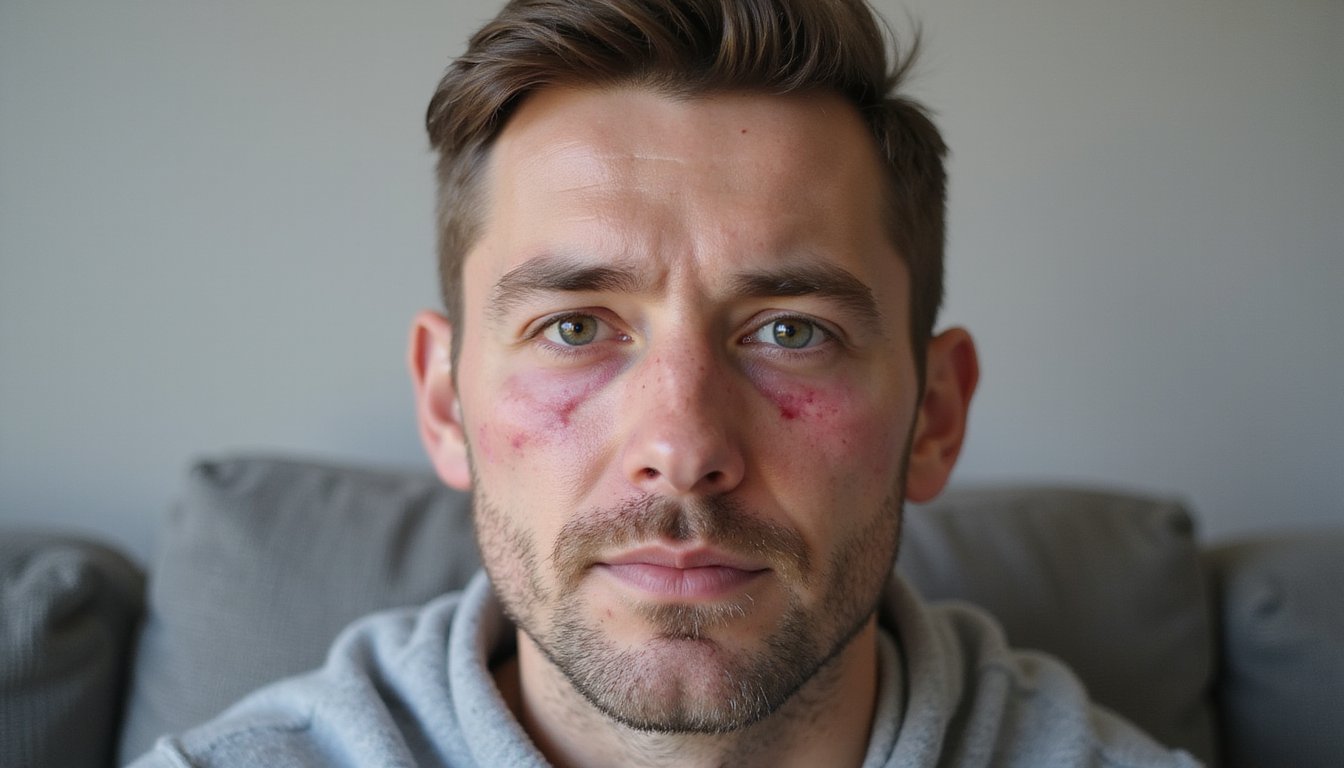
How do you know when home remedies aren’t enough and professional intervention becomes necessary? You should consult a dermatologist when facial redness persists beyond temporary flushing episodes or when burning and stinging sensations develop on your skin.
Seek evaluation if you notice visible blood vessels, thickened skin texture, or papules resembling acne. These signs indicate rosacea progression requiring prescription treatments like brimonidine gel or oxymetazoline cream. Early intervention prevents advancement to rhinophyma, characterized by bulbous nasal tissue overgrowth. Early treatment of rosacea can help control inflammation and prevent the tissue changes that lead to this severe condition.
A dermatologist distinguishes alcohol-related flushing from rosacea-specific pathology and identifies your personal trigger patterns. They can also help you recognize non-alcoholic triggers such as spicy foods, extreme temperatures, sun exposure, and strong emotions that may be contributing to your flare-ups. If you’re addressing both skin concerns and alcohol use, specialists can coordinate care with addiction professionals. Professional assessment establishes whether topical therapies suffice or surgical intervention becomes appropriate for advanced cases.
Frequently Asked Questions
Can a Red Nose From Drinking Become Permanent Over Time?
Yes, your red nose can become permanent over time. Regular alcohol consumption triggers vasodilation and capillary damage, which may progress to persistent redness and broken vessels. If you’re genetically predisposed to rosacea, continued drinking accelerates symptom severity and can contribute to rhinophyma, characterized by thickened skin and enlarged oil glands. Research shows statistically significant correlations between alcohol intake and rhinophyma progression. You’ll reduce your risk of permanent changes by minimizing alcohol and seeking early dermatological intervention.
Does Drinking Water While Consuming Alcohol Help Prevent Nose Redness?
Drinking water while consuming alcohol can help reduce nose redness. Alcohol acts as a diuretic, causing dehydration that exacerbates cutaneous inflammation and vasodilation. By alternating one glass of water per alcoholic beverage, you’ll counteract dehydration‘s effects on your skin. Chilled water specifically helps prevent overheating, which triggers flushing in rosacea-prone individuals. While hydration won’t eliminate redness entirely, it minimizes the severity of alcohol-induced facial erythema and supports your skin’s recovery process.
Are Certain People Genetically More Prone to Alcohol-Related Nose Redness?
Yes, genetic predisposition profoundly influences your susceptibility to alcohol-related nose redness. If you’ve inherited impaired acetaldehyde metabolism or have family history of rosacea, you’re more vulnerable to flushing responses. Research demonstrates stronger associations in individuals of Scandinavian, English, Scottish, and Eastern European descent. Studies confirm that while alcohol exacerbates symptoms through vasodilation, it doesn’t independently cause rhinophyma, you’ll only develop persistent redness if you carry the underlying genetic susceptibility.
Can Over-The-Counter Creams Reduce Redness Caused by Alcohol Consumption?
You can reduce alcohol-related nasal redness with specific OTC formulations. Niacinamide (2-10%) strengthens your skin barrier and diminishes inflammation, while azelaic acid normalizes keratinization in irritated tissue. Ceramide-based moisturizers restore your lipid matrix, and pure aloe vera provides anti-inflammatory benefits. For temporary vascular constriction, brimonidine or oxymetazoline creams offer symptomatic relief. Avoid alcohol-based products and acne treatments, as they’ll exacerbate rosacea-related symptoms. Individual responses vary, so start with lower concentrations.
Will My Red Nose Improve if I Stop Drinking Alcohol Completely?
Your red nose may improve remarkably if you stop drinking alcohol completely, particularly if the redness stems from rosacea. Alcohol acts as a trigger that exacerbates existing symptoms rather than causing the condition itself. You’ll likely see better results with sustained abstinence, as short-term breaks followed by resumed drinking typically cause symptoms to return. However, if you’ve developed rhinophyma, cessation alone won’t reverse changes, you’ll need dermatological intervention for improvement.