
Twisted Tea’s ingredient list starts with a malt beverage base brewed from malted barley, where fermentation converts grain sugars into alcohol and CO2. You’ll find real brewed black tea contributing roughly 30mg of caffeine per 12-oz serving, plus natural fruit flavors derived from botanicals. The standard 5% ABV comes entirely from malt fermentation, not distilled spirits. Since it contains malted barley, you’re consuming gluten proteins, details on allergens and packaging options follow below.
The Malt Beverage Base Behind Twisted Tea
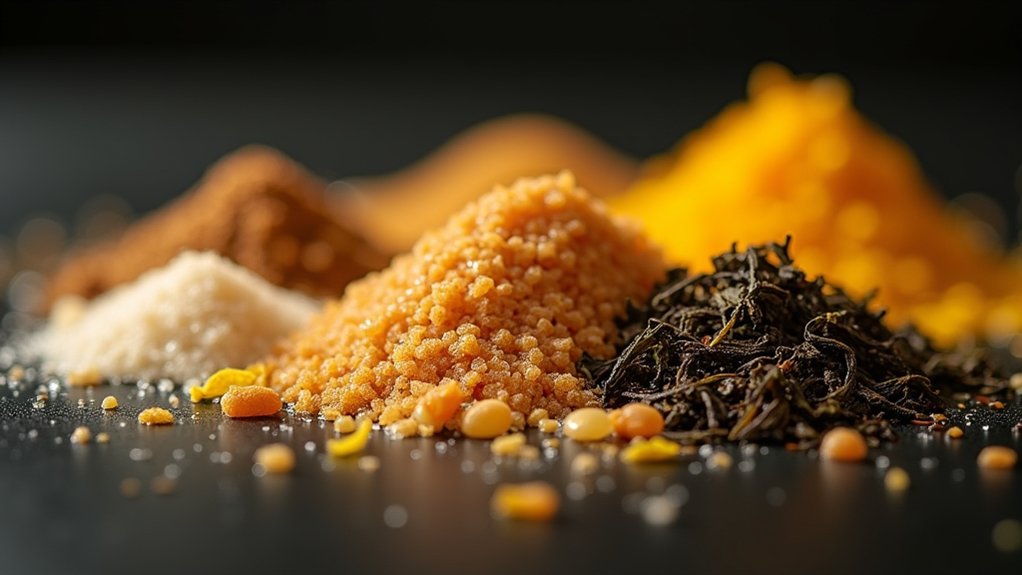
The malt beverage base in Twisted Tea comes from malted barley, not distilled spirits like vodka or rum. During fermentation, yeast converts the sugars in barley into alcohol and carbon dioxide. This malt alcohol source provides the smooth, easy-drinking character you’ll notice in each sip.
The brewing process starts with mashing malted barley in hot water to extract fermentable sugars. After boiling the mash, brewers cool it and add yeast to initiate fermentation. Once complete, they blend this malt base with separately brewed tea. The final product is then carbonated, filtered, and pasteurized before being packaged for distribution.
You’re essentially drinking a flavored malt beverage with 5% ABV, comparable to standard beers. This alcohol content is similar to other malt beverages on the market, making it a moderate choice for casual drinking. The malt base works alongside sugar, citric acid, and sodium citrate to create Twisted Tea’s balanced, invigorating profile without any distilled liquor. Because this process uses grain fermentation, Twisted Tea contains gluten and isn’t suitable for those with gluten sensitivities.
Real Brewed Black Tea and Natural Flavors
The twisted tea ingredients also include natural flavors derived from fruits and botanicals. Natural lemon flavor dominates the Original variety, while other products feature peach, mango, or raspberry blends. These high-impact aromatics work at low concentrations, enhancing aroma and perceived sweetness without adding significant calories. Citric acid sharpens the citrus notes and maintains shelf stability throughout the beverage’s lifespan. The black tea leaves used in production also contribute approximately 30mg of caffeine per 12-ounce serving. First launched in the early 2000s, Twisted Tea combines these real tea leaves with alcohol, sugar, and natural flavors to create a lighter alternative to traditional beer.
Alcohol Content and Caffeine Levels Explained
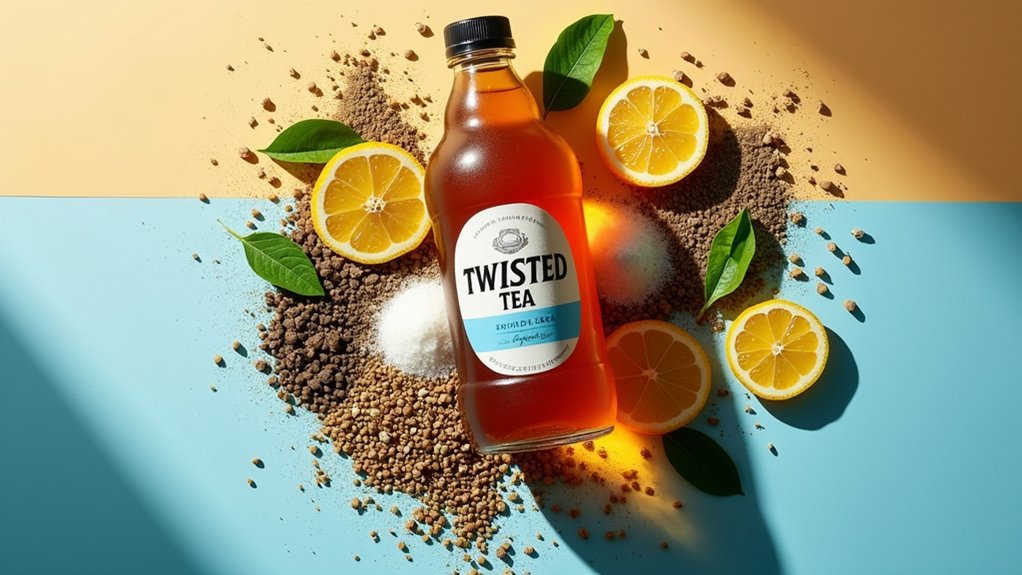
Although Twisted Tea’s sweet tea flavor might suggest a mild beverage, its standard 5% ABV matches typical regular beers in the 4% to 6% range. When examining what’s in a Twisted Tea, you’ll find the alcohol derives from malt-based fermentation, not vodka or spirits. A 12 oz can delivers approximately 0.6 oz of pure alcohol, equaling one standard drink. The 24 oz can doubles your intake to two standard drinks. Because the sweet taste can mask the alcohol’s effects, drinkers may develop a false sense of sobriety while consuming multiple cans.
For caffeine levels, product specifications don’t quantify exact amounts despite using real brewed black tea. You can assume naturally low or negligible caffeine content since the malt beverage formulation prioritizes alcohol production over stimulant properties. The company’s website acknowledges that Twisted Tea contains less caffeine than the average cup of coffee. Twisted Tea Extreme pushes the ABV to 8%, available in select test markets since August 2023. This higher-ABV option features no carbonation while maintaining the smooth, refreshing taste of real brewed tea that the brand is known for.
Gluten Content and Allergen Information
Beyond alcohol percentages and caffeine levels, Twisted Tea’s ingredient profile raises significant concerns for those with gluten sensitivities. The primary ingredients in Twisted Tea include malted barley, which contains gluten proteins exceeding safe thresholds for celiac patients. Unlike distilled alcohols, the brewing process retains gluten in the final product.
You’ll find that Twisted Tea lacks a gluten-free label statement, confirming its unsuitability for those avoiding gluten. The malt base introduces high gluten content that triggers symptoms including bloating, diarrhea, fatigue, and intestinal damage in celiac sufferers. Long-term consumption can cause permanent damage to the small intestine in those with celiac disease.
Cross-contamination risks persist in manufacturing facilities. You should contact the manufacturer directly for current allergen information, as processes change periodically. Consider gluten-free alternatives or homemade versions using gluten-free tea and spirits if you’re among the 13% of the population experiencing gluten sensitivity. For a refreshing option, try making an alcoholic Arnold Palmer with a 1:1 ratio of iced tea to lemonade plus a shot of vodka. Gluten-free options like White Claw, Truly Hard Seltzer, and Mike’s Hard Lemonade offer similar refreshment without gluten concerns.
Available Packaging Options and Serving Sizes
Several packaging formats exist for Twisted Tea products, each maintaining the standard 5% ABV malt beverage formulation across all container types. You’ll find 12-pack configurations of 12 fl oz cans for Original, Half & Half, Peach, and Raspberry flavors. Select retailers stock 24-pack options for larger gatherings.
When examining what’s in a Twisted Tea across different formats, the ingredient profile remains consistent. Single-serve 24 fl oz cans deliver approximately two standard servings per container. Six-pack bottles at 12 fl oz each offer portion-controlled alternatives. For bulk needs, the 5-liter Party Pouch provides roughly 169 fl oz of product.
Variety Party Packs combine four flavors in one 12-pack SKU, while Game Day Packs target tailgate consumption. All formats specify real brewed tea and natural flavors. The beverage offers a refreshingly smooth taste profile with no carbonation across all packaging options.
Frequently Asked Questions
How Many Calories Are in a Single Serving of Twisted Tea?
You’ll consume 194 calories per 12 fl oz serving of Original Twisted Tea. Here’s how those calories break down: approximately 104 calories come from the 25.9g of carbohydrates (mostly the 23g of sugars), while the remaining 98 calories derive from the 14g of alcohol content. You’re getting zero calories from fat or protein. If you’re watching your intake, Twisted Tea Light offers a lower-calorie alternative at just 110 calories per serving.
Is Twisted Tea Safe to Drink During Pregnancy?
No, you shouldn’t drink Twisted Tea during pregnancy. It contains malt alcohol, which poses significant risks to fetal development. The Surgeon General explicitly warns that alcohol consumption during pregnancy can cause birth defects, and no safe level has been established. While the black tea base is generally safe in moderation, the alcoholic content makes this product unsuitable for pregnant women. You’ll want to avoid all alcoholic beverages throughout your pregnancy.
How Long Does Twisted Tea Stay Fresh After Opening?
After opening, your Twisted Tea stays fresh for 7-10 days when refrigerated properly. You’ll get the best flavor and crispness if you consume it within 24-48 hours. Store the bottle in the back of your fridge where temperatures remain most stable. Without refrigeration, the malt alcohol base won’t prevent quality degradation, you’ll notice flat, muted flavors as oxygen exposure affects the tea’s composition. Watch for sour notes indicating spoilage.
Can You Mix Twisted Tea With Other Alcoholic Beverages?
You can mix Twisted Tea with other alcoholic beverages, but you’ll need to track your ABV carefully. Combining it with beer creates a shandy-style drink around 4–6% ABV. Adding a 1.5 oz shot of 80-proof spirit to 12 oz of standard Twisted Tea pushes the effective ABV into the 10–12% range. The malt base’s sweetness masks alcohol intensity, so monitor your standard drink count rather than relying on taste.
What Is the Shelf Life of Unopened Twisted Tea Products?
Unopened Twisted Tea typically stays good for about one year from its production date when you store it properly. You’ll find the best-by date printed on the bottom of cans or bottles, this indicates peak flavor, not a strict safety cutoff. Store your bottles in a cool, dark place to maximize shelf life. After the date passes, you’ll notice flavor degradation: the tea tastes flat, muted, or potentially sour.