
If you are asking yourself whether your drinking needs treatment, a short assessment with admissions answers it, and our guide to alcohol treatment shows every level of care.
Why Alcohol Makes You Bloated and Puffy
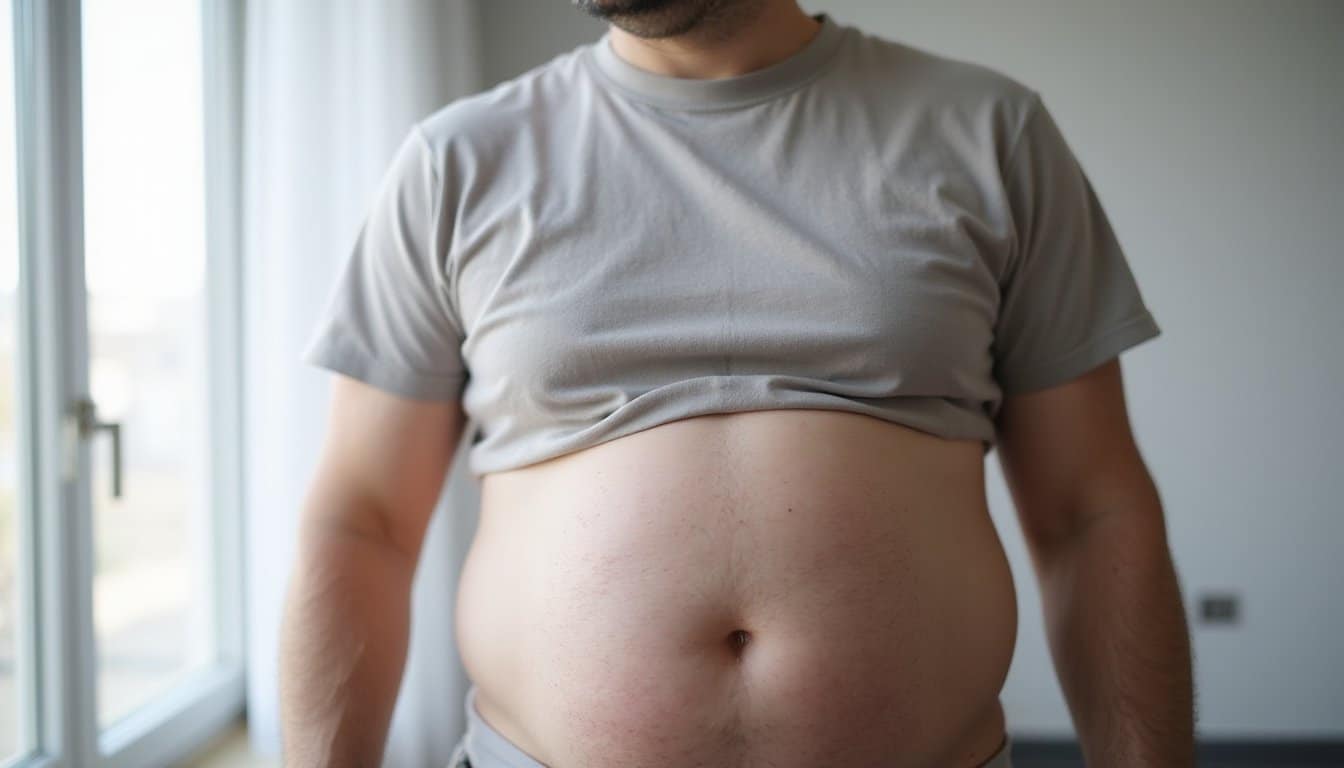
When you drink alcohol, your body triggers a cascade of physiological responses that lead to visible bloating and puffiness. Alcohol causes water retention through multiple mechanisms: it suppresses vasopressin release from your posterior pituitary, initially increasing urination, then prompting compensatory fluid retention in your tissues.
Does alcohol make you retain water? Yes, your kidneys’ tubules begin holding excess water once dehydration signals activate. This disrupts your sodium-potassium balance, forcing your body to retain fluid to dilute high sodium levels. Alcohol causes water retention particularly in your abdomen, face, and extremities.
Simultaneously, alcohol inflames your stomach lining, causing gastritis and trapping gas in your gastrointestinal tract. This alcohol water retention weight gain appears quickly, creating that characteristic puffy, bloated appearance within hours of drinking. Carbonated alcoholic beverages worsen the problem because dissolved carbon dioxide gas forms bubbles that lead to additional fullness and bloating. The good news is that water retention from alcohol is temporary, and your body will restore its normal fluid balance once you stop drinking and allow your kidneys to recalibrate.
The Dehydration Paradox Behind Water Retention
Although alcohol contains water, it paradoxically depletes your body’s fluid reserves through a counterintuitive physiological mechanism. When you drink alcohol, it suppresses vasopressin (ADH) release from your posterior pituitary gland. This hormone normally signals your kidneys to reabsorb water. Without adequate ADH, you expel more fluid through urination than the alcohol actually provides.
Once dehydration sets in, your body activates compensatory retention mechanisms. Your kidneys begin holding onto water aggressively, and electrolyte imbalances prompt tissues to retain available fluid. This creates the characteristic dehydration puffiness alcohol consumers often notice the morning after drinking. The dehydration can also cause your brain to shrink, pulling it away from the skull and contributing to those painful morning-after headaches.
The retention effects persist 24 hours to several days. High sodium intake alongside alcohol prolongs tissue swelling. Caffeinated mixers compound the diuretic effect, intensifying the rebound retention that follows your body’s initial fluid losses. To help your body recover more quickly, drink at least 16 ounces of water for every 12 ounces of beer or 4-6 ounces of liquor you consume.
How Drinking Inflames Your Digestive System
When you drink alcohol, it directly irritates your gut lining and triggers increased hydrochloric acid secretion in your stomach, which can inflame the mucosal barrier and contribute to gastritis over time. This irritation doesn’t stop at your stomach, alcohol also disrupts your intestinal microbiome by promoting dysbiosis and bacterial overgrowth, which releases inflammatory endotoxins into your system. The resulting damage to cells lining your small intestine increases intestinal permeability, allowing bacteria and toxins to leak through the gut wall and trigger both localized and systemic inflammatory responses. Additionally, alcohol disrupts the process of metabolizing food in the small intestine, further compromising your digestive function. This inflammatory response then exacerbates organ damage, creating a vicious cycle that extends the harmful effects beyond your intestines to other parts of your body.
Gut Lining Irritation Effects
Because alcohol directly contacts the gastrointestinal mucosa, it triggers a cascade of inflammatory responses that compromise your digestive system’s structural integrity. Chronic consumption promotes leaky gut by loosening tight junctions in your intestinal lining, allowing toxins to enter your bloodstream. Research shows individuals with alcohol use disorder demonstrate 40 times higher intestinal permeability than non-drinkers.
This barrier damage enables dysbiosis and bacterial overgrowth, shifting your microbiota toward inflammation-causing organisms. Gram-negative bacteria proliferate, increasing endotoxin release and effects that bind to intestinal cells and trigger immune responses. Your body experiences immune system disruption as Paneth cells decrease antibacterial compound secretion while inflammatory molecules surge. This compromised immune function reduces your body’s ability to defend against infections that would normally be contained. Additionally, alcohol kills healthy gut bacteria and interferes with nutrient absorption, which can eventually lead to malnutrition.
The local inflammation outcomes include gastritis, abdominal pain, and alternating diarrhea or constipation. These anatomical changes directly contribute to the bloating you experience after drinking.
Stomach Acid Production Halts
Beyond the structural damage alcohol inflicts on your intestinal barrier, it simultaneously disrupts your stomach’s acid-producing mechanisms in ways that worsen digestive inflammation.
When you consume alcohol, it initially stimulates hydrochloric acid secretion from your stomach lining. Beer and wine trigger particularly strong gastric acid and gastrin release. However, at higher ethanol concentrations, alcohol interrupts production of necessary stomach acids, reducing effectiveness against bacteria that would normally be neutralized in your digestive tract. The secretory response varies significantly because non-ethanolic contents in different beverages can overwhelm the action of ethanol itself. When you consume alcohol, it initially stimulates hydrochloric acid secretion from your stomach lining, a process that often raises questions like does alcohol slow metabolism down once digestion and energy use are disrupted. Beer and wine trigger particularly strong gastric acid and gastrin release. However, at higher ethanol concentrations, alcohol interrupts the production of necessary stomach acids, reducing effectiveness against bacteria that would normally be neutralized in your digestive tract. This secretory response varies significantly because non-ethanolic components in different beverages can overwhelm the direct action of ethanol itself.
This paradoxical effect creates unpredictable acid levels. Your body may overproduce acid initially, wearing away protective mucosal barriers, then underproduce during chronic exposure. The resulting imbalance halts normal digestive processes, preventing proper breakdown of proteins, carbohydrates, and fats. Your stomach prioritizes eliminating alcohol over nutrient absorption, leading to fermentation, increased gas production, and pronounced abdominal bloating. This chronic disruption to your digestive system also amplifies GERD symptoms, causing acid to flow back into the esophagus and intensifying overall gastrointestinal discomfort.
Microbiome Balance Disruption
Your gut harbors trillions of bacteria that alcohol systematically destabilizes with each drink. When you consume alcohol, beneficial Lactobacillus populations decline while harmful gram-negative, LPS-producing bacteria proliferate. This microbiome balance disruption directly causes your irritated stomach from alcohol and triggers the inflammatory cascade behind beer gut bloat.
Chronic drinking produces obvious shifts favoring Proteobacteria and Enterobacteriaceae, explaining why does alcohol give you a belly that persists. Your intestinal barrier weakens, allowing bacterial toxins into your bloodstream and activating inflammatory responses. This mechanism drives alcohol bloating weight gain and makes your belly bigger after drinking. The resulting dysbiosis decreases short-chain fatty acid production from beneficial bacteria like Faecalibacterium prausnitzii and Akkermansia, compounds essential for maintaining gut function and controlling inflammation. The damage also reduces butyrate production, a vital compound your intestines need to maintain proper balance and barrier integrity.
The dysbiosis explains why does beer make your stomach big beyond simple carbonation bloating beer effects. Your bloated stomach after beer reflects genuine digestive inflammation, not just temporary alcohol tummy distension from your drinking belly.
What Alcohol Does to Your Gut Bacteria
Your gut microbiome starts shifting within 30 minutes of alcohol consumption, with beneficial bacteria like Lactobacillus and Bifidobacterium declining while harmful species proliferate. This bacterial imbalance triggers a surge in endotoxins that activate your immune system and drive systemic inflammation throughout your digestive tract. Research shows that alcoholics experience increased Firmicutes and decreased Bacteroidetes at the phylum level, fundamentally altering the gut’s microbial composition. As dysbiosis progresses, your intestinal barrier weakens, a condition called leaky gut, allowing bacteria and toxins to escape into your bloodstream. Additionally, alcohol metabolism produces harmful metabolites like acetaldehyde that further damage the intestinal lining and disrupt healthy microbial balance.
Microbiome Balance Disruption
When alcohol enters your digestive tract, it immediately begins reshaping the bacterial communities that govern gut function. Your beneficial Lactobacillus and Bifidobacterium populations decline rapidly, while harmful Proteobacteria and Enterobacteriaceae proliferate. This shift reduces Faecalibacterium prausnitzii and Akkermansia muciniphila, species critical for maintaining your intestinal barrier integrity.
The dysbiosis triggers measurable consequences. Muribaculum intestinale suppression eliminates bacteria responsible for producing succinic, acetic, and propionic acids. Without adequate short-chain fatty acid production, your gut’s anti-inflammatory mechanisms weaken, contributing to that characteristic beer belly bloat many drinkers experience. Research shows that only some alcoholics develop alcohol-induced pathology, indicating factors beyond alcohol toxicity itself determine individual susceptibility to these gut disruptions.
Chronic exposure establishes bidirectional feedback loops between altered microbiota and continued consumption. Combined with salt and bloating drinking often involves, these bacterial imbalances compound fluid retention. Acute changes remain reversible, but prolonged dysbiosis requires deliberate intervention to restore microbial equilibrium.
Endotoxins Trigger Inflammation
Bacterial imbalances don’t just disrupt digestion, they produce harmful compounds that escape your gut and ignite systemic inflammation.
When alcohol promotes Gram-negative bacterial overgrowth, these microbes release endotoxins that accumulate in your intestines. Simultaneously, alcohol metabolism generates acetaldehyde, which phosphorylates tight junction proteins and increases intestinal permeability. This dual assault allows endotoxins to translocate from your gut into your bloodstream within 90 minutes of drinking.
Once circulating, endotoxins activate immune cells and trigger inflammatory cascades, raising TNFα, IL-6, and MCP-1 levels. Research shows binge drinking rapidly increases serum endotoxin markers, with bacterial translocation occurring before visible liver damage appears.
This inflammatory response contributes directly to beer belly bloat after drinking. Your body’s immune reaction causes fluid retention and tissue swelling, creating that characteristic abdominal distension beyond simple caloric effects. This inflammatory response contributes directly to beer belly bloat after drinking. Your body’s immune reaction causes fluid retention and tissue swelling, creating characteristic abdominal distension beyond simple caloric effects, which is why people searching how to lose a beer belly fast often see early improvements once inflammation and alcohol-related water retention subside. losing weight after quitting drinking can further strengthen these changes, as individuals may experience a more balanced metabolism and improved energy levels. This combination not only aids in shedding excess pounds but also promotes better overall health and wellness. As the body adjusts to the absence of alcohol, many find they have a renewed motivation to adopt healthier lifestyle choices.
Weakened Intestinal Barriers
Beyond triggering inflammation, alcohol systematically dismantles your gut’s bacterial ecosystem, shifting populations in ways that compound intestinal damage. Research shows alcohol reduces beneficial Lactobacillus and Bacteroidetes while increasing harmful gram-negative, LPS-producing bacteria like Proteobacteria and Enterobacteriaceae.
This dysbiosis directly weakens your intestinal barriers. Alcohol disrupts tight junctions through oxidative stress, creating hyperpermeability that allows macromolecules to pass through compromised mucosal tissue. Studies demonstrate a negative correlation between total bacteria count and intestinal permeability in alcohol-dependent subjects, fewer beneficial bacteria means greater barrier dysfunction.
Your small intestine becomes particularly vulnerable. Even single drinking episodes cause duodenal erosions and upper jejunum injury, promoting bacterial overgrowth. This overgrowth combines with barrier disruption to perpetuate a damaging cycle. During abstinence, however, protective species like Lactobacillus, Bifidobacterium, and Ruminococcaceae increase, supporting barrier recovery.
Why Beer Bloats You More Than Liquor
Beer produces more immediate bloating than distilled spirits due to its carbonation, fermentable grain content, and residual sugars. When you drink beer, carbon dioxide releases directly into your stomach, creating gas accumulation. The fermentation process introduces yeast that may continue processing in your digestive tract, generating additional gas production.
Beer’s grain base, typically barley or wheat, contains FODMAPs that trigger bloating, particularly if you have gluten sensitivity. These fermentable carbohydrates cause excess gas and digestive discomfort that distilled spirits bypass entirely.
Clear liquors like vodka and gin lack carbonation and fermentable sugars. When you mix them with water instead of soda or juice, you eliminate the additional bloating triggers. While all alcohol irritates your stomach lining and causes dehydration, beer compounds these effects through multiple simultaneous mechanisms that spirits don’t possess.
How Long Alcohol Bloating Takes to Go Away
Understanding which drinks cause more bloating matters, but knowing how quickly your body recovers provides equally practical information.
For occasional drinkers, mild bloating typically resolves within 24 hours as your body rehydrates and processes the alcohol. Binge drinking extends recovery to one to three days while inflammation subsides and water retention normalizes.
If you drink heavily and frequently, expect bloating to persist three to seven days. Your digestive system requires this extended period to stabilize gut function and reduce inflammation.
Alcoholic gastritis causes bloating that disappears within two weeks with abstinence. However, chronic gastritis from prolonged heavy drinking may produce symptoms lasting months or years.
You’ll accelerate recovery by prioritizing hydration, consuming fiber-rich foods, and avoiding carbonated beverages. Your gut microbiome fully stabilizes beyond two weeks of reduced alcohol consumption.
Warning Signs Your Bloating Means Gut Damage
When bloating persists despite rehydration and dietary changes, your body may signal underlying gut damage requiring medical attention. Gastritis symptoms include stomach pain, persistent burping, nausea, vomiting, and fullness that worsens after eating. You might experience acid reflux as burning chest pain when your esophageal sphincter relaxes, allowing stomach acid to back into your esophagus.
Leaky gut develops when cracks form in your intestinal wall, permitting toxins to enter your bloodstream. You’ll notice increased gas production, diarrhea, and widespread inflammation from bacterial overgrowth. Candida overgrowth disrupts sugar digestion and shifts gut fungal diversity.
Chronic damage warnings include repeated gastritis progressing to ulcers, stomach bleeding causing anemia, and persistent fatigue or shortness of breath. If you experience these symptoms, consult a gastroenterologist promptly.
How to Reduce Bloating Before and After Drinking
Although bloating from alcohol often resolves within 24-48 hours, you can accelerate recovery and minimize discomfort through targeted hydration and dietary strategies. Drink water before, during, and after alcohol consumption to counteract dehydration’s inflammatory effects on gastric tissue.
| Before Drinking | After Drinking |
|---|---|
| Choose non-carbonated spirits or wine | Consume anti-inflammatory foods like ginger and turmeric |
| Eat lean proteins with low-fiber vegetables | Drink herbal teas, chamomile or peppermint |
| Avoid salty, processed snacks | Include probiotic-rich foods for gut restoration |
| Select potassium-rich foods | Avoid sodium-heavy hangover meals |
| Drink water preemptively | Replenish electrolytes and fluids |
Light physical activity stimulates peristalsis and helps pass trapped gas. Apply a warm compress to relax abdominal muscles. For persistent symptoms, over-the-counter simethicone provides targeted gas relief.
When Alcohol Bloating Requires Medical Attention
Most alcohol-related bloating resolves with the dietary and hydration strategies outlined above, but certain warning signs indicate underlying pathology requiring prompt medical evaluation.
You should seek immediate medical attention if bloating persists for weeks alongside abdominal pain, nausea, or vomiting, these symptoms suggest alcoholic gastritis, which can progress to peptic ulcers and increase stomach cancer risk. Shortness of breath combined with severe abdominal swelling may indicate ascites from cirrhosis, a condition where fluid accumulates due to liver damage.
Watch for chronic heartburn or difficulty swallowing, as these signal potential esophagitis or Barrett’s esophagus, precursors to esophageal cancer. Unexplained appetite changes, weight loss, or recurring upper abdominal pain warrant evaluation for pancreatitis or gastrointestinal malignancies. Don’t dismiss persistent symptoms as normal bloating, early intervention prevents irreversible organ damage.
Understanding Why Alcohol Swells Your Belly
Waking up after a night of drinking to a bloated stomach or puffy hands can be frustrating and uncomfortable, leaving many people questioning why their body reacts this way. Alcohol can trigger water retention, digestive irritation, and inflammation, making even small amounts feel heavier on your body and harder to manage. If you’re noticing these changes and want guidance on reducing the impact of alcohol or addressing underlying health concerns, an alcohol addiction rehab can connect you with licensed treatment centers and professionals who understand these effects and support your recovery. Call +1-855-955-0771 today and let us help you take that first step toward healing, completely confidential and ready to help.
Frequently Asked Questions
Can Alcohol Bloating Make You Weigh More on the Scale Temporarily?
Yes, alcohol bloating can temporarily increase your scale weight by 2-5+ pounds overnight. When you drink, the diuretic effect dehydrates your body, triggering compensatory water retention. Your kidneys respond by holding sodium, which pulls fluid into tissues. High cortisol and aldosterone further promote this retention. You’ll typically see peak bloating the morning after, but it resolves within 24-48 hours with proper hydration and no additional alcohol intake.
Does Drinking Alcohol on an Empty Stomach Cause Worse Bloating?
Yes, drinking on an empty stomach causes worse bloating. Without food to slow absorption, alcohol rapidly stimulates excess stomach acid secretion, inflaming your gastric lining and triggering acute gastritis symptoms. Your body prioritizes eliminating alcohol over digestion, slowing gastric emptying and trapping gas. The accelerated diuretic effect also depletes fluids faster, reducing gastric juices and worsening constipation. This combination intensifies abdominal distension and discomfort compared to drinking with food.
Can Certain Medications Increase Alcohol-Related Bloating and Water Retention?
Yes, certain medications can worsen alcohol-related bloating and water retention. You’ll find that corticosteroids, NSAIDs, beta blockers, and some antidepressants promote fluid accumulation that compounds alcohol’s dehydration-rebound effects. H2 blockers and proton pump inhibitors can prolong gastric irritation when you’re drinking. Anticholinergics slow your gut motility, intensifying constipation and distension. If you’re taking diabetes medications or hormone therapies, you’re also at increased risk for amplified puffiness and temporary weight gain.
Does Age Affect How Much Bloating You Experience From Alcohol?
Yes, age markedly affects alcohol-related bloating. After 30, your liver enzymes process alcohol less efficiently, and your circulation slows, allowing toxic metabolites to accumulate. You’ll also lose 3, 8% of lean muscle mass per decade, reducing your body’s water retention capacity. This means the same amount of alcohol causes more pronounced fluid shifts and bloating. If you’re over 60, these effects heighten further, making bloating more severe and longer-lasting.
Can Hormonal Changes During Menstruation Worsen Alcohol-Related Belly Bloat?
Yes, hormonal changes during menstruation can markedly worsen alcohol-related belly bloat. During your luteal phase, progesterone fluctuations already promote fluid retention, and alcohol amplifies this effect. Alcohol temporarily raises estrogen levels while disrupting your hypothalamic-pituitary-ovarian axis, intensifying swelling. It also increases prostaglandin production, worsening uterine contractions and pelvic discomfort. Your body’s alcohol sensitivity heightens during hormonal shifts, making you perceive bloating more intensely during your premenstrual window.