
When you stop drinking alcohol, you’ll likely experience several common withdrawal symptoms within 6-12 hours. These include anxiety, hand tremors, headaches, sleep disruption, nausea, confusion, fatigue, vomiting, emotional instability, excessive sweating, heightened heart rate, and blood pressure changes. While less than 5% of the general population experiences withdrawal symptoms, their severity can vary considerably based on your drinking history and pattern. Understanding these symptoms helps you prepare for a safer recovery process.
Withdrawal is easier with people around you who know what each symptom means. Our alcohol detox program gives you that from the first hour.
Anxiety and Nervousness: The First Warning Signs

When alcohol consumption abruptly stops, anxiety and nervousness emerge as prominent withdrawal symptoms within 6-12 hours of abstinence. You’ll likely experience feeling “on edge,” accompanied by mood swings and irritability as your body responds to the sudden cessation of alcohol intake. Research shows this affects different populations notably, with 64% of White and 43% of Mexican-American men reporting anxiety during withdrawal. Less than 5% of the general population experiences withdrawal symptoms. Since alcohol has a depressive effect on brain function, stopping it suddenly can lead to an overactive nervous system. These symptoms may continue for several weeks after quitting alcohol, with the most intense period occurring in the first few days.
Understanding anxiety triggers is essential, as these symptoms often coincide with cognitive difficulties and confusion. You may notice increased social anxiety, hostile reactions to perceived threats, and emotional volatility. Without proper coping strategies, severe anxiety could progress to more serious complications, including delirium tremens in 16% of cases. Clinical intervention becomes necessary if you experience persistent anxiety states, especially when accompanied by hallucinations or seizure risks.
Hand Tremors and Body Shakes
Three distinct phases characterize alcohol withdrawal tremors, beginning with hand tremors that typically emerge 6-10 hours after your last drink. The localized shaking often starts in your hands before potentially spreading throughout your body, with tremor severity peaking between 48-72 hours into withdrawal. These shakes commonly occur with neurotransmitter imbalances in the brain. Seeking treatment through detox under supervision is crucial for managing withdrawal safely.
Alcohol withdrawal tremors start in the hands within 6-10 hours, potentially spreading throughout the body and peaking after 48-72 hours.
Your tremors’ intensity directly correlates with your drinking patterns and history. You’ll likely experience more severe symptoms if you’ve:
- Consumed alcohol frequently or in large volumes
- Developed significant physical dependency over time
- Have a history of previous withdrawal episodes
During withdrawal, your brain’s compensatory hyperactivity triggers these tremors as it attempts to recalibrate after alcohol cessation. You’ll need medical supervision to safely manage these symptoms, as they can indicate potential complications requiring immediate intervention, especially if you develop whole-body tremors. Medications like benzodiazepines and baclofen can help manage withdrawal tremors under proper medical supervision.
Persistent Headaches During Recovery
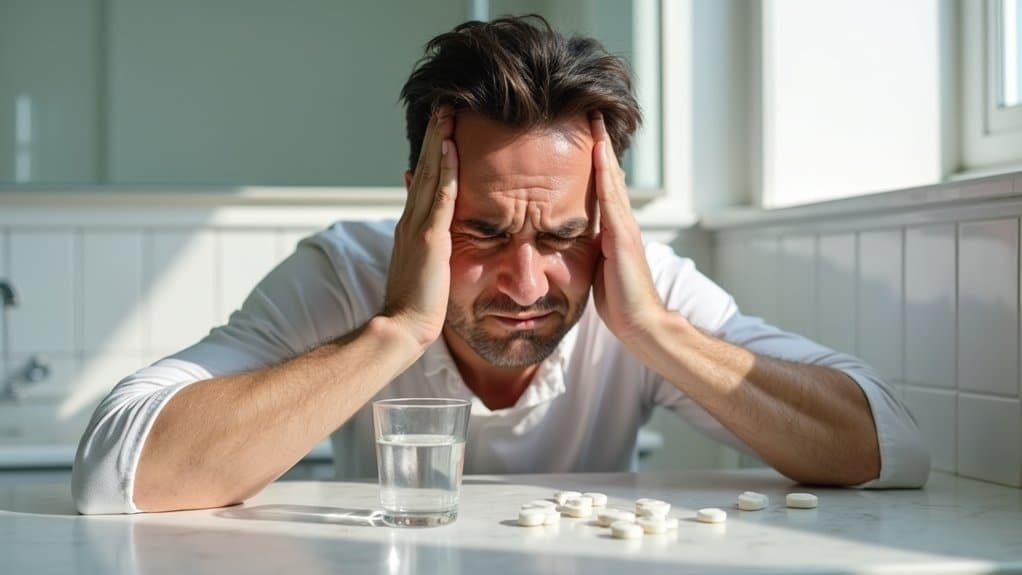
During alcohol withdrawal, you’ll likely experience both tension-type headaches with band-like pressure and throbbing migraine-like episodes that include sensitivity to light and sound. The absence of alcohol causes neural pathway hyperactivity that intensifies these headache symptoms. While acute withdrawal headaches typically last a few days to a week, some people face prolonged episodes during Post-Acute Withdrawal Syndrome (PAWS) that can persist for months in cyclical patterns. These symptoms commonly begin 6 to 12 hours after the last drink. Maintaining adequate vitamin and mineral intake through a balanced diet helps combat withdrawal symptoms. You can manage these symptoms through proper hydration, medical supervision, and prescribed interventions, as untreated withdrawal headaches may signal more serious complications.
Types of Withdrawal Headaches
As alcohol leaves your system, withdrawal headaches emerge as a distinct and severe manifestation of the body’s neurochemical readjustment process. These headaches differ considerably from typical tension headaches in both their pain characteristics and headache triggers, primarily driven by GABA-glutamate imbalances and stress hormone fluctuations. Symptoms commonly persist for seven to fourteen days during the withdrawal period.
Recent research has shown that corticotropin-releasing factor plays a crucial role in triggering these withdrawal headaches through its interaction with mast cells in the brain’s protective membrane.
You’ll typically experience three distinct types of withdrawal headaches:
- Throbbing, intense headaches that begin 6-12 hours after your last drink, often accompanied by nausea and sensory sensitivity
- Vascular headaches triggered by blood vessel dilation and peripheral nerve activation, which can intensify during the 12-48 hour peak period
- Stress-induced headaches linked to cortisol and CRF hormone changes, frequently occurring alongside anxiety and raised blood pressure
Managing Pain Without Medication
While medication often provides quick relief for withdrawal headaches, numerous evidence-based natural interventions can effectively manage your persistent pain during recovery. Since dehydration worsens withdrawal, maintaining proper fluid balance is crucial for symptom management. Focus on hydration strategies by increasing your water intake and consuming electrolyte-rich foods like bananas and coconut water. You’ll also benefit from incorporating relaxation techniques such as meditation, gentle yoga, and progressive muscle relaxation to reduce tension and stress-related discomfort.
Optimize your sleep hygiene by maintaining consistent bedtime routines and creating a dark, quiet environment. Light physical activities, including walking or swimming, can improve circulation and mood while alleviating headache symptoms. Track your triggers through journaling and practice mindfulness techniques to better understand and manage your pain patterns. Consider biofeedback training to develop greater control over your body’s physiological responses during withdrawal.
Duration and Recovery Timeline
Understanding the timeline of alcohol withdrawal headaches helps you anticipate and prepare for each recovery phase. The duration variability of headaches typically follows a predictable pattern, though individual experiences may differ greatly based on drinking history and overall health status. Due to heightened security measures, accessing medical support websites may occasionally be restricted, requiring alternate reliable resources for withdrawal information.
- Initial headaches emerge within 6-12 hours after your last drink, presenting as mild to moderate discomfort that may intensify during the peak withdrawal period (24-72 hours)
- Severe headaches often coincide with other withdrawal symptoms, particularly during delirium tremens which can occur 48-72 hours post-cessation
- Persistent headaches can extend beyond the acute withdrawal phase, lasting weeks or even months in some cases, particularly if you’re experiencing post-acute withdrawal syndrome (PAWS)
During these recovery phases, you’ll notice headache intensity generally decreases over time, though the timeline varies among individuals. Chemical dependence from prolonged alcohol use significantly impacts the severity and duration of withdrawal headaches. Since only 6.7% seek treatment, it’s crucial to understand that professional medical supervision can help manage withdrawal headaches and other symptoms more effectively.
Sleep Disruption and Insomnia

You’ll experience significant changes in your sleep patterns during alcohol withdrawal, with up to 50% of individuals reporting clinical insomnia symptoms. Night sweats commonly accompany these sleep disturbances, leading to discomfort and frequent awakening throughout the night. Your ability to fall asleep naturally becomes particularly challenging during the acute withdrawal phase (days 1-7), when sleep disruption typically peaks alongside other withdrawal symptoms. Studies have shown that approximately 31.7 percent of alcohol-dependent individuals experience insomnia as a withdrawal symptom.
Sleep Pattern Changes
Sleep disruption represents one of the most prevalent and persistent symptoms of alcohol withdrawal, affecting up to 91% of individuals during detoxification. You’ll experience significant changes to your normal sleep architecture due to neurochemical imbalances, particularly in GABA and glutamate systems. These insomnia triggers can persist for weeks or months after stopping alcohol use.
During withdrawal and early recovery, you’ll likely notice these distinct sleep pattern changes:
- Fragmented sleep with frequent nighttime awakenings and difficulty maintaining continuous rest
- Increased vivid dreams or nightmares due to REM sleep rebound
- Disrupted sleep timing and irregular sleep-wake cycles
Maintaining proper sleep hygiene becomes essential during this period, as these disturbances can impact your cognitive function and recovery progress. Your circadian rhythm may take several weeks to reset to a normal pattern.
Night Sweats While Resting
While detoxifying from alcohol, intense night sweats can severely disrupt your sleep and contribute to chronic insomnia. You’ll notice excessive sweating beginning 6-8 hours after your last drink, with symptoms typically peaking within 24-72 hours. Your autonomic nervous system becomes overactive during withdrawal, triggering your sweat glands and disrupting temperature regulation.
During these episodes, you’ll experience nighttime discomfort accompanied by clammy skin, muscle aches, and potential anxiety. Your body’s increased metabolic rate and the alcohol’s diuretic effects contribute to dehydration, prompting compensatory sweating. If you’re experiencing severe symptoms like hallucinations or seizures alongside night sweats, seek immediate medical attention, as these may indicate dangerous complications like delirium tremens. The severity of your symptoms will largely depend on your previous drinking patterns.
Difficulty Falling Asleep
During alcohol withdrawal, a staggering 31-91% of individuals face severe difficulties falling and staying asleep. Your sleep disruption typically peaks during the first week of withdrawal but can persist for months due to neurobiological changes in sleep-regulatory brain regions. This common withdrawal symptom greatly increases your risk of relapse if left unmanaged.
You’ll likely experience these specific disruptions:
- Fragmented sleep patterns and increased nighttime wakefulness
- Irregular circadian rhythms affecting your natural sleep-wake cycle
- Persistent insomnia that may last 2+ months into recovery
To manage these symptoms, you’ll need to focus on sleep hygiene and relaxation techniques. If you have co-occurring depression or anxiety, treating these conditions becomes essential, as they can amplify sleep difficulties during withdrawal.
Nausea and Stomach Discomfort
As alcohol leaves your system, gastrointestinal distress often emerges as one of the earliest and most challenging withdrawal symptoms. You’ll typically experience nausea triggers within hours after your last drink, which can intensify during the first few days. This discomfort often includes vomiting, bloating, and persistent stomach pain.
The underlying cause involves acute gastritis, where your stomach lining becomes inflamed, making it difficult to retain food and fluids. You may notice varying types of abdominal pain, from dull aches to sharp cramps, lasting several days to a week. For stomach relief, medical supervision is essential, as healthcare providers can prescribe anti-nausea medications and recommend appropriate hydration protocols. A bland diet featuring easily digestible foods can help manage these symptoms while your digestive system heals.
Excessive Sweating and Clammy Skin
Once alcohol consumption stops, your body often responds with excessive sweating and clammy skin as part of the withdrawal process. This symptom typically begins within 6-48 hours after your last drink and can persist for several days. Your autonomic nervous system becomes overactive during withdrawal, disrupting your body’s temperature regulation and perspiration control.
Common sweating triggers during alcohol withdrawal include:
- Night sweats that drench bedding and clothing, often disrupting sleep patterns
- Daytime episodes of hyperhidrosis (excessive sweating) even without physical activity
- Clammy skin accompanied by tremors or shakiness
These symptoms occur because your body is adjusting to functioning without alcohol, leading to temporary dysregulation of temperature control and fluid balance. Medical supervision is recommended during withdrawal to monitor these and other potentially serious symptoms.
Heart Rate Changes and Blood Pressure
Alcohol withdrawal greatly impacts your cardiovascular system, triggering complex changes in heart rate and blood pressure. You may experience bradycardia, a dangerously low heart rate, or develop various arrhythmias that require immediate medical attention. Your blood pressure might surge dramatically, especially during the initial withdrawal phase.
These cardiovascular changes aren’t just uncomfortable they’re potentially dangerous. Research shows that patients who develop arrhythmias face higher mortality rates and longer hospital stays. You’ll likely experience improved heart rate variability over time as your body recovers, but the initial withdrawal period remains critical. If you notice irregular heartbeats or significant blood pressure changes, don’t wait to seek help. These symptoms can lead to serious complications, including acute heart failure or sudden cardiac events.
Depression and Mood Changes
When withdrawal begins, you’ll likely experience significant changes in your emotional state, with about 63% of patients developing major depressive disorder during recovery. These mood swings stem from disrupted brain chemistry as your body adjusts to functioning without alcohol. Depressive episodes often intensify due to physical withdrawal symptoms and sleep disturbances.
Common emotional changes you may experience include:
- Rapid shifts between anxiety, agitation, and feelings of despair
- Increased irritability and emotional reactivity within hours of your last drink
- Persistent low mood accompanied by sleep problems and physical discomfort
Your risk of severe depression increases if you have co-occurring mental health conditions or a history of heavy drinking. The combination of disrupted neurotransmitters, particularly serotonin and GABA, directly impacts your emotional stability during withdrawal.
Mental Confusion and Disorientation
During severe alcohol withdrawal, mental confusion and disorientation affect up to 5% of heavy drinkers, particularly those consuming a pint or more of liquor daily. You’ll typically notice these symptoms emerging 2-3 days after stopping alcohol use, often progressing from initial anxiety and tremors to more severe manifestations.
Your mental clarity may become greatly compromised as you experience visual, auditory, or tactile hallucinations. These symptoms can intensify over 24 hours, especially if you’ve had a recent head injury or illness. Your cognitive recovery becomes more challenging when withdrawal is accompanied by malnutrition or infection. The risk increases considerably if you stop drinking abruptly without medical supervision. In severe cases, this confusion occurs alongside delirium tremens, which can be life-threatening and requires immediate medical intervention.
Physical Fatigue and Exhaustion
Physical fatigue and exhaustion emerge as hallmark symptoms of alcohol withdrawal, affecting nearly all individuals who cease heavy drinking. Multiple fatigue causes stem from alcohol’s disruption of your body’s natural systems, including neurotransmitter imbalances, hormonal fluctuations, and depleted nutrient stores.
Alcohol withdrawal drains both body and mind, disrupting essential biological systems and depleting vital resources needed for normal functioning.
During withdrawal, you’ll likely experience:
- Intense tiredness coupled with difficulty sleeping, as alcohol has disrupted your natural sleep cycles
- Physical weakness and reduced stamina due to dehydration and electrolyte imbalances
- Mental exhaustion from increased stress hormones and disrupted brain chemistry
Energy restoration typically requires a thorough approach combining proper hydration, nutrient supplementation, and structured rest periods. While acute fatigue peaks within the first 72 hours, some individuals may experience prolonged exhaustion lasting several weeks as their bodies readjust to sobriety.
Vomiting and Digestive Issues
During alcohol withdrawal, you’ll likely experience nausea within 6-8 hours after your last drink, affecting nearly 24% of individuals going through withdrawal. Your digestive discomfort may intensify over the first 24-72 hours, accompanied by symptoms like clammy skin and poor appetite. To manage stomach pain safely, you should maintain hydration, consider doctor-prescribed anti-nausea medications, and watch for signs of severe symptoms that require immediate medical attention.
Nausea During Early Withdrawal
As alcohol leaves the system, nausea and vomiting emerge as prominent symptoms within 6-8 hours after the last drink. You’ll experience peak nausea triggers during the first 24-72 hours of withdrawal, often accompanied by sweating and tremors that can intensify your discomfort. The frequency of vomiting varies based on your drinking history and overall health status.
Common manifestations include:
- Loss of appetite coupled with persistent digestive disturbances
- Clammy skin and rapid heart rate that may worsen nausea
- Recurrent episodes of vomiting that increase dehydration risk
Without proper medical intervention, you’re at risk for severe complications, including electrolyte imbalances and nutritional deficiencies. Your age, weight, and concurrent health conditions can greatly influence symptom severity, making professional monitoring essential during early withdrawal stages.
Managing Stomach Pain Safely
While your stomach pain intensifies during alcohol withdrawal, several evidence-based strategies can help manage digestive distress safely. For stomach soothing, focus on consuming bland, low-fat meals in small portions and practice gentle chewing to minimize gastrointestinal strain. You’ll need to make dietary adjustments by avoiding coffee, spicy foods, and processed items that can aggravate stomach inflammation.
Maintain hydration by sipping water throughout the day and consider oral rehydration solutions to restore electrolyte balance. Include probiotic-rich foods to support gut health, and supplement with potassium and magnesium to help relax stomach muscles. During severe discomfort, switch to liquid-based meals and seek medical supervision, as your healthcare provider may prescribe anti-nausea medications or gastric protective agents to reduce inflammation.
Emotional Instability and Irritability
When heavy drinkers abruptly stop consuming alcohol, they’ll often experience significant emotional instability and heightened irritability as their brain chemistry adjusts to the absence of alcohol. You may notice rapid shifts between emotional states within the first 48 hours, making emotional triggers particularly challenging to manage.
Common manifestations of emotional instability during withdrawal include:
- Sudden angry outbursts and unexplained irritability, often accompanied by restlessness and agitation
- Anxiety or panic attacks without clear triggers, which may include hyperventilation and sweating
- Feelings of emotional detachment or intense sadness that can persist for several days
Understanding these symptoms is essential for irritability management. If you’ve experienced previous withdrawal episodes or have co-occurring mental health conditions, you’re at higher risk for severe emotional symptoms.
Frequently Asked Questions
How Long Does Alcohol Stay in Your System During Withdrawal?
Your body’s alcohol metabolism during withdrawal varies based on several factors. While your liver typically processes one standard drink per hour, the complete withdrawal timeline extends beyond initial alcohol clearance. You’ll experience physical symptoms for 7-10 days, though some cases last up to two weeks. Your psychological withdrawal can persist for months. It is crucial to recognize that alcohol detection in tests differs from withdrawal duration and symptom persistence.
Can Medications Help Reduce Withdrawal Symptoms?
Yes, medications can greatly help manage withdrawal symptoms. Your doctor may prescribe benzodiazepines to reduce anxiety, prevent seizures, and ease tremors. For ideal withdrawal management, you’ll likely receive thiamine supplements and potentially anticonvulsants if you’re at high seizure risk. In severe cases, you’ll need hospitalization where medication effectiveness can be closely monitored. Don’t attempt to manage withdrawal without medical supervision, as it can be life-threatening.
When Should Someone Seek Emergency Medical Care During Withdrawal?
You should seek immediate emergency care if you experience seizures, delirium tremens, or severe confusion during alcohol withdrawal. These symptoms can be life-threatening without proper medical intervention. Watch for signs like hallucinations, rapid heart rate above 120 bpm, or severe hypertension. Your mental health and recovery support are essential, but severe withdrawal requires professional medical management. Don’t hesitate to call 911 if you develop dangerous symptoms or feel your life is at risk.
Are Withdrawal Symptoms Different for Beer Versus Hard Liquor?
No, your withdrawal symptoms won’t differ between beer and hard liquor consumption. The body processes ethanol uniformly, regardless of its source. While beer effects and liquor effects may vary in how quickly you develop tolerance (due to concentration differences), the actual withdrawal process remains identical. What matters is the total amount of alcohol you’ve regularly consumed, not the type of beverage. The withdrawal timeline and severity depend on your overall consumption patterns.
What Percentage of People Experience Severe Withdrawal Complications?
Based on the clinical data, you’ll find that approximately 4% of alcohol-dependent individuals develop severe symptoms during withdrawal. The withdrawal risk escalates considerably in untreated cases, with up to 15% mortality rate among those experiencing severe complications. You should note that about 20% of alcohol-dependent patients may face serious manifestations like seizures and hallucinations. Delirium tremens, a severe complication, affects varying percentages across demographics: 29% of white, 11% of black, and 24% of Mexican-American men.