Hangover anxiety symptoms hit you on two fronts: physical and emotional. You’ll notice a racing heart, trembling hands, and a nervous system that’s overcorrected into overdrive. Emotionally, you’re trapped in a loop of shame and guilt, fixating on last night’s behavior even when you’ve done nothing wrong. These symptoms stem from crashing GABA and dopamine levels while glutamate and cortisol surge. Understanding the neurochemistry behind this dread reveals why it feels so overwhelming. Hangover anxiety symptoms hit you on two fronts: physical and emotional. You’ll notice a racing heart, trembling hands, and a nervous system that’s overcorrected into overdrive. Emotionally, you’re trapped in a loop of shame and guilt, fixating on last night’s behavior even when you’ve done nothing wrong. These symptoms stem from crashing GABA and dopamine levels while glutamate and cortisol surge. Understanding this process is essential when learning how to stop hangover anxiety, because addressing the underlying neurochemical imbalance helps explain why the dread can feel so overwhelming.
Why Hangxiety Hits You With Waves of Dread

When alcohol wears off, your brain chemistry swings into overdrive, and that’s precisely why hangxiety hits you in waves. The neurotransmitter rebound effect drives this process. During drinking, alcohol boosts GABA while suppressing glutamate. Once you stop, GABA levels crash and glutamate activity surges, triggering heightened anxiety states.
Your dopamine levels also plummet after their initial surge, leaving you vulnerable to intense stress responses. This chemical imbalance disrupts normal brain messaging, creating waves of dread symptoms that feel overwhelming. Around 12% of adult drinkers experience anxiety during a hangover, though the intensity varies based on individual factors. These symptoms can last up to 14 hours, prolonging the emotional distress well into the following day.
You’ll likely experience racing thoughts, restlessness, and an overpowering sense of impending doom. Paranoia and emotional volatility often accompany these episodes. The intensity correlates directly with consumption levels, binge drinking produces more severe rebound effects, intensifying that characteristic heavy dread. Additionally, alcohol use can increase heart rate the day after drinking, leading to feelings of heart palpitations that amplify the sense of panic.
The Racing Heart and Shaking Hands That Feel Like Panic
Why does your body betray you with alarming physical symptoms after drinking? Your RacingHeart isn’t imagined, it’s a measurable physiological response to alcohol withdrawal. As cortisol surges through your system post-drinking, your heart rate elevates, creating that pounding sensation in your chest. This cardiac acceleration frequently accompanies ShakingHands, another hallmark of hangover anxiety.
The tremors you’re experiencing stem from disrupted GABA and dopamine levels. Your nervous system, deprived of alcohol’s depressant effects, overcorrects into a hyperactive state. Research shows 18.3% of drinkers report anxiety during hangovers, with shakiness and sweating appearing prominently among those with social anxiety baselines.
These symptoms closely mimic panic attacks, the racing pulse, trembling extremities, and overwhelming dread create a fight-or-flight response. Dehydration and sleep deprivation compound these effects, intensifying both your RacingHeart and ShakingHands throughout recovery.
Shame, Guilt, and the Emotional Spiral of Hangxiety
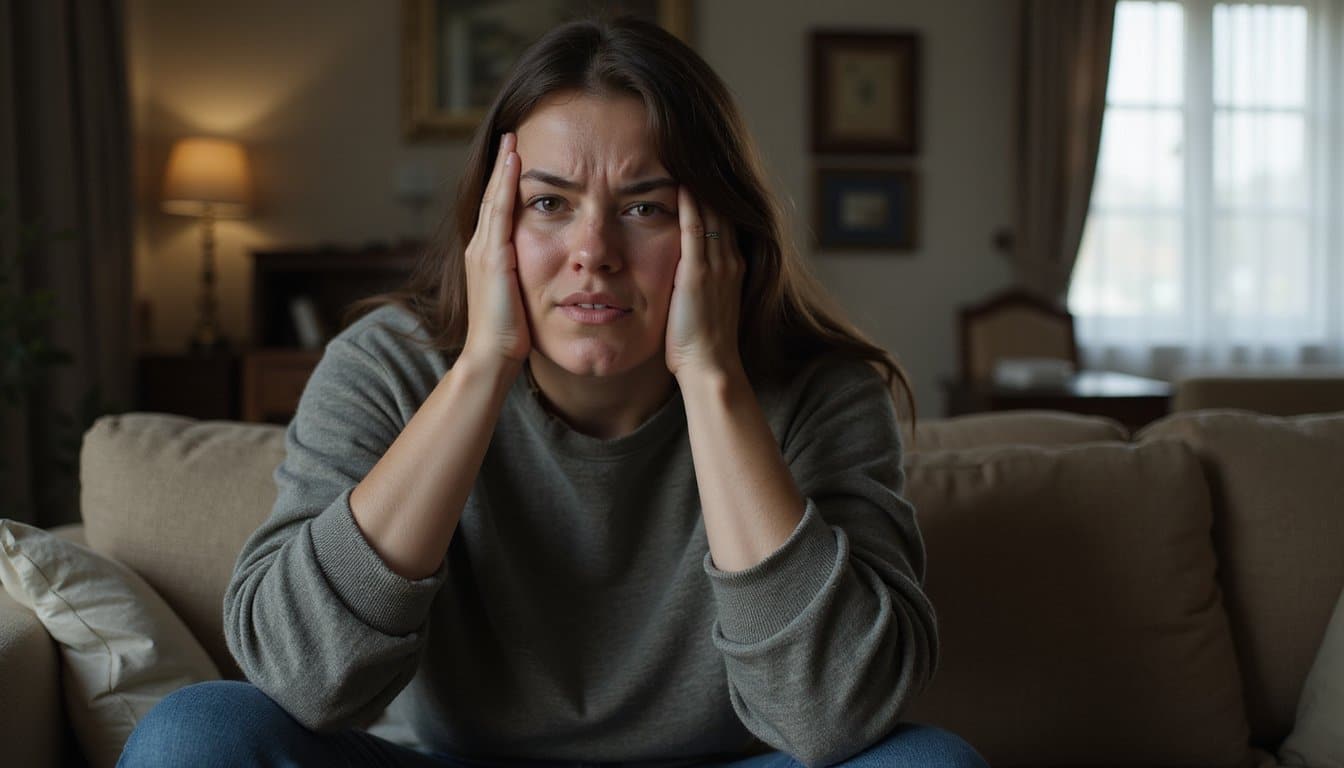
Shame and guilt frequently dominate the emotional landscape of hangxiety, creating a psychological spiral that intensifies long after alcohol leaves your system. You may find yourself fixating on behaviors from the previous night, experiencing hangover guilt even when you’ve done nothing objectively wrong. This shame after drinking often triggers an urgent desire to “put things right” or reverse your choices.
Blackouts from overconsumption heighten this dread massively. You replay conversations and actions repeatedly, amplifying embarrassment about words spoken or decisions made. Research indicates 12-18% of adult drinkers experience hangover anxiety, with vulnerability increasing if you have social anxiety or panic disorder.
This emotional spiral diminishes your executive functioning and emotional regulation capacity, making shame-induced stress harder to manage and potentially perpetuating a cycle toward dependence.
What’s Happening in Your Brain During Hangxiety?
The emotional turmoil you’ve just experienced, that spiral of shame and guilt, has distinct neurochemical origins. Your brain is undergoing a significant rebound effect as alcohol’s sedative influence dissipates.
During intoxication, alcohol enhances GABA activity while suppressing glutamate. Your brain compensates by reducing GABA production and upregulating glutamate receptors. Once alcohol clears your system, you’re left with a GABA imbalance that eliminates calming effects and glutamate overactivity that drives racing thoughts and physical shakiness.
Simultaneously, your dopamine levels crash after their alcohol-induced spike, triggering low mood and emotional dysregulation. Cortisol surges through your system, activating your sympathetic nervous system and elevating heart rate and blood pressure. Alcohol-induced brain inflammation further impairs your emotional regulation, while dehydration and disrupted sleep compound these neurochemical disruptions.
When Hangxiety Signals Alcohol Dependence or an Anxiety Disorder
Although occasional hangxiety resolves within 24 hours as your neurochemistry stabilizes, persistent or escalating symptoms may indicate alcohol dependence or an underlying anxiety disorder requiring clinical attention. Although occasional hangxiety resolves within 24 hours as your neurochemistry stabilizes, many people wonder how long does hangxiety last after drinking, especially when symptoms linger beyond the typical recovery window. Persistent or escalating symptoms may indicate alcohol dependence or an underlying anxiety disorder requiring clinical attention.
If you have pre-existing anxiety, you’re at heightened risk for severe hangxiety and post-drinking depression. Research shows 22% of drinkers experience anxiety and depression during hangovers, but when these symptoms impair daily function or cause you to miss work repeatedly, you’ve crossed into problematic territory. If you have pre-existing anxiety, you’re at heightened risk for severe hangxiety and post-drinking depression. In discussions of hangxiety explained, researchers describe how alcohol’s effects on neurotransmitters and stress hormones can intensify anxiety during the recovery period after drinking. Research shows 22% of drinkers experience anxiety and depression during hangovers, but when these symptoms impair daily function or cause you to miss work repeatedly, you’ve crossed into problematic territory.
Watch for dependence indicators: recurring blackouts, mood swings persisting beyond hangovers, chronic fatigue, and drinking to mask anxiety. This creates a vicious cycle of reliance where you need alcohol for relaxation, build tolerance, and experience worsening withdrawal symptoms. If hangxiety triggers panic attacks or intensifies with each drinking episode, seek professional evaluation immediately.
Your Recovery Journey Begins Here
Alcohol addiction can turn your life upside down for you and everyone who loves you, but healing is always possible. At Alcohol Awareness, we are committed to helping you discover the right Alcohol Recovery Programs to rebuild your life and embrace a brighter tomorrow. Call (855) 955-0771 today and make the decision that could transform your life.
Frequently Asked Questions
How Long Does Hangover Anxiety Typically Last After a Night of Drinking?
You’ll typically experience hangover anxiety for a few hours up to 24 hours after drinking. If you’ve consumed large amounts of alcohol, your symptoms may extend beyond a full day. About 12% of drinkers report waking with these symptoms. If your anxiety persists beyond several days, you should consult a healthcare provider, as this may indicate an underlying anxiety disorder requiring professional assessment and treatment.
Can Eating Certain Foods Help Reduce Hangover Anxiety Symptoms Faster?
Yes, eating specific foods can help reduce hangover anxiety symptoms faster. You’ll want to focus on potassium-rich options like bananas and avocados to restore electrolytes. Eggs contain cysteine, which aids your liver’s alcohol processing and reduces inflammation. Ginger provides anti-nausea and anti-inflammatory benefits. Complex carbs like oatmeal help regulate blood sugar fluctuations that worsen anxiety. Hydrating foods such as watermelon and broth-based soups replenish fluids while delivering essential nutrients for neural recovery.
Does Hangover Anxiety Get Worse With Age as You Get Older?
Yes, hangover anxiety typically worsens with age. Your brain builds tolerance over time, reducing GABA receptor sensitivity and requiring more alcohol for the same calming effect. This amplifies the post-drinking glutamate surge that drives anxiety. Your body also metabolizes alcohol less efficiently as you age, prolonging recovery. If you’ve developed a cumulative drinking history, you’ll likely experience heightened cortisol responses and more intense rebound anxiety than you did when younger.
Are Some People Naturally More Prone to Experiencing Hangxiety Than Others?
Yes, you’re naturally predisposed to varying levels of hangover susceptibility based on your genetics. Research shows genetic factors account for 16, 24% of hangover susceptibility variance, with specific genes like ALDH2 and ADH1B directly influencing how you metabolize alcohol and accumulate acetaldehyde. If you carry certain polymorphisms in these alcohol metabolism genes, you’ll likely experience more intense hangover symptoms, including heightened anxiety, compared to others with different genetic profiles.
Can Drinking Water Between Alcoholic Drinks Prevent Hangover Anxiety the Next Day?
Drinking water between alcoholic drinks won’t reliably prevent hangover anxiety the next day. While staying hydrated addresses alcohol’s diuretic effects, reducing thirst, dry mouth, and fatigue, research shows dehydration and hangover symptoms operate independently. A meta-analysis of 13 studies found no significant relationship between water intake and hangover relief. Your hangxiety stems from neurochemical disruptions, not fluid loss. You’ll counter dehydration, but you won’t eliminate the anxiety-inducing brain chemistry imbalances alcohol creates.