
Folic acid supplementation can markedly protect your liver from alcohol-induced damage through multiple biochemical pathways. It suppresses CYP2E1 enzyme activity, reduces harmful oxidative stress, and maintains essential methylation processes in hepatic tissue. You’ll benefit from folic acid’s ability to modulate inflammatory responses and support liver cell regeneration. While standard doses range from 400µg to 1mg daily, the timing and duration of supplementation play vital roles in maximizing hepatoprotective effects.
Understanding the Link Between Folate and Liver Health
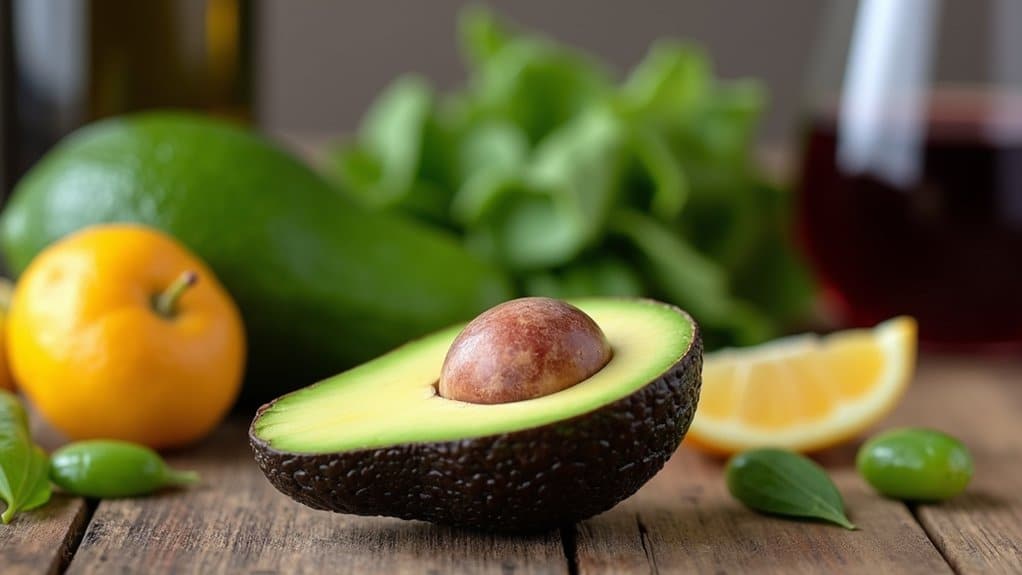
While the liver orchestrates numerous metabolic processes, folate plays a significant role in maintaining its functional integrity through one-carbon metabolism and methylation reactions. Your liver’s folate metabolism directly influences nutrient absorption and hepatic pathways essential for detoxification and cellular repair. The liver’s ability to store vitamins helps maintain adequate folate reserves for ongoing metabolic needs. Long-term exposure to alcohol can severely disrupt the folate absorption process in your body.
When you’re deficient in dietary sources of folate, your liver enzymes become heightened, indicating cellular stress and potential damage. This deficiency, often exacerbated by alcohol consumption, triggers chronic inflammation and compromises liver regeneration. Research shows that 80% of alcoholics have depleted serum folate levels, highlighting the widespread nature of this deficiency. You’ll find that folate’s regulatory effects on pro-inflammatory cytokines and oxidative stress are vital for ideal health outcomes. Without adequate folate, your liver’s methylation capacity diminishes, leading to impaired metabolic function and increased susceptibility to various liver disorders, including fatty liver disease and cirrhosis.
The Science Behind Alcohol’s Impact on Liver Tissue
Your liver’s exposure to alcohol triggers a cascade of destructive oxidative reactions, as ethanol metabolism through the MEOS pathway generates harmful reactive oxygen species and depletes protective antioxidants. These oxidative processes lead to widespread cellular damage, including lipid peroxidation, protein modifications, and DNA adducts formation, particularly through acetaldehyde toxicity. The resulting cellular stress activates multiple death pathways in hepatocytes, including apoptosis and necrosis, while simultaneously releasing damage-associated molecular patterns that amplify liver inflammation. The accumulation of excess fat in liver cells affects approximately 90-100% of heavy drinkers, leading to a condition known as hepatic steatosis. Alcohol consumption also disrupts intestinal health, causing leaky gut syndrome that allows harmful bacteria and toxins to enter the liver. Fortunately, if detected early enough, the liver can recover from this condition when patients achieve complete abstinence from alcohol consumption.
Oxidative Stress Mechanisms
When alcohol enters the liver, it triggers a cascade of metabolic events that dramatically amplify oxidative stress through multiple pathways. Your liver’s cytochrome P450 2E1 system becomes hyperactive, especially during chronic alcohol consumption, generating excessive reactive oxygen species (ROS) like superoxide and hydrogen peroxide. Research shows that neutrophils actively migrate to damaged liver tissue, further contributing to oxidative damage. The conversion of ethanol to acetaldehyde by alcohol dehydrogenase represents a critical first step in this damaging process. The accumulation of these toxic compounds leads to epigenetic changes that alter gene expression in liver cells, further compromising their function.
These ROS overwhelm your liver’s natural antioxidant defenses, particularly glutathione (GSH), which becomes severely depleted. What’s particularly concerning is that your liver mitochondria, already vulnerable due to low baseline antioxidant capacity, suffer significant damage. This oxidative stress launches a destructive cycle where lipids undergo peroxidation, proteins become oxidized, and DNA sustains damage. The resulting cellular dysfunction and inflammation create perfect conditions for progressive liver disease, as your hepatocytes struggle to maintain crucial functions against this persistent oxidative assault.
Cellular Death Pathways
Through multiple distinct pathways, alcohol-induced liver damage triggers an intricate network of cellular death mechanisms that progressively destroy hepatic tissue. When you consume alcohol, your liver cells face several destructive processes that can overwhelm normal liver regeneration:
- Apoptosis activates through both internal (mitochondrial) and external (death receptor) pathways, with caspase-3 marking widespread programmed cell death
- Necroptosis occurs via RIPK signaling when apoptosis becomes dysregulated, intensifying inflammation and tissue damage
- Pyroptosis and ferroptosis emerge as inflammatory and iron-dependent cell death mechanisms, respectively, particularly in chronic alcohol exposure
Your liver’s fate depends on the balance between these destructive pathways and protective mechanisms like autophagy, which initially helps remove damaged cellular components but can become impaired with continued alcohol exposure. Studies show that elevated levels of TNF and TNF-R are consistently found in alcoholic liver disease patients. The breakdown of alcohol by alcohol dehydrogenase (ADH) creates toxic byproducts and reactive oxygen species that further damage liver cells and accelerate tissue death. Chronic alcohol consumption can lead to increased gut permeability, allowing bacterial endotoxins to enter the liver and trigger inflammatory responses.
How Folic Acid Protects Against Liver Damage
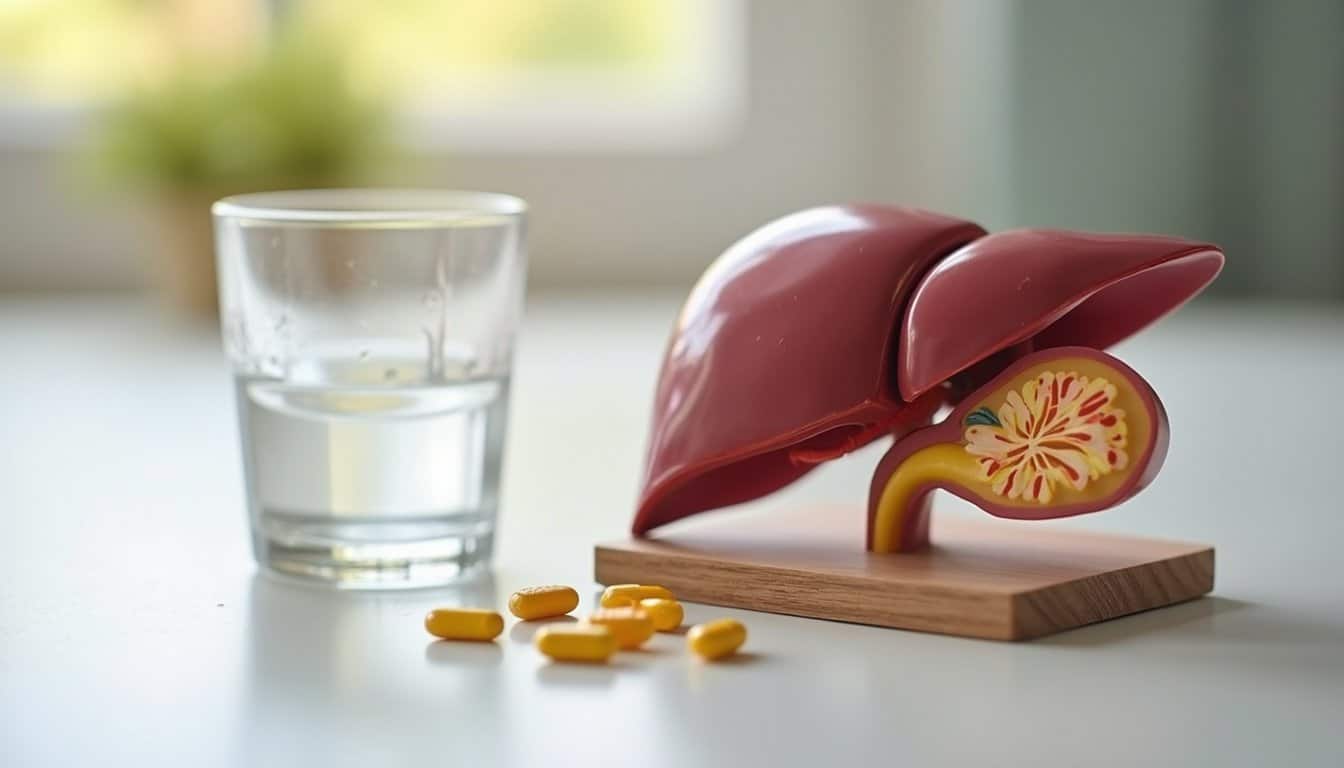
Research demonstrates that folic acid provides extensive protection against alcohol-induced liver damage via four primary mechanisms.
Folic acid’s liver protection starts by modulating inflammatory responses, reducing pro-inflammatory cytokines like IL-1β, IL-6, and TNF-α while increasing regulatory T cells. It then acts as a powerful antioxidant, decreasing oxidative stress and protecting mitochondrial function by suppressing PINK1-Parkin pathways. Recent studies show folic acid reduces liver injury by inhibiting CYP2E1 enzyme activity, which normally converts alcohol into toxic metabolites. Clinical studies reveal that patients receiving folic acid demonstrated reduced ALT levels compared to control groups. You’ll find it regulates lipid metabolism by reducing hepatic fat accumulation and improving serum lipid profiles, while simultaneously maintaining critical methylation processes through one-carbon metabolism. This supports DNA, RNA, and protein methylation essential for liver repair. Additionally, folic acid helps preserve the gut-liver axis by strengthening intestinal barriers, ultimately providing extensive protection against alcohol-induced hepatic injury.
Key Mechanisms of Hepatic Protection
Through its potent antioxidant properties, folic acid strengthens your liver’s defense systems by scavenging reactive oxygen species and restoring glutathione levels compromised by alcohol exposure. You’ll find that folic acid maintains DNA stability by preventing alcohol-induced strand breaks and protecting genomic integrity through enhanced repair mechanisms. Your liver’s methylation processes, essential for cellular homeostasis, are restored through folic acid’s vital role in homocysteine metabolism and methyl group donation. The nutrient also helps preserve intestinal health by promoting beneficial gut bacteria while reducing harmful microorganisms that contribute to liver inflammation. Since approximately 80% of alcoholics show reduced serum folate levels, supplementation may be particularly crucial for those with chronic alcohol consumption.
Antioxidant Defense Enhancement
By elevating multiple antioxidant defense mechanisms, folic acid fortifies the liver’s capacity to neutralize alcohol-induced oxidative stress. When you supplement with folic acid, it enhances glutathione synthesis and boosts key enzymatic defenses that protect your liver cells from alcohol-induced damage.
- Folic acid increases glutathione peroxidase activity, which directly neutralizes reactive oxygen species generated during alcohol metabolism
- Your liver’s catalase and superoxide dismutase activities are enhanced, providing additional protection against oxidative damage
- You’ll experience reduced lipid and DNA oxidation markers, along with lower ALT and AST levels, indicating improved hepatic protection
These antioxidant enhancements work together to create a robust defense system, considerably reducing alcohol-related oxidative stress in your liver tissue and preserving crucial cellular functions.
DNA Stability Support
While alcohol consumption poses significant risks to hepatic DNA integrity, folic acid provides essential genomic protection through multiple interconnected mechanisms. You’ll find that folic acid enhances DNA repair by supplying methyl donors vital for nucleotide synthesis and methylation pathways. It’s particularly effective in maintaining cellular resilience by supporting folate metabolism and key enzymes like thymidylate synthase.
Through antioxidant support, folic acid reduces DNA strand breaks and oxidative damage while promoting hepatic regeneration. It’s instrumental in preserving mitochondrial DNA stability and modulating gene expression through RNA methylation processes. You’ll notice improved oxidative stability as folic acid scavenges reactive oxygen species and maintains ideal SAM/SAH ratios. This extensive protection extends to reducing lipid-induced genotoxicity, ultimately supporting your liver’s DNA repair mechanisms against alcohol-related damage.
Methylation Balance Restoration
When alcohol disrupts hepatic methylation pathways, folic acid serves as a vital mediator in restoring S-adenosylmethionine (SAM) homeostasis and methionine metabolism. Your liver’s methylation dynamics become severely compromised during alcohol consumption, leading to impaired detoxification and increased injury susceptibility.
- Folic acid supplementation reactivates the folate cycle, providing essential methyl groups to regenerate SAM and support methylation-dependent liver processes
- During folate deficiency, disrupted transmethylation and transsulfuration pathways compromise your liver’s repair mechanisms and antioxidant defenses
- By restoring methyl donor availability, folic acid helps normalize methylation patterns fundamental for hepatic gene expression and metabolic regulation
This methylation balance restoration is essential for maintaining proper liver function and protecting against alcohol-induced damage through improved biochemical resilience.
Research Findings From Animal Studies
Animal studies have revealed essential mechanisms linking folate status to alcohol-induced liver pathology. In micropig models, folate deficiency combined with ethanol exposure greatly disrupted folate metabolism, leading to severe steatohepatitis and impaired liver regeneration. These animals showed reduced S-adenosylmethionine levels and increased expression of stress-related genes like CYP2E1.
Research demonstrates that folic acid supplementation partially protects against alcohol-induced damage. Supplemented animals exhibited improved gut barrier function, reduced lipid accumulation, and decreased inflammatory cell infiltration in liver tissue. The protective mechanisms include restoration of methylation patterns, particularly in Foxp3 promoter regions, and enhanced antioxidant defense. While supplementation didn’t completely prevent liver injury, it notably lowered liver damage markers and improved overall hepatic histology.
Clinical Evidence in Human Populations

Although animal studies have yielded promising results, clinical evidence in human populations presents a more complex picture regarding folic acid’s role in alcohol-related liver disease. Chronic alcohol consumption markedly impairs folate absorption, leading to deficiency states that may accelerate hepatic injury progression.
- Clinical observations show that folic acid supplementation improves biochemical markers and reduces oxidative stress in patients with alcohol-induced liver damage
- Supplementation enhances liver regeneration potential through improved methionine metabolism and DNA synthesis
- While supplementation demonstrates positive effects on hepatic glutathione levels and inflammatory markers, no definitive randomized controlled trials prove it prevents or reverses ALD
The evidence suggests folic acid offers protective benefits, but confounding nutritional deficiencies and limited intervention studies make it difficult to establish direct causality in human populations.
Pregnancy, Folic Acid, and Liver Protection
Recent evidence underscores folic acid’s specific protective mechanisms during pregnancy, expanding beyond its established role in preventing neural tube defects. When you’re pregnant, folic acid activates multiple hepatoprotective pathways, downregulating SREBP-1c genes while upregulating PPAR-α expression to enhance liver metabolism. It’s particularly essential in defending against chemical exposures, with doses above 600mg showing improved protection against environmental toxicants.
Your maternal nutrition choices directly impact offspring health through folic acid’s modulation of the gut-liver axis. It strengthens intestinal barriers, reduces inflammatory pathways, and supports DNA methylation in fetal development. For ideal liver protection, you’ll need 400-800 micrograms daily, though higher doses may be warranted if you’re exposed to harmful chemicals. When combined with cobalt supplementation, these protective effects are further enhanced for both maternal and fetal outcomes.
Epigenetic Effects on Liver Function
Through chronic alcohol consumption, you’ll experience profound epigenetic modifications in hepatic tissue that fundamentally alter gene expression patterns and cellular function. Alcohol metabolism triggers extensive changes in epigenetic regulation through:
- DNA hypomethylation of critical genes controlling lipid metabolism and inflammation, disrupting normal methyltransferase function
- Enhanced histone acetylation and phosphorylation, mediated by dysregulated HATs and HDACs, affecting chromatin accessibility
- Altered miRNA expression profiles impacting post-transcriptional control of hepatic lipid metabolism and inflammatory responses
Your liver’s epigenetic landscape undergoes significant remodeling as oxidative stress from alcohol metabolism generates ROS, further compromising methyltransferase activity and antioxidant defenses. These modifications create a cascade of aberrant gene expression patterns, potentially accelerating progression toward steatosis, cirrhosis, and hepatocellular carcinoma.
Recommended Dosage and Timing
For ideal protection against alcohol-related liver damage, you’ll need to maintain daily folic acid supplementation of 1-5 mg throughout periods of alcohol exposure. Your supplementation timing should be prophylactic, starting before significant liver injury occurs, as early intervention yields more pronounced hepatoprotective effects. If you’re experiencing acute alcohol exposure events, you should continue supplementation both during and after episodes to reduce oxidative stress and DNA damage markers in hepatic tissue.
Optimal Supplement Timing
While the timing of folic acid supplementation plays a critical role in mitigating alcohol-induced liver damage, evidence suggests that preventive administration yields superior outcomes compared to post-injury intervention. Research demonstrates that proper timing can enhance supplement absorption and improve liver regeneration potential.
Key timing considerations for maximum effectiveness:
- Pre-treatment with folic acid before alcohol exposure shows superior protection against oxidative damage and maintains ideal GSH/GSSG ratios
- Parallel supplementation during alcohol consumption reduces liver injury markers and supports antioxidant defense systems
- Early intervention helps prevent gut barrier dysfunction and subsequent hepatic inflammation
Studies indicate that preventive supplementation strategically timed before alcohol exposure provides better hepatoprotection through multiple mechanisms, including improved mitochondrial function and reduced PINK1-Parkin expression, compared to delayed administration.
Safe Dosage Guidelines
Safe and effective folic acid supplementation requires precise dosing protocols based on clinical presentation and deficiency severity. For ideal liver health, you’ll need 400 µg (0.4 mg) of folate supplementation daily as standard maintenance. If you’re experiencing severe deficiency, your healthcare provider may prescribe 0.4-1.0 mg intravenously for three days before shifting to oral maintenance.
It’s essential not to exceed 1 mg daily, as higher doses can mask vitamin B12 deficiency and potentially cause neurological complications. If you have alcohol-related liver disease, you’ll require careful monitoring of your supplement regimen due to altered drug metabolism. Your healthcare provider may adjust dosages based on disease progression and should evaluate potential interactions with other medications, particularly when co-supplementing with other B vitamins.
Future Research Directions and Challenges
Despite significant advances in understanding folic acid’s role in alcohol-related liver disease, critical research gaps persist across multiple domains. Future study designs must address the limited human clinical data and expand participant diversity across age, sex, and genetic backgrounds.
- Mechanistic pathways require deeper investigation, particularly regarding folic acid’s interaction with CYP2E1 activation, inflammatory cytokine signaling, and epigenetic modifications in liver tissue
- Clinical trials need to establish ideal dosing protocols while examining the synergistic effects of folic acid with other nutrients, especially vitamins B12 and D
- Researchers must overcome methodological challenges in standardizing endpoints and controlling for variable alcohol consumption patterns, while developing strategies to improve participant retention in long-term studies
The field needs longitudinal research measuring concrete outcomes like cirrhosis progression and mortality rates to validate folic acid’s therapeutic potential.
Frequently Asked Questions
Can Folic Acid Reverse Existing Alcohol-Related Liver Damage?
While folic acid can’t completely reverse existing alcohol-related liver damage, it can partially improve your liver’s condition. Higher folic acid dosage may help ameliorate inflammation and support limited liver regeneration, particularly in early stages of injury. However, once you’ve developed advanced damage like cirrhosis, structural changes are largely irreversible with folic acid alone. You’ll see better results using folic acid preventively rather than as a treatment for established damage.
Does Beer Provide Enough Folate to Protect Against Liver Damage?
No, beer consumption doesn’t provide adequate folate levels to protect your liver. While beer contains minimal folate (15-20 mcg per 12 oz), you’d need toxic amounts of alcohol to reach your daily folate requirement (400-600 mcg). Additionally, alcohol actively interferes with folate absorption and metabolism, depleting your hepatic folate stores. This combination of insufficient intake and alcohol-induced folate disruption actually increases your risk of liver damage.
Is Folic Acid Supplementation Effective While Continuing to Drink Alcohol?
While folic acid supplementation can partially mitigate liver damage during ongoing alcohol consumption, it won’t provide complete protection. You’ll see reduced lipid and DNA oxidation, improved antioxidant status, and decreased liver enzymes (ALT, AST), but you can’t fully prevent alcoholic liver disease through supplementation alone. For ideal liver protection, you’ll need to abstain from alcohol; folic acid merely lessens, rather than prevents, alcohol-induced hepatic injury.
Should Heavy Drinkers Take Additional B-Vitamins Alongside Folic Acid?
Yes, you should take B-vitamins alongside folic acid if you’re a heavy drinker. B12 and B6 work synergistically with folate in alcohol metabolism and homocysteine detoxification. Your body’s increased metabolic demands during chronic alcohol use deplete these nutrients rapidly. Focus on B vitamin sources like fortified cereals and lean meats, but you’ll likely need supplements since alcohol impairs your absorption of these nutrients from food alone.
How Quickly After Starting Folic Acid Supplements Can Liver Protection Begin?
While your body rapidly begins folic absorption within hours of supplementation, the liver-protective effects aren’t immediate. You’ll likely need several weeks of consistent supplementation before measurable changes in liver metabolism and protection emerge. Studies suggest it takes 4-8 weeks to observe significant improvements in liver function markers. Your individual response may vary based on factors like MTHFR genetic variants and alcohol consumption patterns.