
When you drink, redness of the nose can occur because alcohol causes your blood vessels to dilate rapidly, increasing blood flow to the skin’s surface and creating a noticeable flush across the nose and cheeks. Your body then metabolizes alcohol into acetaldehyde, a toxic compound that triggers inflammation and oxidative stress. With regular drinking, repeated cycles of vasodilation and constriction can weaken capillary walls, leading to permanent broken blood vessels. Understanding the difference between temporary flushing and lasting vascular damage is essential.
Why Your Nose Turns Red After Drinking

When you drink alcohol, your blood vessels dilate rapidly, pushing warm blood closer to your skin’s surface, and your nose, packed with tiny capillaries, shows this effect prominently. This alcohol flushing face response explains why your face burns when you drink alcohol and why you experience a red nose after drinking. Alcohol is a strong inducer of flushing and vasodilation, which directly contributes to this visible reaction.
Your skin’s vascular network reacts quickly to alcohol, causing visible redness around nose veins. If you have alcohol sensitivity, this flushing intensifies. Does alcohol make your nose red permanently? Not necessarily, temporary flushing versus permanent redness depends on frequency and genetic factors. While alcohol can aggravate existing skin conditions, studies have found little connection between a red, bulbous nose and actual alcohol consumption.
Repeated episodes can lead to broken capillaries nose alcohol damage, creating spider veins on face from alcohol exposure. Understanding this distinction helps you recognize when a drunk red nose signals deeper capillary damage requiring professional evaluation.
What Happens Inside Your Blood Vessels When You Drink
Alcohol kicks off a cascade of vascular changes the moment it enters your bloodstream. First, your blood vessels dilate, allowing increased blood flow to reach your skin’s surface. This vasodilation creates that familiar flushed appearance across your nose and cheeks.
As your body processes alcohol, a rebound phase occurs. Your vessels constrict, particularly in your extremities, causing blood pressure fluctuations. This biphasic response, dilation followed by constriction, stresses your vascular system with each drinking episode. Binge drinking patterns are particularly associated with transient spikes in blood pressure that further strain your vessels.
Your body metabolizes alcohol into acetaldehyde, a toxic compound that triggers inflammation and oxidative stress in your vessel walls. This damages your endothelium, impairing nitric oxide production and reducing your vessels’ ability to regulate properly. This endothelial dysfunction also facilitates plaque formation inside arteries, contributing to atherosclerosis over time. Over time, these repeated cycles weaken capillary walls, making them prone to rupture under normal pressure conditions.
Why Alcohol Hits Some Faces Harder Than Others

Your genetic blueprint largely determines how intensely your face flushes after drinking. If you carry the ALDH2*2 gene variant, your body struggles to break down acetaldehyde, a toxic byproduct of alcohol metabolism. This variant affects 20-30% of people with East Asian ancestry, causing acetaldehyde to accumulate rapidly in your system.
When you’re a carrier, even small amounts of alcohol trigger pronounced facial redness, particularly around your nose and cheeks. Homozygotes retain only 20% of normal enzyme activity, while heterozygotes fare slightly better but still experience impaired clearance. While this flushing response typically acts as a protective mechanism against excessive alcohol consumption, some individuals continue drinking despite these warning signs, potentially increasing their health risks. Research shows that those who continue drinking despite the flush reaction face higher risks of head and neck cancers.
The ADH1B*2 allele compounds this effect by accelerating acetaldehyde production. If you’ve inherited both variants, you’ll likely notice immediate, intense flushing. Europeans and sub-Saharan Africans rarely carry these alleles, explaining why alcohol-induced facial redness varies dramatically across populations.
Temporary Flush or Permanent Broken Capillaries?
Several factors determine whether your post-drinking redness disappears within hours or becomes a permanent fixture on your face. Temporary flushing occurs when alcohol dilates your blood vessels, increasing blood flow to your skin’s surface. This reaction typically subsides once your body metabolizes the alcohol.
| Feature | Temporary Flush | Permanent Capillaries |
|---|---|---|
| Duration | Hours | Persistent |
| Appearance | Diffuse blush | Visible vessel lines |
| Reversibility | Resolves naturally | Requires treatment |
Permanent broken capillaries develop differently. Repeated vasodilation weakens vessel walls, causing them to remain dilated. You’ll notice persistent red or purple lines that don’t fade. Rhinophyma represents the most severe progression, featuring thickened skin, enlarged pores, and a bulbous nose shape. This condition is more common in men due to higher levels of male hormones like testosterone. Despite common misconceptions, genetic predisposition to rosacea is the primary factor behind rhinophyma development rather than alcohol consumption alone. If your redness persists beyond 24 hours post-drinking, you’re likely experiencing vascular damage rather than simple flushing.
How Alcohol Triggers Rosacea Flare-Ups
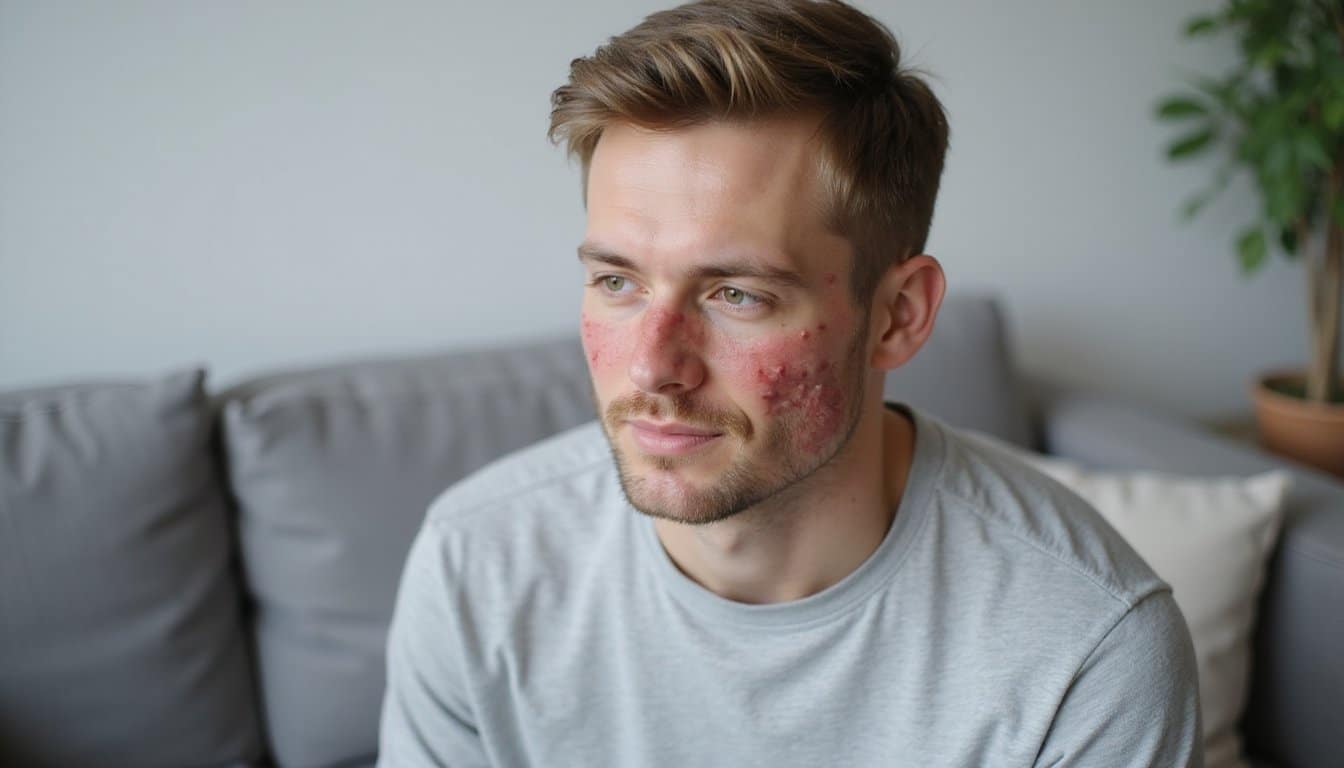
For those with rosacea, alcohol doesn’t just cause temporary flushing, it actively triggers disease flare-ups in 76% of patients. Red wine stands as the worst offender, affecting over 72% of respondents due to its high histamine and tannin content. White wine and beer follow at 49% and 42% respectively.
The mechanisms are multi-layered. Alcohol causes vasodilation, expanding your blood vessels and increasing facial blood flow. Acetaldehyde, a toxic byproduct of alcohol metabolism, drives inflammation. Histamine release compounds the problem, contributing to redness and swelling. Additionally, alcohol acts as a diuretic, causing dehydration that worsens rosacea symptoms by compromising skin barrier function.
Timing varies, 76% experience immediate symptoms, while others see flare-ups hours or even a day later. Research shows intake of 30+ grams daily yields a 53% increased rosacea risk. Even moderate consumption (1-4 g/day) elevates your risk by 12%. Remarkably, as little as half a drink can be enough to cause a rosacea outbreak in some patients.
Does Drinking Actually Cause “Alcoholic Nose”?
Does Drinking Actually Cause “Alcoholic Nose”?
You’ve likely heard terms like “whiskey nose” or “drinker’s nose,” but these colloquial names don’t reflect the actual medical reality of rhinophyma. The condition stems from advanced rosacea, a chronic skin disorder driven by genetic and demographic factors, not alcohol consumption directly. While drinking can aggravate existing rosacea symptoms by dilating blood vessels and triggering flushing, it doesn’t cause the tissue overgrowth and nasal disfigurement characteristic of rhinophyma. This rare condition primarily affects Caucasian males aged 50-70, making demographics a far more significant risk factor than alcohol use. Certain alcoholic beverages, particularly red wine, are more likely to trigger rosacea flare-ups than other types of alcohol. You’ve likely heard terms like “whiskey nose” or “drinker’s nose,” but these colloquial names don’t reflect the actual medical reality of rhinophyma. The condition stems from advanced rosacea, a chronic skin disorder driven primarily by genetic and demographic factors, not alcohol consumption itself, even though people often describe a nose affected by alcohol when flushing becomes more noticeable after drinking. While alcohol can aggravate existing rosacea symptoms by dilating blood vessels and triggering flushing, it doesn’t cause the tissue overgrowth and nasal disfigurement characteristic of rhinophyma. This rare condition predominantly affects Caucasian males aged 50, 70, making demographics a far more significant risk factor than alcohol use. Certain alcoholic beverages, particularly red wine, are more likely to trigger rosacea flare-ups than other types of alcohol.
Myth Versus Medical Reality
The stereotype of the “alcoholic nose”, a red, bulbous nose signaling heavy drinking, has persisted for centuries, reinforced by cultural figures like W.C. Fields and his trademark bumpy nose. However, medical evidence doesn’t support this causation myth.
Rhinophyma, the actual condition behind the enlarged, red nose, is a severe subtype of rosacea, not a direct result of alcohol consumption. You can develop rhinophyma without ever touching alcohol, and many heavy drinkers never experience it. Genetic predisposition remains the primary factor. Beyond cosmetic concerns, rhinophyma can also lead to facial disfigurement and nasal airflow issues that affect quality of life.
That said, correlation exists. Studies show rhinophyma patients consume extensively more alcohol than controls, and drinking does trigger flushing and vasodilation that can worsen existing rosacea. Alcohol aggravates the condition in susceptible individuals but doesn’t cause it independently. Your genetics, not your drinking habits, determine your baseline risk. While there is no cure for rhinophyma, symptoms can be managed through avoiding triggers such as sun exposure, caffeine, spicy foods, stress, and extreme temperatures. In addition, rhinophyma symptoms and treatment options vary for each individual, making personalized care essential. For some, topical treatments and medications can alleviate the physical manifestations, while others may consider surgical interventions. Consulting with a dermatologist can provide tailored strategies to help manage and improve skin health effectively.
Rosacea’s True Role
Rosacea, a chronic inflammatory skin condition marked by persistent facial redness, visible blood vessels, and acne-like bumps, sits at the center of the “alcoholic nose” misconception. You’ve likely heard the term “rhinophyma” describe that bulbous, thickened nose appearance, but research shows no direct causal link between alcohol consumption and rosacea development.
Your triggers for rosacea flare-ups include sun exposure, stress, and spicy foods, not alcohol as a primary cause. While drinking may aggravate existing rosacea through temporary vasodilation, it doesn’t create the condition. Some people experience facial flushing after drinking due to acetaldehyde buildup when their body lacks the enzyme needed to break down this toxic metabolite.
The “alcoholic nose” stereotype lacks scientific foundation. Rhinophyma represents a severe rosacea subtype involving enlarged sebaceous glands and thickened skin, occurring regardless of drinking habits. If you’re experiencing persistent nasal redness, consult a dermatologist for accurate diagnosis rather than assuming alcohol’s to blame. The “alcoholic nose” stereotype lacks scientific foundation. Rhinophyma represents a severe rosacea subtype involving enlarged sebaceous glands and thickened skin, occurring regardless of drinking habits, even though many people still ask why does alcohol make your nose red when they notice flushing after drinking. If you’re experiencing persistent nasal redness, it’s best to consult a dermatologist for an accurate diagnosis rather than assuming alcohol is the underlying cause.
Alcohol Aggravates, Not Causes
Despite widespread belief, medical research hasn’t established a direct causal link between alcohol consumption and rhinophyma, the bulbous, thickened nasal appearance often mislabeled “alcoholic nose.” Alcohol functions as an aggravating trigger rather than a root cause.
If you have pre-existing rosacea, drinking can worsen your symptoms through repeated flare-ups. However, you won’t develop rhinophyma from alcohol alone.
Key clinical findings:
- Non-drinkers develop rhinophyma at comparable rates, confirming alcohol isn’t necessary for the condition
- Rhinophyma primarily affects Caucasian males aged 50-70, a pattern genetics and age explain better than drinking habits
- Alcohol ranks equally with other risk factors like family history, gender, and skin tone
Your alcohol consumption may accelerate existing rosacea progression, but it doesn’t initiate the underlying condition.
Quick Ways to Calm Alcohol-Related Redness
If you’re dealing with redness after drinking, a few targeted strategies can help minimize the flush. Applying a cool compress constricts dilated blood vessels, while avoiding trigger beverages like sugary cocktails and high-alcohol drinks reduces inflammatory responses in your skin. Pairing these approaches with gentle, hydrating skincare products prevents additional irritation to already sensitized facial tissue.
Cool Compress Application
When alcohol causes your nose to flush, a cold compress offers one of the fastest non-medicated interventions available. The cold temperature triggers immediate vasoconstriction, reducing blood flow to dilated vessels and visibly diminishing redness within minutes.
Proper application technique:
- Wrap ice packs or frozen gel packs in thin, clean cloth to prevent ice burn
- Apply directly over the nose for 10-15 minutes for ideal results
- Never place ice directly on skin to avoid tissue damage
The vasoconstrictive effect directly counteracts alcohol’s natural vessel dilation in facial tissue. However, this relief is temporary, you may need repeated applications throughout the evening. Cold compress therapy works synergistically with adequate hydration before and during alcohol consumption. If redness persists despite consistent application, consider professional evaluation for underlying conditions like rosacea.
Avoid Trigger Beverages
Beyond external cooling methods, what you drink matters as much as how you manage symptoms afterward. Different alcoholic beverages contain varying levels of histamines and sulfites that can trigger skin sensitivity and vascular reactions. Red wine and certain beers rank particularly high in these compounds, often intensifying facial redness more than other options.
Track your reactions to specific drinks and ingredients to identify your personal triggers. You’ll likely notice patterns that help you determine which beverages cause the least flushing. Opt for lower alcohol content options when possible, as this directly correlates with decreased facial redness intensity.
Consider avoiding high-histamine choices entirely if you’re prone to pronounced flushing. This targeted approach addresses the problem at its source rather than relying solely on symptom management after redness appears.
Gentle Skincare Products
Selecting the right skincare products plays a critical role in managing alcohol-induced facial redness, particularly because many common formulations contain ingredients that worsen vascular sensitivity. You’ll want to avoid astringent alcohols like ethyl alcohol, methanol, and isopropyl alcohol, which strip moisture and aggravate inflammation.
When reviewing ingredient lists, skip products listing “alcohol” or SD alcohol early in the formula. Benzyl alcohol can dry and irritate rosacea-prone skin. However, fatty alcohols remain safe options:
- Cetyl alcohol and cetearyl alcohol won’t irritate sensitive skin
- Lauryl alcohol and stearyl alcohol prevent water loss without causing inflammation
- Antioxidant-rich formulas counter free radical damage from alcohol exposure
You should apply products gently to prevent further irritation on flushed skin. Prescription topicals containing metronidazole or azelaic acid effectively calm persistent alcohol-aggravated inflammation.
Triggers Beyond Alcohol That Make It Worse
Several factors beyond alcohol consumption can intensify nasal redness and worsen visible blood vessels. Sun exposure damages vessel walls over time, leading to permanent telangiectasias. Extreme temperatures, both hot and cold, trigger vasodilation and irritate sensitive perinasal skin. Wind and low humidity compromise your skin barrier, increasing vulnerability to inflammation.
Spicy foods activate TRPV1 channels, while hot beverages cause flushing regardless of their content. Strong emotions like anger or embarrassment provoke rapid blood flow increases. Exercise induces similar vasodilation effects.
Your skincare routine matters too. Harsh cleansers, fragrances, and preservatives can trigger contact dermatitis and inflammatory reactions. Over-exfoliation disrupts your lipid barrier. Even scented tissues irritate the nose area during allergy season. Identifying and avoiding your specific triggers helps prevent cumulative damage to delicate facial vessels.
When to See a Doctor About Nose Redness
While identifying and avoiding triggers helps prevent flare-ups, some signs of nose redness indicate you need professional evaluation rather than self-management.
Seek medical attention if you experience:
- Persistent redness that doesn’t fade between episodes, resembling a sunburn that won’t heal
- Skin changes including cracking, oozing, thickening, or a bulbous appearance on the nose
- Systemic symptoms such as fever, severe headaches, vision changes, or difficulty breathing through your nose
Redness recurring despite avoiding known irritants warrants a dermatologist visit. If you notice a butterfly-shaped rash across your cheeks and nose, request lupus testing. Boils, painful swelling, or signs of infection like yellow discharge require urgent care.
Don’t dismiss progressive changes. Early intervention prevents permanent vascular damage and rules out underlying conditions requiring targeted treatment.
Frequently Asked Questions
Can Drinking Through a Straw Reduce Facial Flushing From Alcohol?
No, drinking through a straw won’t reduce your facial flushing from alcohol. There’s no evidence that straws alter how your body absorbs alcohol or affect the vasodilation causing your redness. The flushing occurs because alcohol triggers blood vessel widening beneath your skin, not from how the drink enters your mouth. If you’re experiencing persistent redness, you’ll want to limit alcohol intake or consult a dermatologist about targeted treatments.
Does the Type of Alcohol Affect How Red Your Nose Gets?
Yes, the type of alcohol you drink does affect how red your nose gets. Red wine triggers more flushing than other beverages due to its higher histamine content. Fermented drinks like beer also contain compounds that promote blood vessel dilation. Distilled spirits may produce less intense reactions, though they still cause vasodilation. Your individual enzyme activity and histamine tolerance determine how strongly you’ll react to specific alcohol types.
Will Taking Antihistamines Before Drinking Prevent Nose Redness?
Antihistamines may reduce nose redness by blocking histamine release triggered by acetaldehyde buildup during drinking. H2 blockers like famotidine show some effectiveness in attenuating alcohol-induced flushing. However, this approach carries risks, masking symptoms can lead you to drink more, raising your blood alcohol levels and long-term health concerns. There’s no FDA-approved treatment for this use. You’re better off reducing intake and consulting your physician before self-treating.
Can Ice or Cold Compresses Reverse Broken Capillaries on the Nose?
Cold compresses can’t reverse broken capillaries on your nose, they only temporarily reduce their appearance by constricting blood vessels. You’ll notice short-term improvement in redness, but the structural damage remains. Avoid applying ice directly to visible spider veins, as extreme cold can actually worsen broken capillaries and prevent healing. For permanent removal, you’ll need professional treatments like laser therapy, intense pulsed light, or electrosurgery that destroy the damaged vessels.
Does Nose Redness From Alcohol Get Worse With Age?
Yes, nose redness from alcohol typically worsens with age. As you get older, your skin loses collagen and elastin, making blood vessels more fragile and visible. Repeated flushing weakens capillary walls over time, causing permanent spider veins. Alcohol also accelerates skin aging through dehydration and oxidative stress, thinning your skin further. If you have rosacea, chronic drinking can progress symptoms toward rhinophyma, adding years to your skin’s apparent age.