Most adults need between 2 and 5 standard drinks to reach 0.08% BAC, but this range exists because your body weight, biological sex, gastric enzyme activity, and lean mass-to-fat ratio create significant metabolic variability. Women typically experience 7% higher BAC than equal-weight men from identical consumption. Food delays gastric emptying, while rapid drinking overwhelms your liver’s hourly processing capacity. Understanding these physiological factors reveals why generic drink-counting fails as a reliable impairment predictor.
What Counts as One Standard Drink for BAC?
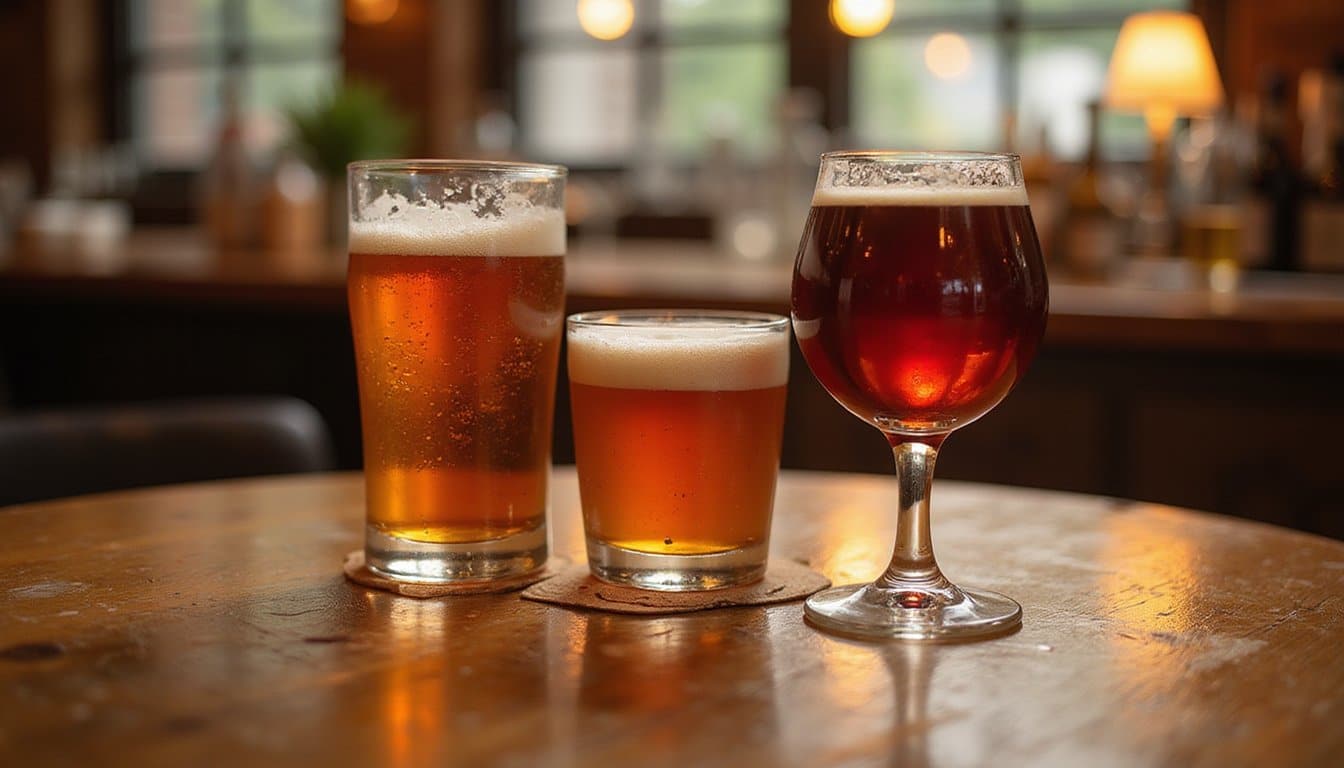
When calculating your blood alcohol concentration, precision starts with understanding what constitutes a standard drink. In the U.S., one standard drink contains exactly 14 grams of pure alcohol, equivalent to 12 ounces of 5% beer, 5 ounces of 12% wine, or 1.5 ounces of 80-proof spirits. This definition differs significantly from other countries, where standard drinks range from 8 to 20 grams of pure alcohol.
Your alcohol absorption rate varies considerably based on body weight and sex differences. These physiological factors directly influence how quickly ethanol enters your bloodstream and reaches peak concentration. The way alcohol affects your body will differ based on individual characteristics, meaning two people drinking identical amounts can reach vastly different BAC levels. Understanding these measurements matters because your liver can only process small amounts of alcohol at a time, and excess consumption can harm your organs.
Here’s the critical point: actual servings rarely match standard drink definitions. That restaurant pour or craft beer likely contains more alcohol than you’re calculating. A single cocktail may deliver two standard drinks worth of ethanol, skewing your BAC estimate substantially before you’ve even accounted for metabolic variables.
The Short Answer: 2 to 5 Drinks to Reach 0.08
Most adults require between two and five standard drinks to reach the 0.08% BAC threshold, though this range reflects considerable interindividual variability in ethanol metabolism. Your liver metabolism processes approximately one standard drink per hour, clearing roughly 0.015-0.02% BAC during that period. However, consumption rate outpaces hepatic clearance at a rapid pace during typical drinking sessions.
Peak BAC occurs 30-90 minutes after your last drink, meaning time-to-peak varies based on gastric contents and absorption kinetics. A 130-pound woman may reach 0.077% with just two drinks, while a 170-pound male might require four or more drinks within one hour on an empty stomach to achieve 0.08 BAC.
These estimates remain approximations. Medications, genetic enzyme variations, and hydration status further modulate your individual response to equivalent ethanol doses.
Why Body Weight and Sex Change Your BAC Math
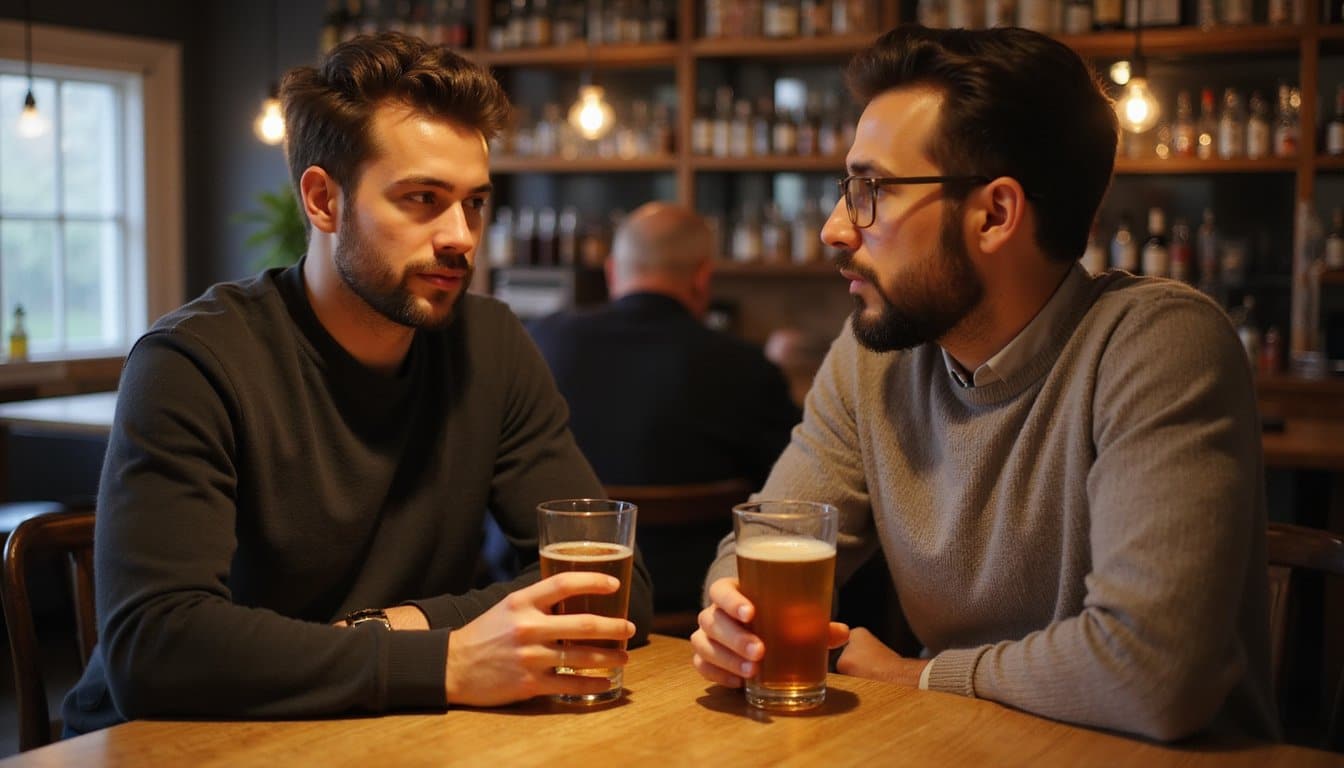
Your body weight directly influences how much your total body water dilutes incoming alcohol, with heavier individuals typically reaching lower BAC levels from identical consumption. Sex compounds this effect because women generally carry higher body fat percentages and produce less alcohol dehydrogenase enzyme, resulting in faster absorption and higher peak BAC than men of equivalent weight. Beyond the scale, your lean mass-to-fat ratio determines alcohol distribution more accurately than total weight alone.
Weight Dilutes Alcohol Concentration
Why does the same number of drinks affect people so differently? Your body weight directly determines how alcohol distributes through your system. The Widmark formula quantifies this relationship: BAC = (A / (rW)) – βt, where weight (W) sits in the denominator. Higher mass means greater dilution.
Your body composition matters equally. Alcohol dissolves in water, not fat. If you carry more adipose tissue relative to lean muscle, you’ll concentrate alcohol into a smaller water volume, elevating your BAC. Someone with identical body weight but higher muscle mass will show lower readings because muscle tissue contains more water content than fat.
This explains why two 180-pound individuals can register different BACs after identical consumption, their fat-to-muscle ratios create distinct dilution environments for ethanol distribution.
Sex Affects Absorption Rates
Beyond body mass, biological sex creates distinct pharmacokinetic environments that alter how alcohol moves through your system. Women possess 50% lower gastric alcohol dehydrogenase concentrations, meaning less alcohol metabolizes in the stomach before reaching intestinal absorption sites.
Key factors affecting absorption and processing rates:
- Gastric enzyme differences cause women to experience 7% higher BAC than equal-weight men consuming identical amounts
- Hormonal influences on metabolism alter lean body mass, liver size, and enzyme activity
- Menstrual cycle and intoxication patterns show heightened sensitivity during the luteal phase
- Oral contraceptives impact elimination rates by mimicking luteal-phase conditions, prolonging sedating effects
These variables mean you can’t apply universal drink-to-BAC calculations. Your sex fundamentally changes how quickly alcohol enters your bloodstream and how long it remains there.
Body Composition Matters Too
While biological sex markedly influences alcohol metabolism, body composition creates equally powerful variations in how your system processes each drink.
Your muscle-to-fat ratio determines BAC outcomes more precisely than scale weight alone. Muscle tissue contains substantial water content, while adipose tissue holds minimal water. Alcohol distributes exclusively through body water, bypassing fat entirely. Two individuals weighing identical amounts can reach vastly different BAC levels based solely on their body composition differences.
Higher body fat percentages concentrate alcohol within limited lean tissue, elevating peak BAC readings. Your metabolism rate, liver health, and age compound these effects profoundly. Compromised hepatic function impairs alcohol elimination, while aging reduces total body water content and metabolic efficiency simultaneously. These physiological variables make standardized drink-to-BAC calculations fundamentally unreliable for predicting your individual impairment threshold.
How Eating and Drinking Pace Affect Your BAC
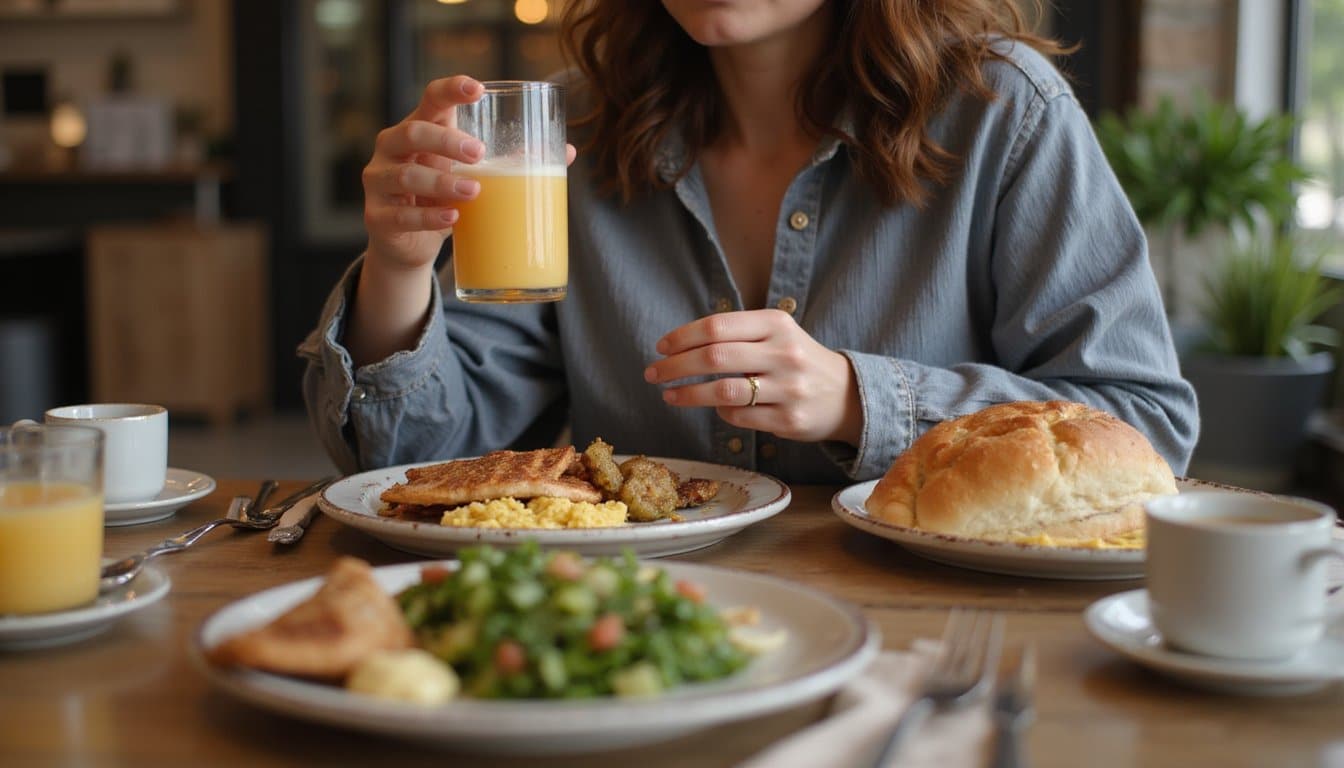
Two primary factors, food intake and drinking pace, significantly modulate your blood alcohol concentration beyond the simple equation of drinks consumed. When you have food in stomach, alcohol absorption slows dramatically as gastric emptying delays passage to the small intestine where 80% of absorption occurs.
Food in your stomach acts as a gatekeeper, slowing alcohol’s journey to where it actually enters your bloodstream.
Rapid consumption increases peak BAC by overwhelming hepatic metabolism, which processes approximately one standard drink hourly. Meal timing and peak delay correlate directly, consuming food immediately before drinking reduces peak BAC by 9-23%.
Key metabolic considerations:
- High-protein meals create the most significant absorption barrier
- Beverage and food interaction amplifies effects with lower-concentration drinks like beer
- Fasting states yield BAC levels three times higher than fed states
- Sipping versus gulping allows continuous hepatic processing, preventing accumulation
Why Craft Beers and Strong Pours Break BAC Charts
Your BAC calculation fails the moment you assume every beer delivers the same ethanol load, craft brews ranging from 6.8% to 8.8% ABV contain vastly more pure alcohol per 12-ounce serving than the 5% standard most charts use. Bartender pours compound this error, as generous or unmeasured servings inflate your actual intake beyond labeled volumes. When you’re consuming a double IPA at nearly twice the alcohol concentration of a light lager, each glass metabolically registers as 1.5 to 2 standard drinks, rapidly pushing your BAC toward the 0.08 threshold.
Craft Beer’s Hidden Strength
Many craft beers deliver substantially more alcohol per serving than standard BAC charts account for. When you consume a craft beer with heightened ABV, your single serving alcohol content increases proportionally, accelerating your intoxication rate and duration beyond typical estimates.
Consider these equivalent drink calculations:
- A 7% ABV craft beer equals approximately 1.4 standard drinks per 12-ounce serving
- An 8% ABV craft beer equals approximately 1.6 standard drinks per serving
- Double IPAs reaching 8%+ ABV deliver nearly double the alcohol of conventional beer
- High-ABV specialty styles can equal two to four standard drinks per serving
Your body metabolizes this concentrated alcohol load differently. The craft beer ABV variance, ranging from 5.9% nationally to 40% in extreme styles, renders generic BAC calculators clinically unreliable for accurate estimation.
Bartender Pours Vary Wildly
Beyond the ABV printed on a craft beer label, another variable compounds your BAC estimation problem: the actual volume of alcohol a bartender delivers to your glass. Bartender pour variations introduce significant unpredictability, studies indicate average overpours reach 20-30% above standard 1.5-ounce servings, with ranges spanning 1-2.5 ounces per drink. Beyond the ABV printed on a craft beer label, another variable compounds your BAC estimation problem: the actual volume of alcohol a bartender delivers to your glass. Bartender pour variations introduce significant unpredictability, studies indicate average overpours reach 20, 30% above standard 1.5-ounce servings, with ranges spanning 1, 2.5 ounces per drink. These inconsistencies can make it harder to gauge whether you’re approaching the legal alcohol limit to drive in usa, since even small increases in alcohol volume can noticeably affect your BAC. Beyond the ABV printed on a craft beer label, another variable compounds your BAC estimation problem: the actual volume of alcohol a bartender delivers to your glass. Bartender pour variations introduce significant unpredictability, studies indicate average overpours reach 20, 30% above standard 1.5-ounce servings, with ranges spanning 1, 2.5 ounces per drink. These inconsistencies can make it harder to gauge whether you’re approaching the legal alcohol limit to drive in USA, since even small increases in alcohol volume can noticeably affect your BAC. This uncertainty becomes even more important when considering the zero tolerance law bac level, which allows little to no measurable alcohol for certain drivers, particularly those under 21.
When you combine these inconsistent pours with craft beer ABV ranges, which stretch from 4.5% for lagers to 8.8% for double IPAs, the impact on standard drink equivalents becomes clinically significant. A heavy pour of a 7% IPA can yield 1.5 or more standard drinks in a single serving.
This explains why pours break BAC calculations entirely. Without precise volume and ABV measurement, your metabolic estimation collapses. BAC charts assume standardized inputs that simply don’t exist in real-world bar environments.
Standard Drink Myth Busted
- A 12-ounce imperial stout at 12% ABV delivers over two standard drinks
- Light beer at 4.2% ABV requires 14 ounces to reach one standard equivalent
- Malt beverages reach 15% ABV, tripling expected alcohol content
- Barley wines exceed 10% ABV routinely
This impact on standard equivalents means BAC charts systematically underestimate your intoxication. When craft beers disrupt BAC calculations****, you’re consuming double the alcohol while counting “one beer.”
Why a Breathalyzer Beats Any BAC Estimate
Although BAC estimation apps and mental math offer convenience, research demonstrates that individuals underestimate their BAC levels 69.6% of the time, an average error equivalent to two standard drinks or approximately 0.04% BAC. Your bac calculator simply can’t account for metabolic variability, hepatic enzyme activity, or gastric absorption rates.
Evidential breath testers meeting NHTSA specifications maintain precision within ±0.005% or ±5%, with zero false positives in controlled trials. However, breathalyzer variability exists among consumer devices, smartphone-paired models underestimate readings by >0.01% on average, and two tested devices failed to detect 0.08% BrAC over 50% of the time. Evidential breath testers meeting NHTSA specifications maintain precision within ±0.005% or ±5%, with zero false positives in controlled trials. However, breathalyzer variability exists among consumer devices, smartphone-paired models underestimate readings by >0.01% on average, and two tested devices failed to detect 0.08% BrAC over 50% of the time. These differences highlight the debate around breathalyzer vs blood test for alcohol, where laboratory blood analysis remains the most accurate method for determining true BAC levels.
This margin of error carries significant legal consequences. While evidential-grade devices perform reliably for enforcement purposes, you shouldn’t stake your freedom on consumer-grade estimates or subjective self-assessment.
Your Recovery Journey Begins Here
Alcohol addiction can turn your life upside down for you and everyone who loves you, but healing is always possible. At Alcohol Awareness, we are committed to helping you discover the right Alcohol Recovery Programs to rebuild your life and embrace a brighter tomorrow. Call (855) 955-0771 today and make the decision that could transform your life.
Frequently Asked Questions
Can Coffee or a Cold Shower Lower My BAC Faster Before Driving?
No, neither coffee nor a cold shower lowers your BAC. Your liver metabolizes alcohol at a fixed rate, approximately 0.015% per hour, regardless of external stimuli. Caffeine only masks sedation, creating false alertness while your BAC remains unchanged. Cold showers don’t affect hepatic enzyme activity. You’ll still test over the legal limit despite feeling more awake. Time is the only factor that reduces your blood alcohol concentration before you drive.
Does Utah Have a Different Legal BAC Limit Than Other States?
Yes, Utah enforces a 0.05% BAC threshold, the lowest in the nation. Every other state maintains the standard 0.08% per se limit. Utah enacted this stricter prohibition in December 2018, meaning you’ll face DUI charges at lower ethanol concentrations than anywhere else in the country. Commercial drivers encounter an even tighter 0.04% restriction. Importantly, Utah law permits impairment-based charges even below 0.05% if observable intoxication exists.
How Long Should I Wait After Drinking Before It’s Safe to Drive?
You should wait approximately one hour per standard drink consumed, as your liver metabolizes alcohol at roughly 0.015% BAC per hour. However, this rate varies based on your body weight, sex, liver function, and whether you’ve eaten. Even when you’re below 0.08%, impairment can begin at 0.02-0.05% BAC. For true safety, you shouldn’t drive until your BAC reaches 0.00%, a personal breathalyzer provides more accurate measurement than time estimates.
Will I Get a DUI if I’m Under 0.08 but Visibly Impaired?
Yes, you can face charges even below 0.08 BAC. Most states enforce “impaired driving” statutes that don’t require reaching the per se limit. If officers observe visible impairment indicators, slurred speech, compromised motor coordination, delayed reaction time, you’re legally vulnerable. Michigan’s OWVI specifically targets observable functional deficits detectable by an ordinary person. Your metabolic state doesn’t shield you; prosecutors need only demonstrate your driving capacity was noticeably diminished.
Can Medications Affect My BAC Reading Even With Few Drinks?
Yes, medications can substantially affect your BAC reading even after minimal alcohol consumption. Certain cough syrups, cold medicines, and liquid formulations contain ethanol that directly elevates your blood alcohol concentration. Additionally, asthma inhalers, antibiotics, and oral gels like Anbesol can produce false positives on breathalyzers. Antihistamines and sedatives won’t raise your BAC but mimic intoxication symptoms, potentially triggering impairment-based charges regardless of your actual reading.