
Alcohol’s diuretic effect lasts approximately four hours, with peak urine output occurring at the one-hour mark. When you drink, alcohol rapidly suppresses your pituitary gland’s release of antidiuretic hormone (ADH), preventing your kidneys from reabsorbing water efficiently. Your blood alcohol concentration remains heightened for about three hours before normalizing, and serum osmolality returns to baseline by the four-hour point. However, your hydration status before drinking substantially influences this timeline’s intensity and duration.
Alcohol’s Diuretic Effect Lasts About 4 Hours
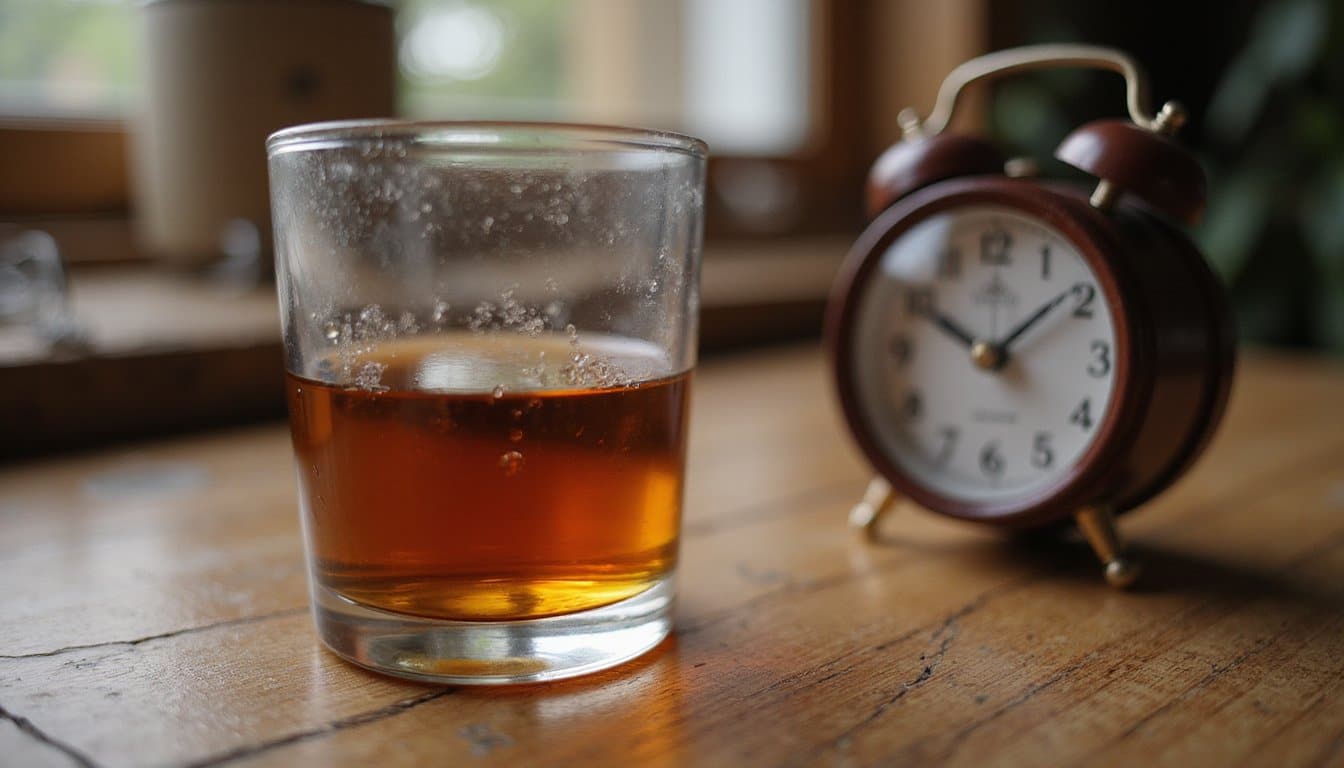
When you consume alcohol, its diuretic effect typically peaks within the first hour and persists for approximately four hours. During this window, your body’s ADH suppression drives increased urine production, with blood alcohol concentration remaining heightened for roughly three hours before normalizing.
Research demonstrates that serum osmolality stays raised for three hours post-consumption, returning to baseline by the four-hour mark. The alcohol diuretic effect shows significant differences in urine output only within this initial timeframe. Your alcohol elimination rate directly influences how quickly hydration normalizes. Eating food while drinking can also impact how long the diuretic effect lasts.
Beyond four hours, studies show no meaningful diuretic differences for moderate consumption. Your alcohol hydration recovery time depends on beverage strength, prior hydration status, and metabolism. Spirits produce the strongest diuretic response, while beer’s lower alcohol content creates milder effects. Research on elderly men found that weaker alcoholic beverages like beer at 5% alcohol do not produce a diuretic effect at all. These findings highlight the importance of considering hydration status in elderly individuals when they consume alcoholic beverages.
Your Urine Output Hour by Hour After Drinking
Your urine output follows a predictable pattern after drinking alcohol, with production peaking at the one-hour mark regardless of your hydration status. Over the next four hours, you’ll experience continued heightened output, with cumulative differences between alcoholic and non-alcoholic beverages becoming statistically significant from the two-hour point onward. The strength of your drink plays a critical role, spirits and wine produce measurably superior urine volumes than beer during this four-hour window.
Peak Output at One Hour
Although alcohol’s diuretic action begins shortly after your first drink, research demonstrates that urine production reaches its maximum approximately one hour after you’ve finished consuming alcohol.
During this peak phase, your alcohol metabolism timeline coincides with maximum vasopressin suppression. Studies show euhydrated individuals produce 643 ± 303 mL at the one-hour mark, significantly exceeding output at any subsequent measurement point (P < 0.001). Your blood alcohol concentration peaks simultaneously, reaching 6.0-7.1 mmol/L, which directly correlates with reduced antidiuretic hormone activity.
Understanding your alcohol ADH recovery helps explain the alcohol urine frequency timeline. Peak potassium excretion also occurs at this one-hour interval. Your hydration status dramatically influences this response, hypohydrated individuals produce only 113 ± 81 mL at peak, demonstrating that baseline fluid balance determines your body’s diuretic magnitude.
The Four-Hour Window
Because alcohol’s diuretic effect follows a predictable trajectory, tracking your urine output hour by hour reveals how your body processes and responds to ethanol consumption.
Your Four-Hour Urinary Timeline:
- Hour 1: Peak urine output occurs, euhydrated individuals produce approximately 643 mL, marking the alcohol diuretic effect’s maximum intensity.
- Hour 2: Urine flow remains raised between 60-120 minutes, with rates reaching 373 mL/h at higher ethanol doses.
- Hour 3: Output begins declining as urine osmolality rises, though blood alcohol remains substantially elevated.
- Hour 4: Total cumulative output reaches 1,540 mL in euhydrated alcohol trials versus 1,295 mL without alcohol, statistically significant diuresis confirmed.
Your alcohol fluid balance recovery begins as serum osmolality equalizes by hour four. Understanding this alcohol dehydration recovery time helps you anticipate when normal urinary function resumes.
Alcohol Strength Matters Most
When examining how different alcoholic beverages affect urination rates, research demonstrates that alcohol concentration, not total alcohol content, determines diuretic intensity. Wine and spirits produce markedly higher cumulative urine output compared to their non-alcoholic counterparts within the first four hours post-consumption. This alcohol strength differential becomes measurable starting at the two-hour mark.
Beer presents a notable exception. Studies show no appreciable differences in urine output between alcoholic and non-alcoholic beer at any time point when alcohol content remains at or below 2%. Your body processes lower-concentration beverages without triggering substantial diuretic responses.
The diuretic effect correlates directly with alcohol concentration in your bloodstream. Stronger beverages elevate blood alcohol levels more rapidly, suppressing ADH production and accelerating urine production. This concentration-dependent relationship explains why spirits and wine drive short-term diuresis while moderate beer consumption maintains relatively normal fluid balance. The diuretic effect correlates directly with alcohol concentration in your bloodstream. Stronger beverages elevate blood alcohol levels more rapidly, suppressing ADH production and accelerating urine production. This concentration-dependent relationship explains why is alcohol a diuretic, as ethanol interferes with the hormone vasopressin (ADH) that normally helps your body retain water. As a result, spirits and wine tend to drive short-term diuresis, while moderate beer consumption maintains relatively normal fluid balance.
The Hormone Behind It: How Alcohol Suppresses ADH
When you consume alcohol, it directly inhibits your pituitary gland’s release of antidiuretic hormone (ADH), also called vasopressin. Without adequate ADH signaling, your kidneys can’t reabsorb water efficiently, causing them to excrete dilute urine at an accelerated rate. This hormonal disruption simultaneously increases your serum osmolality as electrolyte concentrations rise relative to your reduced fluid volume.
ADH Suppression Explained
Alcohol shuts down your body’s primary water-retention mechanism by targeting a hormone called antidiuretic hormone (ADH), also known as vasopressin. Your pituitary gland produces ADH to signal your kidneys to conserve water through reabsorption in the collecting ducts. Alcohol shuts down your body’s primary water-retention mechanism by targeting a hormone called antidiuretic hormone (ADH), also known as vasopressin. Your pituitary gland produces ADH to signal your kidneys to conserve water through reabsorption in the collecting ducts. Understanding how does alcohol affect urine production helps explain this process, because alcohol suppresses ADH release and prevents the kidneys from reabsorbing water efficiently.
When ethanol enters your system, it directly inhibits ADH release from the posterior pituitary gland. This suppression occurs within minutes of your first drink and intensifies as blood alcohol concentration rises.
Key physiological effects of ADH suppression:
- Your kidneys lose their signal to retain water, increasing free water excretion
- Urine output spikes to 117-373 ml/hour versus the normal 30-60 ml/hour
- Maximum diuresis occurs 60-90 minutes post-consumption
- Alcohol hormone normalization begins once metabolism completes, initiating alcohol kidney recovery and alcohol systemic recovery
Renal Fluid Removal Process
The suppression of ADH sets off a cascade of measurable changes within your renal system. Your kidneys increase free water clearance rates remarkably, reaching 5.12 ml/min compared to 3.19 ml/min without alcohol at the two-hour mark. This alcohol urine output timeline correlates directly with your blood alcohol concentration, which peaks at one hour post-ingestion.
Your alcohol metabolism speed determines how quickly these effects resolve. During the alcohol elimination process, serum osmolality remains heightened for one to three hours before normalizing by hour four. Curiously, your kidneys reduce potassium excretion starting at two hours post-consumption.
The renal response isn’t uniform across all beverages. Only wine and spirits containing 30g alcohol produce measurable diuretic effects, while beer below 2% alcohol doesn’t noticeably alter your kidney’s fluid handling.
Serum Osmolality Changes
Because alcohol rapidly enters your bloodstream, it immediately begins altering your body’s osmotic balance and triggering a hormonal cascade that drives increased urination. Ethanol contributes directly to serum osmolality, with each mg/dL of serum ethanol adding approximately 0.22 mOsm/kg to your osmolal gap.
Your hypothalamic osmoreceptors detect these changes during the alcohol systemic timeline, causing neurons in the paraventricular and supraoptic nuclei to hyperpolarize. This suppresses ADH secretion from your posterior pituitary.
Key osmolality effects during alcohol clearance time:
- Measured serum osmolality rises acutely following ethanol ingestion
- Hyperpolarized neurons prevent ADH release signals
- Aquaporin expression decreases in renal collecting ducts
- Water reabsorption capacity diminishes substantially
Your alcohol fluid regulation recovery begins only after ethanol metabolism restores normal osmolality and neuronal depolarization patterns resume.
Spirits vs. Wine vs. Beer: Diuretic Strength Compared
When comparing diuretic strength across beverage types, alcohol concentration, not total alcohol content, drives the acute urinary response. Spirits produce the strongest alcohol diuretic effect duration, showing significant urine output increases from two hours post-consumption. Wine follows closely, with measurable diuretic effects emerging within the same timeframe.
Your body responds differently to beer. Studies show no significant alcohol drink type diuretic impact from beer compared to non-alcoholic versions, even when alcohol amounts are equivalent. This occurs because beer’s lower concentration minimizes ADH suppression.
The alcohol diuretic strength comparison reveals spirits and wine increase cumulative urine output during the first four hours, while beer doesn’t alter fluid balance meaningfully. By four hours, differences between alcoholic and non-alcoholic beverages disappear across all drink types, confirming the transient nature of alcohol-induced diuresis. The alcohol diuretic strength comparison reveals spirits and wine increase cumulative urine output during the first four hours, while beer doesn’t alter fluid balance meaningfully. By four hours, differences between alcoholic and non-alcoholic beverages disappear across all drink types, confirming the transient nature of alcohol-induced diuresis. These fluid shifts also contribute to broader concerns like does alcohol dehydrate your skin, since temporary dehydration can reduce skin hydration and elasticity after drinking.
Pre-Drinking Hydration Changes the Diuretic Response
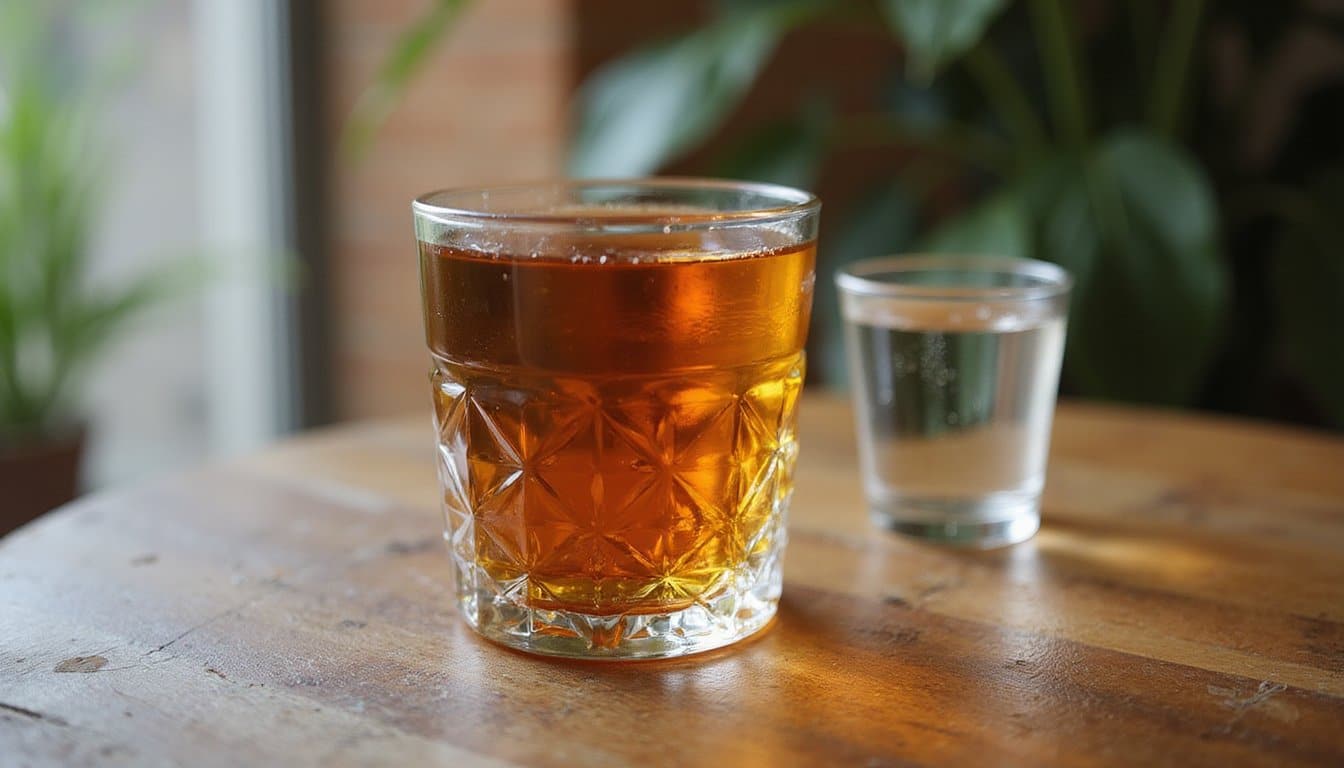
Your hydration status before drinking directly determines how strongly alcohol triggers diuresis. Research demonstrates that hydrated individuals produce 158 ml more urine over four hours compared to those who are lacking in fluid when consuming identical alcohol doses.
Pre-drinking hydration levels dramatically influence alcohol’s diuretic effect, with well-hydrated individuals producing significantly more urine than dehydrated ones.
Key findings on pre-drinking hydration’s impact:
- Peak urine output at one hour reaches 643 ml when well-hydrated versus only 113 ml when dehydrated
- Alcohol diuretic effect duration extends extensively in hydrated states
- Serum osmolality remains raised longer during alcohol hydration rebound in dehydrated individuals
- Alcohol body water restoration takes longer when starting from a fluid deficit
The body’s regulatory mechanisms override alcohol’s ADH-suppressing effects when you’re already dehydrated. This protective response prioritizes fluid conservation, blunting the expected diuretic action and altering your recovery timeline.
How Eating While Drinking Slows the Effect
Just as starting hydration status shapes your diuretic response, food consumption during drinking markedly alters how quickly and intensely alcohol triggers urine production.
The food-slows-diuresis-mechanism operates through delayed gastric emptying, which reduces alcohol absorption rates into your bloodstream. This slower absorption blunts peak ADH suppression, diminishing rapid urine output increases. Without food, your diuretic response peaks within 20 minutes; with food, onset extends beyond one hour.
Timing-of-effect-modulation becomes evident in free water clearance rates. Food flattens your blood alcohol concentration curve, sustaining levels over 3-4 hours rather than producing sharp peaks.
Your physiological-body-factors interact with food’s protective effect. Body composition influences metabolism rates, while hydration status determines how effectively food blunts diuresis. Higher-strength spirits override food’s slowing effect more than beer, which already mimics food through its fluid volume.
Post-Exercise Drinking Shortens the Diuretic Window
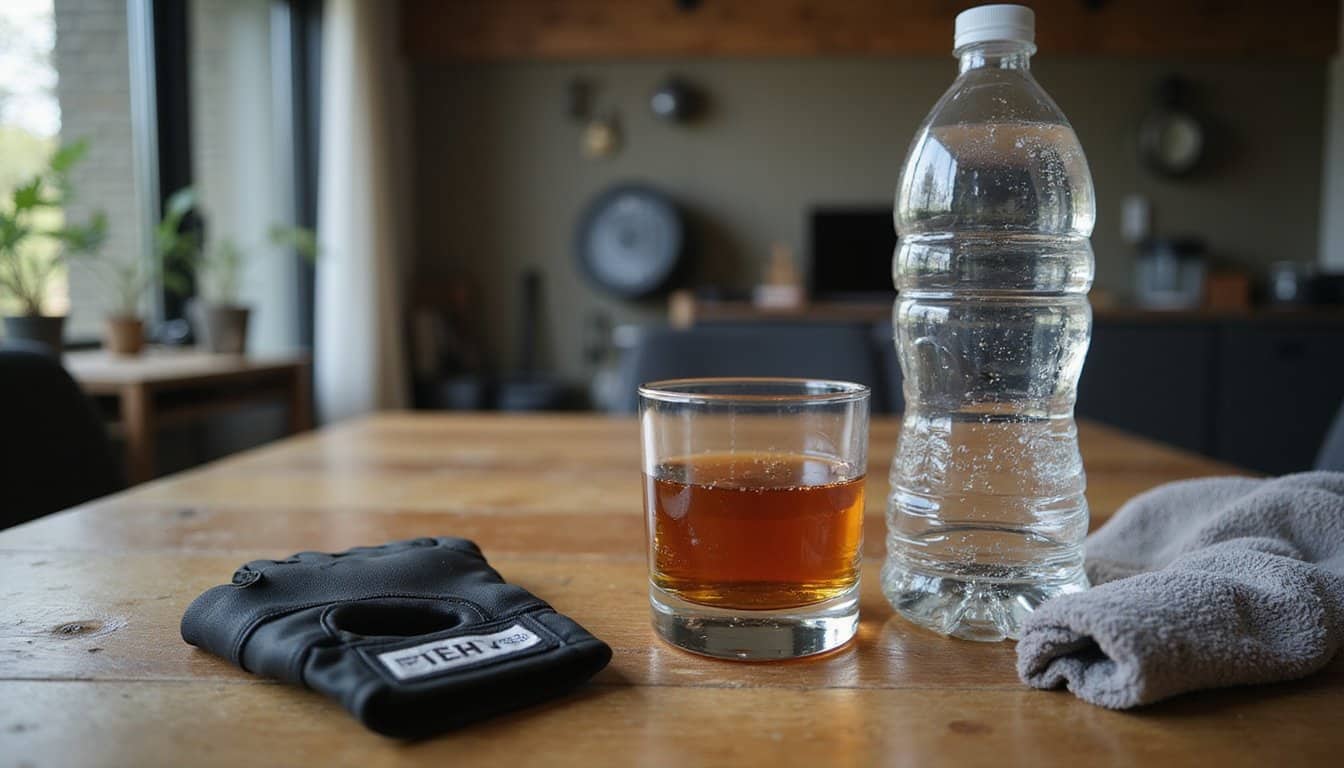
Several physiological factors converge after exercise to dramatically shorten alcohol’s diuretic window. When you drink post-workout, your body’s hypohydrated state blunts alcohol’s diuretic action considerably. Research confirms differences in urine output between alcoholic and non-alcoholic beverages disappear from 4 hours onwards after exercise.
Key findings on post-exercise alcohol hydration correction:
- Peak urine output drops from 643 mL (euhydrated) to 113 mL (hypohydrated) at the 1-hour mark
- Your alcohol processing time remains unchanged, but fluid retention improves
- The diuretic effect duration shortens compared to well-hydrated conditions
- Alcohol recovery timeline accelerates due to reduced urinary losses
Understanding how long does alcohol diuretic effect last post-exercise reveals your dehydrated state creates a protective mechanism, prioritizing fluid conservation over alcohol-induced excretion during the critical rehydration period.
Why Strong Drinks Hit Harder Than Weak Ones
When you compare a glass of wine to a pint of beer, the alcohol concentration, not the total alcohol consumed, determines how hard your kidneys work to eliminate fluid. Beverages exceeding 13.5% alcohol, like wine and spirits, trigger measurable alcohol diuresis within the first four hours. Beer at 5% concentration shows no significant diuretic difference compared to its non-alcoholic counterpart.
Research confirms this pattern: stronger drinks elevate serum osmolality higher at one hour post-consumption and produce greater cumulative urine output through the four-hour mark. The alcohol concentration directly suppresses ADH release, accelerating fluid loss. A 1968 study established this dose-response relationship, demonstrating that alcohol dehydration correlates with beverage strength rather than volume. After four hours, these differences disappear, your body compensates regardless of what you drank.
Practical Ways to Reduce Alcohol’s Diuretic Impact
Minimizing alcohol’s diuretic impact requires strategic interventions before, during, and after drinking. You’ll achieve better alcohol fluid stabilization by implementing evidence-based hydration protocols that counteract vasopressin suppression.
- Alternate beverages systematically: Drink 250mL water between each alcoholic beverage to maintain renal fluid balance and support alcohol hormonal recovery.
- Select lower-alcohol options: Choose beverages containing 5% alcohol or less to reduce diuretic intensity and preserve electrolyte concentrations.
- Consume a carbohydrate-rich meal beforehand: Eating pasta or rice slows gastric absorption, preventing rapid blood alcohol elevation and subsequent dehydration.
- Avoid concurrent diuretics: Skip caffeine-containing drinks that compound fluid loss and delay alcohol renal recovery.
These interventions promote faster physiological restoration. You’ll experience reduced nighttime urination and improved next-day hydration when you apply these targeted strategies consistently.
Your Recovery Journey Begins Here
Alcohol addiction can turn your life upside down for you and everyone who loves you, but healing is always possible. At Alcohol Awareness, we are committed to helping you discover the right Alcohol Recovery Programs to rebuild your life and embrace a brighter tomorrow. Call (855) 955-0771 today and make the decision that could transform your life.
Frequently Asked Questions
Does Alcohol’s Diuretic Effect Cause Nighttime Bathroom Trips After Drinking?
Alcohol’s diuretic effect typically won’t disrupt your sleep if you stop drinking several hours before bed. Your peak urine output occurs within one hour of consumption, and the diuretic window closes after approximately four hours. Once your blood alcohol concentration drops and ADH levels normalize, your kidneys return to standard fluid regulation. However, if you’re drinking closer to bedtime, you’ll likely experience increased nighttime urination during that active diuretic period.
How Long Does It Take for Hydration to Fully Recover After Drinking?
Your hydration typically recovers within 4 to 25 hours after drinking, depending on how much you consumed. Serum osmolality, a key marker of fluid balance, normalizes within about 4 hours for moderate intake. However, if you’ve consumed stronger beverages like wine or spirits, you’ll experience greater initial fluid loss, extending your recovery timeline. Your pre-drinking hydration status, metabolism rate, and body composition all influence how quickly you’ll restore ideal fluid balance.
Does Body Weight Affect How Long Alcohol’s Diuretic Effect Lasts?
Your body weight influences how long alcohol’s diuretic effect lasts, though concentration matters more than total intake. A heavier person typically metabolizes alcohol faster due to greater liver enzyme availability and larger fluid volume for dilution. This means you’ll process the alcohol more quickly, shortening the 3-4 hour diuretic window. However, research shows the acute diuretic phase remains relatively consistent regardless of weight when alcohol concentration stays constant.
Can Drinking Pace Influence the Duration of Increased Urination?
Yes, drinking pace influences your diuretic response duration. When you consume alcohol quickly, your blood alcohol concentration peaks higher within that first hour, intensifying ADH suppression and maximizing urine output. Slower drinking allows your liver to metabolize alcohol more steadily, reducing peak concentrations. However, research shows the acute diuretic window still spans approximately 4 hours regardless of pace, what changes is the intensity of urination within that timeframe, not the overall duration.
Does Alcohol Cause Fluid Imbalance the Day After Drinking?
No, alcohol doesn’t cause significant fluid imbalance the day after drinking. Research shows no measurable differences in cumulative urine output between alcoholic and non-alcoholic beverages at 24 hours post-consumption. Your body’s antidiuretic hormone levels stabilize once alcohol is metabolized, and fluid balance normalizes within 4-6 hours. While you may experience temporary dehydration symptoms during active drinking, your kidneys effectively restore equilibrium before the next day.