
Painful muscle cramps during alcohol withdrawal occur due to multiple factors affecting your nervous system and muscles simultaneously. Your body experiences hyperexcitability of the central nervous system, severe electrolyte imbalances, and dehydration from alcohol’s diuretic effects. You’ll also face disrupted nerve signaling and accumulated muscle tissue damage from chronic drinking. These factors combine with nutritional deficiencies, particularly in magnesium and B vitamins, to trigger intense cramping. Understanding these mechanisms can help you better manage your withdrawal symptoms.
Understanding the Nervous System’s Response to Alcohol Cessation

When alcohol consumption abruptly stops, the central nervous system enters a state of hyperexcitability due to compensatory mechanisms that developed during chronic drinking. Your brain’s neurotransmitter regulation becomes severely disrupted, with GABA receptors downregulated and NMDA receptors upregulated, creating an environment prone to excessive neuronal firing. These neurochemical changes can trigger motor convulsions and muscle spasms even without external stimulation. This hyperactive state particularly affects the extended amygdala, intensifying withdrawal symptoms through stress neurotransmitter activation.
You’ll experience significant sympathetic tone fluctuations as your autonomic nervous system becomes hyperactive. This results in physical symptoms like tachycardia, sweating, and tremors. The heightened nervous system activity directly affects your muscles, making them more susceptible to painful cramping and involuntary contractions. Each withdrawal episode can intensify these responses through a process called kindling, where your neural pathways become increasingly sensitized, potentially leading to more severe and prolonged symptoms with subsequent withdrawals. The symptoms typically emerge 6-24 hours after your last drink and can progressively worsen before improving.
How Alcohol Damages Muscles and Nerves Over Time
As alcohol circulates through your body, it inflicts widespread damage on both muscular tissue and nerve structures through multiple pathological mechanisms. Your muscle fibers undergo chronic structural changes, including mitochondrial distortion, intracellular swelling, and compromised contractile proteins. These alterations disrupt your muscles’ ability to generate force and maintain normal function. The prevalence of type II fiber atrophy affects up to 2,000 per 100,000 people who misuse alcohol. Those experiencing withdrawal commonly develop acute muscle injury within the first few days, particularly if they are malnourished.
Long-term alcohol exposure leads to persistent muscle regeneration challenges, even after you stop drinking. Your muscle cells show increased fat deposits, impaired protein synthesis, and damaged cellular components. Furthermore, alcohol-induced peripheral neuropathy affects nerve signaling at neuromuscular junctions, further compromising muscle coordination and strength. The combination of direct muscle toxicity and nerve dysfunction creates a complex pattern of weakness, atrophy, and reduced physical performance that may persist long after achieving sobriety. Chronic consumption also severely disrupts the body’s nutrient absorption capabilities, leading to deficiencies in essential vitamins and minerals needed for proper muscle function.
The Role of Dehydration and Electrolyte Disruption

The physiological impact of alcohol withdrawal on muscle function extends beyond direct tissue damage into the complex interplay of hydration and electrolyte balance. When you’re withdrawing from alcohol, you’ll experience increased fluid loss due to alcohol’s diuretic effects, leading to severe dehydration that intensifies muscle cramping. The medical supervision required during detox ensures proper monitoring of these dangerous withdrawal symptoms. The withdrawal process can cause severe physical stress on your body as you break the cycle of alcohol dependence. These muscle spasms typically begin within 6 hours after your last drink.
Your body’s electrolyte disruption compounds these effects. You’ll likely develop deficiencies in essential minerals like potassium, magnesium, and calcium, all necessary for proper muscle function. These imbalances directly interfere with nerve signal transmission and muscle contraction cycles. Proper fluid management and electrolyte supplementation become critical during withdrawal, as the severity of your muscle cramps correlates directly with the extent of dehydration and mineral depletion. The combination of fluid loss and electrolyte imbalance can trigger particularly intense cramping episodes.
Inflammation and Toxin Build-Up Effects on Muscles
During alcohol withdrawal, inflammatory responses and toxin accumulation in muscle tissue create a complex cascade of painful effects. Your muscles experience heightened levels of inflammatory cytokines like TNF-α and IL-6, while toxins from alcohol metabolism overwhelm your body’s impaired antioxidant defenses. This combination triggers increased muscle protein breakdown and compromises tissue repair. Security measures on addiction websites protect sensitive medical information from potential online threats.
You’ll find that neutrophils and macrophages flood your muscle tissue, intensifying local inflammation and pain sensitivity. The buildup of metabolic waste products, including lactic acid and reactive oxygen species, further damages muscle fibers. If you’ve developed alcoholic myopathy from chronic drinking, your muscles are particularly vulnerable to these inflammatory processes. The resulting nerve inflammation amplifies pain signals, making muscle cramps more severe during withdrawal. The risk of experiencing severe muscle cramps significantly increases during the first 48-72 hours when delirium tremens typically begins.
Essential Nutrients and Their Impact on Muscle Health
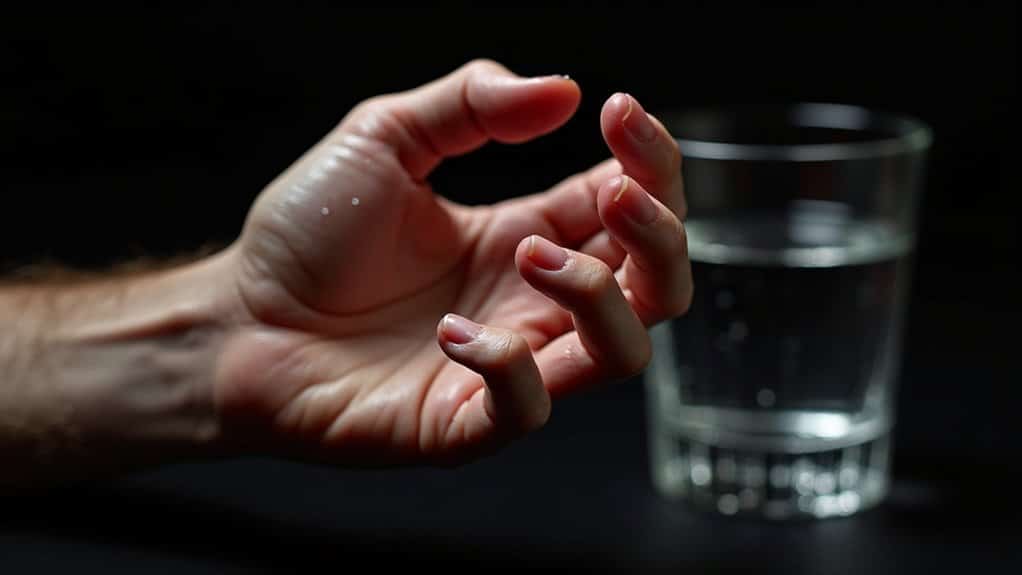
Proper nutrition plays a pivotal role in managing muscle cramps during alcohol withdrawal, with several key nutrients directly impacting your recovery process. You’ll need adequate magnesium supplementation to regulate muscle contractions and support over 300 enzymatic reactions in your body. B vitamins, particularly thiamine and B12, are essential for maintaining healthy nerve-muscle communication and preventing cramp episodes. Since alcohol is a diuretic, excessive fluid loss often intensifies muscle cramping during withdrawal. Chronic alcohol use leads to significant nutritional deficiencies that can worsen muscle symptoms if not properly addressed.
Your body requires sufficient protein from lean sources to repair damaged muscle tissue, while proper hydration and electrolyte balance help regulate muscle function. Vitamin C supports collagen synthesis and reduces inflammation in muscle groups. Additionally, vitamin D deficiency commonly occurs in those struggling with alcohol dependence. Focus on consuming magnesium-rich foods, maintaining dietary fiber intake through whole grains, and including plenty of fresh fruits and vegetables to optimize your muscle health during withdrawal.
Unmasking Pre-Existing Medical Conditions During Withdrawal
While chronic alcohol use often masks underlying health conditions, sudden cessation can reveal a range of pre-existing medical disorders that require immediate clinical attention. During withdrawal, you may experience neurological vulnerabilities exposed through seizures, movement disorders, or cognitive deficits that were previously suppressed by alcohol’s sedative effects. The medical staff may need to investigate whether your actions have triggered security blocks when attempting to access online health resources during this sensitive period.
You’ll notice psychiatric syndromes resurfacing as the alcohol’s masking effect diminishes, particularly anxiety, depression, or PTSD symptoms. Your cardiovascular system may reveal hidden problems, including arrhythmias or uncontrolled hypertension. Pre-existing metabolic conditions like diabetes can destabilize, while respiratory issues such as sleep apnea may worsen. Your liver and kidney function might show signs of deterioration that weren’t apparent during active drinking. These emerging conditions require careful medical monitoring throughout your withdrawal process.
Frequently Asked Questions
How Long Do Alcohol Withdrawal Muscle Cramps Typically Last?
You’ll typically experience muscle cramps for 5-7 days during alcohol withdrawal, though the muscle tension duration varies. Your symptoms will begin within 6-12 hours after your last drink, peak between 24-72 hours, and then gradually subside. The withdrawal symptom timeline can extend longer if you’ve had heavy, long-term alcohol use or underlying conditions. In rare cases, you might experience protracted withdrawal, where muscle cramps persist for weeks or months.
Can Over-The-Counter Pain Medications Help Relieve Withdrawal-Related Muscle Cramps?
While over-the-counter medications like ibuprofen and acetaminophen can provide some relief, they aren’t highly effective for alcohol withdrawal muscle cramps. You’ll need to be cautious with dosage considerations due to potential liver complications, especially with acetaminophen. These medications don’t address the underlying causes, like electrolyte imbalances or dehydration. For your safety, you should always consult a healthcare provider before using any OTC medications during alcohol withdrawal.
Are Certain Muscle Groups More Commonly Affected During Alcohol Withdrawal?
Yes, during alcohol withdrawal, you’ll find that proximal muscles, particularly those around your hips and shoulders, are most severely affected. The muscle fiber damage tends to be more pronounced in these areas, leading to weakness and painful cramps. Your pelvic girdle and thigh muscles are especially vulnerable to dehydration effects, while your upper arm muscles commonly show significant functional impairment. The pattern typically affects larger muscle groups before spreading to smaller ones.
Should I Exercise During Alcohol Withdrawal to Reduce Muscle Cramps?
You can exercise during alcohol withdrawal, but you’ll need to commence slowly with gentle activities like walking or light stretching. Don’t engage in strenuous workouts during initial withdrawal, as they can worsen your hydration levels and electrolyte imbalances. Always get clearance from your healthcare provider initially, and focus on low-intensity movements. If you experience increased muscle pain or cramping, stop exercising immediately and consult your medical team.
At What Point During Withdrawal Should I Seek Emergency Medical Care?
You should seek immediate medical attention if you experience hallucinations, seizures, severe confusion, or signs of delirium tremens (DTs) during withdrawal. Don’t try to self-manage if you have a rapid heartbeat above 120 bpm, high fever, persistent vomiting, or uncontrollable muscle tremors. Emergency care is also indispensable if you have a history of severe withdrawals, other medical conditions, or if you’re taking sedatives/opioids. These symptoms can become life-threatening quickly.