
During alcohol detox, you’ll need to restore five critical electrolytes: sodium for fluid balance, potassium for muscle and nerve function, magnesium for brain health and mood stability, calcium for bone recovery and nerve communication, and phosphorus for cellular energy. Chronic alcohol use depletes these minerals through excessive urination and poor absorption, increasing your risk of seizures and cardiac complications. Understanding how each electrolyte supports your recovery helps you replenish them safely and effectively.
Sodium: The Foundation of Fluid Balance During Detox
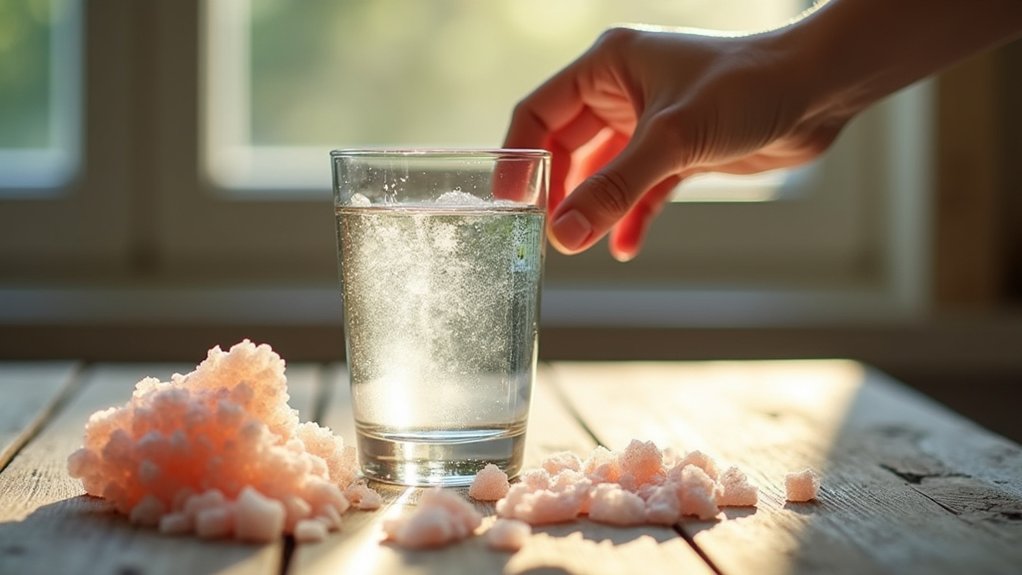
When you’re going through alcohol detox, sodium plays a critical role in restoring your body’s fluid balance. Alcohol suppresses vasopressin, triggering excessive diuresis that elevates plasma sodium levels by approximately 2.2 mmol/L compared to water intake alone. This disruption peaks around 90 minutes post-consumption, driving osmolality changes and thirst.
Paradoxically, 64% of alcohol-dependent individuals experience hyponatremia, with 7% developing severe deficiency below 120 mmol/L requiring urgent intervention. Understanding sodium absorption rates helps clinicians tailor repletion strategies effectively. This is particularly crucial because 18% of patients with beer potomania developed osmotic demyelination syndrome when solutes were reintroduced too rapidly.
Long-term detoxified patients demonstrate heightened sodium sensitivity, showing greater blood pressure responses to high-sodium diets. This makes sodium sensitivity monitoring essential during recovery. You’ll need balanced sodium intake that supports volume restoration without triggering cardiovascular complications, particularly important given the blunted renin activity observed in recovering alcoholics.
Potassium: Supporting Muscle and Nerve Recovery
While sodium governs fluid distribution between compartments, potassium determines what happens inside your cells, particularly in muscle and nerve tissue where alcohol inflicts significant damage.
Potassium establishes the resting membrane potential neurons need to fire correctly. It coordinates muscle contraction-relaxation cycles, preventing the cramps and spasms common during withdrawal. Without adequate levels, you’ll experience misfired nerve signals, causing tingling, weakness, and impaired coordination. Stable potassium gradients also ensure timely neurotransmitter release, supporting clearer thinking and steadier mood regulation during the challenging detox period.
During detox, potassium supports energy mobilization by facilitating glycogen synthesis and fuel replenishment. It aids protein synthesis for muscle repair while promoting vascular relaxation that improves oxygen delivery to damaged tissues. This mineral also regulates heartbeat by supporting the electrical impulses your cardiovascular system depends on for proper function. Severe potassium deficiency can lead to irregular heartbeats and digestive complications like constipation from reduced muscle activity.
Alcohol disrupts your sodium-potassium ratio, compounding fatigue and slowing recovery. Replenishing potassium restores nerve-muscle communication, reduces cramping risk, and provides antioxidant protection against cellular stress accumulated during heavy drinking.
Magnesium: Essential for Brain Function and Mood Stability

Because magnesium participates in over 300 enzymatic reactions, including those governing serotonin, dopamine, and melatonin synthesis, its depletion during chronic alcohol use creates cascading effects on brain function and emotional regulation.
Chronic alcohol consumption leads to hypomagnesemia in 30, 60% of cases, contributing directly to the neurological and mood symptoms you experience during withdrawal. Magnesium acts as a natural NMDA receptor blocker, and its neuroprotective properties help reduce the glutamatergic hyperexcitability responsible for anxiety, agitation, and potential neurotoxicity. Additionally, magnesium can reduce oxidative stress and promote neurogenesis, supporting brain recovery during the detoxification process.
When your magnesium levels drop, neuronal membranes become unstable, worsening tremors, irritability, and seizure risk. Clinical evidence shows that magnesium supplementation improves neuropsychiatric symptoms, sleep quality, and cognitive orientation during detox. However, current research shows insufficient evidence to determine whether magnesium is definitively beneficial or harmful for treating or preventing alcohol withdrawal syndrome. Correcting this deficiency helps restore the GABA-glutamate balance essential for stabilizing brain activity disrupted by alcohol withdrawal. For patients with moderate-to-severe withdrawal, experts recommend baseline assessment and follow-up testing every 24-48 hours to ensure magnesium levels are adequately monitored and corrected.
Calcium: Rebuilding Bone Health and Nerve Communication
Chronic alcohol consumption doesn’t just deplete your body’s minerals, it actively dismantles your skeletal system through multiple interconnected mechanisms. Alcohol suppresses osteoblast activity while disrupting osteoclast regulation, accelerating bone resorption. It also impairs your vitamin D status, reducing serum 1,25-dihydroxyvitamin D3 levels essential for calcium absorption. Research shows that alcohol directly modulates gene expression in osteoblasts to induce expression of RANKL, resulting in increased osteoclastogenesis.
The damage is substantial but reversible. Binge drinking can reduce tibial bone mineral density by 25%, yet abstinence restores osteocalcin levels within seven days. During withdrawal, calcium carbonate (800 mg with vitamin D) reduces cravings and accelerates symptom resolution compared to placebo. According to the FRAX fracture risk assessment tool, consuming more than 2 units of alcohol daily can increase fracture risk by 20-25%.
For recovery, aim for 1,000-1,200 mg calcium daily through low-fat dairy, fortified beverages, or supplements. Pair with 800-1,000 IU vitamin D to optimize absorption and support bone rebuilding.
Best Hydration Sources for Electrolyte Replenishment

Restoring calcium and other minerals through diet and supplements forms one pillar of recovery, but getting those nutrients into your cells requires adequate hydration with the right fluid choices.
Coconut water delivers approximately 600 mg potassium and 60 mg magnesium per liter with lower osmolarity than standard sports drinks, enhancing gastric emptying and absorption. Milk provides superior fluid retention compared to many sports beverages due to its combined electrolytes, protein, and carbohydrates.
For severe dehydration from vomiting or diarrhea, oral rehydration solutions optimize sodium-glucose cotransport for maximum intestinal absorption. When you need variety, 100% orange juice offers significant phosphorus contributions alongside potassium, while watermelon juice provides antioxidant benefits with gentle electrolyte support. Bananas make an excellent accompaniment to these beverages, providing easily digestible carbohydrates along with high potassium content to support energy and electrolyte restoration.
Choose fluids containing 300, 700 mg sodium per liter and minimal added sugars to prevent hyponatremia while avoiding blood sugar spikes. Smoothies offer another excellent option since they can incorporate a variety of electrolyte-rich fruits and vegetables to support comprehensive mineral replenishment. A daily electrolyte supplement can also help fill gaps in essential minerals that may be lacking in modern diets due to depleted soil nutrients in food crops.
Frequently Asked Questions
How Long Does It Take for Electrolyte Levels to Normalize After Alcohol Detox?
Your electrolyte levels typically normalize within 3, 7 days after alcohol detox when you receive proper hydration and supplementation. The electrolyte imbalance duration depends on your nutritional status, ongoing symptoms like vomiting, and any underlying liver or kidney issues. The ideal supplementation timeline involves daily lab monitoring for the first 3, 5 days, with targeted potassium and magnesium replacement. If you’re experiencing persistent GI losses, expect normalization to extend beyond one week.
Can You Consume Too Many Electrolytes During the Detox Process?
Yes, potential overconsumption of electrolytes is possible during detox. Taking excessive sodium can cause hypernatremia, disrupting your fluid balance, while too much magnesium often triggers diarrhea that masks underlying deficits. Electrolyte imbalance during detox can worsen cardiovascular dysfunction or neuromuscular irritability. You should split oral doses to improve absorption, sip rather than chug electrolyte drinks, and have your healthcare provider monitor serum levels daily to prevent complications from over-supplementation.
Should Electrolyte Supplementation Continue After Completing Alcohol Detox?
Yes, you may need to continue electrolyte supplementation after detox. Chronic alcohol use causes persistent deficits that don’t fully resolve during short-term treatment. Electrolyte monitoring post detox helps identify ongoing imbalances in magnesium, phosphate, and potassium. As you stabilize, you’ll shift to dietary electrolyte sources post detox, including leafy greens, nuts, and bananas. Work with your healthcare provider to determine how long supplementation should continue based on your labs and symptoms.
Do Electrolyte Needs Differ Based on Severity of Alcohol Dependence?
Yes, your electrolyte needs differ considerably based on severity. If you’re experiencing mild withdrawal, you’ll typically manage with oral electrolyte beverages. However, prolonged alcohol abuse causing severe withdrawal requires IV fluids and targeted repletion of magnesium, potassium, and phosphorus under medical supervision. Your individual electrolyte needs depend on serum levels, symptoms like vomiting or sweating, and nutritional status. Severe cases carry higher risks for dangerous imbalances requiring intensive monitoring and correction.
Are There Any Electrolyte Interactions With Common Detox Medications to Avoid?
Yes, you’ll need to watch for several medication interactions during detox. High-dose IV magnesium can potentiate benzodiazepine sedation, especially if you have kidney problems. If you’re taking carbamazepine or valproate, aggressive sodium correction risks dangerous shifts since both drugs affect sodium levels. Supplementation timing matters too, you should receive thiamine before any glucose-containing fluids. Your clinician should monitor electrolyte levels alongside drug levels to guarantee safe withdrawal management.