
Why Chronic Alcohol Use Causes Fluid Retention and Swelling
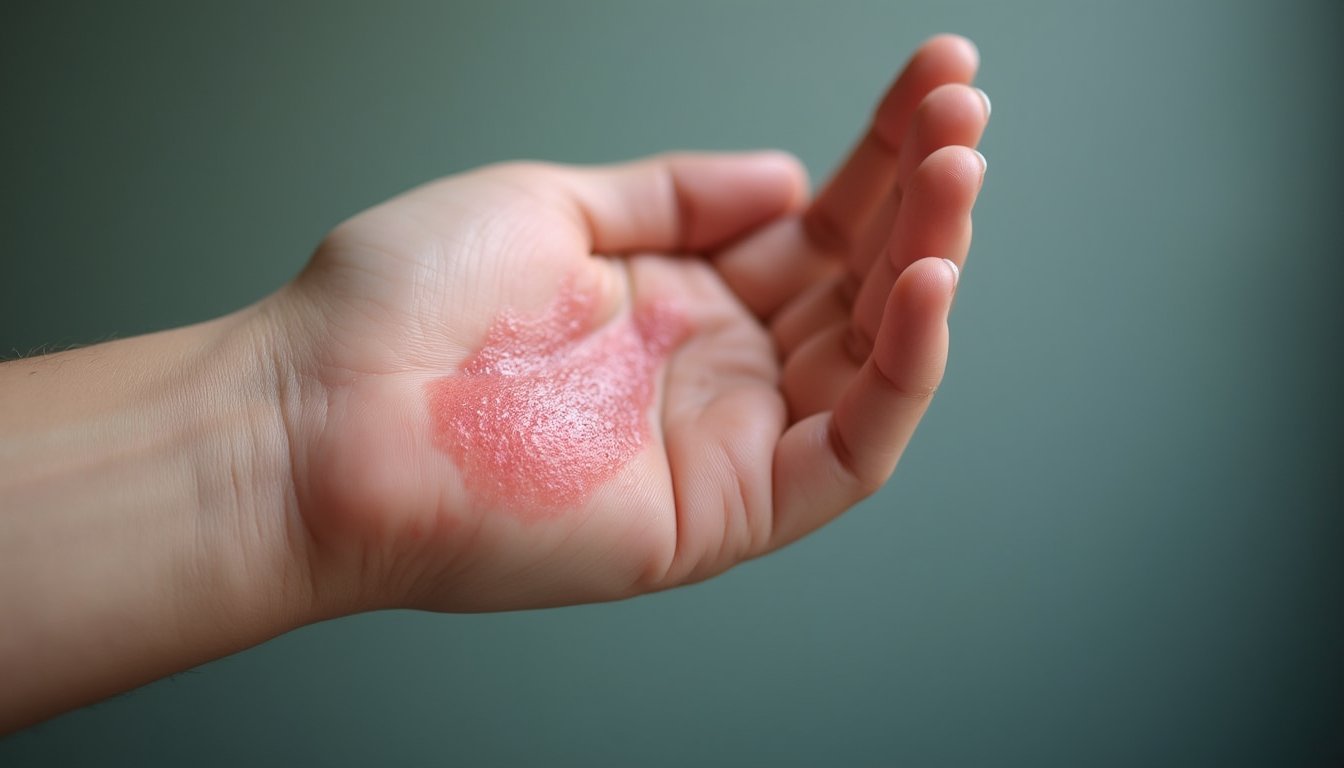
Many people notice puffiness in their face, hands, or ankles during periods of heavy drinking, and there’s solid science behind why this happens.
Alcohol disrupts your body’s fluid-regulating hormones, including ADH and aldosterone. While drinking initially causes diuresis, your body compensates by retaining water and sodium afterward. This dehydration-overcompensation cycle creates fluid electrolyte imbalances that promote tissue swelling.
Chronic alcohol consumption also triggers inflammatory mediators throughout your body. This systemic inflammation increases capillary permeability, allowing fluid to leak from blood vessels into surrounding tissues. Your gastrointestinal tract becomes particularly inflamed, contributing to abdominal bloating. Alcohol also slows the movement of GI tract muscles, which further impairs digestion and worsens bloating symptoms. The gut lining becomes weakened, allowing bacteria and toxins to enter the liver and worsen systemic inflammation.
Additionally, alcohol-related malnutrition reduces serum albumin levels. When albumin drops, your blood vessels can’t retain fluid effectively, and swelling worsens in dependent areas like your ankles and feet. Long-term alcohol use can also lead to liver cirrhosis, which causes blood vessel congestion and further exacerbates fluid accumulation throughout the body.
How Liver, Heart, and Kidney Damage From Alcohol Contribute to Edema
When alcohol damages your liver, heart, or kidneys, the resulting edema becomes far more severe and persistent than the temporary puffiness from occasional drinking.
Organ damage from alcohol creates stubborn, severe swelling that far outlasts the mild puffiness of casual drinking.
Liver damage triggers multiple fluid-retaining pathways. Cirrhosis causes portal hypertension, forcing fluid into your abdomen as ascites. The mechanism of splanchnic vasodilation decreases effective blood volume, activating hormonal systems that drive sodium and water retention. Your damaged liver also produces less albumin, lowering oncotic pressure and allowing fluid to leak into tissues. ALD represents a spectrum of liver diseases, ranging from steatosis to cirrhosis and hepatocellular carcinoma, with risk increasing in a dose- and time-dependent manner with alcohol consumption.
The contribution of cardiac failure compounds these effects. Alcoholic cardiomyopathy weakens your heart’s pumping ability, raising venous pressures and causing dependent leg swelling.
Kidney dysfunction worsens matters further. Hepatorenal syndrome and reduced renal perfusion intensify sodium retention. Chronic alcohol consumption also decreases antioxidant enzyme activities, worsening oxidative stress that further damages kidney tissue. When liver, heart, and kidney damage coexist, their additive effects create treatment-resistant edema requiring aggressive medical intervention. The most critical step in managing this condition is stopping drinking completely, which allows the liver to begin healing in the early stages of disease.
The Role of Thiamine Deficiency in Alcohol-Related Swelling
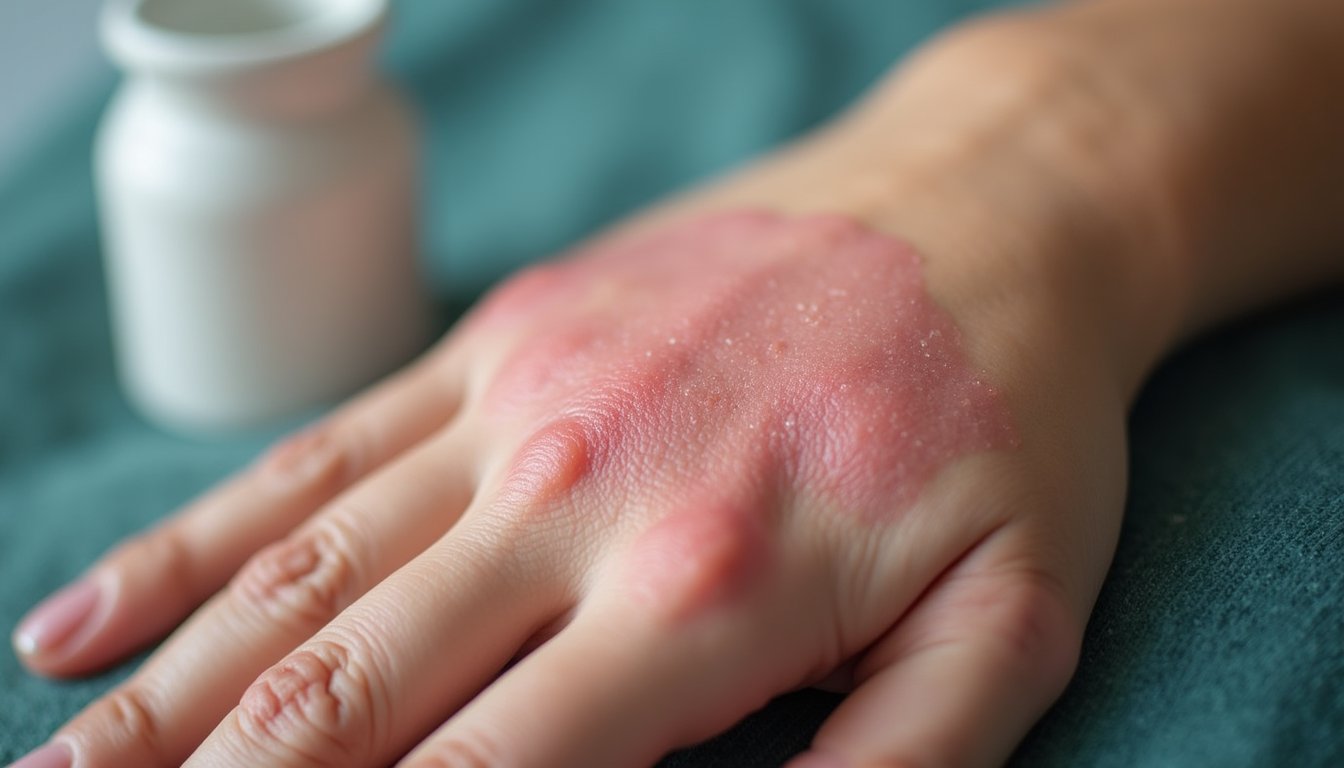
Although organ damage drives much of the severe edema in chronic alcohol use, thiamine deficiency represents an often-overlooked contributor that can cause dramatic whole-body swelling. Up to 80% of people with severe alcohol use disorder develop thiamine deficiency through multiple biochemical mechanisms, including poor dietary intake, impaired gut absorption, and reduced liver storage capacity.
Your body’s thiamine stores deplete within just 18 days without adequate intake. When deficiency occurs, it disrupts osmotic gradients and causes intracellular swelling. Case studies report whole-body edema with weight gains exceeding 30 kg.
The clinical implications are significant for your recovery. Thiamine repletion can rapidly resolve this swelling. In documented cases, intravenous thiamine therapy has resulted in 18 kg weight loss within just two weeks. Since magnesium deficiency often accompanies thiamine depletion, your treatment team may address both simultaneously to restore proper fluid balance during detox. Left untreated, thiamine deficiency can progress to Wernicke encephalopathy, which is characterized by a triad of ocular disturbances, mental state changes, and ataxia. Research confirms that chronic alcohol abuse is strongly associated with Wernicke-Korsakoff syndrome, making early thiamine intervention critical during detoxification.
What Happens to Fluid Balance During Early Alcohol Detox
Beyond thiamine’s role in fluid regulation, your body undergoes significant shifts in water and electrolyte balance the moment you stop drinking. Contrary to common assumptions, chronic alcohol use often leaves you overhydrated rather than dehydrated at detox entry. Your total body water and plasma volume are frequently augmented due to hormonal changes and impaired liver function. Elevated ADH levels during chronic alcohol ingestion promote this isosmotic retention of water and electrolytes.
During the first three to four days of withdrawal, your body naturally corrects this overhydration by mobilizing and excreting excess fluid. This process typically returns you to normal volume without aggressive fluid resuscitation, which could worsen existing overload and increase edema risk.
However, withdrawal symptoms like vomiting and sweating can deplete electrolytes rapidly. Careful electrolyte monitoring remains essential because imbalances heighten your risk of seizures, arrhythmias, and severe complications during early recovery. Slow, consistent hydration is more effective than consuming large amounts of fluid at once, helping your body gradually restore balance without overwhelming your system. Electrolyte beverages can provide a convenient oral solution to help maintain proper hydration levels and support the recovery process during this critical period.
Recognizing Dangerous Swelling That Requires Immediate Medical Attention
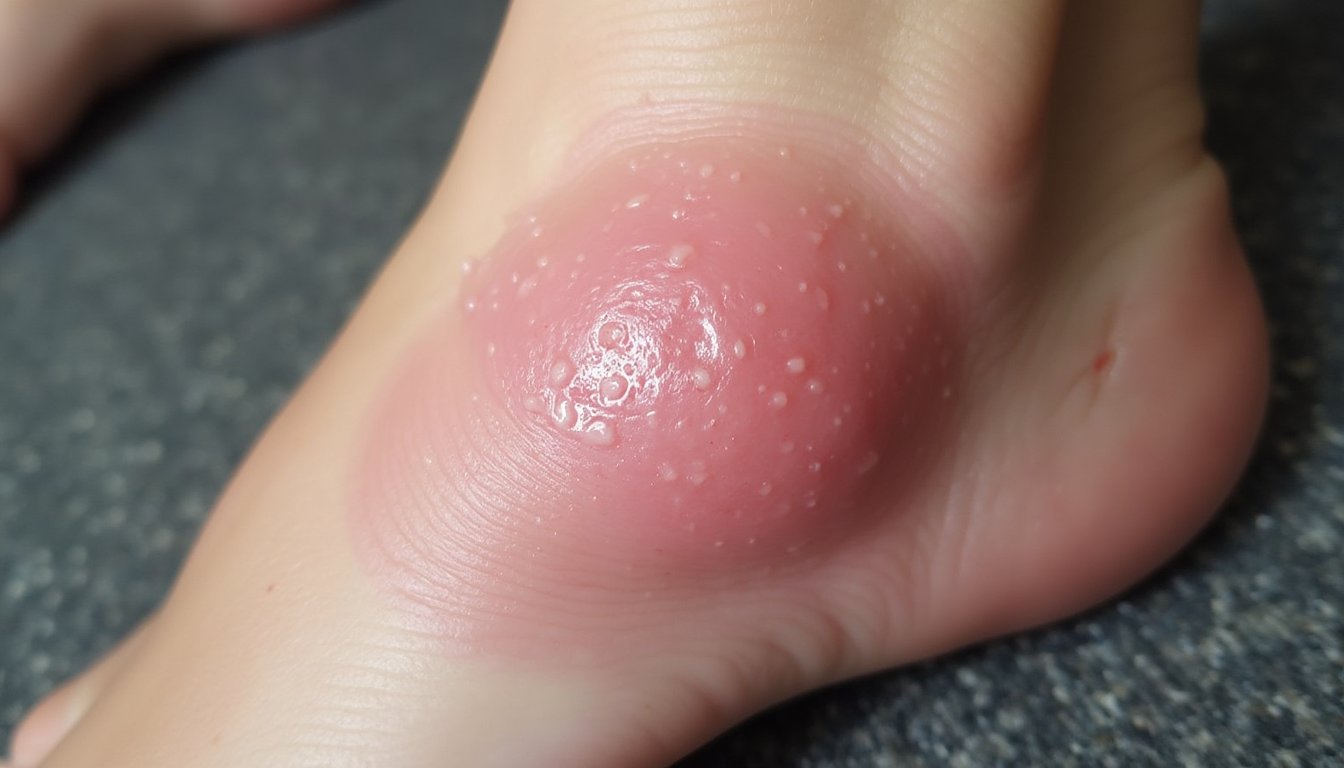
Most swelling during alcohol detox resolves on its own as your body rebalances fluids, but certain warning signs indicate potentially life-threatening conditions that demand immediate medical attention.
Asymmetric swelling patterns, where one leg swells extensively more than the other, suggest deep vein thrombosis rather than typical detox-related fluid shifts. Similarly, recurrent ascites after drainage points to severe liver decompensation requiring urgent specialist evaluation.
| Seek Emergency Care If You Experience | Possible Condition |
|---|---|
| Shortness of breath with leg swelling | Heart failure or pulmonary embolism |
| One-sided leg pain, warmth, and swelling | Deep vein thrombosis |
| Abdominal swelling with fever and confusion | Spontaneous bacterial peritonitis |
Don’t dismiss rapid weight gain exceeding 2-3 pounds daily, pitting edema extending above your knees, or swelling accompanied by chest pain, jaundice, or decreased urine output. Seeking medical assistance is crucial to evaluate your condition and receive guidance on appropriate treatment, as untreated swelling can lead to severe health complications. Be aware that delirium tremens can begin 24-72 hours after your last drink and may complicate your ability to recognize dangerous swelling symptoms during this critical window. For those with moderate-to-severe symptoms, inpatient treatment with close monitoring provides the safest environment to manage both withdrawal complications and dangerous swelling.
Medical Treatments and Diagnostic Tests for Edema During Recovery
When you’re recovering from alcohol use and experiencing edema, your healthcare provider will order essential laboratory tests to identify the underlying cause, including plasma thiamine diphosphate levels, liver and kidney function panels, and markers for anemia or hypothyroidism. These diagnostic results guide your treatment plan, as thiamine deficiency, liver injury, and other alcohol-related conditions each require specific interventions. If testing confirms significant fluid retention, your doctor may prescribe diuretic medications like furosemide, sometimes combined with spironolactone for liver-related edema, to help your body eliminate excess fluid through urine. In many cases, mild edema often resolves on its own as your body heals during the recovery process.
Essential Laboratory Tests
Because edema during alcohol detox can stem from liver damage, kidney dysfunction, heart failure, or simple fluid imbalances, your medical team will order specific blood and urine tests to pinpoint the underlying cause. A thorough metabolic panel reveals electrolyte disturbances, particularly sodium, potassium, and magnesium abnormalities, that promote fluid retention during withdrawal.
Liver function tests, including AST, ALT, albumin, and PT/INR, assess alcohol-related hepatic injury. An AST:ALT ratio greater than 2:1 strongly suggests alcoholic liver disease. Low albumin levels reduce oncotic pressure, allowing fluid to leak into tissues.
Your team will perform renal function monitoring through BUN, creatinine, and eGFR measurements. Urinalysis and urine protein-to-creatinine ratios detect kidney-related causes of swelling. If heart failure is suspected, BNP testing helps evaluate cardiac function contributing to your edema.
Diuretic Treatment Approaches
Although alcohol withdrawal edema often resolves on its own as your body rebalances, diuretic therapy can accelerate fluid elimination when swelling persists or causes significant discomfort.
Your doctor may prescribe loop diuretics like furosemide to manage peripheral edema linked to alcohol detoxification. Loop diuretic dosages depend on your kidney function and swelling severity. For severe cases, IV diuretic administration combined with thiamine therapy has proven effective, with one patient losing 18 kg of fluid weight within one week.
Before starting any diuretic, prescription or over-the-counter, consult your healthcare provider. Diuretics amplify dehydration risks and can cause dangerous electrolyte imbalances, including low sodium and potassium levels. Your medical team will monitor your hydration status and electrolytes throughout treatment, adjusting dosages as needed to guarantee safe, effective fluid management during recovery.
Lifestyle and Nutritional Strategies to Reduce Swelling at Home
Several evidence-based lifestyle modifications can help reduce edema during alcohol detox, starting with proper hydration. Drinking 8-12 glasses of water daily thins lymph fluid and supports drainage. You’ll also want to incorporate anti-inflammatory foods and reduce salt intake to prevent water retention.
| Strategy | Action | Benefit |
|---|---|---|
| Hydration | 8-12 glasses daily | Flushes toxins, thins lymph |
| Nutrition | Leafy greens, omega-3s | Reduces inflammation |
| Activity | Short walks, elevation | Improves circulation |
| Sleep | Elevate head | Minimizes morning puffiness |
| Supplements | Thiamine 50mg/day | Resolves AUD-related edema |
Your skin care routine should include protective lotion on swollen areas to prevent cracks. Massage techniques using firm strokes toward your heart help move fluid effectively. Pairing these strategies with alcohol abstinence accelerates your recovery.
Frequently Asked Questions
How Long Does Alcohol-Related Edema Typically Take to Resolve After Detox?
You’ll typically notice alcohol-related edema improving within 24, 48 hours of abstinence, with most swelling resolving within the first week of detox. Your fluid retention patterns depend greatly on how long and heavily you’ve been drinking. If you have underlying organ damage, particularly to your liver, heart, or kidneys, resolution may take several weeks or longer. If swelling persists beyond two weeks, you should seek medical evaluation to rule out complications.
Can Compression Stockings Be Safely Used During Alcohol Detox?
You can safely use compression stockings during alcohol detox in most cases. Compression sock benefits include reducing swelling and preventing blood pooling in your legs. However, compression stocking risks exist if you have peripheral artery disease or experience improper fitting. You should consult your doctor before use, especially since detox can affect circulation. Remove them immediately if you notice tingling, discoloration, or discomfort, and guarantee proper sizing to avoid complications.
Will Edema From Alcohol Use Leave Permanent Damage After Recovery?
Edema from alcohol use typically won’t cause permanent tissue damage if you address it early through abstinence and proper treatment. Your body can achieve fluid imbalance restoration within weeks to months, depending on drinking severity. However, if you’ve developed underlying conditions like liver cirrhosis or cardiomyopathy from chronic heavy drinking, some damage may be irreversible. Early intervention with thiamine supplementation and medical support greatly improves your chances of complete recovery without lasting effects.
Does Drinking Water Help or Worsen Swelling During Alcohol Detox?
Drinking water typically helps reduce swelling during alcohol detox, not worsen it. When you maintain steady fluid intake, your body stops over-conserving water, allowing excess fluid to clear naturally. You’ll support your kidneys in flushing out retained sodium and metabolic waste. Pair adequate hydration with reduced salt consumption for best results. However, if you have significant organ dysfunction, consult your healthcare provider before adjusting fluids, as individual needs vary.
Can Over-The-Counter Diuretics Safely Treat Edema During Alcohol Recovery?
You shouldn’t use over-the-counter diuretics to treat edema during alcohol recovery without medical supervision. These products can worsen dehydration, destabilize blood pressure, and cause dangerous electrolyte imbalance monitoring gaps that increase your seizure risk. Effective fluid retention management during detox requires professional evaluation to rule out heart, liver, or kidney problems. Instead, try elevating your legs, limiting sodium, and wearing compression garments while your healthcare provider determines whether prescription diuretics are clinically appropriate for you.