
Dehydration occurs during alcohol withdrawal due to multiple bodily disruptions. Your kidneys experience reduced function and vasopressin suppression, which impairs fluid retention. You’ll also face gastrointestinal issues like vomiting and diarrhea that rapidly deplete fluids within 8 hours of your last drink. These symptoms combine with electrolyte imbalances and poor fluid absorption, creating a severe dehydration risk. Understanding the full scope of withdrawal’s impact on your body reveals critical treatment needs.
The Body’s Chemical Disruption During Withdrawal
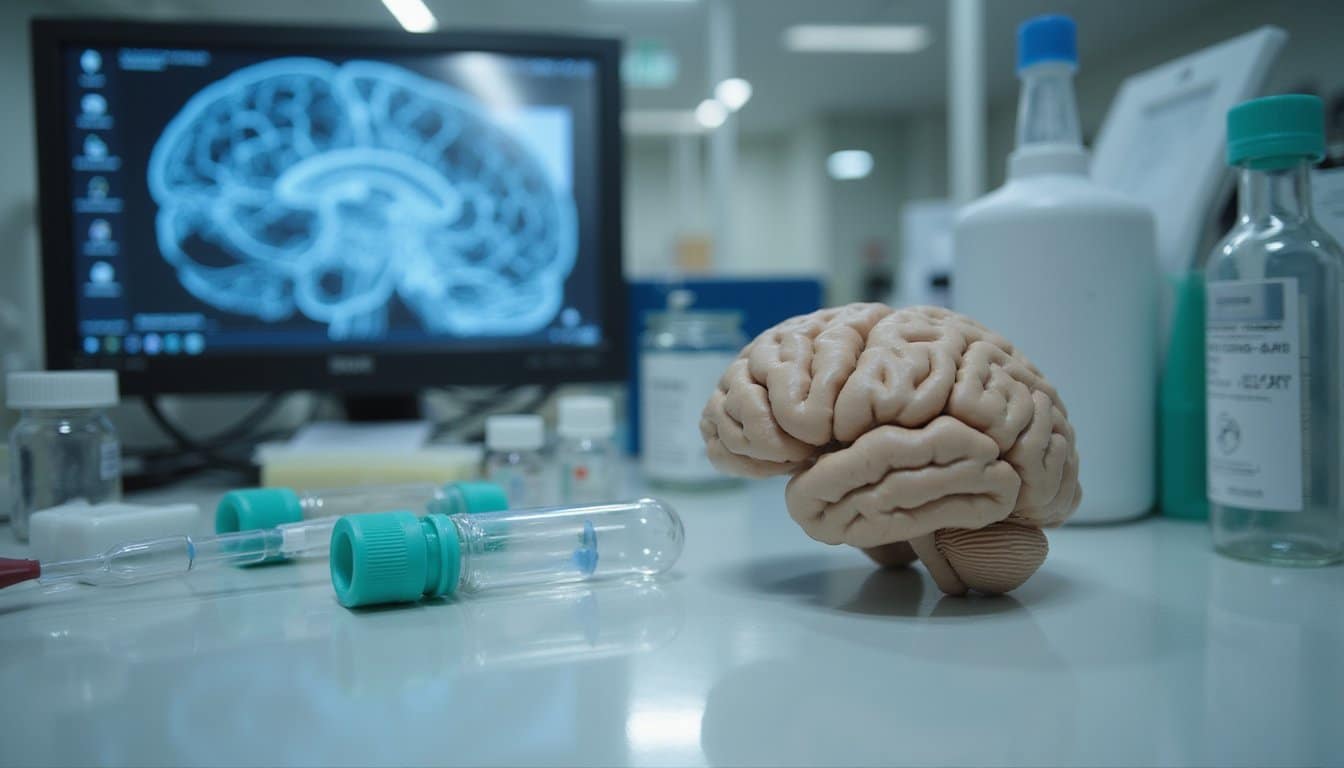
Chemical chaos erupts in the body during alcohol withdrawal as multiple neurological systems attempt to recalibrate. Your brain’s neurotransmitter system alterations create a dangerous imbalance. GABA activity plummets while glutamate surges, triggering heightened central nervous system excitability. You’ll experience this disruption through symptoms like anxiety, tremors, and potential seizures. These recurring cycles of withdrawal can lead to progressive intensification of symptoms over time. Doctors typically use benzodiazepines as treatment since they help restore balance to the disrupted GABA system.
The hypothalamic-pituitary-adrenal axis disruption intensifies your withdrawal state, flooding your system with stress hormones and corticotropin-releasing hormone. This hormonal upheaval amplifies your body’s stress response, leading to increased sweating, augmented heart rate, and blood pressure fluctuations. Your autonomic nervous system becomes hyperactive, while neuropeptide changes further destabilize your brain’s delicate chemical balance, making you more susceptible to both psychological distress and physical symptoms of withdrawal. These symptoms typically begin 6-24 hours after consuming your last alcoholic drink.
Persistent Effects on Kidney Function
A cascade of kidney complications emerges during alcohol withdrawal, with both immediate and lasting effects on renal function. You’ll face increased chronic kidney disease risk as repeated withdrawal episodes strain your renal system through multiple pathways. Suppressed vasopressin continues disrupting fluid balance even after drinking stops. Poor diet choices during heavy drinking periods can lead to nutrient deficiencies that further compromise kidney health. The importance of complete abstinence becomes critical for allowing the kidneys to begin their natural recovery process.
| Kidney Impact | Short-Term Effects | Long-Term Effects |
|---|---|---|
| Filtration | Acute injury | Progressive CKD |
| Electrolytes | Imbalances | Chronic disruption |
| Stone Risk | Crystal formation | Recurrent stones |
| Organ Damage | Temporary stress | Permanent loss |
Your kidneys struggle with toxin buildup and electrolyte regulation during withdrawal, potentially triggering long term renal complications. When combined with dehydration, these effects can accelerate kidney damage. The impact becomes particularly severe if you have underlying conditions like hypertension or diabetes, as each withdrawal episode compounds the risk of permanent renal dysfunction.
Gastrointestinal Complications and Fluid Loss
Multiple gastrointestinal disturbances during alcohol withdrawal create a perfect storm for severe dehydration. You’ll experience sustained mucosal irritation that triggers persistent vomiting and diarrhea, leading to rapid fluid and electrolyte losses. These symptoms typically begin within 8 hours after your last drink. These symptoms, combined with poor appetite and reduced drinking, create ongoing fluid absorption deficits that can quickly compromise your hydration status. Proper medical supervision and treatment is essential for managing severe withdrawal symptoms and preventing dangerous complications. The symptoms often worsen due to excess glutamate in the central nervous system.
- Your stomach lining becomes inflamed and irritated, causing waves of nausea and vomiting that expel precious fluids and electrolytes
- Your intestines’ ability to absorb water becomes impaired, resulting in frequent diarrhea that further depletes your body’s water stores
- Your digestive system’s normal motility slows down, making it difficult to keep down fluids even when you attempt to drink
Without proper medical intervention, these GI complications can rapidly progress to dangerous levels of dehydration.
Understanding Electrolyte Imbalances
During alcohol withdrawal, profound electrolyte disturbances emerge from the combined effects of chronic alcohol abuse and acute physiological stress. You’ll encounter multiple imbalances that can greatly impact your recovery, often complicated by medication interactions and nutritional deficiencies. The most critical disruptions affect sodium, potassium, and magnesium levels. Renal tubular dysfunction often persists until complete alcohol abstinence is achieved. Poor nutrition is especially concerning since electrolyte abnormalities frequently stem from inadequate dietary intake during periods of heavy drinking. These symptoms typically begin within six hours after the last drink.
| Electrolyte | Common Imbalance | Key Complications |
|---|---|---|
| Sodium | Hyponatremia | Seizures, confusion |
| Potassium | Hypokalemia | Arrhythmias, weakness |
| Magnesium | Hypomagnesemia | Tremors, tetany |
| Phosphate | Hypophosphatemia | Muscle dysfunction |
These imbalances require careful monitoring and correction. Your healthcare team will need to address underlying nutritional deficiencies while managing withdrawal symptoms. Low magnesium levels particularly affect potassium correction, making it essential to restore both simultaneously for effective treatment.
Essential Treatment and Recovery Strategies
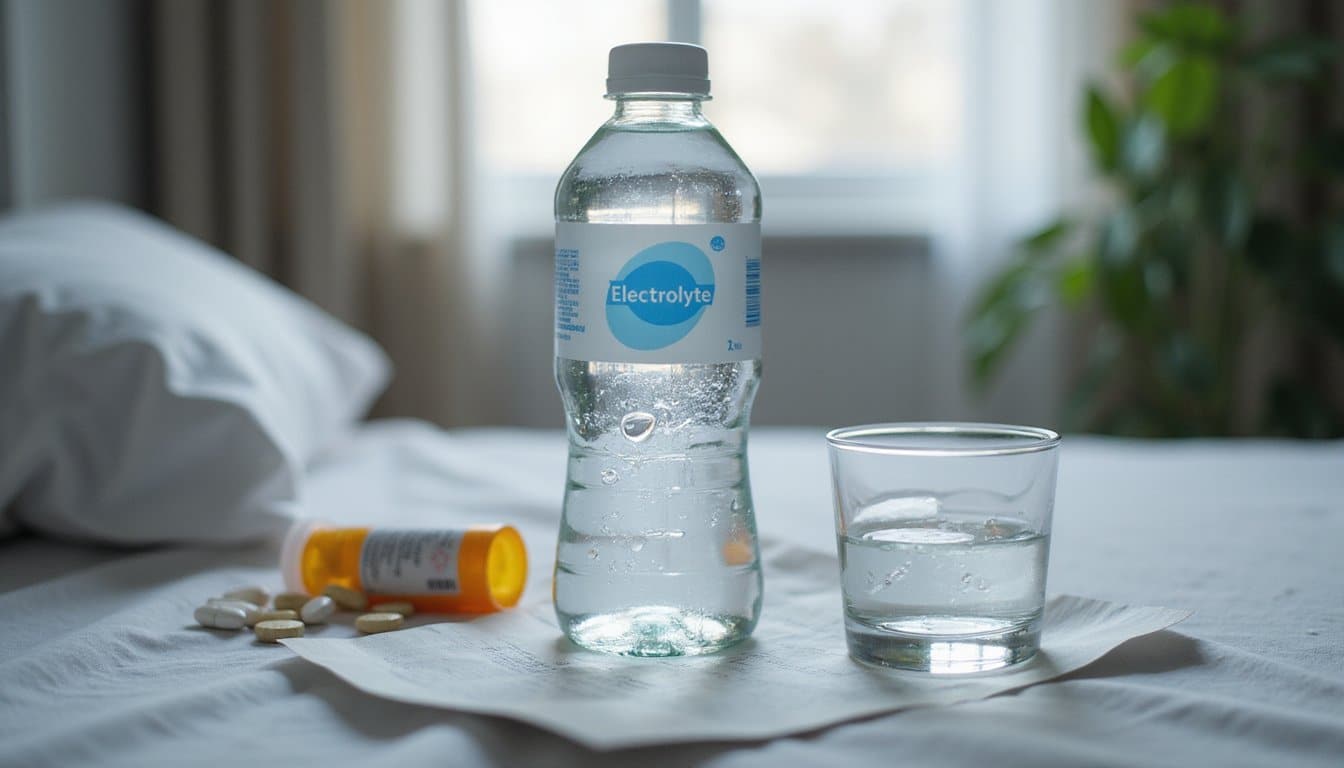
Successful treatment of alcohol withdrawal dehydration requires five essential strategies working in concert: medical supervision, fluid replacement, nutritional support, psychological intervention, and ongoing monitoring. You’ll need medical supervision to safely manage withdrawal symptoms while receiving IV fluids and medications to prevent complications. Withdrawal can cause severe physical symptoms that range from mild anxiety to dangerous seizures. Consuming beverages containing essential electrolytes helps maintain proper hydration levels during recovery. Psychological support through CBT and counseling helps you develop relapse prevention strategies and healthy coping mechanisms. Residential treatment programs provide comprehensive care with 24/7 medical supervision for those with serious alcohol use disorder.
- Your doctor will monitor critical signs and administer IV fluids while prescribing necessary medications like benzodiazepines.
- You’ll work with nutritionists to restore electrolyte balance through proper diet and supplementation.
- Your therapist will guide you through cognitive behavioral therapy and stress management techniques.
Regular follow-ups with healthcare providers maintain proper hydration and successful long-term recovery, while participation in support groups strengthens your commitment to sobriety.
Frequently Asked Questions
How Long Does Alcohol-Induced Dehydration Typically Last After Stopping Drinking?
You’ll typically experience alcohol-induced dehydration for 3-7 days after stopping drinking, with symptoms peaking at 48-72 hours. If you’re maintaining proper fluid intake, your body should restore its balance within 1-2 weeks. However, factors like kidney function impairment can extend this timeline. Your fluid and electrolyte imbalances may persist longer if you’ve had prolonged alcohol use or develop withdrawal complications like delirium tremens.
Can Certain Medications Worsen Dehydration Symptoms During Alcohol Withdrawal?
Yes, several medications can intensify dehydration during alcohol withdrawal. Loop diuretics and thiazides can worsen electrolyte imbalance and fluid loss. You’ll need careful monitoring if you’re taking benzodiazepines, as they can mask thirst signals and affect hydration. Beta-blockers might conceal signs of dehydration by reducing heart rate response, while antipsychotics can decrease your thirst drive and impair sweating. These effects are particularly concerning if you’re already dealing with vitamin deficiencies from alcohol use.
Does Drinking Water Before Stopping Alcohol Use Reduce Withdrawal Dehydration?
While drinking water intake before stopping alcohol can support your initial hydration status, it won’t completely prevent withdrawal-related dehydration. Your body’s complex withdrawal timeline management involves multiple factors beyond pre-cessation hydration. You’ll still need ongoing fluid monitoring since alcohol withdrawal can disrupt your body’s water balance through diverse mechanisms, including abnormal antidiuretic hormone secretion. Scientific evidence specifically supporting pre-withdrawal water consumption remains restricted.
Which Age Groups Are Most Vulnerable to Dehydration During Alcohol Withdrawal?
While dehydration during alcohol withdrawal can affect anyone, you’ll find that adults over 70 and middle-aged individuals (40-49) face the highest risks. Elderly patients are particularly vulnerable due to underlying medical conditions, impaired renal function, and reduced physiological reserves. Middle-aged adults often have genetic predispositions and established drinking patterns that intensify withdrawal severity. Both groups typically require more intensive monitoring and fluid management during withdrawal to prevent dangerous dehydration complications.
Does Caffeine Consumption Affect Hydration Levels During Alcohol Withdrawal Recovery?
Yes, caffeine can impact your hydration levels during alcohol withdrawal recovery. Due to its diuretic properties, caffeine increases urine production and can worsen existing dehydration. You’ll experience amplified sensitivity to caffeine’s effects during withdrawal, potentially leading to electrolyte imbalance effects like decreased sodium and potassium levels. While moderate caffeine consumption (1-2 cups of coffee) typically won’t cause significant dehydration in healthy adults, you should monitor your intake carefully during withdrawal recovery.