
Yes, alcohol does dehydrate you. When you drink, alcohol suppresses your body’s antidiuretic hormone, causing your kidneys to produce more urine, consuming just 50 grams of alcohol can eliminate 600 to 1,000 ml of water. You’ll notice signs like intense thirst, dark urine, headaches, and fatigue. The severity depends on what you’re drinking, how much, and how quickly you consume it. Understanding these thresholds can help you make smarter choices.
Does Alcohol Dehydrate You? Yes, Here’s Proof
When you drink alcohol, your body loses more fluid than it takes in. This alcohol fluid imbalance occurs because alcohol acts as a diuretic, increasing urine production and flushing water out faster than your body can process the alcohol itself.
Research confirms that alcohol inhibits antidiuretic hormone (ADH) release, which normally helps your kidneys retain water. Without adequate ADH, you’ll experience increased urination and reduced fluid retention. The dehydration after drinking becomes more pronounced with stronger beverages containing elevated alcohol concentrations. Research confirms that alcohol inhibits antidiuretic hormone (ADH) release, which normally helps your kidneys retain water. Without adequate ADH, you’ll experience increased urination and reduced fluid retention. This mechanism explains the common question is alcohol a diuretic or antidiuretic, since alcohol suppresses ADH and therefore functions as a diuretic in the body. The dehydration after drinking becomes more pronounced with stronger beverages containing elevated alcohol concentrations.
Studies show that moderate amounts of full-strength beer don’t appreciably impair hydration, but consuming 50-120 grams of alcohol does cause measurable fluid deficit. However, dehydration may account for some hangover symptoms but not all of them. Research indicates that the diuretic effect of stronger alcoholic beverages like wine and spirits is short-term and relatively small. Understanding this alcohol dehydration timeline helps you recognize why hangover dehydration and disrupted alcohol and electrolytes balance occur the morning after. Additionally, alcohol consumption can lead to oral dryness and reduced saliva production, which contributes to the uncomfortable dry mouth sensation many drinkers experience.
Signs You’re Dehydrated After Drinking
How can you tell if last night’s drinks left you dehydrated? Your body sends clear signals when alcohol fluid depletion occurs. Recognizing these dehydration signs helps you respond quickly and recover faster.
Your body sends clear signals when alcohol causes fluid depletion, recognizing these signs helps you recover faster.
Common symptoms include:
- Intense thirst and dry mouth, Alcohol thirst hits hard as your body craves fluids to restore balance.
- Dark urine alcohol indicators, Dark yellow or amber-colored urine signals concentrated fluids and urgent rehydration needs.
- Headache and fatigue, Alcohol fatigue dehydration combines with disrupted sleep to leave you exhausted and weak.
Does alcohol dehydrate you enough to cause alcohol dizziness next day? Absolutely. Lightheadedness occurs when your body struggles to compensate for low fluid levels. Understanding your alcohol dehydration risk makes recovery more manageable.
How Much Alcohol Causes Dehydration?
Even small amounts of alcohol can trigger measurable dehydration markers in your body. Research shows that consuming as little as 40ml of pure ethanol raises plasma osmolality within one hour, signaling alcohol body water loss. Doses starting at 0.51 grams per kilogram of body weight produce significant alcohol fluid shift effects.
The alcohol dehydration impact varies by concentration. Beers above 2% impair rehydration, while 40% spirits cause greater electrolyte loss alcohol effects than lower-strength drinks. At moderate intake levels, 44 grams of ethanol from beer elevates serum osmolality noticeably.
Your alcohol dehydration duration depends on consumption speed and volume. Understanding these thresholds helps you manage alcohol physical symptoms and plan your alcohol hydration recovery to minimize alcohol post-drinking effects.
Why Alcohol Makes You Lose Water So Fast
Alcohol triggers rapid water loss through a cascade of physiological mechanisms that begin within minutes of your first drink. When you consume alcohol, it suppresses vasopressin, the hormone that signals your kidneys to retain water. This dehydration mechanism alcohol creates causes your kidneys to flush water at nearly double the normal rate.
The alcohol water loss compounds quickly through these processes:
- Diuretic effect: Consuming 50 grams of alcohol eliminates 600 to 1,000 milliliters of water, causing alcohol systemic dehydration
- Metabolic burden: Your liver converts alcohol into acetaldehyde, increasing fluid mobilization and contributing to alcohol electrolyte imbalance
- Cellular impact: Sodium and potassium losses reduce alcohol and blood volume, triggering dry mouth drinking and alcohol headache cause symptoms
Understanding these mechanisms helps you prioritize rehydration after drinking to restore balance faster.
Why Does Beer Dehydrate Less Than Liquor or Wine?
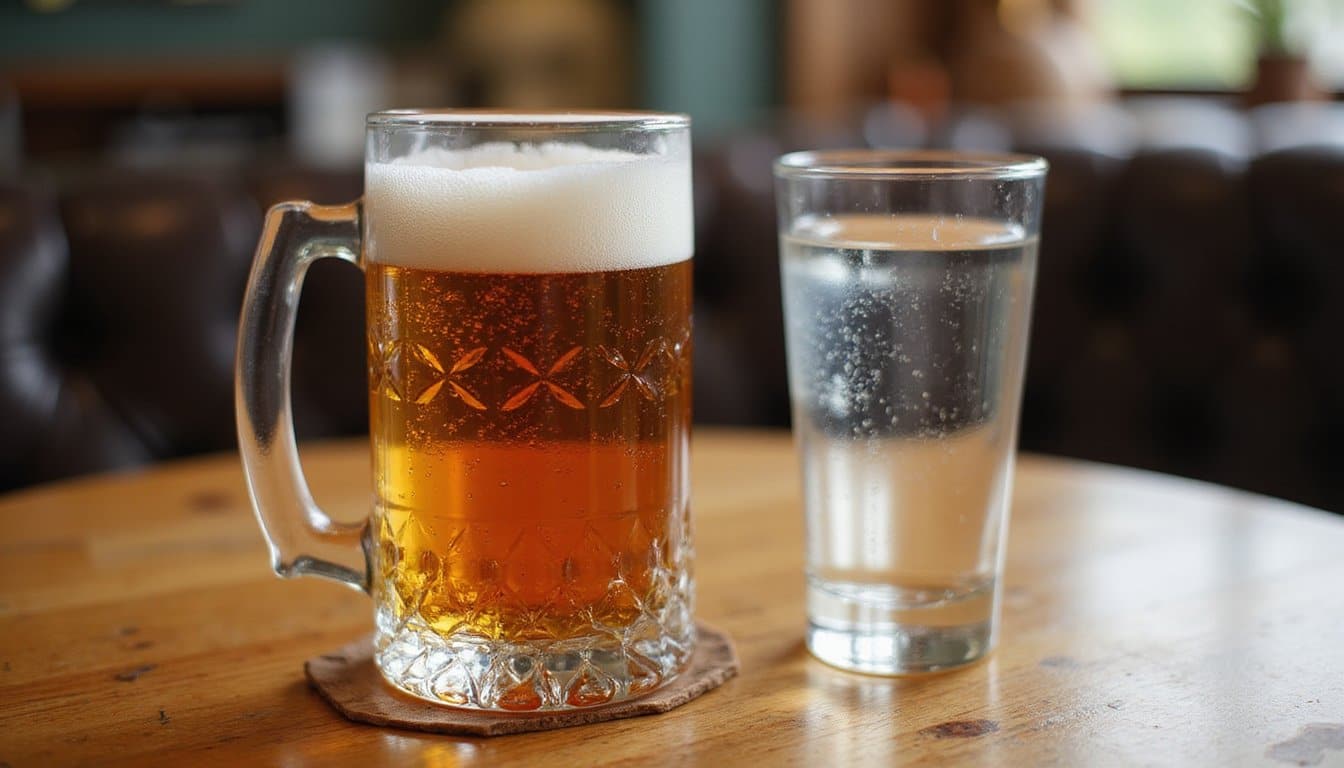
Beer causes less dehydration than wine or liquor primarily because of its lower alcohol content and higher water volume per serving. A 12-ounce beer at 4-6% ABV delivers substantially more fluid than a 1.5-ounce shot of liquor reaching 70% ABV. This difference directly impacts your alcohol dehydration risk.
Studies show 5% ABV beer produces urine output similar to water, while wine and spirits trigger stronger diuretic responses. Understanding the alcohol thirst mechanism helps explain why stronger drinks leave you feeling parched. Higher ABV beverages increase plasma osmolality, disrupting alcohol and sodium balance more severely. This phenomenon leads to the question of why beer makes you pee a lot. The differences in alcohol content and the rate of consumption contribute to varying levels of dehydration and increased urine production.
For alcohol recovery hydration, choosing lower-ABV options reduces alcohol next-day symptoms like alcohol weakness after drinking and alcohol and dry skin. These alcohol hydration tips can minimize dehydration’s impact.
Your Recovery Journey Begins Here
Alcohol addiction can turn your life upside down for you and everyone who loves you, but healing is always possible. At Alcohol Awareness, we are committed to helping you discover the right Alcohol Recovery Programs to rebuild your life and embrace a brighter tomorrow. Call (855) 955-0771 today and make the decision that could transform your life.
Frequently Asked Questions
Can Drinking Water Between Alcoholic Drinks Prevent Dehydration?
Yes, drinking water between alcoholic drinks can help prevent dehydration. You should aim for 8-12 ounces of water per standard drink to offset alcohol’s diuretic effects. However, research shows water provides only modest hangover prevention since dehydration and hangovers occur as separate alcohol effects. For better results, you’ll want to combine water intake with electrolyte-rich beverages and food, which slows alcohol absorption and supports overall hydration.
How Long Does Alcohol-Related Dehydration Typically Last?
Mild alcohol-related dehydration typically resolves within a few hours to one day when you rehydrate properly. If you’ve experienced moderate dehydration, you’ll likely notice improvement within 24 hours, though some symptoms like headaches and fatigue may linger for up to a week. Severe dehydration can take several days to a full week to recover from and may require medical attention. Drinking water, electrolyte beverages, and resting will speed your recovery. Mild alcohol-related dehydration typically resolves within a few hours to one day when you rehydrate properly. If you’ve experienced moderate dehydration, you’ll likely notice improvement within 24 hours, though some symptoms like headaches and fatigue may linger for up to a week. Severe dehydration can take several days to a full week to recover from and may require medical attention. Understanding the diuretic effects of different beverages can help explain why certain drinks lead to greater fluid loss than others. Drinking water, electrolyte beverages, and resting will speed your recovery.
Does Drinking Alcohol Dehydrate Your Skin?
Yes, drinking alcohol dehydrates your skin. When you consume alcohol, its diuretic effect causes your body to lose more fluids than you’re taking in. This leads to dry, flaky skin, reduced elasticity, and a dull complexion within hours. You’ll also notice sunken eyes, dark circles, and cracked lips. With chronic consumption, you may experience disrupted skin barrier function, increased wrinkles, and heightened sensitivity that can persist for weeks after stopping.
Are Certain People More Prone to Alcohol-Induced Dehydration Than Others?
Yes, certain people are more prone to alcohol-induced dehydration than others. If you’re female, you’ll likely experience stronger diuretic effects due to lower body water percentage and more pronounced vasopressin suppression. Sleep deprivation also increases your susceptibility, getting five or fewer hours of sleep for several nights amplifies alcohol’s dehydrating impact. Your genetics play a role too, as variations in alcohol-metabolizing enzymes affect how quickly you lose fluids.
What Electrolytes Should You Replace After Drinking Alcohol?
You should focus on replacing sodium, potassium, magnesium, and calcium after drinking alcohol. Alcohol’s diuretic effect causes you to lose these essential electrolytes through increased urination, and vomiting can worsen the depletion. You can restore balance by drinking electrolyte beverages, eating potassium-rich fruits, consuming nuts for magnesium, and including dairy or leafy greens for calcium. Replenishing these electrolytes helps reduce fatigue, cramps, headaches, and other uncomfortable symptoms during recovery.