
During alcohol detox, you’ll want electrolyte drinks that restore minerals without adding unnecessary sugars or stimulants. WHO-endorsed oral rehydration solutions offer clinical-grade sodium and potassium balance, while Pedialyte provides a low-sugar alternative. Sqwincher’s zero-sugar formula delivers essential electrolytes without caffeine, and coconut water supplies natural potassium. Low-sugar sports drinks, electrolyte powder mixes with magnesium, and homemade whole-food options round out your choices. Each option below addresses specific detox-related deficiencies you should understand.
Oral Rehydration Solutions for Clinical-Grade Electrolyte Replacement
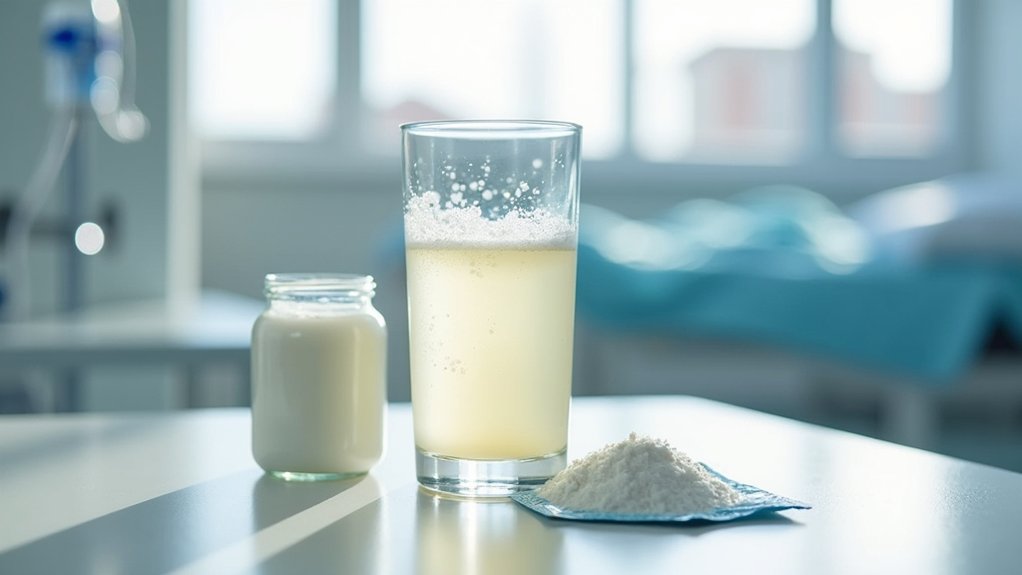
When you’re dealing with alcohol-related dehydration, oral rehydration solutions (ORS) offer a clinically validated approach that outperforms plain water or commercial sports drinks. WHO-endorsed ORS packets contain precisely balanced sodium, potassium, glucose, and chloride, delivering medical grade safety that sugar-loaded alternatives can’t match.
For rehydration effectiveness, ORS facilitates ideal absorption through your digestive system, restoring electrolyte balance disrupted by alcohol consumption. Patient surveys demonstrate 85-95% symptom improvement in hydration-related contexts. Unlike IV therapy which achieves 100% bioavailability, oral supplements typically deliver only 50-70% absorption, though ORS remains highly effective for most individuals.
Sip small amounts frequently to minimize nausea and vomiting risk. If you’re at high risk or malnourished, pair ORS with thiamine supplementation to prevent Wernicke’s encephalopathy. However, if you’re experiencing persistent vomiting, ORS won’t suffice, you’ll need IV fluids for direct bloodstream delivery. Plain water alone may not replace lost sodium salts and other electrolytes sufficiently during recovery. Consult your healthcare provider for severe symptoms. Home-based withdrawal management may be appropriate if you have a history of only mild withdrawal symptoms and have recently abstained for five or more days without complications.
Pedialyte and Similar Low-Sugar Hydration Formulas
Although Pedialyte wasn’t designed specifically for alcohol recovery, its formulation addresses key physiological deficits you’ll experience during detox or severe hangovers. This oral electrolyte solution delivers sodium, potassium, and chloride while containing roughly half the sugar of standard sports drinks. The lower carbohydrate load reduces your risk of osmotic diarrhea and gastric upset, common concerns when you’re already experiencing alcohol-related dehydration.
Pedialyte offers convenient rehydration with balanced sodium-glucose ratios that enhance intestinal water absorption. However, you should understand its limitations. Research hasn’t proven it superior to plain water for hangover prevention, and it won’t address acetaldehyde toxicity or inflammation. Studies have also found no correlation between electrolyte imbalance severity and the intensity of hangover symptoms experienced. The only true cure for a hangover is time, as most symptoms resolve within 24 hours when your blood alcohol concentration returns to zero. Additionally, alcohol strips the body of important B vitamins, which Pedialyte does not replace. Among affordable hydration options, low-sugar formulas like Pedialyte AdvancedCare support electrolyte replacement during early alcohol cessation but shouldn’t replace medical supervision for withdrawal management.
Sqwincher Zero-Sugar Electrolyte Beverages for Detox Support
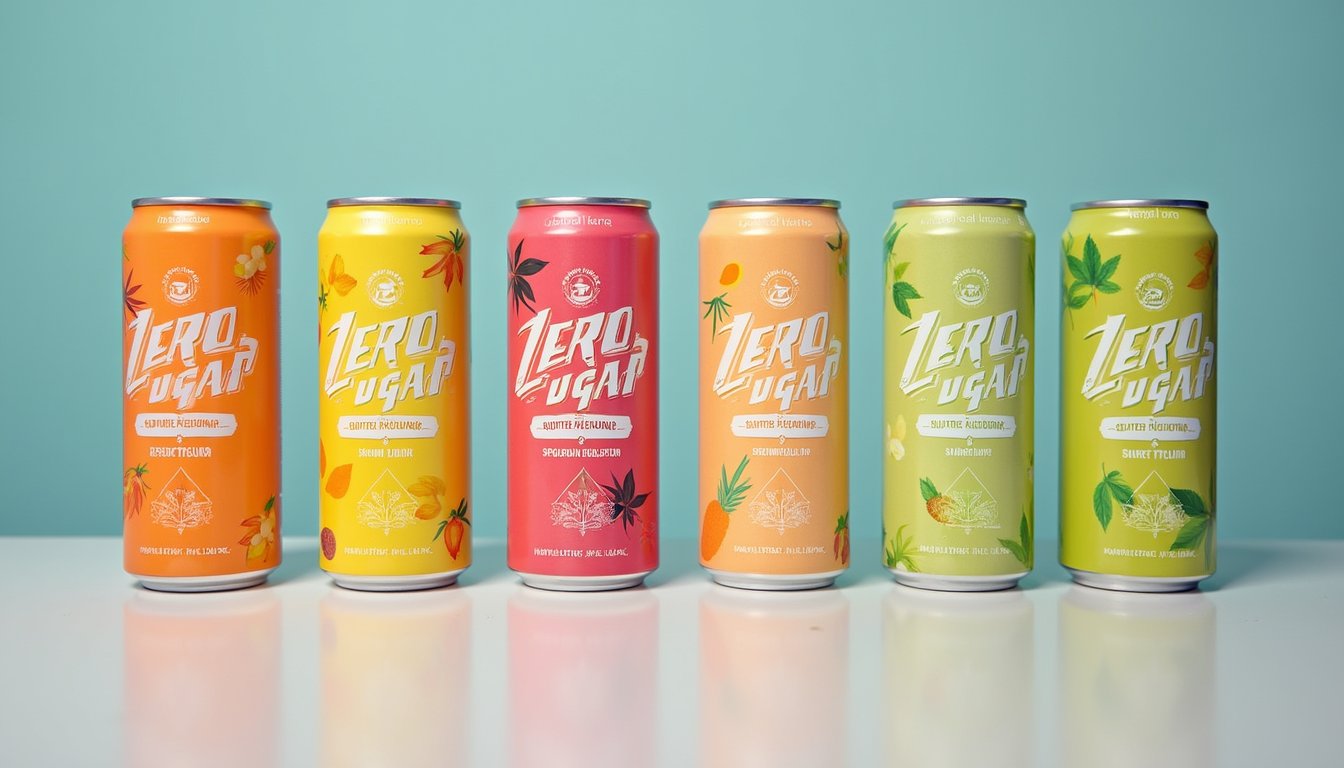
Sqwincher ZERO offers a sugar-free electrolyte option that may support hydration during alcohol detox without contributing to blood glucose fluctuations. Its formulation provides sodium and potassium to help replace minerals lost through diuresis, sweating, and vomiting common during withdrawal. The caffeine-free composition avoids exacerbating anxiety or cardiovascular symptoms.
You’ll find powder efficacy demonstrated across multiple formats. Qwik Stik packets allow precise single-serve dosing, while concentrated dosage forms like liquid concentrate yield up to five gallons for clinical settings requiring batch preparation. These shelf-stable options reduce spoilage during extended recovery periods. The 2.5 Gallon yield size makes it practical for facilities managing multiple patients requiring consistent hydration support.
The added vitamin C may offer modest antioxidant support, though it doesn’t replace medical-grade supplementation. The gluten-free formulation accommodates patients with celiac disease or gluten sensitivity who require detox support. Sqwincher ZERO isn’t a substitute for clinical detox protocols, including thiamine administration and benzodiazepine management when indicated for severe withdrawal. The assorted flavors variety pack containing 40 sticks priced at $9.49 provides an economical option for patients who may experience taste aversions during recovery.
Coconut Water as a Natural Potassium-Rich Option
Coconut water offers a natural source of electrolytes, including approximately 600 mg of potassium per 8-ounce serving, which can help restore levels depleted by alcohol’s diuretic effects. Its composition tends to be gentler on sensitive stomachs compared to acidic sports drinks, making it a practical option when nausea accompanies withdrawal. You should note that while coconut water contains naturally occurring sugars, pure varieties lack the added sugars found in many commercial electrolyte beverages. Staying properly hydrated with coconut water helps flush toxins through the kidneys and liver, speeding up the recovery process. Maintaining a consistent hydration schedule is particularly important since dehydration commonly occurs during detox due to alcohol’s diuretic effects. Pairing coconut water with B-complex supplements can further support recovery by addressing the vitamin deficiencies commonly associated with alcohol use.
Natural Electrolyte Balance
When you’re seeking a natural alternative to commercial electrolyte drinks during alcohol detox, coconut water stands out as one of the richest beverage sources of potassium available. A single cup provides approximately 600 mg of potassium, about 13% of your daily value, along with sodium, magnesium, calcium, and manganese.
The hydration benefits extend beyond simple fluid replacement. Coconut water’s naturally isotonic composition mirrors human plasma, allowing efficient mineral absorption during recovery. Its potassium rich properties help counter alcohol-induced electrolyte losses caused by diuresis and vomiting. The magnesium content is particularly valuable since it assists in over 300 enzyme reactions and helps regulate neurotransmitter activities essential for recovery. Since alcohol acts as a diuretic, proper hydration becomes critical as dehydration can exacerbate withdrawal symptoms like headaches and fatigue.
Unlike many commercial sports drinks, coconut water delivers comparable electrolytes without added sugars or artificial ingredients. This cleaner profile aligns with detox nutrition goals while supporting nerve signaling, muscle function, and cardiovascular stability. However, you should use it alongside other fluids rather than as your sole hydration source, since research indicates that coconut water is no more hydrating than plain water despite its electrolyte content.
Gentle on Sensitive Stomachs
The natural composition of coconut water makes it particularly suitable for individuals experiencing gastrointestinal distress during alcohol detox. Its low fat and protein content reduces gastric emptying time, minimizing nausea risk. Unlike carbonated beverages, coconut water won’t cause gastric distension or reflux, offering gentle detox support when your stomach feels most vulnerable.
You’ll find coconut water provides well tolerated hydration without the caffeine or additives that can stimulate gastric acid production. This matters if you’re dealing with gastritis or esophagitis from chronic alcohol use. The mild flavor and light osmolality make it easier to consume when vomiting or poor appetite limits your tolerance for solid foods. Pairing coconut water with electrolyte-rich fluids like sports drinks can help combat dehydration more effectively during the detox process.
Clinical detox resources recommend coconut water as an effective option when you need hydration without overloading your sensitive digestive system.
Moderate Sugar Content
Around six to eight grams of natural sugar per eight-ounce serving gives coconut water a distinct advantage over standard sports drinks during alcohol detox. This moderate sugar profile helps you avoid the rapid glucose spikes and crashes that worsen fatigue and mood instability during withdrawal. You’ll also benefit from its superior electrolyte formulation, particularly its potassium content of 509, 600 mg per cup.
- Delivers potassium levels that support muscle function and reduce cramping
- Contains no added sugars or preservatives in plain varieties
- Provides stable energy without excessive carbohydrate load
- Complements sodium intake from food sources
If you have blood sugar concerns, choose unsweetened varieties to meet personalized sugar targets. Coconut water’s natural composition makes it a clinically appropriate option for replacing electrolytes without intensifying metabolic stress during detox.
Low-Sugar Sports Drinks With Balanced Sodium and Potassium
Choosing a low-sugar sports drink with balanced sodium and potassium can support safer rehydration during alcohol detox without triggering blood glucose spikes that may worsen cravings. Your hydration requirements during withdrawal increase due to vomiting, sweating, and diarrhea. Effective rehydration strategies involve selecting beverages with specific electrolyte profiles.
| Nutrient | Target Range (per 16, 20 oz) |
|---|---|
| Sugar | ≤8, 12 g |
| Sodium | 200, 500 mg |
| Potassium | 100, 300 mg |
| Calories | ≤50 kcal per 8 oz |
| Na:K Ratio | 2:1 to 4:1 |
Look for reduced-sugar formulations, electrolyte waters, or coconut-water, based blends. Avoid products containing taurine, caffeine, or high-fructose corn syrup. You should also limit artificial sweeteners due to potential insulin resistance concerns. Consult your healthcare provider before using concentrated rehydration products during severe withdrawal.
Electrolyte Powder Mixes With Magnesium and Essential Minerals
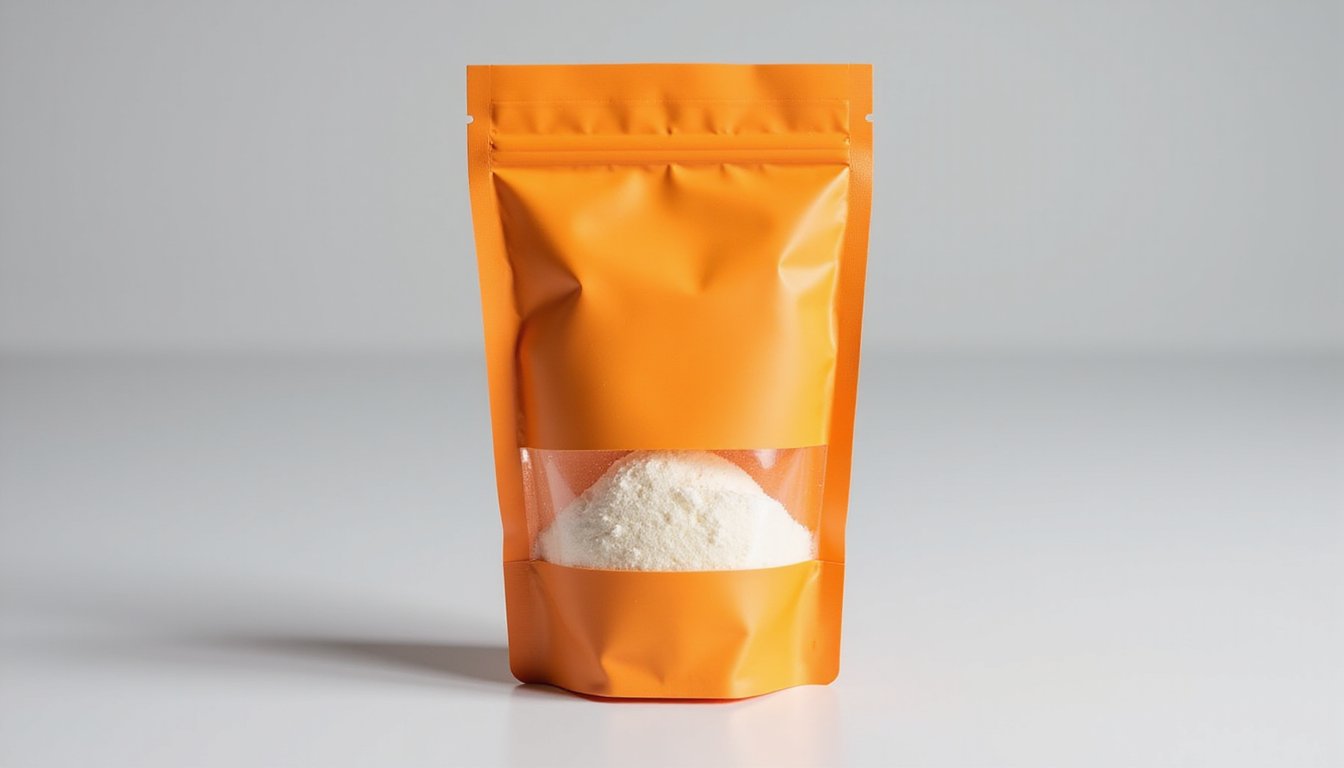
Several electrolyte powder mixes now include magnesium alongside sodium and potassium, addressing a critical gap in standard sports drinks during alcohol detox. You’ll find evidence backed formulations typically provide 50, 100 mg magnesium per serving, supporting the enzymatic pathways that process acetaldehyde without causing gastrointestinal distress.
Magnesium-enhanced electrolyte powders fill a crucial gap in alcohol detox support that standard sports drinks simply cannot address.
When selecting a powder, look for safe electrolyte ratios that reflect physiological needs:
- Approximately 2:1 sodium-to-potassium ratio to restore cellular balance after alcohol-induced diuresis
- Magnesium in bioavailable forms to correct deficiencies linked to withdrawal severity
- Minimal added sugars to avoid blood glucose fluctuations
- Trace minerals like phosphorus when thorough correction is needed
Clinical protocols often include magnesium supplementation because deficiency worsens neuromuscular symptoms, anxiety, and sleep disruption. However, you shouldn’t rely on these products alone, medical monitoring guarantees electrolytes return to safe ranges.
Homemade Electrolyte Drinks Using Whole Food Ingredients
You can create effective electrolyte drinks at home using whole food ingredients that provide natural sources of sodium, potassium, and magnesium without artificial additives. Simple recipes typically combine a liquid base like water or coconut water with citrus juices, a natural sweetener such as raw honey, and a pinch of sea salt or Himalayan pink salt. These whole food ingredients offer bioavailable minerals that support rehydration during alcohol detox, though you should consult a healthcare provider if you’re experiencing severe withdrawal symptoms.
Simple DIY Recipe Ideas
When you’re maneuvering alcohol detox at home, making your own electrolyte drinks gives you control over ingredients while avoiding the excessive sugars and artificial additives found in many commercial options.
These recipes offer citrus flavored complexity that masks saline taste while maintaining lower sugar profiles than commercial sports drinks:
- Basic citrus mix: Combine 2 cups water, ½ cup orange juice, ¼ cup lemon juice, ¼ tsp sea salt, and 1 tbsp honey for approximately 144 mg sodium and 156 mg potassium
- Coconut-lime blend: Mix 1 cup coconut water, 1 cup water, ¼ cup lime juice, and ¼ tsp sea salt
- Watermelon cooler: Blend 1 cup watermelon, 1 cup water, ¼ tsp sea salt, and 1 tbsp lime juice
- Berry electrolyte drink: Combine ½ cup mixed berries with 2 cups water and ¼ tsp sea salt
Best Whole Food Ingredients
Although the DIY recipes above provide effective electrolyte support, whole-food ingredients offer additional nutritional benefits that can enhance your detox experience. Coconut water delivers sodium, potassium, calcium, and magnesium with minimal sugar. Electrolyte‑rich vegetable waters from boiled potatoes or cucumber infusions provide potassium and magnesium naturally. Mineral‑rich seaweed blends incorporating kelp offer iodine, sodium, and trace elements that support fluid balance.
| Ingredient | Key Electrolytes | Additional Benefits |
|---|---|---|
| Coconut water | Potassium, sodium, magnesium | Low sugar, natural hydration |
| Leafy greens | Magnesium, potassium, calcium | Antioxidants, liver support |
| Chia seeds | Calcium, magnesium, phosphorus | Omega-3s, water absorption |
Beet-derived betaine functions as a natural osmolyte, protecting cells during detox. You should combine these ingredients thoughtfully to maximize electrolyte restoration while supporting overall recovery.
Frequently Asked Questions
Can Electrolyte Drinks Actually Speed up Alcohol Elimination From My Body?
No, electrolyte drinks won’t speed up alcohol elimination from your body. Your liver metabolizes alcohol at a fixed rate that supplements can’t accelerate. However, meeting your proper hydration requirements and maintaining electrolyte balance management during detox does provide real benefits, you’ll experience reduced headaches, less confusion, and improved muscle and nerve function. These drinks support symptom relief and organ function, but they don’t shorten actual detox duration.
When Should I Stop Using Electrolyte Drinks and Seek Emergency Care?
You should stop using electrolyte drinks and seek emergency care if you experience hallucinations, seizures, severe confusion, or persistent vomiting that prevents fluid retention. Watch for signs of dehydration like dark urine, dizziness, or sunken eyes despite your efforts. A rebound electrolyte imbalance can cause dangerous muscle cramps, irregular heartbeat, or breathing difficulties. If symptoms worsen after 48-72 hours or you develop chest pain, seek immediate medical attention.
Are Electrolyte Drinks Safe if I Have Heart Disease or Hypertension?
If you have heart disease or hypertension, you should consult your healthcare provider before using electrolyte drinks. High-sodium formulations can raise blood pressure, worsen fluid retention, and increase cardiac workload. Standard sports drinks may be unsafe for heart failure patients due to heightened, amplified, or augmented salt and sugar content. Your medical team should monitor fluid and electrolyte levels closely, as imbalances can trigger arrhythmias or exacerbate existing cardiovascular conditions.
Should I Take Vitamin Supplements Alongside Electrolyte Drinks During Detox?
Yes, you should take vitamin supplements alongside electrolyte drinks during detox. Vitamin B supplementation, particularly thiamine (B1), is essential to prevent Wernicke’s encephalopathy, a serious neurological condition linked to alcohol withdrawal. Guidelines recommend 200 mg of oral thiamine daily. Proper hydration with electrolyte drinks addresses dehydration while vitamins correct nutrient deficiencies caused by heavy drinking. However, you’ll want medical supervision to monitor your levels and avoid complications from imbalances.
How Much Electrolyte Drink Is Too Much During Alcohol Withdrawal?
You can overconsume electrolyte drinks during withdrawal, risking electrolyte overload that requires medical monitoring. Proper electrolyte balance is essential, too much sodium, potassium, or magnesium can cause serious complications. For effective dehydration management, you’ll want to sip electrolytes throughout the day rather than consuming large amounts at once. Since vomiting and diarrhea can exacerbate imbalances, you should work with a healthcare provider who can monitor your levels and adjust intake accordingly.