
Red wine, clear spirits, and light beer top the list of healthier alcoholic beverages today, each offering unique benefits when consumed in moderation. You’ll find heart-protective polyphenols in red wine, fewer congeners and calories in clear spirits, and beneficial B vitamins in light beer. White wine and natural cider provide additional antioxidant advantages, while crafting cocktails with fresh ingredients and probiotic mixers can bolster their nutritional value. Let’s investigate the specific compounds that make these drinks wiser choices for your health.
The Science Behind Red Wine’s Health Properties

While many people enjoy red wine for its rich flavor, its remarkable health properties stem from a complex array of bioactive compounds. The most significant components are polyphenols, including resveratrol’s anti-aging properties, which act as powerful antioxidants in your body. These compounds help neutralize harmful free radicals and reduce oxidative stress. Red wine has a particularly high polyphenol content compared to white wine varieties. Some randomized controlled trials suggest that moderate red wine intake may improve vascular dilation (via increased nitric oxide) and endothelial function in people with high cholesterol or heart disease. However, results are mixed, and not all studies found a benefit.
When you consume red wine in moderation, you’ll benefit from its ability to suppress inflammation through NF-κB inhibition and improve cardiovascular health by preventing blood clot formation. A large study found that moderate wine intake with meals was associated with a reduced risk of type 2 diabetes, but the effect was not seen in heavy drinkers or in those who drank without food. Experts note this link is still inconclusive. Polyphenols in red wine may help prevent the formation of toxic brain plaques linked with Alzheimer’s disease, but research remains mixed, and alcohol can also negatively affect brain health. They’re also involved in the modulation of gut microbiome, which may contribute to better metabolic health. The antioxidants in red wine, especially polyphenols like resveratrol, may help protect cells from damage. Many of these benefits are linked to the grape compounds themselves, which means you don’t need alcohol to get them.
Health experts emphasize that if you don’t drink, you should not start for health reasons. Any potential benefits of red wine must be weighed against the known risks of alcohol, including liver disease, cancer, and dependence.
Clear Spirits and Their Metabolic Advantages
Although all alcoholic beverages come with health considerations, clear spirits offer distinct metabolic advantages that set them apart from other options. One drink per day is the recommended maximum for women, while men should limit intake to two drinks daily. If you’re focused on moderate consumption, vodka, gin, and white rum contain fewer congeners than dark liquors, leading to significant hangover reduction. These spirits also process more efficiently through your body, causing less metabolic disruption. When keeping intake low, clear spirits may help your brain maintain healthy waste removal through the glymphatic system. Regular, moderate consumption of clear spirits may provide cardiovascular benefits, with studies showing a 25-40% reduced risk of heart disease. When consumed without sugary mixers, clear spirits provide the lowest calorie and carbohydrate content among alcoholic beverages, with zero carbs per serving. They won’t spike your blood sugar like sweetened cocktails or beer, making them suitable for low-carb diets and diabetes management. Your body also clears these spirits faster than darker alternatives, resulting in reduced liver burden and potentially less oxidative stress over time.
Understanding White Wine and Sparkling Options

Despite common perceptions favoring red wine, white and sparkling wines offer distinct health advantages supported by recent research. Unique white wine antioxidants, particularly nitrogen and sulfur-based compounds, act as protective agents against oxidative stress. You’ll find that low sulfite white wines provide these benefits with fewer sensitivity risks. Studies show that white wine drinkers have consistently healthier lung function compared to those who consume other alcoholic beverages. The presence of beneficial polyphenols, including protocatechuic acid in white and sparkling wines, contributes to their cardioprotective effects. These benefits are enhanced when wine is consumed as part of a Mediterranean-style meal.
- Sparkling wines show impressive cardiovascular protection, potentially preventing up to 63% of sudden cardiac arrests when combined with healthy lifestyle choices
- White wine consumption correlates with improved lung function and reduced COPD risk
- Both varieties demonstrate strong cognitive benefits, including better memory and reduced Alzheimer’s risk
- Natural white wines contain substantially lower sulfites (30-40 ppm) versus conventional wines (350 ppm)
- Regular moderate consumption supports better cholesterol levels and may help manage type 2 diabetes
These findings suggest white and sparkling wines deserve recognition alongside red wine for their health-promoting properties.
Light Beer and Natural Cider Benefits
Light beer and natural cider stand out as healthier alternatives in the alcoholic beverage spectrum, backed by substantial research on their nutritional profiles and health impacts. When consumed in moderation, light beer offers significant metabolic effects, including improved insulin resistance and better HDL cholesterol function. Light beer has about two-thirds the calories compared to regular beer while maintaining similar taste profiles. You’ll find it contains fewer calories (90-110) and beneficial compounds like B vitamins and polyphenols. Research shows that moderate beer drinkers report higher levels of physical and mental well-being compared to non-drinkers. The richer and darker varieties of beer provide more antioxidants that help combat chronic diseases.
Natural cider delivers unique advantages through its apple-derived nutrients, including vitamin C and pectin fiber. Both beverages demonstrate mental health benefits when consumed moderately, particularly in adults over 40, with studies showing reduced stress levels and better social support networks. However, you’ll only gain these benefits through responsible consumption, up to two drinks daily for men and one for women, as excessive intake reverses these positive effects.
Smart Mixing: Crafting Better Cocktail Choices
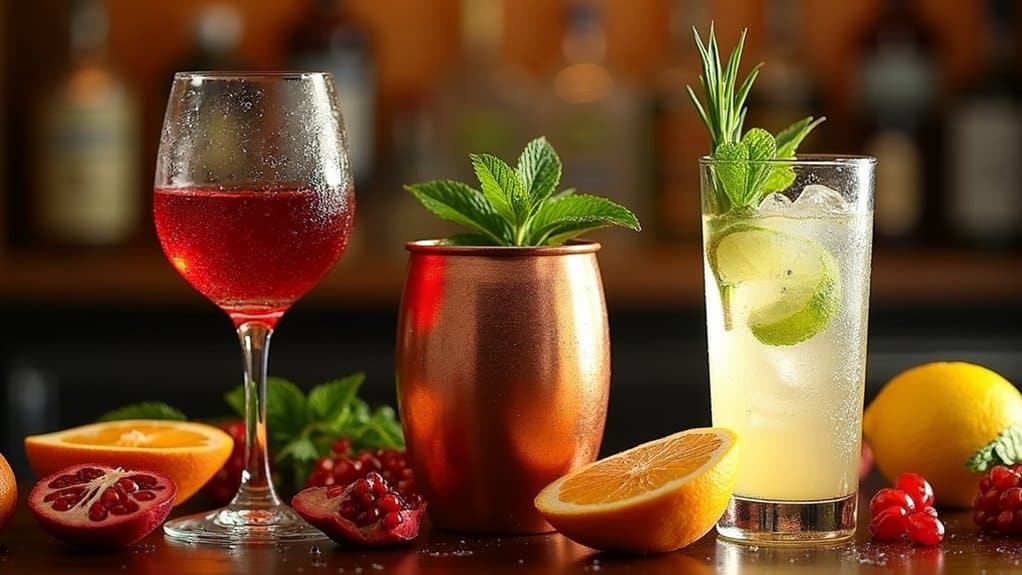
Moving beyond basic beer and cider options, smart cocktail mixing presents an opportunity to create healthier alcoholic beverages through mindful ingredient selection. You’ll find that incorporating homemade infusions and probiotic ingredients like kombucha can transform your drinks into more nutritious options while maintaining their enjoyable qualities. Adding ingredients like avocado creates cocktails that are low in carbs while providing healthy fats. Modern consumers are increasingly seeking beverages that offer natural flavours and wellness benefits. Tonic water is often used as a mixer, but regular versions can be high in sugar. Opting for light or diet tonic helps keep calories lower. Quinine is present, though in very small amounts, so any health benefit from it is minimal.
- Choose clear spirits like vodka or gin, which contain fewer congeners and may reduce hangover severity
- Use fresh citrus juices and natural herbs instead of sugary mixers to elevate antioxidant content
- Add probiotic-rich ingredients like kombucha for gut-health benefits
- Create homemade infusions with herbs and fruits to avoid artificial additives
- Control portions by using smaller glassware and maintaining lower ABV ratios
Frequently Asked Questions
Can Alcohol Consumption Affect Sleep Quality Even When Drinking Healthier Options?
Yes, any alcohol consumption will disrupt your sleep quality, regardless of choosing “healthier” options. Even moderate amounts of red wine or clean spirits like vodka can reduce your REM sleep by 20-50% and increase sleep disruption throughout the night. While some drinks may offer certain health benefits, they don’t negate alcohol’s impact on sleep architecture. You’ll still experience fragmented sleep, more frequent awakenings, and less restorative rest completely.
How Do Different Alcoholic Beverages Impact Gut Microbiome Health?
Different alcoholic drinks have varying effects on your gut microbiome. Red wine, thanks to its fermentation processes and high polyphenol content, can support microbial diversity and beneficial bacteria. However, other alcoholic beverages like spirits and beer lack significant probiotic content and can disrupt your gut balance, leading to dysbiosis. Excessive consumption of any alcohol will harm your microbiome, reducing beneficial bacteria and increasing harmful strains that promote inflammation and intestinal permeability.
Does Time of Day Influence How the Body Processes Different Alcoholic Drinks?
Yes, time of day markedly affects your body’s alcohol absorption rate and alcohol metabolism speed. You’ll process alcohol more efficiently during daytime hours when liver enzymes are most active. If you drink in the evening or at night, your body metabolizes alcohol more slowly, potentially leading to higher blood alcohol levels and stronger effects. Your meal timing also matters; drinking on an empty stomach expedites absorption regardless of time.
Are Organic Wines and Spirits Significantly Healthier Than Conventional Ones?
While organic wines offer some health advantages, the benefits aren’t as striking as you might think. You’ll find fewer synthetic pesticides and lower sulfite levels due to organic certification standards and sustainable farming practices. These wines typically contain more antioxidants and polyphenols, which may support heart health. However, scientific evidence doesn’t conclusively prove they’re considerably healthier. Remember, whether organic or conventional, alcohol itself still carries health risks.
How Do Alcohol-Related Calories Differ in Their Impact Compared to Food Calories?
Your body processes alcohol calories quite differently from food calories. While food provides nutrient density and satiety, alcoholic drinks offer “empty calories” with minimal nutritional value. Your liver prioritizes alcohol metabolism over fat burning, leading to potential fat storage. You’ll also find that alcohol calories don’t satisfy hunger like food does; instead, they can increase your appetite and lower inhibitions around eating. This unique alcohol metabolism rate affects your body’s energy use and storage patterns.