
Heart palpitations commonly occur after drinking alcohol at night as your body metabolizes the alcohol during sleep. You’ll likely notice a racing or pounding heartbeat, often accompanied by sweating and anxiety. Alcohol disrupts your normal cardiac rhythm by weakening heart muscle contractions and interfering with sodium channels, leading to increased sensitivity to electrical disturbances. Understanding the specific mechanisms and risk factors can help you better manage these concerning symptoms.
Understanding Alcohol’s Impact on Heart Rhythm
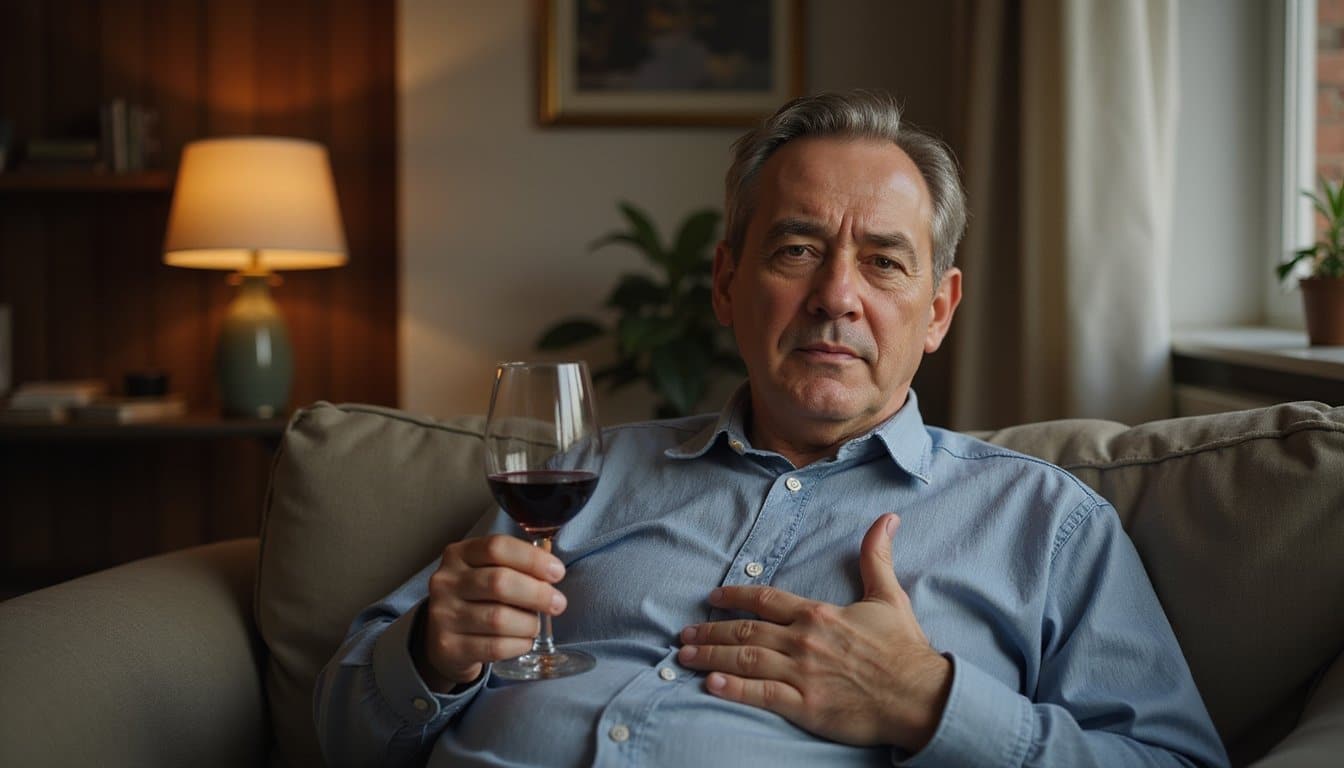
When alcohol enters your bloodstream, it triggers multiple physiological changes that can greatly disrupt normal cardiac rhythm. During alcohol metabolism, your heart becomes increasingly sensitive to electrical disturbances, leading to potential arrhythmias and irregular heartbeats.
Your heart’s natural rhythm faces several challenges: alcohol weakens heart muscle contractions through negative inotropic effects, interferes with sodium channels at high concentrations, and shortens the atrial refractory period. These changes make your heart more susceptible to irregular rhythms and palpitations. This condition commonly occurs in healthy individuals who don’t have any pre-existing heart conditions. Prolonged excessive drinking can cause the heart muscles to stretch and enlarge, leading to dilated cardiomyopathy over time. Research shows that consuming more than 20 grams of ethanol per day significantly increases cardiovascular risks in both men and women.
Both your sympathetic and parasympathetic nervous systems respond to alcohol consumption, creating an environment where heart sensitivity is heightened. This dual activation can trigger arrhythmias, particularly when blood alcohol levels reach intoxicating doses between 80-250 mg%.
Common Symptoms and Warning Signs
When you experience post-drinking palpitations, you’ll likely notice a racing or pounding heartbeat accompanied by physical symptoms like sweating, tremors, or shortness of breath. Alcohol’s effects as a stimulant on heartrate can trigger these concerning symptoms shortly after drinking. Your sleep patterns may become disrupted as alcohol’s effects on your heart rhythm persist throughout the night, often causing you to wake up with a sensation of your heart racing or skipping beats. These cardiac symptoms are particularly common during Holiday Heart Syndrome, which occurs after excessive alcohol consumption. Regular consumption of alcohol can increase your risk of developing irregular heartbeats by eight percent per drink consumed daily. These cardiac symptoms warrant special attention if you develop chest pain, dizziness, or fainting spells, as they could indicate a more serious underlying condition requiring medical evaluation.
Physical Warning Signals
The physical warning signals of alcohol-induced heart palpitations manifest through several distinct symptoms that demand immediate attention. You’ll typically experience a fluttering or pounding sensation in your chest, often accompanied by dizziness and shortness of breath. These palpitation triggers can intensify due to dehydration effects from alcohol’s diuretic properties.
Watch for chest discomfort or pain, which may signal serious cardiac involvement. You might notice sweating, clamminess, and unusual fatigue, particularly during nighttime episodes. Regular excessive drinking can increase your risk of developing abnormal heart rhythms. In severe cases, you could develop swelling in your legs or abdomen, indicating compromised heart function. If you experience a bluish tint to your skin or fainting spells, seek immediate medical care, as these symptoms suggest inadequate blood oxygenation and potentially dangerous arrhythmias.
Racing Heart After Drinking
Racing heart symptoms after alcohol consumption manifest through distinct and recognizable patterns. You’ll notice your heart rate increasing greatly, often accompanied by a sensation of fluttering or pounding in your chest. These symptoms typically intensify at night, especially after heavy drinking episodes. Research shows your heart rate can increase by up to 7 beats per minute during sleep after drinking alcohol. Chronic excessive drinking can eventually lead to alcoholic cardiomyopathy, weakening your heart muscle over time. Women tend to experience more severe reactions to alcohol-induced heart irregularities.
| Warning Sign | What You’ll Experience |
|---|---|
| Palpitations | Irregular or rapid heartbeats, fluttering sensations |
| Physical Effects | Chest pressure, shortness of breath, dizziness |
| Timing | Symptoms worsen at night, may last several hours |
Your risk of experiencing these symptoms increases with the amount of alcohol consumed. Even if you don’t have underlying heart conditions, binge drinking can trigger “holiday heart syndrome,” causing atrial fibrillation. The combination of alcohol’s stimulant effects and its disruption of your heart’s electrical signals creates these concerning cardiovascular responses.
Sleep And Heart Rhythms
During normal sleep cycles, your heart naturally shifts through distinct rhythm patterns that correspond to different sleep stages. Your heart rate typically slows to 40-60 beats per minute during non-REM sleep, promoting cardiovascular recovery. During REM sleep, you’ll experience greater heart variability due to fluctuations in your autonomic nervous system. This nightly drop in blood pressure, known as nocturnal dipping, helps maintain cardiovascular health. Individuals with stable cardiovascular function typically experience vagus nerve dominance during non-REM sleep, which helps regulate heart rhythm. Sinus bradycardia occurs naturally in about 24% of healthy people during sleep.
Common symptoms and warning signs you should monitor include:
- Palpitations or awareness of irregular heartbeats, especially when waking up
- Frequent nighttime premature ventricular contractions (PVCs), particularly if you have underlying heart conditions
- Episodes of shortness of breath or chest discomfort during sleep
If you experience persistent cardiac symptoms at night, especially with other risk factors like sleep apnea or heart failure, consult your healthcare provider. Approximately 20% of heart attacks occur during nighttime hours, making symptom awareness vital.
The Science Behind Nighttime Drinking and Heart Health
When alcohol enters your system at night, it triggers a cascade of physiological changes that greatly impact cardiovascular function during sleep. Your nocturnal heart rate increases considerably, jumping from an average of 64 to 72 beats per minute. Alcohol metabolism disrupts your autonomic nervous system, reducing the calming “rest-and-digest” response while amplifying stress-related “fight-or-flight” signals. Women tend to experience more pronounced effects, showing higher blood pressure in the morning after drinking heavily compared to men. Recent research indicates that even moderate alcohol consumption can increase mortality risk, with every three beat increase in nighttime heart rate suggesting potential cardiovascular concerns.
| Effect | During Sleep | Impact |
|---|---|---|
| Heart Rate | Increases 3-8 BPM | Cardiovascular Stress |
| Nervous System | Reduced Parasympathetic | Poor Recovery |
| Sleep Quality | Decreased REM/Deep Sleep | Fragmented Rest |
| Heart Rhythm | Reduced Variability | Higher Risk |
You’ll experience these effects most intensely during the second half of the night, with even moderate drinking leading to sustained heightened heart rate and compromised cardiovascular recovery throughout your sleep period.
Risk Factors for Alcohol-Related Palpitations
If you’re a heavy drinker, you’re considerably more vulnerable to nighttime heart palpitations due to alcohol’s toxic effects on cardiac function and its interaction with holiday heart syndrome. Research shows that heavy alcohol consumption (≥210g/week) is associated with a 29.8% higher risk of developing atrial fibrillation compared to non-drinkers. Your risk increases further if you take medications that interact with alcohol or if you have underlying health conditions like hypertension. Poor sleep quality after drinking can compound these risks, as disrupted sleep patterns heighten your body’s stress response and susceptibility to arrhythmias.
Heavy Drinkers Face Dangers
Heavy alcohol consumption poses significant cardiovascular risks, particularly through its direct impact on heart rhythm and function. If you’re a heavy drinker, you’ll face increased dangers of developing alcohol-induced cardiomyopathy, which weakens your heart muscle and disrupts normal beating patterns. Regular excessive drinking can overwhelm your body’s protective metabolic processes, leading to cumulative damage over time.
Key dangers you face as a heavy drinker include:
- Direct stimulation of irregular heartbeats and increased risk of atrial fibrillation
- Toxic effects that alter heart structure and impair pumping efficiency
- Vital electrolyte imbalances that destabilize your heart’s electrical system
The cardiovascular risks escalate with each additional drink per day, and there’s no universally “safe” threshold. Your risk of experiencing irregular heartbeats increases by 8% per daily drink, making moderation essential for heart health.
Medication Interactions Increase Risk
Taking medications alongside alcohol creates dangerous interactions that can trigger or worsen heart palpitations. Your medication risks increase substantially when you mix alcohol with heart medications, particularly beta-blockers and anticoagulants. You’ll face heightened chances of irregular heartbeats, dangerous blood pressure fluctuations, and enhanced drug side effects.
If you’re on stimulants or mental health medications, you’re especially vulnerable. These combinations can mask alcohol’s sedative effects while increasing your risk of arrhythmias and cardiovascular stress. Alcohol interferes with how your body processes these drugs, potentially raising blood levels to dangerous concentrations. For those with pre-existing heart conditions, these interactions become even more hazardous. You’ll need to be particularly cautious with MAOIs and antidepressants, as they can trigger severe cardiac complications when combined with alcohol.
Sleep Quality Affects Symptoms
When alcohol disrupts your sleep cycles, you’re noticeably more likely to experience heart palpitations and cardiac rhythm disturbances. Sleep quality plays an essential role in your heart’s rhythm regulation, and alcohol consumption greatly impairs this delicate balance. Your heart rate during alcohol-disturbed sleep can spike to 70-110 beats per minute, compared to the normal 40-50 beats during healthy deep sleep.
- Your heart rate variability decreases with poor sleep quality, making you more vulnerable to irregular heartbeats
- Drinking close to bedtime amplifies sleep disturbances and increases your risk of nighttime palpitations
- Sleep apnea, when worsened by alcohol, can trigger more frequent and severe cardiac events
These sleep-related factors create a compound effect, where alcohol-induced sleep disruption directly contributes to your increased risk of experiencing nighttime heart palpitations.
How Long Do Post-Drinking Heart Episodes Last?
The duration of alcohol-induced heart palpitations varies considerably, ranging from brief episodes lasting seconds to prolonged symptoms persisting for several days. You’ll typically experience these irregular heartbeats for several minutes, though they can extend longer if you’ve engaged in binge drinking or have underlying health conditions.
If you’re experiencing holiday heart syndrome, your palpitations may last anywhere from a few hours to several days. The duration largely depends on how much you’ve consumed and how quickly your body metabolizes alcohol. Once you stop drinking and resume normal routines, symptoms usually resolve. However, if your palpitations continue beyond 24 hours, you should seek medical attention, as prolonged episodes can indicate more serious cardiac issues or increase your risk of developing chronic arrhythmias.
Managing and Preventing Alcohol-Induced Heart Issues
Managing alcohol-induced heart issues requires an extensive approach that combines careful monitoring of alcohol intake with targeted lifestyle modifications. You’ll need to focus on alcohol moderation by limiting yourself to one drink daily and including at least two alcohol-free days weekly. Proper hydration strategies, including consistent water intake and electrolyte replacement, are essential for preventing palpitations.
- Maintain a drinking log to identify patterns and triggers while following CDC guidelines of no more than two drinks per day
- Practice stress-reduction techniques like deep breathing, meditation, or yoga to minimize palpitation episodes
- Stay well-hydrated before, during, and after drinking, while avoiding caffeine and high-sugar beverages
If palpitations persist, consult a healthcare provider who may recommend beta-blockers or other medical interventions based on your specific condition.
When to Seek Medical Help
Recognizing when to seek medical attention for alcohol-related heart palpitations can mean the difference between life and death. When you experience palpitation triggers after drinking, certain symptoms demand immediate emergency response.
| Warning Sign | Action Required | Time Sensitivity |
|---|---|---|
| Chest Pain | Call 911 | Immediate |
| Shortness of Breath | Emergency Care | Immediate |
| Fainting/Dizziness | Emergency Care | Immediate |
| Severe Sweating | Medical Evaluation | Within Hours |
| Persistent Episodes | Doctor Visit | Within Days |
You’ll need urgent medical attention if your palpitations occur with chest pain, shortness of breath, or fainting. Don’t drive yourself to the hospital if you’re experiencing severe symptoms. If you have a history of heart disease or take medications that interact with alcohol, you’re at higher risk for complications and should seek immediate care when palpitations occur.
Lifestyle Changes to Protect Your Heart
Making targeted lifestyle modifications can greatly reduce your risk of alcohol-related heart palpitations and broader cardiovascular complications. You’ll need to implement thorough changes focusing on dietary modifications and exercise routines while maintaining healthy body weight parameters. Following Mediterranean-style eating patterns, rich in whole foods and low in processed ingredients, can dramatically improve your heart’s function.
- Adopt a heart-healthy diet by limiting sodium, saturated fats, and alcohol while increasing fiber-rich foods and lean proteins
- Establish regular aerobic exercise routines, aiming for at least 150 minutes of moderate activity weekly
- Monitor and maintain your BMI below 25 through consistent weight management strategies
These evidence-based changes, combined with tobacco cessation if applicable, can greatly reduce your risk of palpitations and enhance overall cardiovascular health. Regular monitoring of blood pressure, cholesterol, and blood sugar levels remains essential.
Breaking the Cycle of Nocturnal Drinking Habits
While lifestyle modifications strengthen your cardiovascular health, breaking nocturnal drinking patterns requires understanding the complex biological and psychological mechanisms that perpetuate this habit. Your evening alcohol consumption disrupts circadian rhythms and melatonin production, creating a vicious cycle of poor sleep quality and increased dependency.
To break these nocturnal habits, you’ll need to address both the biological and psychological triggers. Consider alcohol alternatives during evening hours, particularly between 8-9 PM when drinking typically peaks. You can disrupt this pattern by establishing new bedtime routines that don’t rely on alcohol as a sleep aid. Remember that alcohol’s relaxing effects are temporary and ultimately worsen your sleep quality. If you’re using alcohol to manage insomnia, consult your healthcare provider about evidence-based alternatives that won’t compromise your heart health.
Frequently Asked Questions
Can Certain Types of Alcohol Cause More Severe Heart Palpitations Than Others?
While all alcoholic beverages can trigger palpitations, there’s no conclusive evidence that specific types cause more severe symptoms. Though red wine contains protective compounds like resveratrol, and dark spirits are often blamed for worse effects, it’s the ethanol content that primarily drives your heart’s response. Your individual physiology, existing cardiac conditions, and amount consumed matter more than the type of alcohol you choose to drink.
Do Cold Showers Help Reduce Alcohol-Induced Heart Palpitations at Night?
No, cold showers aren’t recommended to reduce alcohol-induced heart palpitations. In fact, cold exposure can increase your heart rate and cardiac stress, potentially making palpitations worse. When you take a cold shower, your body experiences a “cold shock response” that elevates cardiovascular strain rather than providing relief. If you’re experiencing alcohol-related heart palpitations at night, you should contact your healthcare provider instead of attempting cold shower therapy.
Is It Safe to Exercise the Morning After Experiencing Alcohol-Related Palpitations?
You shouldn’t exercise the morning after alcohol-related palpitations without taking proper precautions. For exercise safety, wait until you’ve been symptom-free for several hours and are fully rehydrated. Start with light activities only if you’re feeling completely recovered. Your morning routine should prioritize rest and hydration first. If palpitations were severe or accompanied by chest pain, seek medical clearance before resuming any physical activity.
Does Mixing Alcohol With Energy Drinks Increase the Risk of Palpitations?
Yes, mixing alcohol with energy drinks greatly increases your risk of heart palpitations. When you combine these beverages, you’re exposing your heart to conflicting effects; alcohol’s depressant properties and energy drinks’ stimulant effects. This combination can disrupt your heart health, as caffeine’s half-life increases by up to 72% when mixed with alcohol. You’re also at higher risk for dehydration and electrolyte imbalances, which can further trigger irregular heartbeats.
Can Inherited Heart Conditions Make Alcohol-Induced Palpitations Worse at Night?
Yes, your genetic predisposition can greatly worsen alcohol-induced palpitations at night. If you’ve inherited heart conditions like Brugada syndrome or cardiomyopathies, you’re more vulnerable to nighttime rhythm disturbances when drinking. Your alcohol metabolism interacts with inherited cardiac abnormalities, particularly during sleep when parasympathetic tone is high. You’ll experience more severe palpitations because alcohol disrupts ion channels that may already be compromised by genetic factors.