
Alcohol triggers heart palpitations by disrupting your heart’s electrical conduction system and autonomic nervous function, even if you’re healthy. When you drink, alcohol interferes with normal cardiac pathways, shortens cellular recovery periods, and alters neurotransmitter balances affecting heart rhythm. You’ll experience these effects within 24-36 hours of consumption through rapid or irregular heartbeats, often accompanied by anxiety and chest discomfort. Understanding the specific mechanisms and risk factors can help you prevent these dangerous cardiac disruptions.
What Are Alcohol-Related Heart Palpitations?

Heart palpitations induced by alcohol consumption represent a significant cardiovascular response characterized by sensations of rapid, irregular, or forceful heartbeats that typically manifest within 24 hours of drinking. You’ll often experience these symptoms alongside sweating, anxiety, shortness of breath, and possible chest discomfort. The condition, known as holiday heart syndrome, most commonly affects otherwise healthy individuals who engage in heavy drinking during festive periods. In some cases, you might even encounter dizziness or fainting episodes. Electrolyte imbalances from alcohol-induced dehydration can significantly worsen heart rhythm disturbances. The risk becomes particularly concerning since atrial fibrillation, the most common arrhythmia, has been directly linked to alcohol consumption.
Your heart health faces particular risks during holidays and weekends when alcohol consumption typically increases. While binge drinking presents the highest risk, even moderate alcohol intake can trigger these cardiac events. If you’re experiencing alcohol-related palpitations, you’ll need to understand that they can resolve within 24 hours of abstaining from alcohol, though there’s a 26% chance of recurrence within a year if drinking continues.
The Electrical Disruption: Alcohol’s Impact on Heart Rhythm
When alcohol enters your bloodstream, it immediately begins interfering with your heart’s intricate electrical conduction system. It disrupts normal electrical pathways, shortens cellular recovery periods, and slows impulse transmission through cardiac tissue. These changes greatly increase your arrhythmia susceptibility. Even moderate chronic consumption can trigger irregular heart rhythms in otherwise healthy individuals. The autonomic nervous system is affected by alcohol, leading to irregular heart rates. A phenomenon known as Holiday Heart Syndrome can occur in healthy people after excessive drinking episodes.
| Effect | Mechanism | Consequence |
|---|---|---|
| Signal Disruption | Altered electrical transmission | Irregular contractions |
| Refractory Changes | Non-uniform recovery periods | Uncoordinated rhythm |
| Conduction Slowing | Delayed impulse propagation | Mistimed contractions |
| Tissue Fibrosis | Scar tissue formation | Blocked signal pathways |
Your risk of developing palpitations increases by 8% per daily alcoholic drink, with blood alcohol levels between 80-250 mg% showing marked electrophysiological alterations. The damage can persist even after treatment, particularly if you continue drinking, as alcohol-induced fibrosis creates permanent disruptions in cardiac conduction patterns.
Nervous System Changes After Drinking
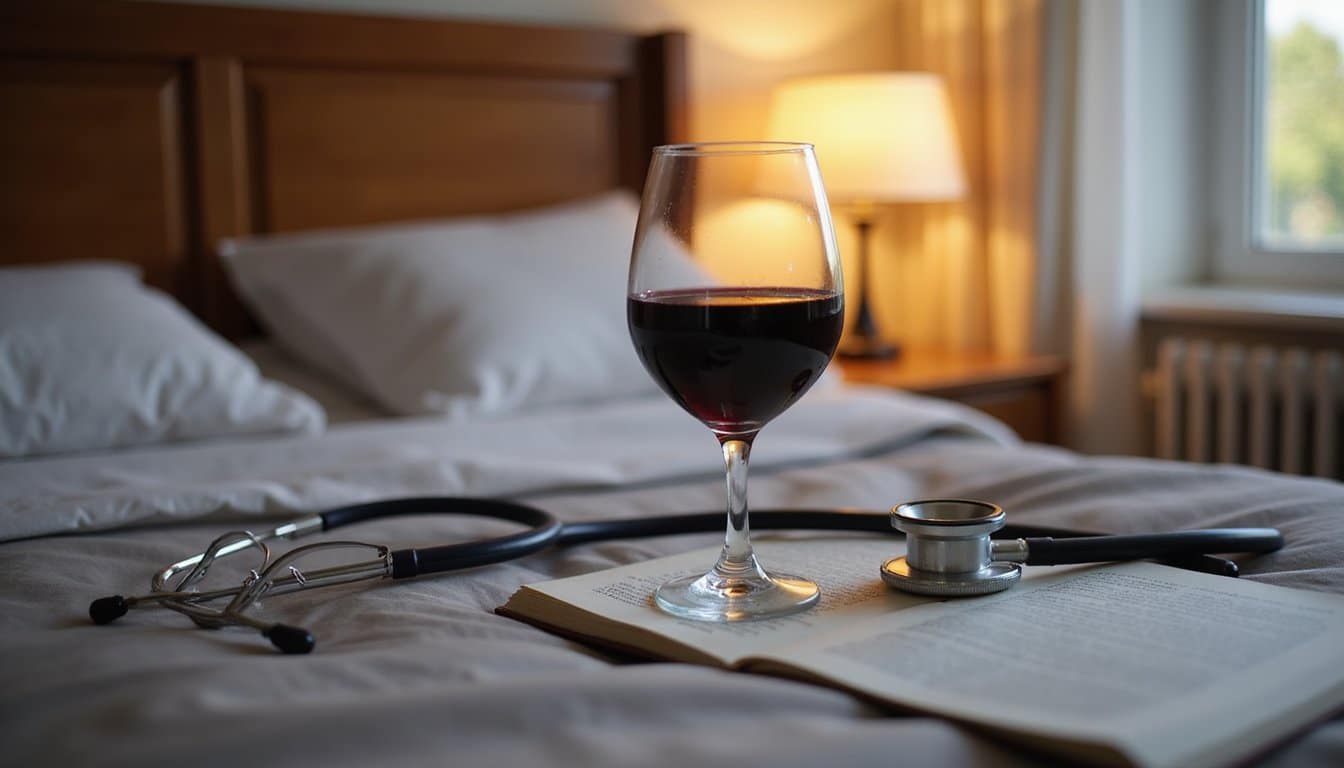
Through complex interactions with your central nervous system, alcohol rapidly disrupts essential neurotransmitter balances that regulate cardiac function. As you drink, alcohol suppresses glutamate while enhancing GABA activity, creating a neurotransmitter imbalance that affects your heart’s rhythm. Your brain’s dopamine surge initially masks these disruptions before central nervous system depression sets in. Chronic alcohol consumption leads to oxidative stress damage in neurons. The neuronal degeneration process involves late-onset epilepsy that can worsen cardiovascular symptoms.
This autonomic dysregulation intensifies as alcohol compromises your blood-brain barrier, allowing inflammatory compounds to alter neural signaling. You’ll experience effects across multiple brain regions: your cerebral cortex loses inhibitory control, your cerebellum’s coordination diminishes, and your medulla’s crucial sign regulation becomes erratic. If you stop drinking suddenly, withdrawal can trigger dangerous autonomic hyperactivity, manifesting as severe palpitations and arrhythmias that may require immediate medical attention. The website’s security service block prevents unauthorized access to critical medical information during these emergencies.
Dehydration and Electrolyte Imbalances
By disrupting your body’s fluid balance, alcohol triggers a cascade of physiological changes that can provoke cardiac palpitations. As a diuretic, alcohol increases your urine output, leading to significant dehydration effects that reduce blood volume and force your heart to work harder. This decreased cardiac output activates compensatory mechanisms, including increased heart rate and peripheral vasoconstriction.
The dehydration simultaneously disturbs your electrolyte balance, particularly affecting sodium, potassium, and magnesium levels. These electrolytes are vital for your heart’s electrical conduction system, and even mild imbalances can destabilize your cardiac rhythm. When experiencing heart palpitations, chest pain or tightness should prompt immediate medical attention. Research shows that alcohol can increase your heart rate by nearly 7 beats per minute during sleep. You’ll experience these effects within hours of drinking, as your body loses both fluids and essential minerals. The severity of symptoms typically correlates with your alcohol consumption level, though even moderate drinking can trigger these physiological disruptions.
Blood Vessel Response and Heart Rate Effects
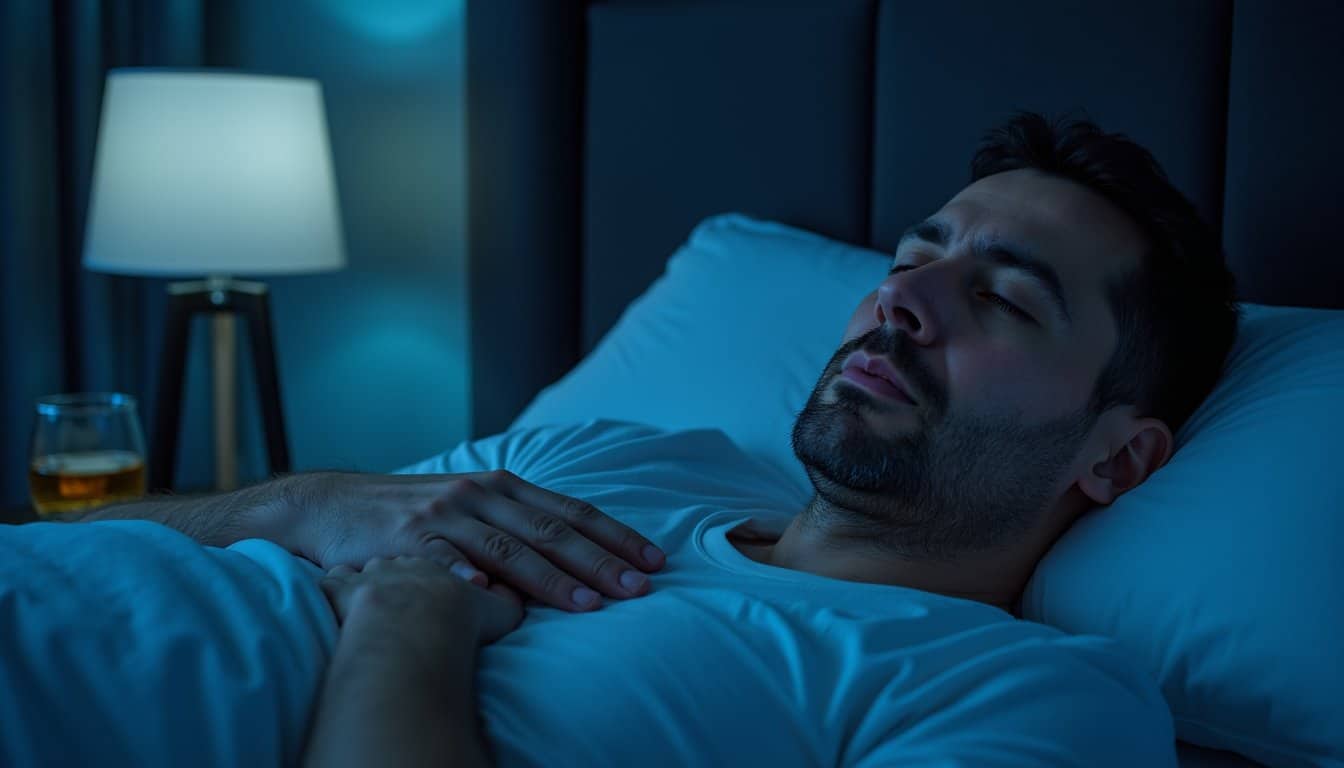
When you consume alcohol, your blood vessels initially dilate, causing a drop in blood pressure that prompts your heart to beat faster as a compensatory response. Your body’s baroreflex mechanism detects this blood pressure change and triggers the sympathetic nervous system to increase your heart rate, leading to the sensation of palpitations. This compensatory tachycardia can persist for several hours after drinking, even after blood pressure begins to normalize, due to alcohol’s continued effects on vascular tone and cardiac function. Studies indicate that consuming 30 grams daily of alcohol doubles your risk of developing sustained hypertension that may further complicate heart rhythm issues. Alcohol’s diuretic properties cause fluid and electrolyte losses that can intensify heart rhythm disturbances. Research on healthy middle-aged men shows that regular alcohol intake is an independent predictor of increased heart rate.
Vasodilation Triggers Heart Racing
As alcohol enters your bloodstream, it triggers a cascade of cardiovascular effects by acting as a potent vasodilator, causing blood vessels to relax and widen throughout your body. This vasodilation effect reduces peripheral vascular resistance, leading to a temporary drop in blood pressure. In response, your baroreceptor reflex activates, triggering compensatory mechanisms to maintain circulation. Individual differences in alcohol sensitivity levels can significantly impact how strongly these cardiovascular effects manifest. These effects become particularly concerning during binge drinking episodes, which can significantly impair normal vasodilation function in otherwise healthy individuals.
Your sympathetic nervous system responds by increasing heart rate and elevating plasma catecholamines. While alcohol simultaneously depresses myocardial contractility, the reduced afterload from vasodilation helps maintain cardiac output. You’ll experience these effects more intensely if you have certain genetic variations, like the ALDH2*2 genotype, which impairs alcohol metabolism. The combination of vasodilation effects and compensatory heart rate increase can manifest as noticeable palpitations, even after moderate alcohol consumption.
Compensatory Heart Rate Changes
Once alcohol enters your system, your body initiates a complex series of compensatory mechanisms to maintain cardiovascular homeostasis. Your autonomic nervous system responds by increasing sympathetic tone, triggering raised heart rate to offset alcohol’s vasodilatory effects. This autonomic activation prompts heightened catecholamine release, particularly adrenaline, further accelerating your heart rate.
Your body’s attempt to maintain blood pressure despite alcohol-induced vessel dilation creates a cascade of compensatory heart rate changes. You’ll experience fluctuations in cardiac rhythm as your nervous system struggles to balance sympathetic and parasympathetic activity. These alcohol effects can manifest as noticeable palpitations, especially during episodes of significant drinking. Your heart’s electrical conduction system becomes particularly vulnerable to these compensatory adjustments, potentially leading to temporary arrhythmic episodes.
Holiday Heart Syndrome and Binge Drinking
Holiday Heart Syndrome occurs when you experience irregular heartbeat and palpitations following heavy alcohol consumption, particularly during celebratory periods or extended weekends. You’re at heightened risk if you engage in binge drinking while also consuming excess salt and caffeine, as these factors compound alcohol’s disruption of your cardiac conduction system and electrolyte balance. If you develop symptoms, you’ll need to immediately cease alcohol intake and seek medical attention if palpitations persist beyond 24 hours, though prevention through moderate consumption remains your best defense against this potentially dangerous condition.
Defining Holiday Heart Syndrome
Though commonly associated with festive celebrations, Holiday Heart Syndrome (HHS) represents a specific medical phenomenon where acute alcohol consumption triggers atrial arrhythmias, particularly atrial fibrillation, in individuals without pre-existing cardiac conditions.
First identified in 1978 by Philip Ettinger, HHS can affect both regular and occasional drinkers, with symptoms manifesting within 36 hours of binge drinking. You’ll typically experience sudden-onset palpitations, shortness of breath, and chest discomfort. These symptoms usually resolve within days after stopping alcohol consumption, though persistent arrhythmias may require medical intervention.
Research indicates that 5-10% of atrial fibrillation cases stem from HHS, with some populations showing rates as high as 63%. The condition’s severity ranges from mild palpitations to potentially serious complications, including stroke risk if symptoms persist beyond 24 hours.
Binge Drinking Risk Factors
Understanding binge drinking patterns is essential for recognizing Holiday Heart Syndrome risk factors, with current medical definitions establishing specific thresholds: five or more drinks within two hours for men and four or more for women.
Binge drinking demographics show highest prevalence among young adults and college-aged populations, with notable surges during holiday periods. You’re at heightened risk if your holiday drinking patterns include concentrated alcohol consumption, even without pre-existing cardiac conditions. Multiple factors amplify your vulnerability, including sleep disruption, dehydration, and electrolyte imbalances. Women using estrogen replacement therapy face additional risks.
Your genetic predisposition, overall cardiovascular health, and existing comorbidities can influence susceptibility to alcohol-induced arrhythmias. Each binge episode increases your long-term risk of recurring cardiac events, regardless of your baseline health status.
Prevention and Recovery Tips
Preventing Holiday Heart Syndrome requires an extensive strategy focused on moderating alcohol consumption and maintaining cardiovascular health. You’ll need to limit intake to ≤1 drink daily for women or ≤2 for men, while implementing proper hydration strategies by alternating alcoholic beverages with water.
To minimize arrhythmia risks, incorporate stress management techniques like meditation and deep breathing exercises. You should maintain a consistent sleep schedule of 7-8 hours nightly, monitor your weight, and stay physically active with daily walks or stretches. If you experience palpitations, dizziness, or chest pain, don’t hesitate to seek immediate medical attention. Early intervention can prevent severe complications. Remember to spread drinks over longer periods, avoid binge drinking, and prioritize balanced, low-sodium meals to support ideal heart function during holiday celebrations.
Risk Factors and Individual Sensitivity
While many individuals experience heart palpitations after drinking alcohol, specific risk factors and biological variations highly influence one’s susceptibility. Your genetic predisposition and lifestyle factors play vital roles in determining how your heart responds to alcohol consumption.
- Each additional daily drink increases your arrhythmia risk by 8%, with binge drinking episodes posing particularly high risks for irregular heartbeats.
- Your electrolyte balance, sleep quality, and interactions with medications or stimulants can greatly amplify alcohol’s arrhythmogenic effects.
- Pre-existing conditions like anxiety, metabolic disorders, or hormonal fluctuations may heighten your sensitivity to alcohol-induced palpitations.
Your individual response to alcohol can vary dramatically based on age, gender, and body composition, with women often showing greater sensitivity due to metabolic differences and smaller body mass.
Prevention and Safety Guidelines
To effectively minimize alcohol-induced heart palpitations, you’ll need to implement specific preventive measures and adhere to established safety protocols. The cornerstone of prevention lies in strict alcohol moderation: limit yourself to 14 drinks weekly if you’re male, or 7 if you’re female. Your hydration strategies should include consistent fluid intake and electrolyte maintenance, particularly when consuming alcohol.
Implement lifestyle changes by increasing physical activity, maintaining a healthy weight, and adopting stress management techniques. You’ll need to monitor your body’s response carefully and seek immediate medical attention if palpitations occur with chest pain or fainting. Keep detailed records of episodes, and consult healthcare providers about potential medication interactions. Remember that complete abstinence remains the only guaranteed method to prevent alcohol-triggered cardiac irregularities.
Frequently Asked Questions
Can Heart Palpitations From Alcohol Indicate an Underlying Heart Condition?
Yes, alcohol-related palpitations can reveal underlying conditions you weren’t aware of, particularly heart rhythm abnormalities. If you experience palpitations after drinking, they might signal undiagnosed atrial fibrillation or structural heart disease. You’re 4.4 times more likely to develop arrhythmic episodes if you’re predisposed to heart conditions. Even without prior cardiac history, these symptoms warrant medical evaluation to rule out latent electrophysiological instabilities or cardiomyopathy.
How Long After Quitting Alcohol Do Heart Palpitations Typically Stop?
You’ll typically experience heart palpitations within 6-24 hours after your last drink, as withdrawal symptoms begin. The most intense palpitations occur during the first 48-72 hours of your recovery timeline. While mild cases often resolve within a few days, severe alcohol dependence may extend this duration. If you’re still experiencing palpitations beyond one week, you should seek medical evaluation, as this could indicate complications requiring professional intervention.
Do Certain Types of Alcohol Cause More Palpitations Than Others?
Yes, red wine and spirits typically cause more palpitations than beer. Research shows that while all alcoholic beverages can trigger heart rhythm disturbances, wine and liquor demonstrate a stronger association with arrhythmias. Each additional daily serving of wine or spirits increases your risk by approximately 8%. Your individual alcohol tolerance plays a role, but beer effects are generally milder on cardiac rhythm compared to other alcohol types, particularly in moderate consumption.
Is Exercise Safe When Experiencing Alcohol-Induced Heart Palpitations?
No, you shouldn’t exercise while experiencing alcohol-induced palpitations. Exercise intensity can greatly increase cardiac workload and potentially worsen arrhythmias when your heart is already unstable. You’ll need to wait until palpitations completely resolve before resuming physical activity. Maintaining proper hydration is essential during this period, but it won’t make immediate exercise safe. Seek medical clearance if palpitations persist or recur, especially before attempting strenuous activities.
Can Over-The-Counter Medications Help Reduce Alcohol-Related Heart Palpitations?
You shouldn’t use over-the-counter (OTC) medications to treat alcohol-related heart palpitations, as there’s no proven medication effectiveness for this specific condition. In fact, many OTC medications can worsen your symptoms, especially decongestants and antihistamines. The over-the-counter safety concerns are significant when combined with alcohol, potentially increasing your risk of arrhythmias and other cardiovascular complications. Instead, focus on stopping alcohol consumption and seek medical attention if symptoms persist.