
During alcohol withdrawal, you’ll need to treat constipation through consistent hydration with 2-2.5 liters of fluids daily, focusing on electrolyte-rich beverages and room temperature water. Increase your fiber intake to 25-38g per day through whole grains, fresh produce, and legumes while maintaining regular meal times to restore digestive muscle function. Track your fluid consumption and watch for dehydration symptoms like dark urine. A thorough approach combining nutrition, hydration, and lifestyle changes offers the most effective relief.
Understanding the Link Between Alcohol Withdrawal and Constipation
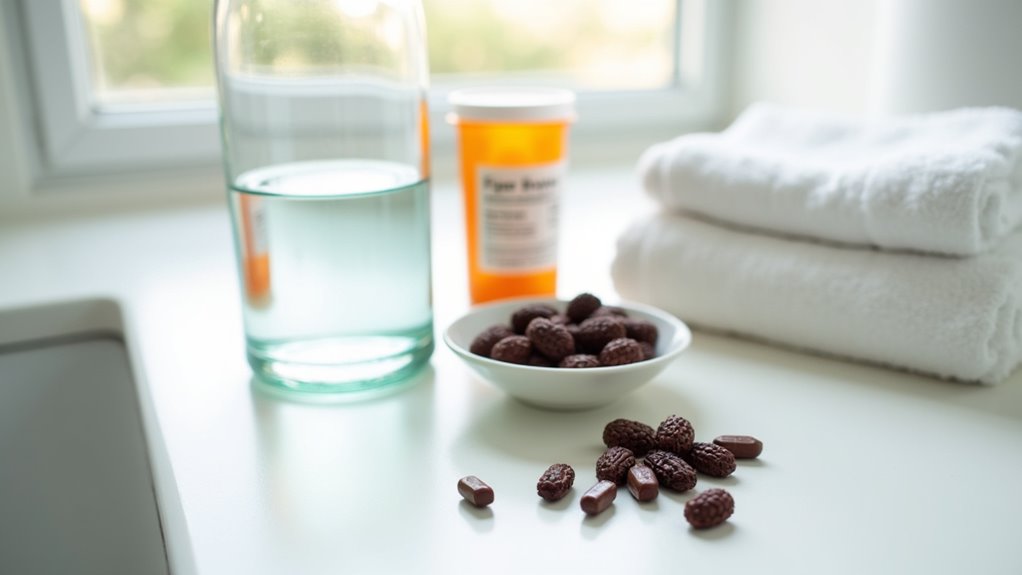
Several key mechanisms link alcohol withdrawal to constipation, creating a complex interplay of physiological disruptions. When you stop drinking, your body’s gastrointestinal motility dramatically shifts from alcohol-induced diarrhea to a sluggish digestive state. This change occurs primarily because alcohol withdrawal affects your rectosigmoid area‘s muscle function and slows colonic transit time. These symptoms typically begin 4-6 hours after your last drink.
The root causes stem from multiple factors: your body’s dehydration from alcohol’s diuretic effects, damaged nerves controlling digestion, and impaired gut muscle tone. Antidepressants and other medications commonly prescribed during withdrawal can cause slow digestive function. These physiological changes are often compounded by mitigating factors such as poor nutrition, inadequate fiber intake, and reduced fluid consumption during withdrawal. Your digestive system fundamentally “overcorrects” from alcohol’s stimulating effects, leading to constipation that may persist until your gastrointestinal tract readjusts to functioning without alcohol. The physical and emotional stress during withdrawal can trigger digestive system slowdown, further contributing to constipation symptoms.
Essential Hydration Strategies for Relief
Track your daily fluid intake by keeping a log of all beverages consumed, aiming for at least 8-10 cups (2-2.5 liters) of water throughout each day during alcohol withdrawal. You’ll optimize your hydration by incorporating a mix of plain water, electrolyte solutions, and hydrating foods like cucumber or watermelon into your daily routine. To maintain proper digestive function and prevent constipation, make certain you’re spacing your fluid consumption evenly across the day rather than consuming large amounts at once. Since alcohol acts as a strong diuretic, maintaining consistent hydration is essential for preventing severe withdrawal complications and supporting your body’s natural healing processes. Proper hydration helps your body recover from gut inflammation caused by long-term alcohol consumption. The combination of high-alcohol beverages and dehydration can lead to reduced bowel motility, making proper fluid intake crucial for preventing constipation during withdrawal.
Track Daily Fluid Goals
Maintaining proper fluid balance during alcohol withdrawal requires systematic tracking of daily hydration goals. You’ll need to consume 2-3 liters of fluids daily, though your exact requirements depend on factors like maturity, body size, and underlying health conditions. Clear intake tracking through a hydration log or mobile app helps confirm you’re meeting personalized hydration goals. Licensed healthcare providers can help determine your specific hydration needs during residential treatment programs. Monitor your hydration status by checking urine color – pale yellow indicates adequate hydration, while dark urine suggests dehydration. Since alcohol withdrawal causes autonomic hyperactivity, increasing fluid intake is crucial to offset excessive sweating. Track your daily weight and watch for dehydration symptoms like dry mouth, rapid heartbeat, or dizziness when standing. Consider incorporating beverages containing sodium and potassium to maintain essential electrolyte levels. If you have kidney, heart, or liver conditions, you’ll need medical oversight to adjust your fluid targets appropriately. Document your intake at regular intervals throughout the day to maintain ideal digestive function during withdrawal.
Mix Hydrating Drink Options
Diversifying your fluid intake with strategic drink choices plays a crucial role in managing constipation during alcohol withdrawal. Through targeted electrolyte replenishment and nutrient dense hydration options, you’ll support excellent digestive function while easing withdrawal symptoms. Proper electrolyte balance is essential for effective withdrawal treatment and symptom management. Vitamin supplement drinks can help restore depleted nutrient levels common in alcohol dependency. Since withdrawal symptoms typically peak within 72 hours after the last drink, maintaining consistent hydration during this critical period is crucial.
Mix these science-backed beverages throughout your day:
- Room temperature electrolyte drinks to restore essential minerals and prevent dangerous imbalances that can worsen constipation
- Caffeine-free herbal teas to promote gentle digestion and maintain steady hydration without irritating your GI tract
- Diluted fruit juices blended with water to provide natural sugars and fluids while minimizing digestive distress
- Nutrient-rich smoothies made with hydrating produce to deliver fiber, electrolytes, and vitamins that support bowel regularity
Remember to avoid carbonated, heavily caffeinated, or extremely cold beverages that could aggravate your digestive system.
Dietary Changes That Support Regular Bowel Movements

When experiencing alcohol withdrawal, making strategic dietary modifications can markedly improve bowel function and reduce constipation symptoms. You’ll want to focus on fiber-rich snack ideas like fresh berries, nuts, and whole grain crackers, while incorporating nutrient-dense meal options such as quinoa bowls with legumes and leafy greens. Aim for 25-38g of fiber daily through consistent meal timing and balanced portions. Since peristalsis is affected during alcohol withdrawal, maintaining regular meal times helps restore normal digestive muscle contractions. Heavy drinkers often make poor dietary choices that include foods with high salt content, which can worsen digestive issues. The body requires extra nutrients during detox as vitamin deficiencies are common in those withdrawing from alcohol.
| Food Category | Benefits | Serving Size | Daily Goal |
|---|---|---|---|
| Whole Grains | Bulk-forming fiber | ½ cup cooked | 3-4 servings |
| Legumes | Soluble/insoluble fiber | ½ cup cooked | 2-3 servings |
| Fresh Produce | Hydration + nutrients | 1 cup raw | 5-7 servings |
| Healthy Fats | Digestive lubrication | 1-2 tbsp | 2-3 servings |
Combine these dietary changes with adequate hydration and regular physical activity to optimize bowel regularity during withdrawal.
Natural Remedies and Supplements for Digestive Health
Building upon proper dietary habits, natural remedies, and supplements offer supplemental support for digestive health during alcohol withdrawal. You’ll find diverse options with gut healing properties that assist in regulating bowel function during this challenging shift.
Natural remedies complement a healthy diet to support digestive wellness during alcohol withdrawal, offering healing solutions for gut regulation and recovery.
- Herbal teas like ginger, peppermint, and chamomile work synergistically to reduce inflammation, relax intestinal muscles, and soothe digestive discomfort.
- Hydration aids such as lemon water and electrolyte solutions help maintain proper fluid balance essential for healthy bowel movements.
- Probiotic-rich foods, including yogurt, kefir, and fermented vegetables restore beneficial gut bacteria compromised by alcohol use.
- Strategic supplements like omega-3 oils, magnesium, and psyllium husk provide gentle support for intestinal motility while promoting regular elimination.
Consider incorporating these natural solutions gradually, allowing your body to adjust while supporting your digestive system’s recovery.
Physical Activity’s Role in Managing Constipation

Regular physical activity serves as a powerful intervention for managing constipation during alcohol withdrawal, particularly through its direct effects on gastrointestinal motility and digestive function. You’ll find that engaging in moderate aerobic exercises for 150 minutes weekly can greatly improve your bowel movements by enhancing intestinal muscle contractions and increasing blood flow to your digestive organs.
Starting with light movement regimens, such as 10-15 minute walks after meals, can effectively stimulate peristalsis while strengthening your abdominal muscles. Your adherence to exercise routines helps establish predictable bowel patterns and reduces inflammation in the digestive tract. For the best results, time your physical activity about an hour after meals, and incorporate both cardiovascular exercises and muscle-strengthening activities at least twice weekly. Research shows this approach can reduce your constipation risk while supporting overall digestive health.
Medical Treatment Options During Detox
Beyond physical activity, extensive medical treatment forms the backbone of managing constipation during alcohol withdrawal. Under careful medication monitoring protocols, healthcare providers implement targeted interventions while withdrawal management staffing guarantees continuous observation of your digestive health.
Your medical team will typically employ these evidence-based treatments:
- Prescription of appropriate laxatives and stool softeners to promote regular bowel movements
- Implementation of strategic hydration protocols to combat dehydration-induced constipation
- Careful review and adjustment of medications that might contribute to bowel irregularity
- Integration of dietary modifications emphasizing high-fiber foods and proper nutrient balance
These interventions occur within a complete detoxification program where your care team continuously monitors critical signs and adjusts treatments based on your body’s response to ensure ideal digestive function throughout withdrawal.
Timeline and Expected Recovery Process
You’ll likely experience constipation and bloating within the initial 6-12 hours after stopping alcohol, with symptoms peaking during the 24-72 hour window as your digestive system adapts to withdrawal. Your gastrointestinal symptoms typically persist through the primary week, though you’ll start seeing improvement in bowel function as inflammation subsides and gut flora begins rebalancing. By week 4, you can expect substantial relief from constipation and a return to normal bowel patterns, provided you maintain proper hydration and a balanced diet.
Symptoms Day by Day
When alcohol withdrawal begins, your body enters a complex recovery phase that follows a predictable timeline of digestive symptoms. During the initial week, you’ll experience distinct symptom patterns and recovery milestones that affect your digestive system, particularly your bowel function.
- Days 1-3: You’ll notice constipation onset, dehydration effects, and possible abdominal pain as your gut motility slows
- Days 3-7: Your gut microbiome begins recovering, causing temporary bloating and shifting bowel patterns
- Weeks 2-4: Your bowel movements start normalizing, though bloating may persist as inflammation subsides
- One Month+: You’ll typically experience resolution of most constipation symptoms, unless underlying conditions exist
Throughout this timeline, your digestive system gradually recalibrates, though individual recovery speeds can vary based on factors like alcohol use duration and pre-existing conditions.
Relief and Recovery Progression
During alcohol withdrawal, your gastrointestinal system follows a predictable recovery pattern that typically spans several weeks to months. You’ll notice constipation symptoms within 4-6 hours after your last drink, but with proper monitoring regimen and nutrition adjustments, improvement begins around day 3-7.
| Timeline | GI Changes | Recovery Actions |
|---|---|---|
| Days 1-3 | Constipation onset | Increase water, start fiber intake |
| Days 3-7 | Initial improvement | Add probiotics, light exercise |
| Weeks 2-4 | Significant recovery | Maintain nutrition plan |
Warning Signs and When to Seek Help
Recognizing the warning signs of severe constipation during alcohol withdrawal can prevent dangerous complications and guarantee timely medical intervention. Your personal awareness of these symptoms plays an essential role in determining when to activate emergency protocols.
You should seek immediate medical attention if you experience:
- No bowel movements for several days coupled with increasing abdominal distension
- Sharp abdominal pain with inability to pass stool or gas
- Dark, tarry stools or visible blood in your bowel movements
- Persistent vomiting accompanied by severe dehydration symptoms
Pay particular attention if these symptoms occur alongside withdrawal-specific issues like confusion or hallucinations. Remember, alcohol withdrawal can profoundly disrupt your digestive system’s normal function, and severe constipation may signal potentially dangerous complications requiring urgent medical evaluation.
Lifestyle Modifications for Long-term Gut Health
Beyond managing acute withdrawal symptoms, sustained gut health requires extensive lifestyle adjustments that support your digestive system’s recovery. During alcohol addiction recovery, you’ll need to focus on gut microbiome restoration through specific dietary changes and physical activity patterns.
Start by increasing your intake of probiotic-rich foods like yogurt, kefir, and fermented vegetables while incorporating prebiotics such as garlic and asparagus. You’ll want to maintain consistent hydration with 8-10 cups of water daily, supplemented by soothing herbal teas. Regular exercise, particularly 150 minutes of weekly aerobic activity, helps regulate bowel movements and reduces withdrawal symptoms. Structure your meals around high-fiber whole foods while limiting processed items and artificial additives. These modifications, combined with proper sleep hygiene and sustained abstinence, create ideal conditions for your digestive system’s healing.
Building a Comprehensive Treatment Plan
To effectively manage constipation during alcohol withdrawal, an all-encompassing treatment plan must integrate multiple therapeutic approaches simultaneously. Your healthcare team will conduct an initial clinical assessment to determine the severity of your symptoms and develop a personalized strategy that addresses both immediate relief and long-term gut health.
- Medical supervision with prescription medications when needed, including osmotic laxatives for severe cases
- Daily nutrition protocol emphasizing fiber-rich foods, prunes, and adequate hydration with 8-10 glasses of water
- Structured physical activity schedule incorporating gentle walking and stretching to stimulate peristalsis
- Regular monitoring of bowel movements and symptom progression through scheduled follow-up appointments
This thorough approach guarantees proper symptom management while supporting your digestive system’s recovery during the withdrawal process. Your treatment plan will be adjusted based on your response and changing needs throughout rehabilitation.
Your Body Deserves Proper Care During Withdrawal
If you are going through alcohol withdrawal and struggling with constipation, it is a sign that your body is working hard to recalibrate after years of damage that alcohol has quietly been causing from the inside. At our alcohol rehab center, we understand how uncomfortable and confusing every physical symptom of withdrawal can feel, and we are here to help you find the right answers and the right support. Constipation during alcohol withdrawal happens because alcohol disrupts the digestive system over time, and as your body adjusts to functioning without it, things like bowel movements, hydration, and gut health all need time and proper medical care to normalize. Whether you are just beginning withdrawal or looking for a safer and more supported path through recovery, the right help is closer than you think. Call +1-855-955-0771 today and let us help you take that first step toward healing, completely confidential and ready to help.
Frequently Asked Questions
Can Constipation During Alcohol Withdrawal Affect My Prescription Medication Absorption?
Yes, constipation during alcohol withdrawal can markedly impact your medication absorption. When you’re constipated, your gut’s slowed movement can lead to delayed medication absorption and impaired medication effectiveness. Your prescriptions may not work as intended if they can’t properly absorb in specific areas of your intestines. You’ll need careful monitoring, especially for medications with narrow therapeutic windows, as irregular absorption patterns could affect their safety and effectiveness in your system.
Is It Safe to Use Enemas During Alcohol Withdrawal?
No, you shouldn’t use enemas during alcohol withdrawal as they’re unsafe and can cause serious complications. Your rectal tissue is more sensitive during withdrawal, and enemas can lead to bleeding, tissue damage, or dangerous electrolyte imbalances. Instead, seek medical advice for proper constipation management. Your doctor can prescribe safer alternatives like oral laxatives or recommend dietary changes that won’t interfere with your withdrawal treatment or put you at supplemental risk.
How Does Smoking Impact Constipation During Alcohol Withdrawal?
If you’re quitting smoking during alcohol withdrawal, you’ll likely face a higher risk of constipation. Nicotine withdrawal disrupts your digestive function in several ways: it decreases gastric acid secretion, alters gut motility, and changes your gut microbiota. When combined with alcohol withdrawal, these effects can amplify constipation symptoms. You’re six times more likely to experience severe constipation when quitting both substances simultaneously, primarily due to their combined impact on your enteric nervous system.
Should I Take Probiotics Before Starting Alcohol Withdrawal?
Yes, you should start taking probiotics before withdrawal to prepare your gut. Research shows that probiotic supplement benefits include restoring healthy gut bacteria and supporting liver function during detox. Pair probiotics with adequate daily fiber intake (25-35g) to optimize their effectiveness. Look for supplements containing Bifidobacterium bifidum and Lactobacillus plantarum strains, as they’ve shown measurable improvements in digestive health during withdrawal. Always consult your healthcare provider before starting any supplements.
Can Constipation Cause Delirium Tremens or Worsen Withdrawal Symptoms?
While constipation doesn’t directly cause delirium tremens, it can worsen your withdrawal symptoms. You’ll experience increased intestinal inflammation and electrolyte imbalances from constipation, which may intensify your withdrawal discomfort. These digestive complications can lead to dehydration and heightened physical stress during detox. Though not a DT trigger, severe constipation might complicate your withdrawal by disrupting your body’s fluid balance and increasing comprehensive physiological strain during this critical period.