
An alcohol detox rash typically lasts 4 to 7 days, though you may experience symptoms for up to two weeks if you’ve been a heavy, long-term drinker. Your skin reacts during withdrawal because of nutritional deficiencies, immune system changes, dehydration, and the rebound of your suppressed nervous system. Histamine release and inflammatory responses trigger the itching, redness, and flushing you’re experiencing. Understanding your specific risk factors and treatment options can help you manage these symptoms effectively.
Typical Duration of Alcohol Detox Rash and Recovery Timeline
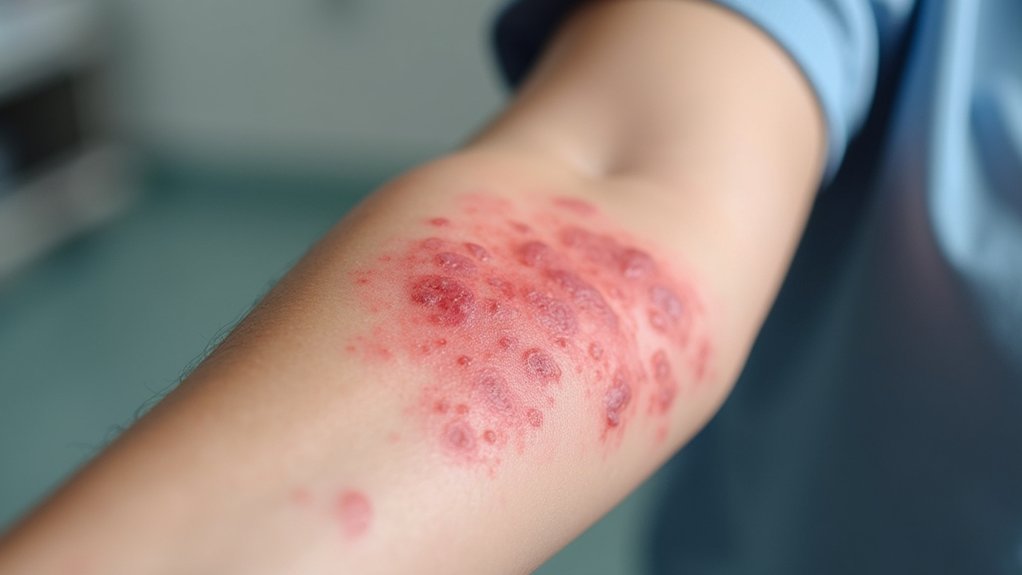
When you stop drinking alcohol, your body begins a predictable withdrawal process that typically unfolds over 3-7 days. Skin-related symptoms, including rash, follow typical detox timeline patterns. You’ll likely notice initial symptoms within 6-12 hours after your last drink, with peak intensity occurring at 48-72 hours.
Most physical symptoms, including skin manifestations, improve considerably after 72 hours and resolve within 4-7 days. The impact of individual factors, including your drinking history, age, and overall health, can extend this timeline up to 2 weeks for heavy, chronic users. During peak severity at 2-3 days, more serious complications like delirium tremens and seizures may occur, which is why medical supervision during detox is essential.
Research shows the average detox completion takes 4.83 days. However, you should expect full physical resolution within 7-10 days, though some individuals experience lingering symptoms beyond one week.
Primary Causes and Mechanisms Behind Alcohol Withdrawal Skin Reactions
Understanding why your skin reacts during alcohol withdrawal helps you manage symptoms more effectively and know when to seek medical attention.
Several interconnected mechanisms drive these skin reactions. Chronic alcohol use depletes essential nutrients like zinc, niacin, and vitamin A, creating nutritional deficiency implications that impair your skin’s barrier function and repair processes. Simultaneously, your body experiences altered immune responses as histamine release and inflammatory cytokines trigger itching, redness, and flushing.
Alcohol depletes vital nutrients like zinc and vitamin A while triggering inflammatory responses that cause itching, redness, and flushing.
Your central nervous system also contributes greatly. When you stop drinking, the suppressed GABA-glutamate balance rebounds, causing neuronal overexcitation that heightens skin sensitivity. Dehydration compounds these effects by stripping moisture from your skin. Because withdrawal symptoms can escalate unpredictably, medical supervision is essential when using benzodiazepines to safely manage the detox process and prevent seizures.
If you have alcohol-related liver damage, accumulated bile salts directly stimulate nerve endings, producing persistent pruritus that requires targeted medical intervention. In severe cases of withdrawal, some individuals experience tactile hallucinations that create crawling or stinging sensations on the skin, a condition known as alcoholic hallucinosis. Research also shows that alcohol and its metabolites can aggravate skin conditions through the skin-gut axis, affecting microbiota balance and promoting inflammation throughout the body.
Risk Factors That Increase Your Chances of Developing a Detox Rash
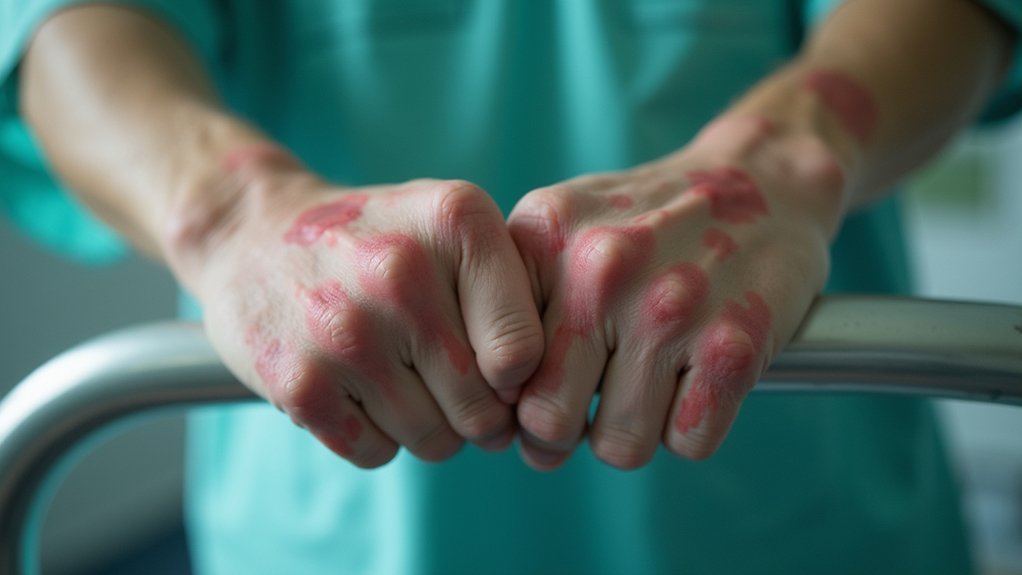
Your risk of developing a rash during alcohol detox increases considerably if you have a history of chronic heavy drinking, as prolonged alcohol use intensifies withdrawal severity and systemic inflammation. Pre-existing skin conditions like eczema, psoriasis, or contact dermatitis often flare under the physiological stress of detoxification, making you more susceptible to visible skin reactions. Studies suggest that patients with inflammatory skin diseases, including eczema and psoriasis, are frequently heavy alcohol drinkers, which compounds the risk during detox. Additionally, if you have liver disease complications from alcohol use, impaired toxin clearance and bile salt accumulation can trigger or worsen pruritus and rashes during the detox process. Chronic alcohol consumption also suppresses the immune system, increasing your susceptibility to allergic reactions and inflammatory skin responses when you stop drinking. Individuals over age 65 face heightened risk of severe withdrawal symptoms, including skin manifestations, due to age-related changes in body chemistry and metabolism.
Chronic Heavy Drinking History
Because prolonged excessive alcohol consumption fundamentally alters your body’s physiological systems, it stands as one of the strongest predictors of developing a detox rash. Your exposure duration patterns directly correlate with skin barrier deterioration and immune dysregulation. Drinking heavily for over five years increases immune dysfunction by 50%, while decade-plus consumption triples your rash incidence during withdrawal.
| Risk Factor | Impact on Rash Development |
|---|---|
| 5+ years heavy use | 50% heightened immune dysregulation |
| 10+ years consumption | 3x greater rash incidence |
| Multiple prior detoxes | 200% amplified acute rash risk |
Your prognosis after relapse worsens drastically with each detox attempt. The kindling effect intensifies symptoms, and chronic relapse patterns raise pruritus risk fourfold in subsequent withdrawal episodes. This occurs because your brain stays in an overactive state when alcohol levels suddenly drop, triggering inflammatory responses that manifest on your skin. While most people make a full recovery from withdrawal, skin-related symptoms like rash and irritation may persist for months alongside other lingering effects such as sleep disturbances and mood changes.
Pre-Existing Skin Conditions
When you enter alcohol detox with an existing skin condition, your risk of developing a rash increases substantially because your skin’s protective mechanisms are already compromised. Conditions like eczema, psoriasis, and rosacea involve impaired skin barrier function that makes you vulnerable to detox-related dehydration and stress responses.
If you have chronic urticaria or atopic tendencies, withdrawal-induced histamine release and autonomic changes can trigger widespread wheals and erythema. Underlying triggers such as diabetes, thyroid disorders, or kidney disease compound this risk through baseline pruritus and xerosis that intensify during fluid and electrolyte shifts. In malnourished patients with alcohol abuse history, vitamin C deficiency should be considered as a potential cause of skin manifestations, as it can lead to perifollicular hemorrhages and capillary fragility.
Contact dermatitis sufferers face additional challenges, as increased sweating and sensitivity to detox medications or topical treatments can provoke irritant reactions easily mistaken for withdrawal-specific rashes. Those who have combined alcohol with opiates or benzodiazepines may experience more complex withdrawal responses that further stress the skin’s integrity and healing capacity.
Liver Disease Complications
Chronic liver damage from heavy alcohol use markedly raises your odds of developing a rash during detox. Advanced fibrosis or cirrhosis impairs bilirubin processing and toxin clearance, allowing pruritogens like bile acids to accumulate in your skin. This buildup triggers intense itching, excoriations, and inflammatory eruptions. Your liver’s reduced ability to synthesize albumin and clotting factors also promotes edema, bruising, and petechiae that may resemble detox rashes. Additionally, liver damage increases your sensitivity to alcohol and drugs because the compromised organ cannot process these substances effectively, potentially intensifying skin reactions during the detox process. When cirrhosis progresses to its most advanced stage, the damage cannot be reversed, making early intervention critical for preventing severe skin complications during detox.
Key liver-related factors increasing your rash risk include:
- Cholestasis causing bile acid accumulation and severe pruritus
- Heightened systemic inflammation from cytokines like TNF-α and IL-6
- Impaired immune complex clearance leading to vasculitic skin changes
- Compromised fat-soluble vitamin absorption weakening barrier function enhancement
- Nutritional deficits requiring micronutrient supplementation to support skin repair
Since individuals with alcohol-related liver disease are often malnourished, seeking specialized dietary advice from healthcare professionals can help address deficiencies that exacerbate skin complications during detox.
Recognizing the Difference Between Mild Rash and Medical Emergency
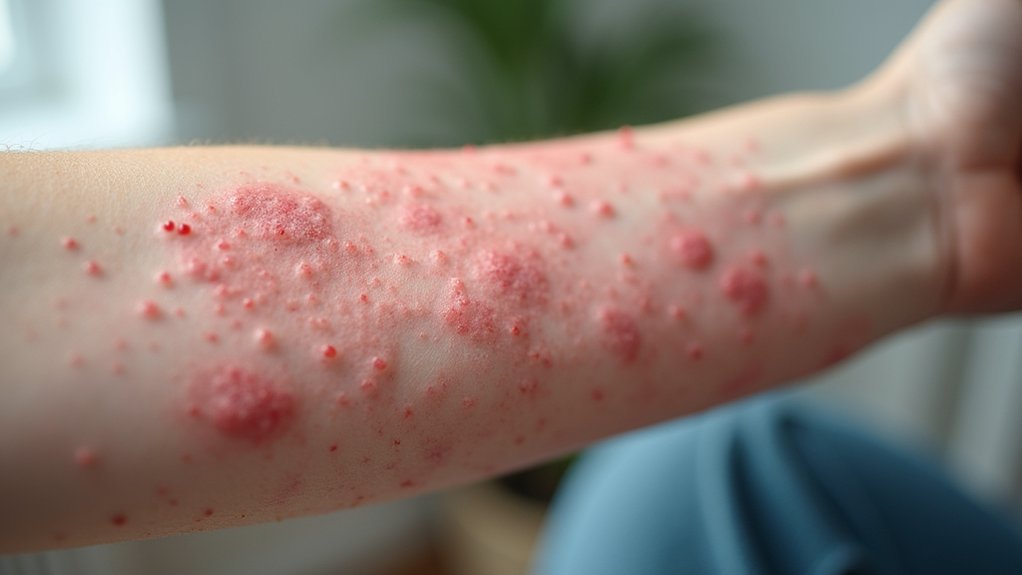
Although most skin changes during alcohol detox remain mild and self-limiting, recognizing when a rash signals a medical emergency can save your life. Mild detox rashes typically present as localized redness, small bumps, or hives confined to specific areas without systemic symptoms. You’ll notice they often accompany other mild withdrawal signs like anxiety and nausea.
Managing acute reactions requires knowing the red flags. Seek immediate medical care if your rash appears with confusion, rapid heartbeat, fever, or breathing difficulties. Petechiae, pinpoint red-purple dots, or bruiselike patches warrant urgent evaluation. Monitoring progression matters most during peak withdrawal (24, 72 hours), when serious complications emerge. A sudden shift from stable itching to rapidly spreading, painful rash indicates transformation from benign to urgent. Any rash with altered mental status constitutes a potential emergency.
Effective Treatment and Management Strategies for Detox-Related Skin Issues
When you’re dealing with a detox-related rash, you’ll find relief through a combination of gentle skincare practices, like fragrance-free emollients, lukewarm baths with colloidal oatmeal, and cool compresses, alongside appropriate medications such as antihistamines or low-potency topical corticosteroids when needed. Supporting your skin’s recovery also means staying well-hydrated, eating a nutrient-rich diet, and correcting any vitamin deficiencies common in alcohol use disorder. You should seek medical care promptly if your rash spreads rapidly, blisters develop, you experience difficulty breathing, or symptoms don’t improve within a few days of starting treatment. If your CIWA score reaches 10 or higher, medical professionals may administer benzodiazepines like diazepam to manage withdrawal symptoms that could be contributing to skin issues. For individuals with serious alcohol use disorder, residential treatment programs offer comprehensive care that includes medical monitoring during detox, which can help manage skin complications alongside other withdrawal symptoms.
Symptomatic Relief Options
Because alcohol detox places significant physiological stress on the body, skin-related symptoms often require a multi-pronged approach that addresses both immediate discomfort and underlying causes.
You can manage detox-related skin issues through several evidence-based interventions:
- Non-sedating antihistamines (cetirizine, loratadine) effectively reduce histamine-mediated itching and hives without causing significant drowsiness
- Topical steroid application with low-potency hydrocortisone decreases inflammation and erythema when used short-term on affected areas
- Cool compresses or colloidal oatmeal baths provide immediate soothing through vasoconstriction and physical relief
- Bland emollients containing ceramides or petrolatum restore your skin barrier and reduce itch signaling
- Minimizing irritant exposures by avoiding fragranced products, hot showers, and alcohol-based skincare prevents flare-ups
Your healthcare provider may also prescribe sedating antihistamines for nighttime relief when sleep disruption accompanies severe pruritus.
When to Seek Care
How quickly should you contact a healthcare provider if skin symptoms develop during alcohol withdrawal? Your emergency response depends on severity and timing. Rashes appearing within 12, 48 hours of cessation signal potential escalation toward serious complications like delirium tremens or liver failure.
Seek immediate medical attention if you experience severe itching, widespread hives, or flushing alongside withdrawal symptoms. These presentations meet referral criteria for professional evaluation, as they may indicate underlying organ dysfunction requiring urgent intervention.
You should present to an emergency department if symptoms worsen despite home management or persist beyond several days. Healthcare providers will assess liver function and monitor for seizure risk. Following discharge, schedule a follow-up appointment within 24 hours with your care provider to guarantee proper symptom resolution and prevent complications from escalating undetected.
When to Seek Professional Medical Evaluation for Persistent Symptoms
Although most skin symptoms during alcohol detox resolve within the first week, certain warning signs demand immediate medical attention. You should seek urgent evaluation if your rash spreads rapidly, blisters, or develops purple discoloration. Monitoring for systemic involvement becomes critical when skin changes accompany fever, confusion, or breathing difficulties.
Skin symptoms that spread rapidly, blister, or appear with fever and confusion require immediate medical evaluation during detox.
Seek professional evaluation when experiencing:
- Rash persisting beyond 7, 10 days after your last drink
- Jaundice, dark urine, or generalized itching suggesting liver involvement
- Easy bruising, bleeding gums, or widespread petechiae
- Numbness, burning, or tingling alongside skin symptoms
- Recurrent hives with each detox attempt
Consulting specialists as needed guarantees proper diagnosis of underlying conditions. Dermatologists, hepatologists, or allergists can identify whether your symptoms reflect liver disease, neuropathy, or immune-related conditions requiring targeted treatment.
Long-Term Skin Health and What to Expect During Alcohol Recovery
Beyond the acute symptoms that warrant medical evaluation, understanding your skin’s recovery timeline helps set realistic expectations for the months ahead.
During the first week, you’ll notice improved skin hydration as deeper sleep restores moisture levels. Conditions like eczema and rosacea begin stabilizing. By weeks two through four, facial puffiness decreases, your jawline becomes more defined, and skin texture smooths considerably.
Between months one and three, cellular repair accelerates. Your liver sheds excess fat, improving toxin filtration and skin clarity. Acne diminishes as hormones stabilize, and scars fade faster through enhanced cell turnover.
Frequently Asked Questions
Can I Use Over-The-Counter Antihistamines to Help With Alcohol Detox Rash Itching?
Yes, you can use over-the-counter antihistamines as a rash treatment option for alcohol detox itching. They’re effective for urticaria and pruritus symptoms that withdrawal triggers. However, rash management techniques should include staying hydrated and using fragrance-free moisturizers alongside antihistamines. You’ll want to consult your doctor before use due to potential medication interactions. If your rash persists or you’re experiencing severe withdrawal symptoms, seek professional medical evaluation immediately.
Will My Detox Rash Leave Permanent Scars or Skin Discoloration After Healing?
Your detox rash typically won’t leave permanent scars or skin discoloration if you avoid scratching and keep skin moisturized. Causes of skin discoloration include secondary infections and severe inflammation from repeated trauma. Factors affecting rash severity, like scratching intensity and underlying skin conditions, determine healing outcomes. Petechiae, hives, and contact dermatitis generally resolve without lasting marks. You should seek medical evaluation for persistent irritation to guarantee proper healing.
Does the Type of Alcohol I Drank Affect What Kind of Rash Develops?
Yes, the type of alcohol you consumed influences your rash characteristics. Beverage composition matters enormously, red wine’s high histamine content often triggers hives and facial flushing, while beer’s grain-based allergens may cause eczema-like eruptions. Darker spirits containing more congeners tend to intensify inflammatory skin responses. If you’ve primarily consumed sulfite-rich wines, you’re more likely to develop urticaria. Understanding which beverages you consumed helps your healthcare provider predict and manage your specific detox skin reactions.
Can I Shower Normally During Detox or Will Water Worsen My Rash?
You can shower during detox, but you’ll need to take precautions. Use lukewarm water applications rather than hot water, which can worsen dryness and itching. Practice gentle cleansing with fragrance-free, hypoallergenic soaps to minimize irritation. Keep showers brief, 5-10 minutes maximum, and pat your skin dry instead of rubbing. Apply a fragrance-free moisturizer immediately afterward. These steps help maintain your skin barrier without aggravating your rash.
Is It Safe to Exercise While Experiencing an Alcohol Detox Rash?
You should avoid strenuous exercise during alcohol detox rash due to temporary skin sensitivity and increased sweating that can aggravate irritation. If your doctor approves, you can try a light exercise routine like gentle walking once symptoms stabilize. However, stop immediately if itching worsens or you experience dizziness. During the 48-72 hour peak phase, prioritize rest over physical activity and maintain proper hydration throughout your recovery.