
Current evidence shows there’s no completely safe level of alcohol consumption, with health risks beginning at just one drink per day. You’ll face increased cancer risks with each alcoholic beverage, as alcohol is classified as a Group 1 carcinogen. While light drinking (less than 1 drink daily) presents minimal risks, moderate to heavy drinking drastically raises your chances of organ damage, cognitive dysfunction, and medical emergencies. Understanding the specific impacts can help you make informed decisions about consumption.
The Truth About Safe Drinking Levels
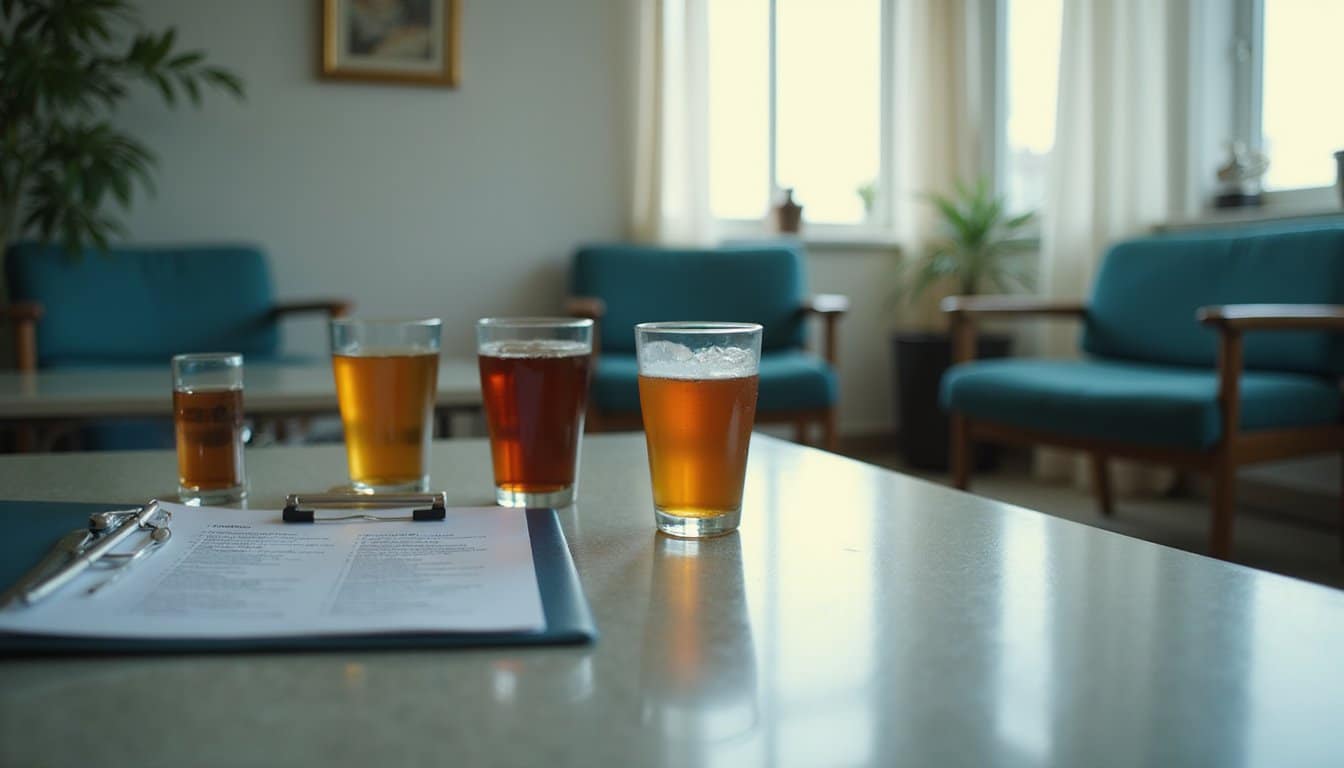
Despite longstanding beliefs about “safe” drinking thresholds, current scientific evidence indicates that no level of alcohol consumption can be considered risk-free. Your health risks begin with as little as one standard drink per day, equivalent to 14g of ethanol, regardless of the beverage type you choose. Cancer risk increases significantly with every drink consumed, regardless of the quality or price of the alcoholic beverage.
Recent risk assessment challenges have led major health organizations, including the WHO, to revise their stance on alcohol consumption. There’s growing recognition that previously established guidelines may have underestimated potential undiscovered health effects. With past-month drinking affecting 134.3 million Americans ages 12 and older, the scale of potential health impacts is concerning. You’ll face increased risks of numerous conditions, including liver disease, certain cancers, and injuries, even at consumption levels once deemed “moderate.” The scientific consensus now emphasizes minimizing alcohol intake as much as possible, as the relationship between consumption and health risks follows a dose-dependent pattern. Women face higher mortality risks when consuming three or more drinks per day, with death rates reaching 66.9 per 1,000.
Understanding Alcohol as a Carcinogen
While many people associate carcinogens primarily with tobacco and industrial chemicals, alcoholic beverages rank among the most significant cancer-causing substances known to science. The International Agency for Research on Cancer classifies it as a Group 1 carcinogen, alongside asbestos and tobacco smoke. Less than half of Americans are aware that alcohol is a known carcinogen.
You’re exposed to multiple cancer-promoting mechanisms when you consume alcoholic drinks. Alcohol’s primary metabolite, acetaldehyde, directly damages your DNA, while alcohol-induced oxidative stress creates harmful reactive oxygen species. Your body’s natural DNA repair processes become compromised through chronic consumption, especially if you carry genetic mutations like BRCA1/BRCA2. Even low alcohol intake has been linked to increased cancer risks, particularly in women who consume as little as half a drink per day.
The evidence links alcohol to seven major cancer types, including mouth, throat, breast, and liver cancers. Your risk increases proportionally with consumption, and alcohol’s impact on DNA repair can amplify the carcinogenic effects of other environmental toxins. In the United States alone, alcohol consumption contributes to approximately 100,000 cancer cases and 20,000 cancer-related deaths annually.
Light vs. Heavy Drinking: Health Impacts

Understanding the health impacts of alcohol requires distinguishing between light and heavy drinking patterns, as their effects on the body differ markedly. While light drinking (less than one drink daily) shows minimal cancer risk reduction and may slightly lower cardiovascular disease risk in some populations, it’s not risk-free. You’ll still face increased risks for certain cancers and potential mental health impacts. For those aged 15-49, alcohol consumption is the leading risk factor for death and disability worldwide. According to dietary guidelines, moderate drinking limits are no more than 2 drinks per day for men and 1 drink per day for women.
Heavy drinking (10-40 drinks weekly) presents considerably greater dangers. Heavy drinkers often underestimate their level of impairment due to lower perceived intoxication. You’re more likely to experience severe health consequences, including augmented cancer risks, liver disease, and cognitive impairment. Though heavy drinkers may develop some tolerance for basic motor tasks, they remain vulnerable to complex cognitive deficits. The data suggests heavy drinking contributes substantially to global mortality, with 2.8 million deaths attributed to alcohol in 2016, particularly among men.
Short-Term Effects on Body and Mind
As alcohol enters your bloodstream, it triggers a cascade of short-term effects that impact both cognitive and physiological function. Your judgment becomes impaired after 4-6 units, while your reaction time slows even with low doses, greatly increasing driving impairment risk. Core body temperature drops as blood vessels dilate, despite feeling warm, and increased urination leads to dehydration. Similar to how security solutions detect suspicious activity in web systems, your body actively responds to rising alcohol levels with protective mechanisms. The nervous system becomes significantly affected, leading to slurred speech patterns. The disruption of brain’s communication pathways causes noticeable changes in mood and behavior.
Key progressive effects of rising blood alcohol include:
- Vision deterioration with poor distance estimation and delayed eye movement
- Declining motor coordination, leading to heightened physical injury risk
- Cognitive dysfunction, causing confusion and memory lapses
Your body’s crucial systems become compromised as intoxication advances, potentially leading to serious medical emergencies, including seizures, respiratory depression, and loss of consciousness. Even moderate intake can trigger significant sensory and motor skill impairments that endanger your safety.
Long-Term Medical Consequences

Regular alcohol consumption inflicts widespread damage across multiple organ systems, with severity correlating directly to frequency and volume of intake. Your cardiovascular system faces heightened risks of hypertension, cardiomyopathy, and heart failure, while your liver becomes vulnerable to fatty deposits, inflammation, and cirrhosis when consuming over 6 drinks daily. The WHO has emphasized the urgent need to strengthen alcohol control policies worldwide due to excessive consumption patterns. Studies show that seven cancer types are directly linked to alcohol consumption. Attempting to access reliable health information about alcohol risks may be limited as some websites like adcare.com use strict security measures.
Brain and nervous system impairment manifests through accelerated brain atrophy, cognitive decline, and memory deficits. You’ll experience muscle deterioration and weakness, with 40-60% of heavy drinkers developing alcoholic myopathy. Your endocrine system suffers too, leading to hormonal disruptions and increased diabetes risk. Drinking just 1-2 drinks daily raises your osteoporosis risk by 34%. With alcohol linked to over 60 medical conditions and 3 million annual deaths globally, there’s no established safe level for long-term consumption.
Alcohol’s Role in Cancer Development
Beyond the organ damage already discussed, alcohol’s carcinogenic properties present a grave public health concern. As a Group 1 carcinogen, alcohol damages your DNA through multiple mechanisms, particularly when ethanol metabolizes into toxic acetaldehyde. The evidence shows clear dose-dependent risks, with even moderate consumption increasing cancer probability.
Alcohol’s DNA-damaging properties make it a potent carcinogen, with cancer risks rising even at moderate consumption levels.
Your risk considerably increases for:
- Oral and throat cancers (up to 5x higher in heavy drinkers)
- Breast cancer (4-60% increased risk, depending on consumption)
- Liver and colorectal cancers (20-50% higher risk with regular use)
Socioeconomic disparities compound these risks, as alcohol outlets concentrate in lower-income areas. You should know there’s no safe consumption threshold for completely eliminating cancer risk, with substantial dangers emerging at just two drinks per day.
Pregnancy and Fetal Health Risks
Every pregnant woman should know that alcohol poses severe risks to fetal development, with no established safe consumption threshold. When you drink alcohol during pregnancy, it readily crosses the placenta and accumulates in amniotic fluid, leading to prolonged fetal exposure. Your maternal alcohol consumption can damage all developing organ systems, particularly the brain and central nervous system.
Fetal alcohol effects can occur at any stage of pregnancy, from early embryonic development through all trimesters. You’ll find these impacts range from mild to severe, including increased risks of miscarriage, stillbirth, and Fetal Alcohol Spectrum Disorders (FASD). Even low or moderate drinking can harm your developing baby, as alcohol acts as a teratogen, disrupting cellular processes and gene expression. The safest choice is complete abstinence throughout pregnancy.
Social and Community Health Costs
While alcohol’s devastating effects on individual and fetal health are clear, its societal impact creates an enormous economic burden across communities. The total annual social cost reaches £55.1 billion in England alone, with alcohol consuming up to 15% of national healthcare budgets worldwide. Unmet emotional needs and premature deaths attributable to alcohol strain both families and healthcare systems.
Alcohol’s staggering £55.1 billion annual cost in England highlights its devastating toll on communities, healthcare systems and families.
The most significant economic impacts include:
- Lost productivity costs of £7.3 billion annually through workplace accidents and absenteeism
- Crime-related expenses of £14.58 billion yearly, with alcohol involved in half of serious violent crimes
- Healthcare expenditures doubling for individuals with untreated alcohol use disorder
These costs far exceed alcohol tax revenues, while communities bear additional burdens through increased emergency services, social care demands, and family disruptions that require substantial public resources.
Frequently Asked Questions
How Does Alcohol Consumption Affect Sleep Quality and Circadian Rhythms?
When you consume alcohol, you’ll experience significant sleep disruption and circadian misalignment. Your sleep architecture becomes compromised, with reduced REM sleep and increased fragmentation, particularly during the second half of the night. You’ll notice suppressed sleep efficiency, delayed sleep onset, and more frequent nighttime arousals. Your circadian rhythm destabilizes, affecting your sleep-wake cycles and hormonal patterns. These disruptions worsen with higher alcohol intake.
Can Certain Foods or Supplements Help Reduce Alcohol’s Negative Effects?
You can minimize alcohol’s negative effects through strategic supplementation and nutrient-dense superfoods. Key supplements like N-acetylcysteine (NAC) and B-complex vitamins help restore depleted nutrients, while alcohol-metabolizing supplements containing milk thistle support liver function. Focus on consuming antioxidant-rich foods, omega-3 sources, and L-glutamine-containing proteins. However, these interventions won’t completely neutralize alcohol’s harmful effects, so moderation remains essential for ideal health outcomes.
Does Genetic Makeup Influence How Individuals Process and Metabolize Alcohol?
Yes, your genetic makeup profoundly influences how you process alcohol through variations in alcohol metabolizing enzymes. Your specific genetic predisposition factors, particularly in ADH and ALDH genes, determine how quickly you convert alcohol to acetaldehyde and then to acetate. If you carry variants like ADH1B*2 or ALDH2*2, you’ll metabolize alcohol differently and may experience more intense reactions, including facial flushing, rapid heartbeat, and nausea after drinking.
How Long Does Alcohol Stay Detectable in Different Body Tissues?
Your body processes alcohol at different rates across divergent tissues. Blood alcohol content measurement shows detectability for 3-12 hours, while breath tests remain effective for 12-24 hours. You’ll find alcohol detection periods are longest in urine, lasting 12-48 hours for standard tests and up to 80 hours for EtG markers. Hair analysis can reveal your drinking patterns for up to 90 days, though it’s less useful for recent consumption assessment.
What’s the Relationship Between Alcohol Consumption and Exercise Performance?
Alcohol markedly impairs your exercise performance in multiple ways. You’ll experience endurance performance decline when blood alcohol exceeds 20 mmol/L, with reduced aerobic capacity and increased blood lactate. While moderate amounts don’t greatly affect strength, you’ll face workout recovery impairment as alcohol inhibits muscle protein synthesis and glycogen replenishment. Moreover, you’ll have decreased coordination and heightened injury risk during exercise, plus compromised muscle repair post-workout through mTOR pathway disruption.