
Current medical research indicates there’s no amount of alcohol that’s definitively healthy for your body. While previous guidelines suggested moderate drinking limits of one drink daily for women and two for men, new evidence shows health risks can begin increasing after just two drinks per week. You’ll need to ponder your personal risk factors, medical history, and lifestyle when making informed decisions about alcohol consumption. The full story behind alcohol’s health impacts reveals some surprising findings.
Current Medical Guidelines for Safe Drinking

Medical guidelines for safe alcohol consumption have changed markedly in recent years, with current U.S. recommendations limiting intake to one drink daily for women and two for men. However, these specific daily limits are expected to be removed in the 2025 guidelines, reflecting new evidence about alcohol’s health risks. Research shows that health risks can begin increasing after just two drinks per week.
You’ll find that current medical advice emphasizes personal accountability and situational risk factors rather than following a one-size-fits-all approach. If you don’t drink, medical experts advise against starting for any perceived health benefits. If you do consume alcohol, your safe consumption level depends on different factors, including your family history, ethnic background, and existing health conditions. People with East Asian heritage face significantly higher health risks from alcohol due to common genetic enzyme variations that affect metabolism. The overarching message from healthcare providers is clear: lower alcohol consumption correlates directly with reduced health risks.
Understanding Standard Drink Measurements
When you’re measuring alcohol portions at home, you might unknowingly pour more than the standard drink amount, which is precisely 14 grams of pure alcohol in the U.S. Your typical wine glass at home often holds more than the standard 5-ounce pour you’d receive at a bar, while global measurements vary considerably, from 8 grams per unit in the UK to 10 grams in Australia. Container size and strength are key factors in determining the total alcohol content of any beverage. A standard drink calculator can help you determine the exact number of standard drinks in any beverage. Common craft beers can contain twice the alcohol of regular beer. To guarantee accurate tracking of your alcohol consumption, you’ll need to measure your portions carefully, keeping in mind that higher ABV beverages require smaller serving sizes to equal one standard drink.
Measuring Your Pour Accurately
Understanding standard drink measurements requires precise knowledge of alcohol content rather than glass size or total volume. To measure your pour accurately, you’ll need to focus on ABV percentages and use consistent measurements: 12 oz for regular beer (5% ABV), 5 oz for wine (12% ABV), or 1.5 oz for spirits (40% ABV).
Pour consistency is essential for tracking alcohol intake effectively. For portion control, you can calculate standard drinks using this formula: multiply the container volume in milliliters by the ABV percentage, then divide by 17. Be aware that common serving sizes often exceed standard drink measurements, many wine pours are now higher than 12% ABV, and mixed drinks vary greatly based on recipes. Using measured pourers or jiggers guarantees accuracy and helps you maintain reliable tracking of alcohol consumption. The World Health Organization has established 10 grams of alcohol as their standard measurement for tracking global alcohol consumption patterns.
Global Drink Size Differences
Standard drink measurements vary markedly across the globe, with no universal definition existing among nations. Cultural alcohol norms and health policy implications have led countries to adopt different standards, ranging from 8 to 20 grams of pure ethanol per drink. Health experts recommend limiting intake to one drink daily for women and up to two drinks for men. Mixed drinks deserve special attention since they often contain more than one standard drink serving.
| Country | Standard Drink Size | Common Pour Example |
|---|---|---|
| USA | 14g ethanol | 12 oz beer (5% ABV) |
| UK | 8g ethanol | 8 oz beer (5% ABV) |
| Australia | 10g ethanol | 10 oz beer (5% ABV) |
You’ll find the most common global standard is 10g, used by 21 countries, including Australia and France. This variation affects how you should interpret drinking guidelines when traveling or reading international health recommendations. For example, what counts as one drink in Austria (20g) would be considered 2.5 drinks in the UK (8g). Studies show that most people tend to over-pour their drinks, leading to a significant underestimation of their actual alcohol consumption.
Home vs. Bar Portions
Although the definition of a standard drink remains consistent, actual serving sizes in bars and homes often deviate markedly from these measurements. Portion inconsistency is particularly evident in home settings, where you’ll find wine pours ranging from 6-9 ounces, significantly exceeding the standard 5-ounce serving. Without standardized measuring devices, both home and bar portions can vary substantially, leading to unintentional overconsumption. The liver’s limited capacity to process alcohol makes it especially important to track actual serving sizes accurately. Excessive drinking can occur unknowingly when portions aren’t properly measured.
- A bar’s draft beer pint (16 oz) contains 1.3 standard drinks at 5% ABV
- Home wine pours often reach nearly double the recommended 5-ounce serving
- Bar cocktails frequently incorporate multiple shots, exceeding one standard drink
- Free-pouring at home results in inconsistent measurements across all beverage types
You’ll encounter larger portions particularly in social settings, where oversized glassware and generous pours have become commonplace, making it essential to monitor your actual alcohol intake carefully.
The Reality Behind Health Claims
Many early studies painted an optimistic picture of moderate alcohol consumption’s health benefits, particularly for heart disease prevention. However, modern research reveals significant observational study limitations and confounding variables that likely skewed these results. Research shows that moderate drinking levels, defined as up to 1 drink daily for women and up to 2 for men, were previously thought to be beneficial. According to scientific evidence, standard drinks can vary from 12 ounces of regular beer to 1.5 ounces of spirits. Recent studies indicate that alcohol can metabolize into acetaldehyde damage, causing cellular and DNA disruption.
| Factor | Past Understanding | Current Evidence |
|---|---|---|
| Heart Health | Protective effect | Benefits questionable |
| Cancer Risk | Limited concern | Increased risk at any level |
| Mortality | Reduced in moderate drinkers | No longevity benefit |
You’ll find that earlier research failed to account for essential factors: moderate drinkers often maintain healthier lifestyles, exercise more, and have higher socioeconomic status. The “sick quitter effect” further complicated results, as many abstainers were former drinkers who stopped due to health issues. Current evidence suggests no amount of alcohol consumption is truly risk-free, and any potential cardiovascular benefits are outweighed by increased cancer risks.
High-Risk Groups and Special Considerations
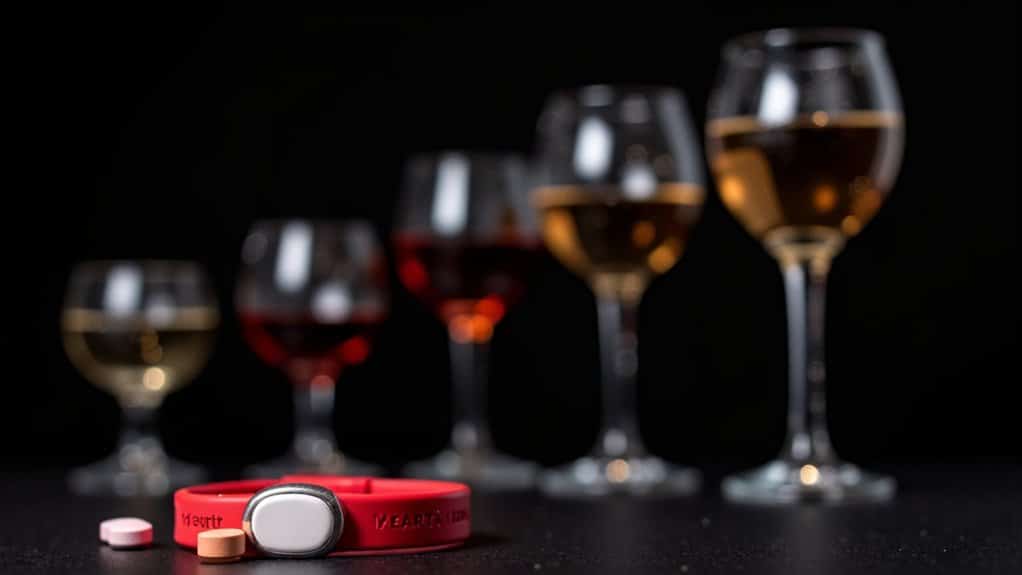
While general alcohol consumption guidelines provide broad recommendations, certain populations face substantially higher risks and require specialized considerations. Your individual health histories and potential alcohol related interactions require careful evaluation when determining safe consumption levels.
- If you’re pregnant, there’s no safe amount of alcohol; complete abstinence is essential to protect fetal development
- If you’re over 65, your body processes alcohol differently, limiting you to no more than 7 drinks weekly
- If you’re an adolescent, any alcohol consumption can impair brain development and increase addiction risks
- If you have underlying medical conditions like liver disease or are taking medications, even moderate drinking may be dangerous
Those who drink within recommended drink limits typically experience lower risk of developing alcohol use problems compared to those who exceed guidelines.
These high-risk groups need stricter guidelines and should consult healthcare providers for personalized recommendations based on their specific circumstances and risk factors.
Long-Term Health Impacts of Alcohol Use
The long-term health impacts of alcohol consumption extend far beyond temporary intoxication, affecting nearly every major organ system in your body. Regular drinking increases your risk of at least seven types of cancer, with no safe consumption level identified. You’ll face heightened risks of heart disease, hypertension, and stroke, particularly if you consume more than 21 drinks weekly.
Your liver and digestive system bear significant damage, with 30% of heavy drinkers developing cirrhosis. Neurologically, you’re susceptible to cognitive decline and nerve damage, while your mental health may deteriorate through increased depression and anxiety. Your bones become more fragile, raising osteoporosis risk by 34% with just 1-2 daily drinks. Recent analyses show no health benefits from alcohol use, and it remains a leading cause of premature death in adults of various stages of life.
Modern Research on Alcohol Consumption

Recent scientific findings have dramatically shifted our understanding of alcohol consumption and health, overturning decades-old beliefs about moderate drinking benefits. Modern research on alcohol consumption patterns reveals there’s no safe threshold for drinking, with risks increasing proportionally to intake levels. The behavioral economics of drinking show that even small amounts can impact your health negatively.
New research reveals no safe level of alcohol consumption exists, with health risks rising even with minimal intake.
Key research findings demonstrate:
- Cancer deaths linked to alcohol have doubled from 11,896 to 23,207 between 1990-2021
- Less than half of Americans understand alcohol’s connection to cancer risk
- Current evidence contradicts past claims about heart health benefits
- Global health organizations now uniformly warn against any level of consumption
This evolving scientific consensus has prompted countries like Canada to dramatically reduce recommended intake limits, while U.S. guidelines are moving away from specific daily allowances in the direction of broader risk messaging.
Cultural Shifts in Drinking Patterns
You’re witnessing a significant cultural transformation in alcohol consumption, with nearly half of Americans planning to reduce their intake by 2025 and Gen Z leading this shift in the direction of sobriety at unprecedented rates. Social media platforms have amplified the “sober curious” movement, normalizing alcohol-free lifestyles and creating supportive communities for those exploring moderation. The rise of mindful drinking reflects broader societal changes, as younger generations prioritize health, financial wellness, and mental clarity over traditional drinking culture, evidenced by the 36% increase in Dry January participation and the expanding market for non-alcoholic alternatives.
Younger Adults Choose Sobriety
Increasingly, younger adults are leading a considerable cultural shift away from alcohol consumption, with notable declines across multiple demographics. You’ll find that 65% of Gen Z plans to drink less in 2025, with 39% committing to a fully dry year. This changing attitude toward sobriety reflects broader shifts in social drinking norms, driven by health consciousness and mental wellness priorities.
- College students gathering for alcohol-free movie nights and game sessions
- Young professionals choosing mocktails at networking events
- Friend groups designating alcohol-free social spaces
- Wellness-focused individuals participating in sober morning activities
The data shows this isn’t just a temporary trend; only 27% of those of a younger age report past-year drinking, considerably lower than previous generations. Financial considerations and increased availability of non-alcoholic alternatives further support this cultural transformation.
Social Media’s Sober Movement
Social media platforms powerfully drive the modern sober movement, particularly among Gen Z and millennial audiences. You’ll find that 35% of younger generations uncover alcohol-free beverages through social channels, considerably higher than older demographics. Celebrity-led narratives and influencer content shape perceptions, with 28% of young adults trying non-alcoholic drinks based on influencer recommendations.
Community-focused support networks on platforms like Instagram and TikTok normalize sobriety while highlighting benefits such as improved sleep and mental clarity. This digital shift has sparked remarkable market changes, with 49% of Americans planning to reduce alcohol consumption in 2025. You’re now seeing tech solutions, including habit-change apps, that provide evidence-based support for those seeking to drink less, aligning with the wellness values promoted across social media.
Mindful Drinking Takes Hold
When did mindful drinking become a cultural phenomenon? The rising prevalence of conscious alcohol consumption reflects a significant shift in societal attitudes, particularly among younger generations. You’ll find that 49% of Americans are actively reducing their alcohol intake in 2025, with Gen Z leading this transformation through their health-focused choices.
Corporate responsibility has evolved to meet these changing preferences, as evidenced by:
- Alcohol-optional workplace events replacing traditional happy hours
- Expanded non-alcoholic beverage menus in restaurants and bars
- Digital tracking tools for monitoring consumption patterns
- Sober bars and alcohol-free social spaces in urban areas
The mindful drinking movement emphasizes moderation rather than complete abstinence, with practices like “zebra striping” becoming commonplace. This cultural shift is supported by an 18% compound annual growth rate in the no/low-alcohol beverage category, indicating a sustainable transformation in drinking habits.
Evidence-Based Recommendations for Adults
Current evidence-based recommendations for alcohol consumption establish clear limits for adults: no more than two drinks per day for men and one drink per day for women, according to U.S. Dietary Guidelines. However, mounting research suggests even these levels may carry health risks.
You’ll need to ponder your individual risk factors when deciding whether to drink. If you’re pregnant, under 21, taking certain medications, or have a family history of alcohol use disorder or cancer, you should opt for alcohol-free alternatives. Keep in mind that a standard drink equals 12 ounces of 5% beer, 5 ounces of 12% wine, or 1.5 ounces of 40% spirits.
The scientific consensus is clear: less alcohol consumption is better for your health, and there’s no proven benefit to starting if you don’t currently drink.
Frequently Asked Questions
Does Drinking Alcohol Affect Sleep Quality Even Within Recommended Limits?
Yes, even moderate drinking within recommended limits can disrupt your sleep quality. You’ll experience sleep disturbances, including reduced REM sleep, increased nighttime awakenings, and decreased deep sleep phases. Research shows that drinking alcohol before bed, even in small amounts, leads to poor sleep architecture and potential adverse health risks. You’re likely to feel less rested and experience daytime fatigue, even when consuming alcohol within suggested guidelines.
How Long Should I Wait Between Drinks to Maintain Safer Consumption Levels?
You should wait at least one hour between alcoholic drinks to maintain safer consumption levels. This moderation duration aligns with your body’s metabolic processing rate of approximately one standard drink per hour. You’ll reduce your peak blood alcohol concentration and health risks by following this spacing. If you’re drinking over several hours, you should also alternate with water and guarantee you’re eating to further support safer consumption patterns.
Do Different Types of Alcohol Have Varying Effects on Overall Health?
While different alcohol types contain varying nutritional content and bioactive compounds, research shows they don’t markedly differ in their general health impact. What matters most is how much you drink, not what you drink. Though red wine contains beneficial polyphenols and spirits have fewer carbs, all alcohol types increase your disease risk, especially cancer. Your total consumption level remains the primary factor affecting your health outcomes.
Can Occasional Drinking Impact Exercise Performance and Muscle Recovery?
Yes, even occasional drinking can impair your exercise performance and recovery. It’ll reduce your cardiovascular training effects by decreasing aerobic capacity and endurance. For weight training adaptations, alcohol substantially inhibits muscle protein synthesis and can suppress recovery for up to 36 hours. You’ll experience diminished strength, compromised motor skills, and delayed muscle repair. Alcohol’s diuretic effect also impairs hydration status, further hampering your training results and adaptation potential.
How Does Altitude or Climate Affect Alcohol Tolerance and Safe Consumption?
At higher elevations, you’ll need to be more cautious with alcohol consumption. While alcohol absorption rates don’t markedly change below 10,000 feet, your body’s response to alcohol can be amplified. You’ll experience increased dehydration, compromised breathing adaptation, and potentially worse symptoms of altitude sickness. Your alcohol tolerance may decrease in extreme temperatures, cold weather increases heat loss, while hot climates intensify dehydration. Consider reducing your typical alcohol intake when at altitude.