
During alcohol withdrawal, you’ll need 1 mg (1000 mcg) of folic acid daily, taken orally or intravenously. This essential supplement helps prevent and treat folate deficiency, which affects up to 80% of people with alcohol use disorder. You can safely take this recommended dose through various routes, including oral tablets or IV administration, with nearly 100% absorption rates. Understanding proper dosing and monitoring protocols will guarantee the most effective supplementation for your recovery.
Standard Dosage Guidelines for Alcohol Withdrawal

Three core guidelines establish the standard folic acid dosage during alcohol withdrawal. You’ll need 1 mg of folic acid daily, administered either orally or intravenously, which aligns with the upper recommended limit for adults. This dosage helps restore proper alcohol metabolism and addresses nutritional deficiencies common in withdrawal. Since thiamine has poor oral bioavailability, folic acid supplementation offers an advantage in that it can be effectively absorbed through both oral and IV routes. Vital signs stabilization and careful monitoring are essential parts of the treatment process. Approximately 50% of patients with alcohol dependence experience clinically significant withdrawal symptoms requiring supplementation.
You’ll receive folic acid as part of a thorough treatment plan that includes 100 mg of thiamine daily and other essential vitamins. If you’re getting multivitamin infusions containing 400 mcg of folic acid, your healthcare provider will adjust standalone supplementation to maintain the 1 mg daily maximum. The treatment typically continues for several days to weeks, depending on your clinical response and the restoration of normal dietary intake. Both oral and IV routes are equally effective, as oral absorption reaches nearly 100% once alcohol consumption stops.
Understanding Folate Deficiency in Alcoholism
Clinical evidence shows that folate deficiency affects up to 80% of chronic alcoholics admitted to hospitals, with nearly half experiencing severe deficiency. When you’re struggling with alcoholism, your body’s ability to maintain healthy folate levels becomes greatly compromised due to disrupted alcohol metabolism and reduced folate absorption. Malabsorption disorders like those caused by chronic alcohol use commonly lead to poor vitamin B9 uptake in the digestive system. Studies have shown that even the jejunal brush border, which is essential for converting dietary folate into its usable form, becomes damaged with chronic alcohol use. If you encounter difficulty accessing online resources about alcohol withdrawal, security measures may temporarily restrict your ability to research treatment options.
- Your liver depletes stored nutrients rapidly, leaving you vulnerable to deficiency
- Your small intestine’s ability to absorb folate becomes impaired due to alcohol damage
- You’ll likely experience poor dietary intake of folate-rich foods
- Your risk of developing macrocytic anemia increases considerably
- Your cardiovascular and neurologic risks rise due to heightened homocysteine levels
Even with food fortification programs, you’re still at high risk for folate deficiency if you have alcohol use disorder, making proper supplementation vital during withdrawal and recovery.
Medical Benefits of Folic Acid Supplementation

Folic acid supplementation directly prevents megaloblastic anemia by supporting red blood cell formation, which you’ll commonly need during alcohol withdrawal treatment. You’ll benefit from folic acid’s essential role in neurological recovery, as it aids in neurotransmitter synthesis and cognitive function while reducing the risk of depression and other mental health complications. When you’re undergoing alcohol withdrawal, the standard 1 mg daily dose helps restore your body’s folate levels, protecting against both blood disorders and neurological symptoms that often accompany withdrawal. Since folic acid works together with vitamin B-12 supplements to prevent nerve damage, this combination is often recommended during alcohol withdrawal treatment. Taking daily supplements is crucial since the body cannot store folic acid long-term and requires consistent replenishment. Regular monitoring by healthcare professionals is essential when taking higher doses of folic acid during withdrawal to ensure safe and effective supplementation.
Prevents Megaloblastic Anemia
During alcohol withdrawal, supplementing with folic acid plays an essential role in preventing megaloblastic anemia by supporting normal DNA synthesis and red blood cell production. Alcohol greatly disrupts folate metabolism, leading to impaired DNA replication in your blood cells. When left untreated, this disruption results in large, immature red blood cells characteristic of megaloblastic anemia. The condition commonly develops due to vitamin absorption issues from chronic alcohol use. Excess folic acid is safely eliminated through urination if more than needed is consumed.
You’ll experience these key benefits when supplementing with folic acid during withdrawal:
- Complete hematologic recovery within 2-3 weeks of daily treatment
- Rapid correction of anemia-related symptoms like fatigue and shortness of breath
- Restoration of normal blood cell production and development
- Prevention of recurring megaloblastic anemia
- Normalization of blood indices and neutrophil function
The recommended therapeutic dose of 1 mg daily effectively treats folate deficiency while ensuring safe supplementation during your recovery process. Monitoring through blood smear tests can help identify macrocytosis and hypersegmented PMNs to track treatment progress.
Supports Neurological Recovery
Beyond its role in preventing anemia, proper folic acid supplementation markedly enhances neurological recovery during alcohol withdrawal. You’ll experience improved neurotransmitter balance as folic acid supports GABA function and helps regulate glutamate activity, reducing your risk of seizures during withdrawal. The vitamin’s ability to lower homocysteine levels protects your brain from neurotoxicity while supporting DNA synthesis and repair in neuronal cells. Thiamine administration alongside folic acid ensures optimal neurological protection during withdrawal treatment.
You’ll notice enhanced cognitive recovery as folic acid helps restore attention, memory, and executive function. It’s particularly effective when combined with vitamin B12, supporting nerve conduction and reducing peripheral neuropathy risk. The vitamin also aids in producing S-adenosylmethionine (SAMe), which regulates mood and helps combat withdrawal-related depression. Maintaining adequate folic acid levels is crucial since inadequate dietary intake commonly occurs during alcohol use disorder. These neurological benefits make folic acid supplementation essential for your recovery process.
Routes of Administration and Absorption
When treating alcohol withdrawal patients, healthcare providers have three primary routes for administering folic acid: oral, intravenous (IV), and intramuscular (IM) injection. Oral absorption reaches nearly 100% bioavailability when taken without food or alcohol interference, making it the preferred method for stable patients. However, intravenous advantages become essential when oral intake isn’t feasible or reliable. Only about ten percent of patients require intensive medication management during withdrawal.
- You’ll need careful monitoring if you have alcohol-induced gastritis affecting absorption
- Your healthcare provider may switch to IV if you’re experiencing severe withdrawal symptoms
- You can expect 100% absorption with IV administration, bypassing digestive concerns
- Your daily oral dose shouldn’t exceed 1 mg (1000 mcg) to prevent masking B12 deficiency
- You might receive IM injections if IV access isn’t available in outpatient settings
Duration and Timing of Treatment
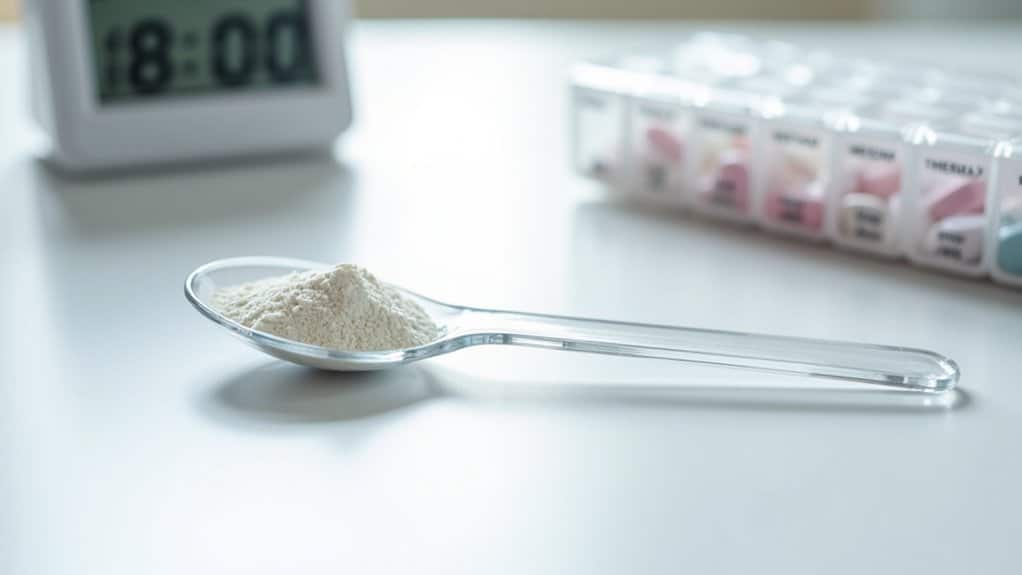
The timing and duration of folic acid supplementation plays a key role in successful alcohol withdrawal treatment. You’ll typically receive 1 mg daily, starting at the onset of withdrawal alongside thiamine and other nutrients. Timing importance can’t be overstated, as early initiation helps prevent neurological complications and supports rapid recovery.
Duration variability depends on several factors, including deficiency severity and your individual risk factors. While standard practice involves supplementation for several days to weeks during acute withdrawal, you may need extended treatment lasting several months if you have megaloblastic anemia. Your healthcare provider will monitor your response and adjust the duration based on your clinical progress, underlying conditions, and ongoing nutritional status. In high-risk cases or persistent deficiency, you might require indefinite supplementation.
Safety Considerations and Upper Limits
You’ll need to track your total daily folic acid intake from all sources, including multivitamins, fortified foods, and supplements, to guarantee you don’t exceed the 1 mg upper limit. Regular B12 status monitoring is essential during folic acid supplementation, as excess folic acid can mask B12 deficiency symptoms while allowing neurological damage to progress undetected. If you’re taking multiple supplements, carefully check the folic acid content in each product and discuss your total intake with your healthcare provider to maintain safe supplementation levels.
Monitoring Combined Daily Sources
Careful monitoring of total folic acid intake becomes essential when combining multiple sources during alcohol withdrawal treatment. When tracking dietary sources, you’ll need to account for all folic acid contributions to avoid exceeding the 1,000 mcg daily upper limit.
Key monitoring points to protect your health:
- Check nutrition labels on fortified foods, especially cereals that can contain 100-400 mcg per serving
- Calculate your total intake from multivitamins, which often provide 400 mcg per dose
- Track fortified grain products that typically contribute 100-200 mcg daily
- Be aware that natural food folate doesn’t count toward the upper limit
- Consider using a dietary log to record combined daily intake from all sources
Since alcohol depletes folate stores, you’ll benefit from supplementation within safe ranges while ensuring you don’t exceed recommended limits through multiple sources. Individuals with ulcerative colitis may need additional monitoring since this condition can impact folate absorption levels.
Avoiding B12 Deficiency Masking
While monitoring folic acid intake during alcohol withdrawal, understanding the risks of B12 deficiency masking becomes essential for safe supplementation. You’ll need to stay below the upper limit of 1 mg daily total folic acid to prevent masking underlying B12 deficiency symptoms. Higher doses can mask megaloblastic anemia while allowing neurological damage to progress undetected.
Since alcohol use disorder often impairs B12 absorption and increases deficiency risk, you’ll want to guarantee proper B12 status before or during folic acid therapy. Untreated B12 deficiency can lead to irreversible neurological symptoms, including cognitive decline and peripheral neuropathy. If you’re initiating folic acid supplementation, maintain the standard recommended dose of 400 mcg daily and have your healthcare provider monitor both folate and B12 levels regularly.
Clinical Signs of Folic Acid Deficiency
Clinical signs of folic acid deficiency manifest across multiple body systems, presenting primarily through hematological, gastrointestinal, neuropsychiatric, and dermatological symptoms. If you’re experiencing folic acid deficiency, you’ll likely notice signs of anemia, including fatigue, shortness of breath, and irregular heartbeats. Oral sores and a painful, red tongue often develop as early indicators.
- You may feel confused and struggle with memory or judgment
- Your skin might appear pale or develop small red spots called petechiae
- You’ll potentially experience persistent diarrhea and loss of appetite
- Your tongue could become smooth and “beefy” red in appearance
- You might develop mood changes, including depression or irritability
These symptoms can become severe in chronic alcoholism, where absorption is compromised and deficiency risks are heightened.
Combining With Other Essential Nutrients
Beyond addressing folic acid deficiency alone, ideal nutrient supplementation during alcohol withdrawal requires a coordinated approach with multiple vitamins and minerals. The most critical nutrient interactions occur between folic acid and thiamine, where synergistic effects support both blood cell formation and energy metabolism during recovery.
You’ll need thiamine supplementation (100-500mg daily) alongside your 1mg folic acid dose, as these work together to improve overall treatment outcomes. A broad-spectrum multivitamin can help deliver these nutrients, but you’ll need to monitor total intake carefully. The “banana bag” IV formulation commonly used in clinical settings combines these essential nutrients effectively. Consider that magnesium and other minerals may also be necessary, though your healthcare provider should evaluate individual requirements based on your specific deficiencies and absorption status.
Professional Treatment Protocols
Standard clinical protocols recommend 1 mg of folic acid daily during alcohol withdrawal, administered either intravenously in acute settings or orally for outpatient management. You’ll find that treatment timing varies based on deficiency severity, with supplementation typically continuing for several days to weeks in hospital settings and potentially months for cases involving megaloblastic anemia. Healthcare providers monitor treatment effectiveness through regular CBC and serum folate testing while coordinating with multidisciplinary teams to guarantee proper nutrient administration and protocol compliance.
Standard Clinical Dosing Guidelines
Medical professionals routinely prescribe 1 mg of folic acid daily during alcohol withdrawal treatment, aligning with established guidelines from major medical societies. This standardized approach has demonstrated positive clinical implications for patient outcomes, particularly in addressing deficiencies common during withdrawal.
- You’ll receive either oral or intravenous supplementation based on your ability to tolerate medications
- Your doctor will monitor your blood levels to adjust treatment duration
- You may need extended supplementation if you have megaloblastic anemia
- Your treatment might continue for several weeks if you show persistent deficiency signs
- You’ll likely receive folic acid alongside other essential vitamins like thiamine
Your healthcare provider will assess your individual needs and may modify the standard protocol based on factors such as absorption issues, pregnancy status, or severity of nutritional deficits.
Administration Routes and Timing
Professional administration protocols for folic acid during alcohol withdrawal encompass multiple delivery routes, with oral supplementation serving as the primary method due to its near-complete bioavailability. You’ll find that administration methods include oral tablets, enteral feeding, and parenteral options (IV/IM) for severe cases or when GI absorption is compromised.
Timing considerations are critical for ideal treatment outcomes. You should initiate folic acid supplementation at admission, concurrent with thiamine administration. Daily dosing continues throughout the acute withdrawal phase, typically lasting several weeks. If you’re treating patients with severe megaloblastic anemia or malabsorption, immediate parenteral therapy is indicated. Once GI function stabilizes, you’ll want to shift from parenteral to oral administration. While long-term supplementation benefits aren’t clearly established, you’ll need to maintain therapy until nutritional recovery is achieved.
Monitoring Treatment Effectiveness
While implementing folic acid therapy during alcohol withdrawal, you’ll need to employ thorough monitoring protocols that integrate standardized assessment tools, laboratory markers, and clinical observations. Use the CIWA-Ar scale daily for tracking symptoms and medication adjustments, while monitoring adherence to the prescribed 1 mg folic acid regimen.
- Check folate and B12 levels regularly, as 66% of chronic alcohol users show folate deficiency
- Monitor for neurological complications, especially when combining folic acid with thiamine supplementation
- Track CBC results to assess improvement in macrocytic anemia
- Watch for seizure activity, as folate deficiency can increase withdrawal seizure risk
- Document daily adherence and response to therapy, adjusting from oral to IV administration if absorption issues arise
Maintain consistent assessment methods throughout treatment to guarantee reliable comparison of clinical progress and therapeutic response.
Monitoring and Adjusting Supplementation
Successful folic acid supplementation during alcohol withdrawal requires careful monitoring and periodic adjustments based on individual patient response. You’ll need to monitor supplement absorption and look for signs of megaloblastic anemia, including fatigue and pallor. Regular lab tests can help track your progress and determine if dosage adjustments are necessary.
While the standard recommendation is 1 mg daily, you’ll want to account for any folic acid you’re getting from multivitamins to avoid exceeding safe limits. If you’re showing severe deficiency symptoms, your healthcare provider may switch you from oral to intravenous administration. For mild cases, oral supplementation at 1 mg daily for several months is typically sufficient. You may need ongoing supplementation if you have persistent malnutrition or continue to use alcohol.
Frequently Asked Questions
Can Pregnant Women Receive Folic Acid Supplementation During Alcohol Withdrawal?
Yes, you should receive folic acid supplementation during alcohol withdrawal while pregnant. It’s a vital part of your prenatal vitamins and essential for proper fetal development. You’ll need 1 mg daily, which doctors consider safe during pregnancy. If you’re having trouble absorbing oral supplements, your healthcare team may give you injections instead. You’ll receive this supplementation alongside other vitamins, particularly thiamine, under close medical supervision during withdrawal.
Does Smoking Affect Folic Acid Absorption During Alcohol Withdrawal Treatment?
Yes, smoking greatly impacts your folic acid absorption during alcohol withdrawal treatment. Smoking effects include reduced bioavailability and accelerated depletion of folic acid due to increased oxidative stress. Your absorption rates decrease because cigarette smoke damages intestinal mucosa and induces enzymes that break down folic acid more quickly. If you’re a smoker undergoing alcohol withdrawal, you’ll likely need higher folic acid supplementation to compensate for these impairments and prevent deficiency-related complications.
Are There Genetic Factors That Influence Folic Acid Requirements in Withdrawal?
Yes, genetic variations greatly influence your folic acid needs during withdrawal. If you carry MTHFR gene mutations (especially C677T and A1298C variants), you’ll likely require more folic acid due to reduced nutrient metabolism efficiency. These genetic factors can impact how well you process and utilize folic acid, potentially increasing your risk for complications during withdrawal. While standard dosing remains at 1mg daily, your specific genetic profile could warrant personalized supplementation under medical supervision.
Can Folic Acid Supplementation Help Reduce Alcohol Cravings?
While folic acid supplementation benefits your overall health during withdrawal, there’s no strong scientific evidence that it directly reduces alcohol cravings. Research hasn’t demonstrated a clear link between folic acid and craving reduction. You’ll find most effective craving management strategies focus on pharmacological treatments and behavioral therapies. Though folic acid may improve your general well-being and mood, which could indirectly affect cravings, it’s not proven as a specific anti-craving intervention.
Should Folic Acid Doses Be Adjusted Based on Body Weight?
No, you don’t need to adjust folic acid doses based on your body weight during alcohol withdrawal. While dosage considerations for some medications require weight-based calculations, folic acid supplementation follows a fixed 1 mg daily protocol regardless of size. Weight factors don’t influence folate absorption or effectiveness, thanks to its high bioavailability. The standard fixed dose safely and effectively addresses folate deficiency in adults of all weights during withdrawal management.