
Itchy skin during alcohol detox occurs because your body experiences multiple physiological disruptions at once. Dehydration compromises your skin’s protective barrier, while nutritional deficiencies from chronic alcohol use impair nerve function and skin health. Your liver may struggle to eliminate bile salts, which can deposit in skin and irritate nerve endings. Additionally, your central nervous system enters a hyperexcitable state, amplifying skin sensations. Understanding each contributing factor can help you find effective relief strategies.
How Dehydration Affects Your Skin During Alcohol Withdrawal
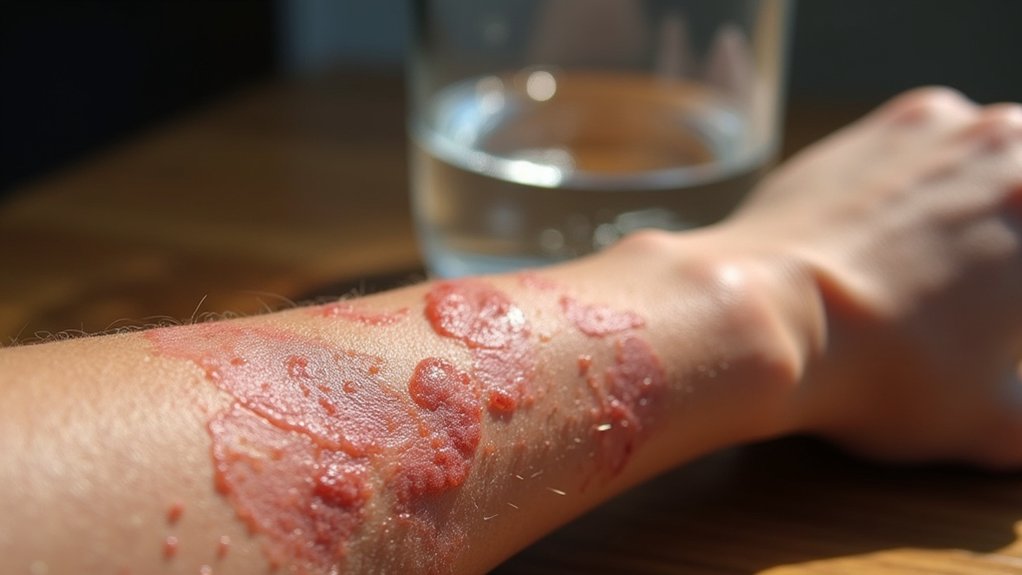
When you stop drinking alcohol, your skin often bears the brunt of your body’s struggle to rebalance itself. Alcohol’s diuretic effects deplete your body’s fluid reserves, reducing water content in your skin’s outer layer. This compromises your skin barrier, leading to xerosis, flakiness, and microfissures that trigger intense itching.
During withdrawal, autonomic dysfunction causes sweating and temperature fluctuations, worsening fluid loss even as your skin feels clammy. Salt residue from perspiration irritates already dry, sensitized skin. Simultaneously, electrolyte imbalances heighten neuromuscular excitability, intensifying crawling or tingling sensations you perceive as itch.
Your dehydrated skin becomes hyperreactive to everyday stimuli, clothing friction, bedding contact, or mild soaps can provoke scratching. This vulnerability typically persists for several days until your body restores proper fluid balance. Deficiencies in vitamins B and C from chronic alcohol use further compromise your skin’s ability to heal and maintain its protective function. The good news is that some of these damaging effects, such as dryness, may improve with time once you stop drinking and focus on proper nutrition and recovery. Alcohol also triggers an inflammatory response throughout the body, which can further aggravate skin sensitivity and itching during the detox process.
The Role of Nutritional Deficiencies in Detox-Related Itching
When you’ve been drinking heavily for an extended period, your body often becomes depleted of essential nutrients that keep your skin healthy and your nerves functioning properly. Deficiencies in vitamins A, B1, B3, and B6, along with minerals like zinc and magnesium, can weaken your skin’s protective barrier and contribute to nerve-related itching during detox. Chronic alcohol use decreases hunger and impairs nutrient absorption, further compounding these deficiencies. During recovery, nutritional support and management of these deficiencies becomes a critical component of treatment. Eating whole grains, which are high in fiber and B vitamins, can help ease withdrawal symptoms including skin irritation. Understanding which nutrients you’re lacking, and how to restore them, can help reduce pruritus and support your skin’s recovery.
Key Nutrient Deficits
Because chronic alcohol use depletes essential vitamins and minerals, your body’s ability to maintain healthy skin and nerve function becomes severely compromised during detox. These deficiencies contribute to immune system dysregulation and metabolic disturbances that can manifest as persistent itching. Alcohol also increases urinary vitamin C excretion by 47%, further depleting antioxidants that protect skin health.
The most significant nutrient deficits affecting your skin during detox include:
- Thiamine deficiency, causes nerve damage leading to numbness, tingling, and abnormal skin sensations
- Folate deficiency, impairs cell regeneration and contributes to tissue irritation
- Magnesium deficiency, triggers muscle spasms, numbness, and heightened nerve sensitivity
- Vitamin A deficiency, compromises skin integrity and tissue repair mechanisms
These deficiencies worsen withdrawal severity and intensify uncomfortable symptoms like itching. Thiamine supplementation is particularly critical because it helps prevent Wernicke syndrome, a serious neurological condition that can develop during alcohol withdrawal. Addressing nutritional gaps through proper supplementation and diet helps restore your body’s healing capacity during recovery. Treatment centers typically perform bloodwork at admission to detect vitamin and electrolyte deficiencies, allowing medical staff to provide targeted oral supplements or injections to correct these imbalances.
Restoring Skin Health
Replenishing the nutrients alcohol has stripped away can help your skin begin to heal and reduce the persistent itching you’re experiencing during detox. Correcting deficiencies in zinc and other micronutrients supports normalized keratinocyte turnover and reduces scaling that exposes nerves to irritants.
Skin barrier replenishment requires adequate hydration and electrolyte balance. Within 24, 72 hours of stopping alcohol, improved fluid status enhances microcirculation, delivering essential nutrients for epidermal repair. This process softens dry, flaky skin and decreases inflammatory itch triggers. Drinking 8-10 glasses of water per day accelerates this hydration recovery and supports overall skin healing.
Probiotic supplementation can address gut dysbiosis caused by chronic alcohol use, improving absorption of vitamins, minerals, and essential fatty acids critical for skin health. As your gut heals over weeks of sobriety, you’ll likely notice clearer skin, reduced inflammation, and considerably less itching. Within two weeks, you may also see a brighter, more even skin tone as your body continues to recover. After four weeks of sobriety, you can expect improved liver function which further supports your skin’s ability to detoxify and regenerate.
Liver Function and Bile Salt Accumulation as Causes of Pruritus
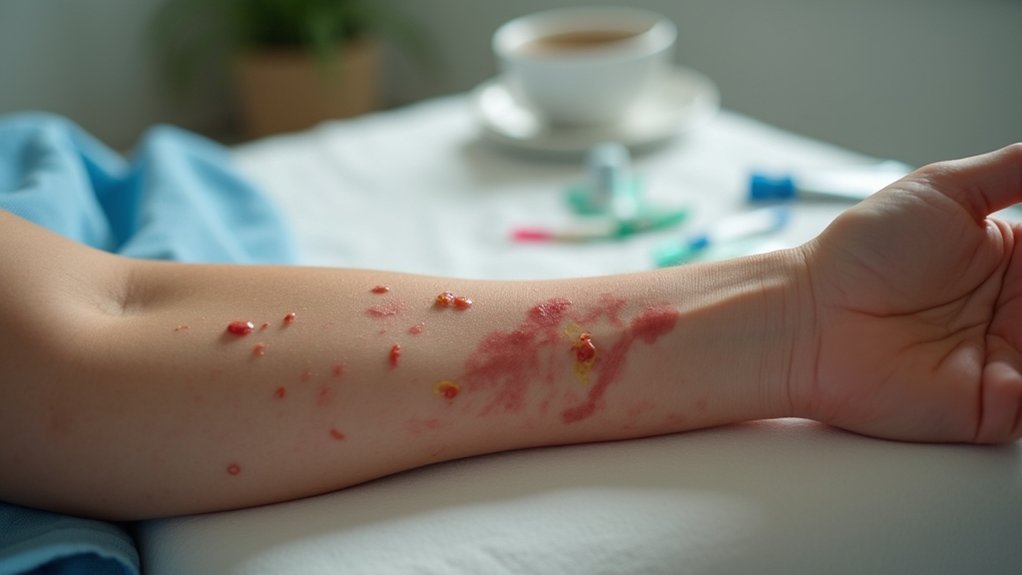
Chronic alcohol consumption directly damages the liver, creating a cascade of physiological changes that often manifest as persistent skin itching during detox. When your liver can’t function properly, impaired bile flow leads to bile acid buildup in your bloodstream and skin tissues.
Here’s how liver dysfunction triggers pruritus:
- Damaged liver cells produce excess bile salts that can’t be properly excreted
- These bile salts deposit in your skin, directly irritating sensory nerve endings
- Alcohol-induced cholestasis prevents normal bile salt elimination
- Accumulated toxins signal intense itching without visible rash
Your pruritus intensity often correlates with the severity of liver impairment. You’ll typically notice symptoms like jaundice accompanying the itching. The good news: as your liver function stabilizes during recovery, bile salt levels normalize, and itching generally resolves within seven days. The first 10 days of withdrawal are typically the most challenging, so patience during this period is crucial. During this recovery period, proper hydration and nutrition are essential for supporting liver healing and minimizing skin irritation.
Central Nervous System Hyperexcitability and Skin Sensations
Beyond liver-related causes, your nervous system plays a significant role in the itching and unusual skin sensations you may experience during alcohol detox. When you stop drinking, your brain enters a state of hyperexcitability due to neurotransmitter imbalance, specifically, reduced GABA inhibition and increased glutamate activity.
This neurological shift affects how your body processes sensory information. Calcium channel activation, which increases approximately 50% after chronic alcohol exposure, amplifies nerve signaling throughout your body. Your skin’s sensory neurons become hypersensitive, potentially interpreting normal stimuli as itching or crawling sensations.
The same mechanisms causing anxiety, tremors, and irritability during withdrawal can also heighten your perception of skin sensations. Healthcare providers often use the CIWA-Ar scale to assess overall withdrawal severity, which can help determine appropriate treatment for all symptoms including skin-related discomfort. These symptoms typically peak within the first 24-72 hours and gradually improve as your nervous system recalibrates to functioning without alcohol. Individuals who have experienced multiple prior withdrawal episodes may notice more intense skin sensations due to the kindling effect, where each withdrawal episode can increase overall symptom severity.
Histamine Release and Immune Responses During Detox
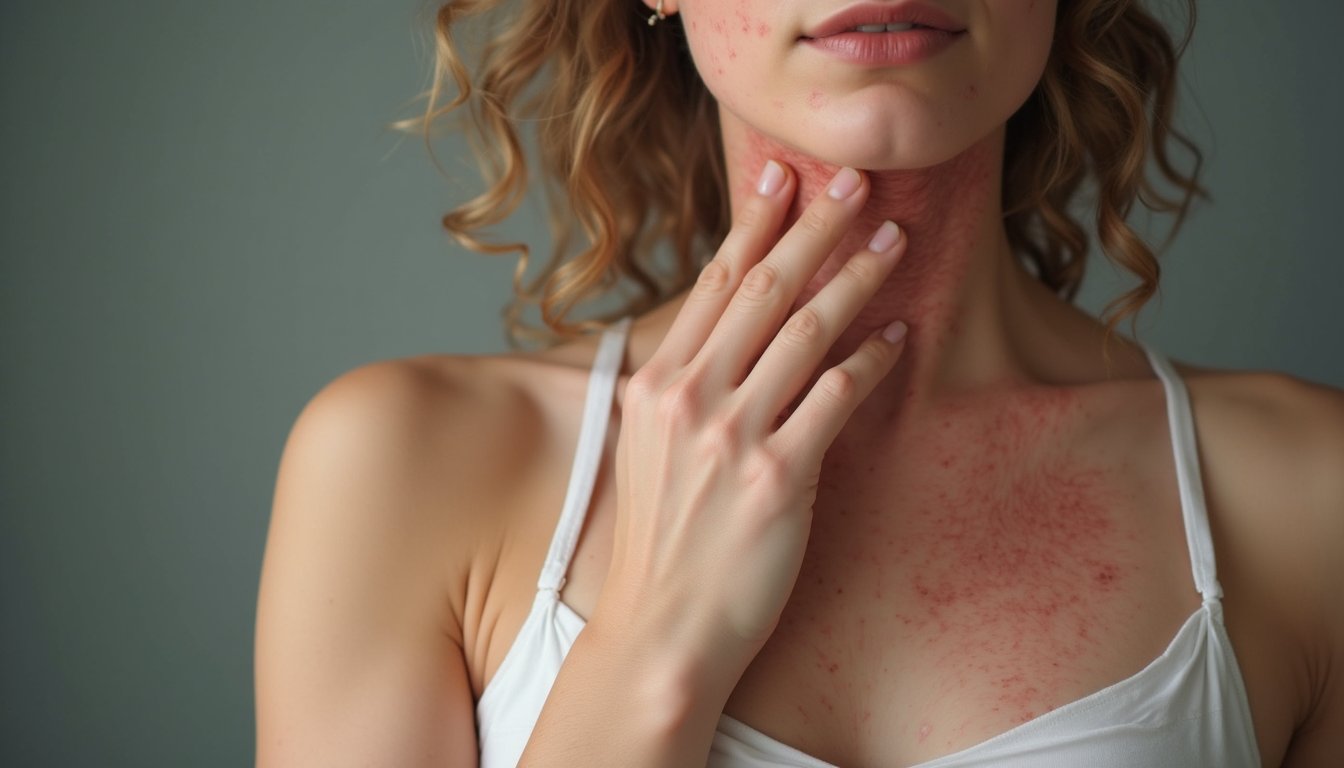
Your immune system doesn’t simply quiet down when you stop drinking, it often becomes more reactive. During detox, mast cells release histamine and other inflammatory mediators, triggering itching, hives, and flushing. Chronic alcohol exposure also inhibits diamine oxidase (DAO), the enzyme responsible for breaking down histamine, allowing it to accumulate in your tissues.
Several factors intensify histamine-related itching during withdrawal:
- Oxidative stress effects damage tissues and amplify inflammatory signaling
- Heightened mast cell reactivity releases excess histamine into skin
- Impaired liver function slows histamine clearance from your body
- Sensitized nerve endings respond more intensely to histamine stimulation
Understanding these mechanisms helps guide treatment approaches. Mast cell stabilization through antihistamines and dietary modifications can reduce symptom severity while your body recalibrates its immune responses during recovery.
Understanding Formication and Crawling Skin Sensations
Among the most distressing symptoms during alcohol withdrawal, formication, the sensation of insects crawling on or beneath your skin, stands out as particularly alarming. This tactile hallucination results from nerve sensitization patterns triggered by GABA-glutamate imbalances during detox. Your somatosensory cortex misinterprets normal signals, creating perception distortion effects that feel intensely real.
| Feature | Formication | Dermatologic Itch |
|---|---|---|
| Primary Skin Lesions | Absent at onset | Present |
| Objective Findings | Minimal | Visible rash/inflammation |
| Timing | 48-72 hours post-drink | Variable |
| Associated Symptoms | Tremor, agitation, anxiety | Localized irritation |
| Treatment Focus | Withdrawal management | Topical/systemic dermatologic care |
When formication accompanies delirium tremens, you’re experiencing a clinical severity marker requiring immediate medical monitoring. Compulsive scratching can cause secondary infections and scarring.
Risk Factors That Increase Itchy Skin During Withdrawal
While anyone undergoing alcohol withdrawal may experience itchy skin, certain factors considerably elevate your risk and symptom intensity.
Key risk factors include:
- Heavy drinking patterns, Men consuming 15+ drinks weekly and women consuming 8+ drinks weekly develop greater skin damage and experience more severe symptoms as rebound blood alcohol levels fluctuate during detox.
- Previous detox attempts, The kindling effect from multiple withdrawals heightens your nervous system’s sensitivity to skin stimuli.
- Nutritional deficiencies, Zinc, niacin, and vitamin A deficiencies directly cause skin lesions and pruritus.
- Underlying health conditions, Liver disease, alcoholic neuropathy, and psoriasis intensify itching symptoms.
Additionally, medication side effects during treatment and chronic dehydration from alcohol’s diuretic properties compound your discomfort.
How Long Detox-Related Skin Symptoms Typically Last
| Timeline | What to Expect |
|---|---|
| 12-24 hours | Initial itching begins |
| 24-48 hours | Peak intensity occurs |
| 4-5 days | Symptoms decrease drastically |
| 1-2 weeks | Full resolution for most |
Several factors affecting skin symptom duration include your addiction severity, previous detox attempts, and nutritional status. Prior detoxifications can intensify symptoms through kindling effects. If you’ve developed alcoholic neuropathy, skin sensations may persist longer. Medical treatment and proper nutrition can shorten your recovery timeline considerably.
Managing and Relieving Itchy Skin Throughout Recovery
Because itchy skin during alcohol detox stems from multiple underlying causes, effective relief requires a holistic approach that addresses hydration, nutrition, topical care, and medical support simultaneously.
Consider implementing these four key strategies:
- Hydration: Drink plenty of water daily and consume electrolyte-rich beverages to restore fluid balance and support skin elasticity.
- Nutrition: Adopt a nutrient-dense diet rich in vitamins A, C, E, and omega-3 fatty acids to repair damaged skin tissue.
- Topical care: Apply fragrance-free moisturizers after showering and take Epsom salt baths to soothe irritation. Avoid harsh exfoliating routines that worsen inflammation.
- Medical intervention: Work with your healthcare provider who may prescribe antihistamines or recommend protective skincare products to manage persistent symptoms.
Combining stress-reduction techniques like meditation further minimizes discomfort throughout recovery.
Frequently Asked Questions
Can Scratching Itchy Skin During Detox Lead to Infections or Complications?
Yes, scratching itchy skin during detox can lead to infections and complications. When you scratch, you break your skin’s protective barrier, allowing bacteria to enter and cause infections like cellulitis or abscesses. You’ll also experience increased skin sensitivity and worsening skin conditions, including secondary dermatitis. Your immune system is already compromised during withdrawal, so even minor scratches can develop into serious wounds. Instead of scratching, talk to your medical team about antihistamines or topical treatments.
Should I See a Dermatologist or Addiction Specialist for Detox-Related Itching?
You should typically start with an addiction specialist or detox provider, since triggers for withdrawal itching often stem from systemic issues like liver stress, nutritional deficiencies, or autonomic changes during withdrawal. They’ll address managing withdrawal itching symptoms alongside your overall detox care. However, if you develop persistent rashes, visible skin lesions, or itching that continues after withdrawal stabilizes, a dermatologist can help identify underlying skin conditions that need specialized treatment.
Are Certain Types of Alcohol More Likely to Cause Withdrawal Itching?
No single beverage reliably causes more withdrawal itching than another. What matters most is your total ethanol intake, how long you’ve been drinking, and your pattern of use, not different alcohol types themselves. That said, drinks with higher alcohol concentration levels (like spirits) can lead to more severe dependence faster, potentially intensifying all withdrawal symptoms. Dark liquors and red wine also contain compounds that may irritate your skin independently of withdrawal.
Can Over-The-Counter Antihistamines Safely Be Used During Alcohol Detox?
Instead, you’ll find relief through safer approaches. Prioritize skin hydration techniques and establish a consistent moisturizing skin regimen to address itching without sedation dangers. Always consult your healthcare provider before taking any medication during detox.
Will the Itching Return if I Relapse and Detox Again Later?
Yes, itching will likely return, and often more intensely, if you relapse and detox again. This happens due to alcohol kindling, where skin irritation patterns worsen with each withdrawal cycle. Your immune system becomes increasingly dysregulated, triggering stronger histamine responses. Understanding relapse risk factors helps you prepare: repeated detoxes escalate symptoms dramatically. Working with medical professionals during any future detox can help manage these recurring symptoms and support your path toward sustained recovery.