
Understanding Skin Reactions During Alcohol Withdrawal
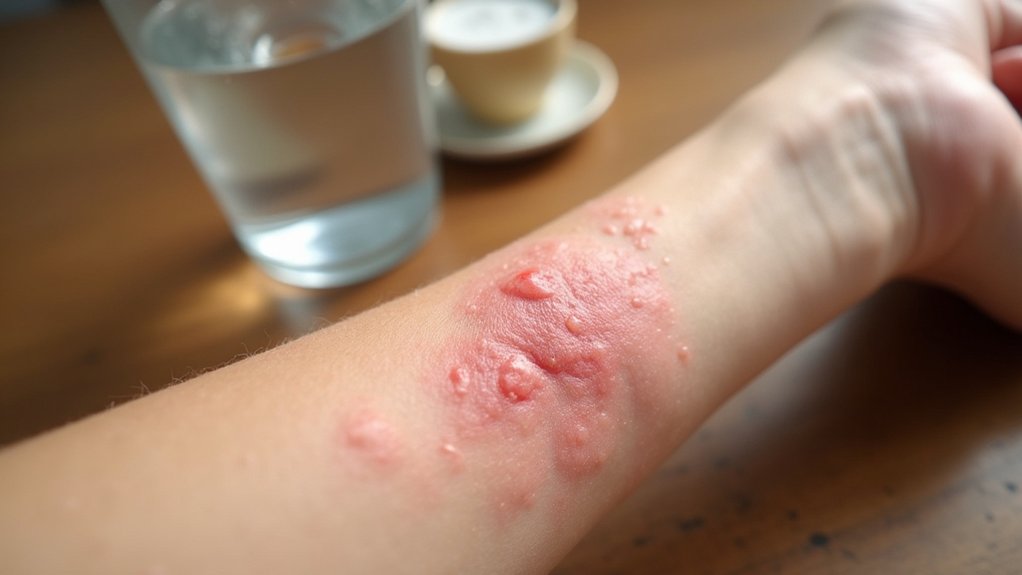
When you stop drinking after prolonged alcohol use, your skin often becomes an unexpected battleground for the physiological chaos unfolding inside your body. Chronic alcohol consumption suppresses immune function, but withdrawal triggers rebound immune overactivity that increases inflammation in skin tissues.
Your liver plays a central role in these reactions. Alcohol induced cholestasis causes bile salt accumulation, producing intense pruritus. Meanwhile, impaired detoxification pathways allow endogenous toxins to circulate and irritate cutaneous nerve endings.
Acetaldehyde, alcohol’s primary metabolite, stimulates histamine release, promoting itching, flushing, and urticarial rashes. Simultaneously, autonomic nervous system overactivity causes vasodilation and sweating that compounds skin irritation. These overlapping mechanisms explain why rashes during detox aren’t simply surface problems but reflect deeper systemic dysfunction requiring thorough treatment approaches. Skin rashes typically arise within 12 to 48 hours after the last drink, making early monitoring essential during the initial detox phase. While itchy skin often resolves within a week, symptoms can persist for several weeks depending on the severity of alcohol dependence. In severe cases of withdrawal, some individuals experience tactile hallucinations that create crawling sensations on the skin, which can be mistaken for or worsen perceived rashes.
Common Types of Rashes Associated With Detoxification
During alcohol detox, you may experience several distinct skin reactions that signal your body’s adjustment to sobriety. Pruritus presents as intense itching often linked to liver dysfunction and bile salt accumulation, while contact dermatitis manifests as red, inflamed patches where sensitized skin encounters irritants. Urticaria, commonly known as hives, produces raised welts triggered by histamine release as your immune system responds to the absence of alcohol’s suppressive effects. Those with existing conditions like eczema or psoriasis may notice worsening of symptoms during the detoxification process, as alcohol withdrawal can trigger inflammatory responses throughout the body. In some cases, petechiae may appear as small spots indicating internal bleeding beneath the skin’s surface.
Pruritus and Contact Dermatitis
Pruritus often crops up during alcohol detox as a direct consequence of liver dysfunction, which allows bile salts to accumulate in the bloodstream and deposit in skin tissue. You’ll experience intense itching without visible rash, often worsening at night due to withdrawal-related sleep disturbances. Immune dysregulation triggers histamine release, compounding your discomfort. Similar to lichen planus management, addressing underlying systemic factors proves essential.
Contact dermatitis emerges when your sensitized skin reacts to irritants like detergents or personal care products. You’ll notice red, itchy rashes with burning sensations at contact sites. Withdrawal stress weakens your skin barrier, amplifying these reactions. Chronic alcohol abuse can also cause skin to become dry and lose elasticity due to nutritional deficiencies from inadequate calorie or protein intake.
Treatment parallels prurigo nodularis treatment approaches: increase hydration, switch to hypoallergenic products, and apply emollients. Topical anti-itch creams containing menthol provide cooling relief. Some individuals may also experience facial flushing due to alcohol intolerance, a genetic condition where the body lacks proper enzymes to break down alcohol efficiently. Seek medical consultation for persistent symptoms.
Urticaria and Hives
Although you might associate hives with food allergies, alcohol detox frequently triggers urticaria through multiple overlapping mechanisms. During withdrawal, your immune system becomes hyperaware, amplifying histamine release and heightening skin reactivity. The extreme stress response releases hormones that manifest as raised, red, itching welts.
Allergic sensitivity factors also contribute to these cutaneous manifestations. If you have genetic predisposition to allergies or deficient acetaldehyde dehydrogenase-2 activity, you’re more vulnerable to mast cell degranulation. Disrupted GABA balance causes glutamate surges, resulting in excitotoxicity that affects your skin. Your compromised health state during withdrawal further exacerbates susceptibility to these skin reactions.
Treatment involves antihistamines to reduce symptoms. Your healthcare provider may monitor tryptase levels during episodes to evaluate for mast cell activation syndrome. A relative tryptase increase to at least 135% of baseline indicates mast cell activation even when levels remain below the standard threshold. A thorough medical evaluation helps determine whether your hives stem from withdrawal mechanisms or underlying allergic conditions.
How Dehydration Affects Your Skin During Recovery
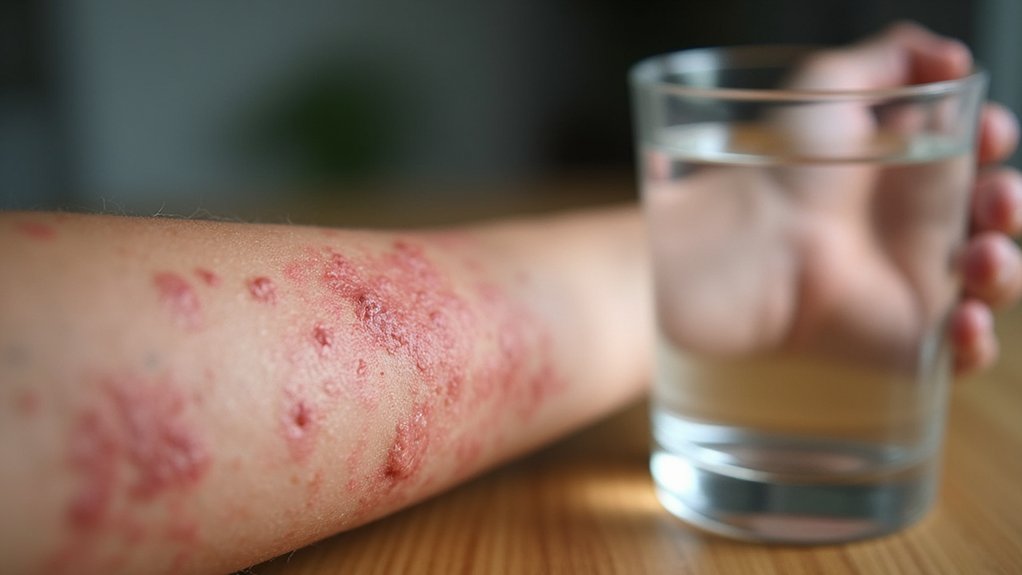
Because alcohol suppresses vasopressin, the hormone that regulates fluid retention, your body increases urine production and loses essential fluids rapidly during and after drinking. This diuretic effect depletes skin cells of moisture, causing tightness, dullness, and pronounced fine lines. Research shows ethanol exposure increases transepidermal water loss while compromising barrier function.
Effective moisture restoration strategies include:
- Increasing water intake alongside electrolyte drinks or low-sodium broth
- Applying gentle, hydrating skincare products containing ceramides
- Avoiding additional alcohol to prevent recovery delays
You’ll notice improving skin hydration within one week of abstinence. Your skin regains plumpness as barrier function restores and inflammation subsides. During this process, your kidneys work overtime to filter alcohol’s toxins, excreting vital minerals like zinc and magnesium that your skin needs for repair. Chronic alcohol consumption also impairs nutrient absorption, depriving your skin of essential vitamins needed for healthy cell regeneration. Proper rehydration counters alcohol’s dehydrating effects, reducing dryness and supporting your skin’s natural repair mechanisms during detox recovery. By three months of abstinence, you can expect enhanced skin elasticity and firmness as your body fully recovers from alcohol’s damaging effects.
The Role of Nutritional Deficiencies in Detox-Related Skin Problems
When your body lacks essential nutrients during alcohol detox, your skin often shows the damage first. Vitamin C deficiency can cause a distinctive non-blanching, petechial rash around hair follicles, while zinc deficiency triggers violaceous papules and plaques on your face and extremities. Both conditions stem from alcohol-induced malnutrition and malabsorption, but they respond well to targeted supplementation within weeks of treatment. Poor nutrition can leave the body lacking the essential vitamins and minerals needed for healing during the detox process. Since humans cannot synthesize vitamin C on their own due to lacking the enzyme gluconolactone oxidase, obtaining it through diet or supplements becomes critical during recovery. Niacin deficiency, another common issue in chronic alcohol users, causes pellagra, which presents with the 4 D’s: dermatitis, diarrhea, dementia, and death if left untreated.
Vitamin C Deficiency Rashes
Vitamin C plays a critical role in collagen synthesis throughout your skin, blood vessels, and connective tissue, making it essential for maintaining barrier integrity and elasticity during alcohol detox.
When you’re deficient, characteristic cutaneous signs emerge:
- Perifollicular hemorrhages, pinpoint red or violaceous spots around hair follicles
- Follicular hyperkeratosis, rough, keratosis pilaris-like bumps on upper arms and thighs
- Corkscrew hairs with dilated follicles and easy bruising
These findings typically develop after several months of inadequate intake. You may also notice bleeding gums, poor wound healing, and fatigue before rashes become prominent. Fatigue and irritability may actually appear as the earliest warning signs even before visible skin changes develop.
For scurvy prevention during detox, supplemental vitamin C corrects deficiency and reverses skin manifestations. Since chronic alcohol use commonly depletes multiple nutrients, your provider should evaluate for overlapping deficiencies causing mixed mucocutaneous presentations.
Zinc and Anemia Effects
Although chronic alcohol consumption depletes multiple micronutrients simultaneously, zinc deficiency stands out for its direct impact on skin integrity and barrier function. When you’re deficient in zinc, your body can’t properly repair DNA or neutralize reactive oxygen species, leading to increased lipid peroxidation that damages skin cells directly.
During detox, you may notice scaly, eczematous skin lesions, a hallmark of combined zinc and copper deficiency common in alcoholics. Nutrient malabsorption from alcohol-induced gut damage compounds this problem, as your intestinal barrier becomes compromised when zinc levels drop.
Research shows zinc supplementation reverses these skin manifestations while improving overall organ function. Adding zinc to your recovery diet helps prevent rough skin texture, strengthens your immune response, and accelerates wound healing. However, balanced supplementation matters, correcting zinc without addressing copper deficiency can worsen outcomes.
Alcohol Flush Reaction and Related Skin Conditions
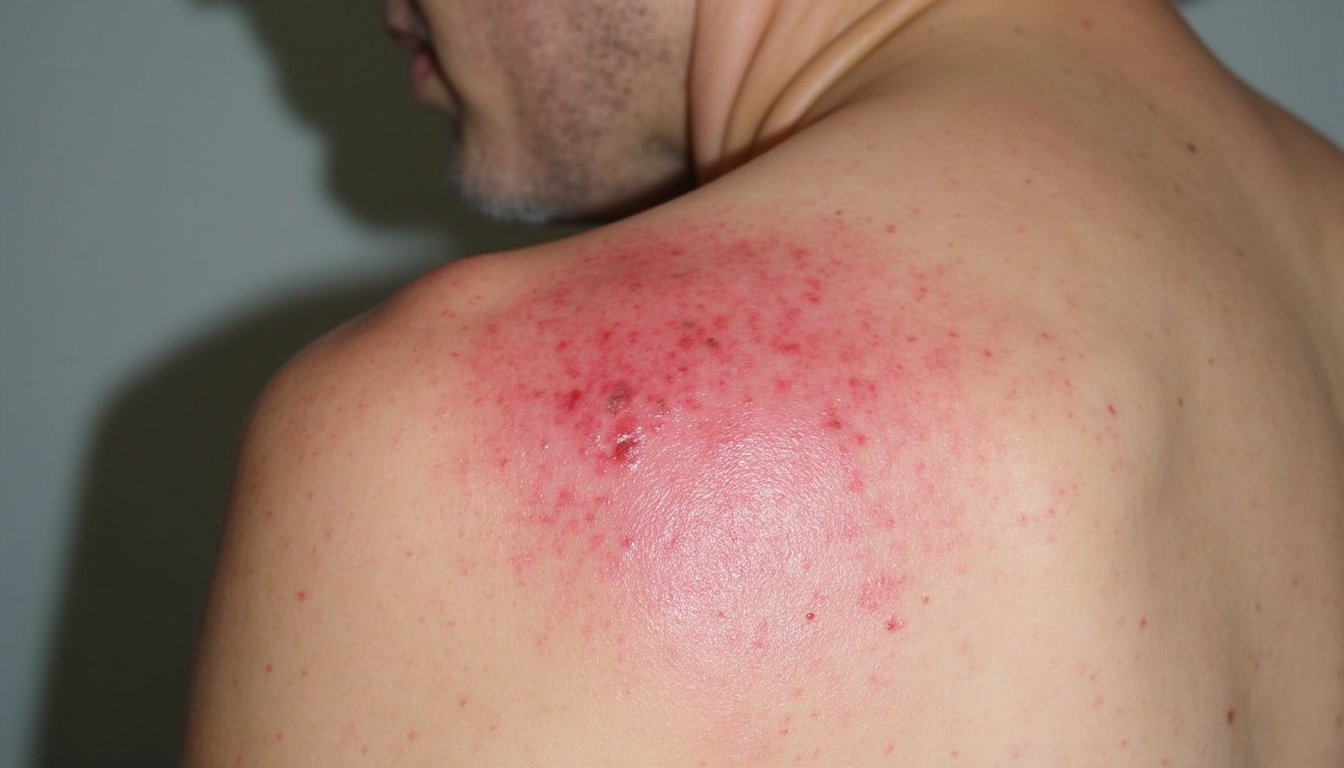
Because the body can’t efficiently break down acetaldehyde when aldehyde dehydrogenase 2 (ALDH2) is deficient, alcohol flush reaction produces distinctive erythema across the face, neck, shoulders, and ears, sometimes spreading to the entire body.
This genetic variant triggers histamine release, causing alcohol intolerance symptoms that manifest within minutes of consumption. You’ll notice rapid-onset flushing accompanied by:
- Hives and urticaria on affected skin areas
- Nasal congestion with general dermal discomfort
- Low blood pressure causing dizziness
The condition affects 30-50% of East Asian populations and carries increased cancer risks, particularly esophageal carcinoma, even with moderate drinking. Diagnosis involves an ethanol patch test where skin redness confirms ALDH2 deficiency. Related conditions include degreaser’s flush and red ear syndrome. Complete alcohol avoidance remains the only effective prevention strategy.
Factors That Increase Your Risk of Developing Detox Rashes
Why do some individuals develop severe skin manifestations during alcohol withdrawal while others experience minimal dermatological effects? Several risk factors determine your vulnerability to detox-related rashes.
Your chronic alcohol use duration directly impacts skin barrier integrity. Prolonged consumption depletes essential nutrients like vitamins B, C, and A while compromising liver function, leading to toxin accumulation and pruritus.
Preexisting skin conditions greatly elevate your risk. If you have eczema, dermatitis, or urticaria, withdrawal stress will likely exacerbate these conditions through increased immune reactivity and histamine release.
Your nutritional status matters enormously. Alcohol-induced dehydration and malnutrition impair your skin’s repair mechanisms, intensifying inflammatory responses during detox.
Additionally, autonomic nervous system overactivity triggers flushing, sweating, and vasodilation. Combined with genetic predispositions to allergies, these physiological factors create conditions where dermatological symptoms become more pronounced and persistent.
Recognizing the Symptoms of Withdrawal-Related Skin Issues
The skin changes that emerge during alcohol withdrawal follow recognizable patterns you’ll want to identify early. Dermatological indicators typically surface within 12, 48 hours after your last drink, aligning with withdrawal stage patterns of anxiety and tremors.
Watch for these primary symptoms:
- Flushing and hives, redness across your face, neck, or chest accompanied by raised, itchy welts that vary in size
- Intense pruritus, generalized itching with or without visible rash, often worsening at night
- Textural changes, dry, flaky, or scaly patches indicating dehydration and barrier disruption
You may experience burning sensations alongside visible inflammation. Symptoms fluctuate in intensity, often peaking when other withdrawal signs are strongest. Monitor for jaundice, non-blanching spots, or breathing difficulties, these require immediate medical evaluation.
Effective Home Remedies for Soothing Irritated Skin
Once you’ve identified withdrawal-related skin symptoms, you can begin addressing discomfort through targeted home interventions. Start with proper moisturizer application techniques: apply fragrance-free emollient creams or ceramide-containing products within 3, 5 minutes after lukewarm bathing to lock in hydration and restore your compromised skin barrier.
For botanical anti itch remedies, colloidal oatmeal baths deliver proven anti-inflammatory and antipruritic effects. Aloe vera gel provides cooling relief for mild redness, while patch-tested calendula or chamomile creams support healing of minor irritation.
Support your skin internally by increasing water intake, consuming omega-3 fatty acids, and incorporating vitamin C, rich foods. Limit caffeine and high-sodium foods to maintain hydration. Wear loose, breathable cotton fabrics to minimize friction and prevent overheating that exacerbates rashes.
Medical Treatment Options for Persistent Skin Rashes
When home remedies fail to resolve withdrawal-related skin symptoms within several days, medical evaluation becomes essential for accurate diagnosis and targeted treatment. Your provider will conduct a thorough skin examination, review your medication history, and order laboratory tests including liver function panels and vitamin levels to identify underlying causes.
Treatment options depend on your specific diagnosis:
- Oral antihistamines like cetirizine or hydroxyzine to control histamine-mediated itching and urticaria
- Topical or systemic corticosteroids with appropriate corticosteroid tapering protocols for severe inflammatory eruptions
- Nutritional supplementation, particularly vitamin C at 1, 2 grams daily for deficiency-related rashes
For treatment-resistant cases, your dermatologist may recommend phototherapy referrals or specialized testing such as skin biopsy. You’ll need immediate evaluation if you develop fever, mucosal involvement, or widespread blistering.
Frequently Asked Questions
How Long Do Skin Rashes Typically Last After Stopping Alcohol Consumption?
Your skin rashes typically last 7-14 days after stopping alcohol consumption, aligning with your body’s overall detox timeline. The initial rash duration spans the first 3-5 days as toxins exit through your skin. Rash severity progression often peaks around days 3-4, coinciding with intensified withdrawal symptoms, then gradually subsides. You’ll notice significant improvement by week two as your skin’s inflammatory response calms and cellular repair accelerates.
Can Detox Rashes Spread to Other People Through Physical Contact?
No, you can’t spread detox rashes to others through physical contact. Your rash transmission risk is zero because these skin reactions stem from internal processes, histamine release, immune dysregulation, and liver dysfunction, not infectious pathogens. Unlike bacterial or viral skin conditions, alcohol withdrawal rashes carry no contagion potential. They’re physiological responses to detoxification, meaning you don’t need isolation precautions. Medical guidelines confirm no contact avoidance is necessary for these non-communicable skin symptoms.
Should I Continue Detoxing at Home if My Rash Becomes Severe?
No, you shouldn’t continue detoxing at home if your rash becomes severe. You need to seek medical supervision immediately if you develop rapidly spreading lesions, blistering, skin peeling, or rash accompanied by fever, breathing difficulty, or mental status changes. Consider hospitalization when your rash shows non-blanching or petechial patterns, fails to improve with basic care, or occurs alongside significant withdrawal symptoms like confusion or seizures.
Will My Skin Permanently Improve After Completing Alcohol Detox?
Your skin can improve dramatically after detox, though permanent results depend on several factors. Liver damage severity, nutritional deficiencies, and pre-existing conditions like psoriasis influence recovery potential. You’ll likely notice skin texture changes within weeks as hydration and nutrition normalize. However, chronic inflammatory conditions may require ongoing management. Consistent post detox skin care, including moisturization, sun protection, and balanced nutrition, maximizes your chances of lasting improvement. Early-stage damage shows the best reversibility with sustained abstinence.
Can I Use Alcohol-Based Hand Sanitizers During Detox Without Triggering Rashes?
You can use alcohol-based hand sanitizers during detox, but your skin may react more intensely. Withdrawal heightens chemical sensitivity and compromises your skin barrier, increasing irritant contact dermatitis risk. If you notice redness, itching, or rashes on your hands, avoid alcohol-based sanitizers and switch to gentle soap and water. Choose fragrance-free formulas and apply bland moisturizer afterward. If reactions persist, seek medical advice for patch testing and alternative recommendations.