
Beer triggers more frequent urination than wine or liquor because you’re consuming 350-500 mL of fluid per serving compared to just 30-45 mL with spirits. This substantial volume rapidly distends your bladder wall, activating stretch receptors that signal urgency. Meanwhile, ethanol suppresses antidiuretic hormone release from your posterior pituitary, preventing aquaporin channels from inserting into collecting duct membranes. Understanding how these mechanisms interact throughout your drinking session reveals strategies for managing this diuretic response.
Why Beer Makes You Pee More Than Other Drinks
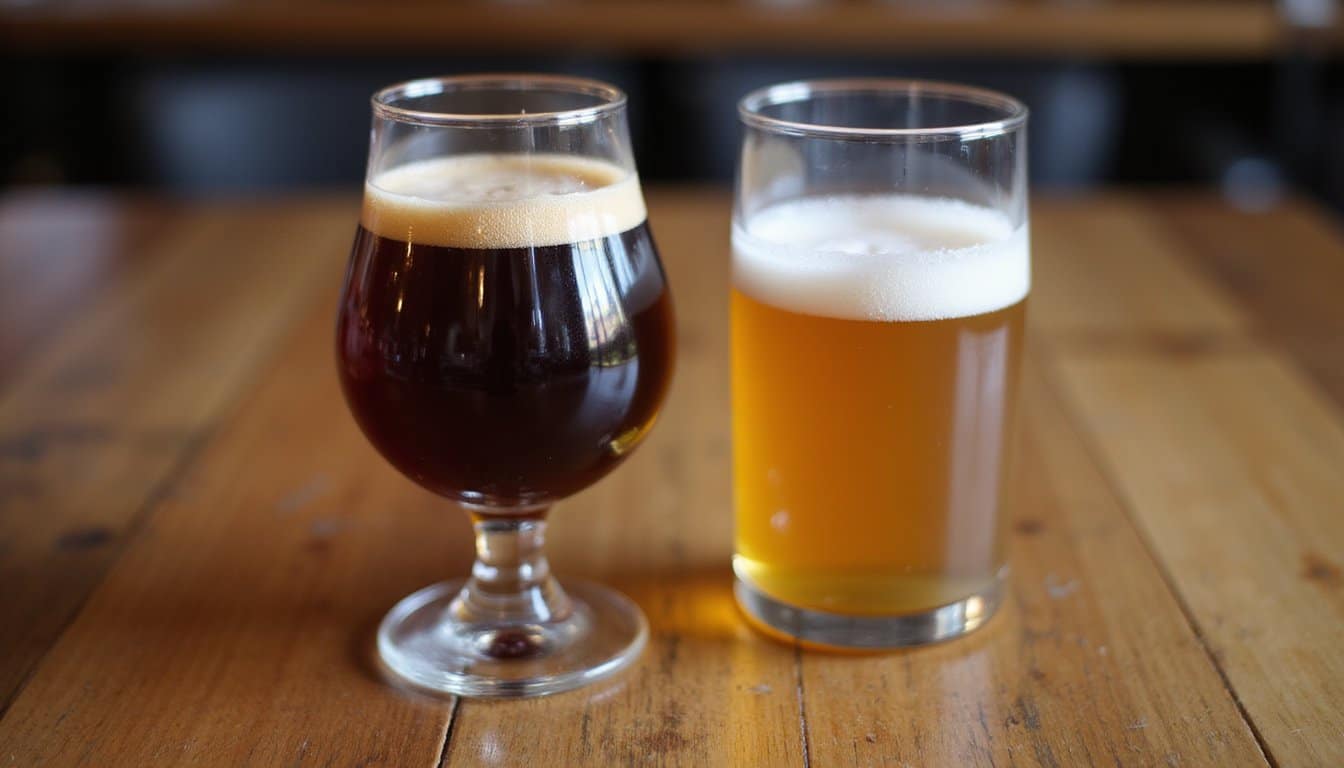
When you drink beer, the sheer volume of fluid entering your system triggers urinary output that exceeds what wine or liquor produces. Studies demonstrate that 1.6 liters of regular beer generates 1,218 mL of urine within three hours, significantly more than equivalent alcohol consumed via other beverages. This beer fluid volume rapidly distends your bladder, stimulating stretch receptors that signal urgency.
The beer diuretic effect stems from this volume-alcohol combination. In alcohol beverage comparison research, beer produces 1,337 grams of urine over four hours, surpassing even water’s output. Your cardiovascular system responds with heightened heart rate and blood pressure, further driving renal filtration. Peak diuresis occurs 60-90 minutes post-consumption, coinciding with maximum blood alcohol concentration and bladder wall irritation. Alcohol directly suppresses ADH release from the pituitary gland, preventing your kidneys from reabsorbing water and amplifying urine production beyond the fluid volume consumed. Adding mixers like fruit juices to spirits can also irritate the bladder, though beer’s higher volume still produces greater overall urinary output. Research shows that both alcoholic and non-alcoholic beer result in lower urine osmolality compared to wine and spirits, indicating more dilute urine and greater fluid loss.
How Alcohol Blocks the Hormone That Retains Water
When you consume alcohol, ethanol directly suppresses antidiuretic hormone (ADH) release from your posterior pituitary gland within minutes, preventing normal water retention signaling. Without adequate ADH circulating in your bloodstream, aquaporin channels fail to insert into your collecting duct membranes, rendering your kidney tubules impermeable to water reabsorption. This diuretic effect persists throughout your drinking session, causing your kidneys to excrete dilute urine at rates considerably exceeding the normal 1 milliliter per minute baseline.
ADH Suppression Mechanism
Alcohol directly suppresses antidiuretic hormone (ADH) secretion from your posterior pituitary gland within minutes of your first drink. This ADH secretion depression occurs as ethanol inhibits neurohypophyseal release mechanisms during rising blood alcohol concentrations. Your kidneys subsequently excrete free water while preserving electrolytes, producing dilute urine with decreased osmolality. Alcohol directly suppresses antidiuretic hormone (ADH) secretion from your posterior pituitary gland within minutes of your first drink. This ADH secretion depression occurs as ethanol inhibits neurohypophyseal release mechanisms during rising blood alcohol concentrations. Understanding how does alcohol affect urine concentration clarifies this response, because the suppression of ADH prevents the kidneys from concentrating urine effectively. Your kidneys subsequently excrete free water while preserving electrolytes, producing dilute urine with decreased osmolality.
| Factor | Mechanism | Clinical Effect |
|---|---|---|
| Ethanol concentration | Direct pituitary inhibition | Dose-dependent ADH suppression |
| Fluid volume | Increased bladder filling | Accelerated urination frequency |
| Alcohol beverage metabolism | Hepatic processing rate | Variable diuretic duration |
When comparing alcohol diuretic comparison across beverages, beer’s larger volume compounds this hormonal disruption. Your renal collecting ducts lose their ability to concentrate urine, maximizing water loss. This effect intensifies when you’re well-hydrated and diminishes with sustained blood alcohol levels. When comparing alcohol diuretic effects across beverages, beer’s larger volume compounds this hormonal disruption. Your renal collecting ducts lose their ability to concentrate urine, maximizing water loss. In discussions about is alcohol a diuretic poop, people often confuse alcohol’s diuretic effect with its impact on digestion; while alcohol primarily increases urine production, it can also stimulate intestinal activity in some individuals. This effect intensifies when you’re well-hydrated and diminishes with sustained blood alcohol levels.
Kidney Water Reabsorption Fails
Once ADH suppression takes hold, your kidneys’ collecting ducts lose their water-retaining function almost immediately. Your alcohol absorption rate directly influences how quickly this dysfunction manifests. Without adequate ADH signaling, aquaporin channels fail to insert into collecting duct membranes, preventing water reabsorption from tubular fluid.
The beer bladder response intensifies as medullary solute gradient deterioration compounds the problem:
- Your medullary interstitium loses osmotic concentration necessary for passive water movement
- Collecting duct cells become unresponsive to residual ADH circulating in plasma
- Tubular fluid passes through nephrons without concentration, producing dilute urine
- Hypotonic beer consumption accelerates gradient washout, further impairing concentrating ability
This cascade explains why your urine output escalates disproportionately, your kidneys cannot conserve water regardless of hydration status.
Duration of Diuretic Effect
Your body’s diuretic response to alcohol follows a predictable 4-hour timeline, with peak urinary output occurring approximately 1 hour after ingestion. During this window, alcohol concentration differences markedly influence urinary volume. Beverages exceeding 4% alcohol content produce substantially stronger diuretic responses, with spirits demonstrating maximum effect.
The diuretic effect duration extends through four hours post-consumption, though intensity diminishes gradually after the initial peak. By 24 hours, no measurable differences remain between alcohol beverage effects and non-alcoholic alternatives.
Your hydration status modulates this response considerably. Well-hydrated individuals produce peak outputs of 643 mL compared to just 113 mL in dehydrated states. Serum osmolality remains heightened for three hours, while blood alcohol concentration sustains elevation for approximately the same duration, driving continued renal water excretion throughout this clinically important period.
Beer vs. Wine vs. Liquor: Which Causes the Most Urination?
When you compare beer, wine, and liquor, you’ll find that volume per serving plays a critical role in urinary output, a single pint of beer delivers nearly three times the fluid of a standard wine pour. Alcohol percentage also differs noticeably, with wine and spirits containing 13% or higher concentrations that more potently suppress ADH release from your pituitary gland. Despite these concentration differences, studies show no remarkable variation in net urine output between beverage types when you adjust for total fluid volume consumed.
Volume Per Serving Matters
The volume of liquid you consume per serving dramatically influences urinary output, regardless of alcohol content. Your beer fluid load profoundly exceeds that of wine or spirits, stretching your bladder more rapidly and triggering frequent voiding responses. The volume of liquid you consume per serving dramatically influences urinary output, regardless of alcohol content. Your beer fluid load profoundly exceeds that of wine or spirits, stretching your bladder more rapidly and triggering frequent voiding responses. This effect also relates to the common question does alcohol dehydrate you, since increased urination from alcohol consumption can lead to fluid loss and contribute to dehydration.
Consider these volumetric differences:
- Beer volume intake typically delivers 350-500mL per serving, maximizing bladder distension
- Wine servings average 150mL, producing less mechanical bladder stimulation
- Spirits pours contain only 30-45mL, minimizing total fluid accumulation
- Beer hydration impact compounds over multiple servings, creating cumulative volume overload
Your bladder’s detrusor muscle responds directly to filling rate. When you consume multiple pints in quick succession, you’re introducing substantially more liquid than equivalent alcohol doses from concentrated beverages. This volume-driven mechanism explains why beer drinkers experience more frequent urination episodes per drinking session.
Alcohol Percentage Differences
Although beer, wine, and liquor all deliver approximately 0.6 ounces of pure alcohol per standard serving, their alcohol-by-volume (ABV) concentrations differ dramatically, beer averages 4-8% ABV, wine ranges from 11-14% ABV, and distilled spirits reach 35-50% ABV.
These variations in alcohol concentration and hydration directly affect your urinary system. Beer’s lower ABV requires you to consume 12 ounces of fluid to match the alcohol in 1.5 ounces of whiskey. This dilution influences beer absorption speed, as your gastrointestinal tract processes larger liquid volumes more rapidly.
Understanding alcohol beverage physiology reveals why concentration matters. Your kidneys filter blood continuously, and greater fluid intake accelerates glomerular filtration rates. Wine and spirits concentrate alcohol in minimal volumes, reducing total bladder fill while delivering equivalent ethanol doses.
Comparative Diuretic Effects
Because alcohol concentration, not total alcohol consumed, drives acute diuretic responses, spirits and wine dramatically outpace beer in stimulating urine production. Your kidneys respond to alcohol by suppressing vasopressin, and higher ABV beverages trigger this mechanism more aggressively. When examining alcohol volume and urination patterns, you’ll find beer diuretic strength remains clinically insignificant compared to stronger alternatives.
Cumulative 4-Hour Urine Output Increases:
- Spirits (35% ABV): 194 mL increase with effect size 0.18 mL (p < 0.001)
- Wine (13.5% ABV): 79 mL increase with effect size 0.25 mL (p < 0.003)
- Beer (5% ABV): No measurable difference versus non-alcoholic beer (p > 0.70)
- Non-alcoholic beer: Maintained ideal alcohol beverage fluid balance with lower urine osmolality
Your bladder activity depends on concentration-dependent vasopressin suppression, not total fluid consumed.
Why Your First Beer Hits Harder Than Your Third
Several physiological mechanisms explain why your first alcoholic beverage produces more noticeable effects than subsequent drinks consumed during the same session. Your gastric emptying rate slows markedly after initial alcohol exposure, affecting alcohol absorption dynamics in your gastrointestinal tract. Additionally, your liver initiates metabolic adaptation, increasing enzyme activity to process ethanol more efficiently.
| Physiological Factor | First Drink | Third Drink |
|---|---|---|
| Gastric Emptying | Rapid | Delayed |
| Enzyme Activity | Baseline | Amplified |
| Perceived Effects | Pronounced | Diminished |
Your body’s acute tolerance development begins within minutes of your first drink. Neuroreceptors in your central nervous system adjust their sensitivity, reducing your subjective perception of intoxication despite rising blood alcohol concentrations.
When You’ll Need the Bathroom Most After Drinking
Your body’s acute tolerance mechanisms explain why intoxication perception shifts across drinks, but a separate physiological timeline governs urinary output patterns throughout your drinking session. The beer urination mechanism triggers ADH inhibition within 20 minutes, initiating a predictable cascade of bladder events.
Peak Urination Timeline:
- 0-2 hours: Your beer bladder filling rate accelerates 150%, producing 12.7 fl oz urine per 8.5 fl oz beer consumed
- 2-4 hours: Bladder saturation peaks with post-void dribbling episodes emerging
- 4-6 hours: Cortical disinhibition causes missed urgency signals and potential leaks
- 90-minute mark: Beer and fluid retention patterns reverse sharply, reaching 20-27 fl oz bladder volume after three servings
Understanding this timeline helps you anticipate bathroom needs and manage hydration strategically during social drinking situations.
Does Beer Actually Dehydrate You?
While the previous section mapped urination timing patterns, the question of whether beer causes true dehydration requires examining net fluid balance data.
Your beer kidney response differs considerably based on alcohol concentration. Full-strength beer (5%) achieves only 21% fluid retention after five hours, compared to 42% for isotonic sports drinks. This stark contrast in alcohol drink hydration levels demonstrates beer’s poor rehydration capacity.
When comparing beer vs wine urination effects, volume matters. You’ll produce 299 mL of urine one hour after consuming 5% beer versus 105 mL with sports drinks. Non-alcoholic and low-alcohol beers match water’s rehydration capacity, confirming alcohol, not beer’s other components, drives fluid loss.
Even consuming 150% of your sweat loss as full-strength beer with added sodium still results in net dehydration.
How to Reduce Bathroom Trips While Drinking Beer
Because alcohol’s diuretic properties stem from ADH suppression, you can implement targeted strategies to minimize urinary frequency without abandoning beer entirely. Understanding beer urinary frequency cause helps you counteract beer systemic effects through deliberate interventions.
- Limit consumption to CDC guidelines, two drinks maximum for men, one for women, to reduce diuretic impact on your renal system.
- Alternate alcoholic beverages with water to offset beer water content and maintain electrolyte balance.
- Select lower-alcohol beer options or dilute with non-alcoholic mixers to decrease ADH suppression intensity.
- Consume food before drinking to slow gastric emptying and alcohol absorption rates.
Additionally, strengthen your pelvic floor musculature through Kegel exercises. Avoid combining beer with caffeine, which compounds diuretic effects and bladder irritation.
Your Recovery Journey Begins Here
Alcohol addiction can turn your life upside down for you and everyone who loves you, but healing is always possible. At Alcohol Awareness, we are committed to helping you discover the right Alcohol Recovery Programs to rebuild your life and embrace a brighter tomorrow. Call (855) 955-0771 today and make the decision that could transform your life.
Frequently Asked Questions
Does Carbonation in Beer Make You Urinate More Than Flat Alcoholic Drinks?
Carbonation doesn’t directly increase your urine output compared to flat alcoholic drinks. Studies show carbonated water produces no difference in urinary volume versus still water. However, carbonation irritates your bladder’s detrusor muscle, triggering urgency and more frequent voiding sensations. You’re not producing more urine, you’re experiencing heightened bladder sensitivity and spasms. The increased urination you notice from beer stems primarily from its higher fluid volume, not its carbonation.
Why Do Regular Beer Drinkers Seem to Urinate Less Than Occasional Drinkers?
Your body develops tolerance through reduced diuretic sensitivity when you drink regularly. Your kidneys adapt to chronic alcohol exposure, reabsorbing water more efficiently despite continued ADH suppression. You’ve also trained your pituitary gland to maintain heightened baseline antidiuretic hormone production, offsetting alcohol’s inhibitory effects. Additionally, you’re likely operating from a lower baseline hydration status due to cumulative fluid losses, which blunts your renal response to each subsequent beer you consume.
Can Drinking Milk or Juice Before Beer Reduce Bathroom Trips?
Research doesn’t confirm that drinking milk before beer reduces your bathroom trips. However, your hydration status greatly impacts urinary output. If you’re slightly dehydrated before consuming alcohol, you’ll produce considerably less urine, approximately 261 mL over four hours compared to 1,279 mL when well-hydrated. Orange juice and oral rehydration solutions do produce less urine than water or beer, but their effectiveness as pre-drinking strategies for reducing beer-induced diuresis remains unverified.
Does Age Affect How Much Beer Makes You Urinate?
Yes, age drastically affects your urinary response to beer. As you age past 50, your bladder capacity decreases to approximately 500 ml, while detrusor muscle overactivity increases. You’ll experience reduced sphincter strength and diminished bladder elasticity, creating urgency at lower volumes. Your ADH regulation becomes less efficient, and renal function decline affects tubular reabsorption. You’re likely to notice baseline frequency jumping from 4, 5 to 8, 10 bathroom trips after consuming three standard drinks.
How Does Your Hydration Level Before Drinking Affect Urine Output?
Your pre-drinking hydration status profoundly influences alcohol’s diuretic effect. When you’re well-hydrated, alcohol effectively suppresses antidiuretic hormone (ADH) release, causing your kidneys to excrete vastly more urine. However, if you’re already dehydrated, your body’s compensatory fluid-conservation mechanisms override alcohol’s ADH-blocking action, blunting urine production. Research shows euhydrated individuals produce approximately 158 ml more urine over four hours compared to hypohydrated individuals consuming identical alcoholic beverages.