
The burning sensation you feel from alcoholic drinks primarily depends on their ethanol concentration and chemical composition. Higher-proof spirits (40%+ ABV) trigger more intense reactions in your throat’s TRPV1 pain receptors than lower-alcohol beverages like beer or wine. Additional factors like aging compounds, tannins, and congeners can amplify this effect. Your genetic makeup also influences your sensitivity to alcohol’s burn. Understanding these mechanisms can help you make informed choices about your drink selection.
The Science Behind Alcohol’s Burning Sensation
When you consume alcoholic beverages, ethanol molecules trigger a complex neurobiological response by activating TRPV1 receptors in your throat and mouth. These sensory receptors, which typically detect heat and spicy compounds, create a burn sensation despite no actual temperature increase. The intensity varies based on your genetic differences, with some individuals experiencing heightened sensitivity due to variations in TRPV1 and taste receptor genes. Bitter taste sensitivity can lead to reduced alcohol consumption in some people.
As a chemical irritant, ethanol dehydrates and damages mucous membranes, while its solvent properties can harm epithelial cells. The alcohol composition, including congeners and impurities, further influences the burning effect. Cold temperature drinks can significantly reduce the burning sensation in your throat. Higher alcohol by volume beverages like whiskey and vodka create more intense burning sensations compared to lower-proof drinks. Additional factors like pH levels and added flavors in certain drinks can intensify this sensation. Your central nervous system processes these signals, creating both physical and emotional responses to the perceived burn.
Understanding Alcohol Content and Burn Intensity
The direct relationship between alcohol concentration and throat burn manifests through clear physiological mechanisms. When you consume drinks with higher ethanol concentration, they trigger more intense activation of your TRPV1 pain receptors, leading to increased burn perception. This physiological response varies considerably across alcohol varieties, with higher-proof spirits producing markedly stronger throat irritation. Persistent dehydration from strong alcoholic beverages can significantly worsen throat discomfort and burning sensations. Regular consumption of high-alcohol drinks can lead to chronic acid reflux and associated complications. Beer and wine tend to cause less irritation since they contain lower ethanol levels and actually stimulate gastric acid secretion in a more moderate way.
| Alcohol Type | Typical ABV | Burn Intensity |
|---|---|---|
| Beer/Wine | 4-14% | Mild |
| Liqueurs | 15-30% | Moderate |
| Spirits | 40%+ | Severe |
You’ll experience greater immediate discomfort with high-ABV beverages due to their enhanced ability to irritate mucous membranes. Additionally, concentrated ethanol can damage protective throat tissues, making each subsequent sip feel progressively more intense.
How Different Types of Spirits Affect Your Throat
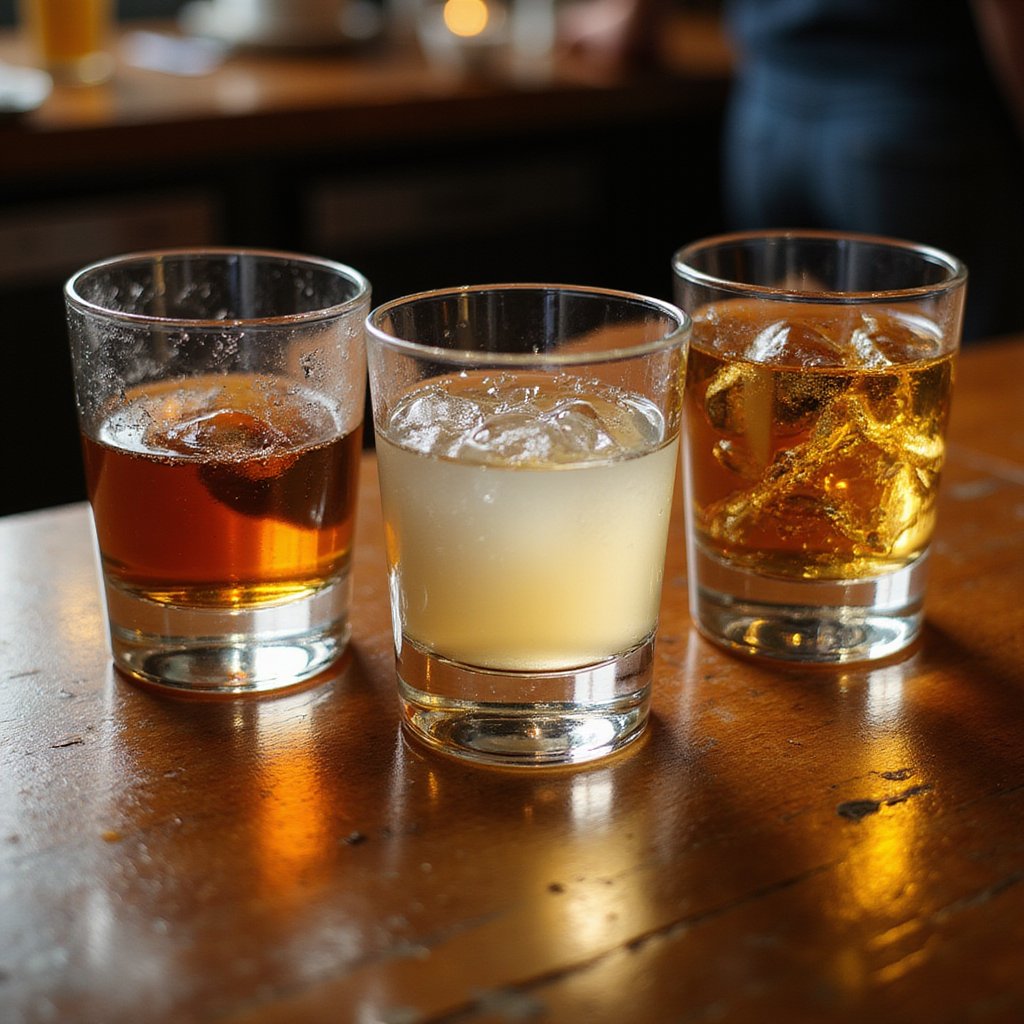
When you consume spirits, the proof level directly correlates with the intensity of throat burn you’ll experience, as higher concentrations of ethanol more aggressively stimulate your TRPV1 pain receptors. Your throat’s response to aged spirits like whiskey differs from neutral spirits, since barrel-aging introduces tannins and byproducts that amplify the burning sensation beyond what ethanol alone would cause. Both beer and liquor show similar cancer risks when consumed regularly. Acid reflux symptoms can worsen when drinking alcohol, especially if consumed close to bedtime. You’ll notice that spirits aged in wood, such as bourbon or scotch, produce a more complex burn pattern than vodka, which relies primarily on ethanol concentration for its throat-warming effects. Taking small sips slowly allows your palate to gradually adjust to the intense sensations while better appreciating the spirit’s complex flavors.
Proof Levels Matter Most
Since proof levels directly correlate with throat burn intensity, understanding alcohol by volume (ABV) becomes essential for anticipating a spirit’s impact on your throat. Higher proof measurement directly activates your TRPV1 receptors, the same ones triggered by chili peppers, creating that characteristic burning sensation. You’ll notice spirits like whiskey and vodka (40-50% ABV) burn markedly more than beer (4-7% ABV) or wine (12-15% ABV).
Your alcohol tolerance won’t change this fundamental reaction; it’s pure chemistry. When you consume high-proof spirits, more ethanol molecules evaporate at mouth temperature, intensifying both throat and chest burn. Additionally, rapid consumption through shots or chugging amplifies this effect by exposing your throat tissue to concentrated ethanol quickly, while mixing with non-alcoholic beverages reduces the burn by lowering the final ABV. For accurate information about alcohol’s effects, some websites may be restricted by security to protect against potential threats.
Aging Changes Burn Intensity
As spirits age in wooden barrels, their chemical composition undergoes significant transformations that reduce throat burn intensity. Through barrel maturation, tannins and congeners interact with alcohol molecules, while volatile compounds responsible for harsh sensations gradually evaporate. You’ll notice these aging effects particularly in whiskeys, brandies, and aged tequilas. Higher proof liquors tend to create more intense burning sensations due to increased alcohol content. The flavor-smoothing process occurs as wood-derived compounds like vanillin and lactones are extracted, masking the raw ethanol burn. Meanwhile, ethanol reduction happens naturally through evaporation, leading to a smoother mouthfeel. Your VR1/TRPV1 pain receptors respond less intensely to aged spirits due to accumulated esters and phenolic compounds that round out sharp edges. Smoking while drinking can significantly worsen throat irritation and burning sensations. The relaxation of the lower esophageal sphincter can intensify burning sensations when consuming any type of alcohol. In contrast, unaged spirits like vodka and white rum maintain their characteristic burn since they lack these mellowing transformations from oak contact.
Mixers, Additives, and Their Impact on Burn
The strategic selection of mixers and additives plays an essential role in modulating alcohol’s throat burn through multiple chemical and physical mechanisms. You’ll find that sugary mixers and cream-based additives effectively reduce burn by coating your throat’s mucous membranes and creating protective barriers against ethanol. While fruit purees and dairy products offer beneficial viscosity effects, you’ll want to be cautious with carbonated and high-acid mixers, which can intensify the burning sensation. The drink’s acidity level considerably impacts your experience; neutral or alkaline mixers like milk help buffer the burn, while acidic additions amplify it. Understanding these interactions lets you make informed choices: opt for sugar-containing or cream-based mixers to minimize burn, and avoid combinations of carbonation and high acidity if you’re seeking a smoother drinking experience.
Physical Factors That Influence Alcohol Burn
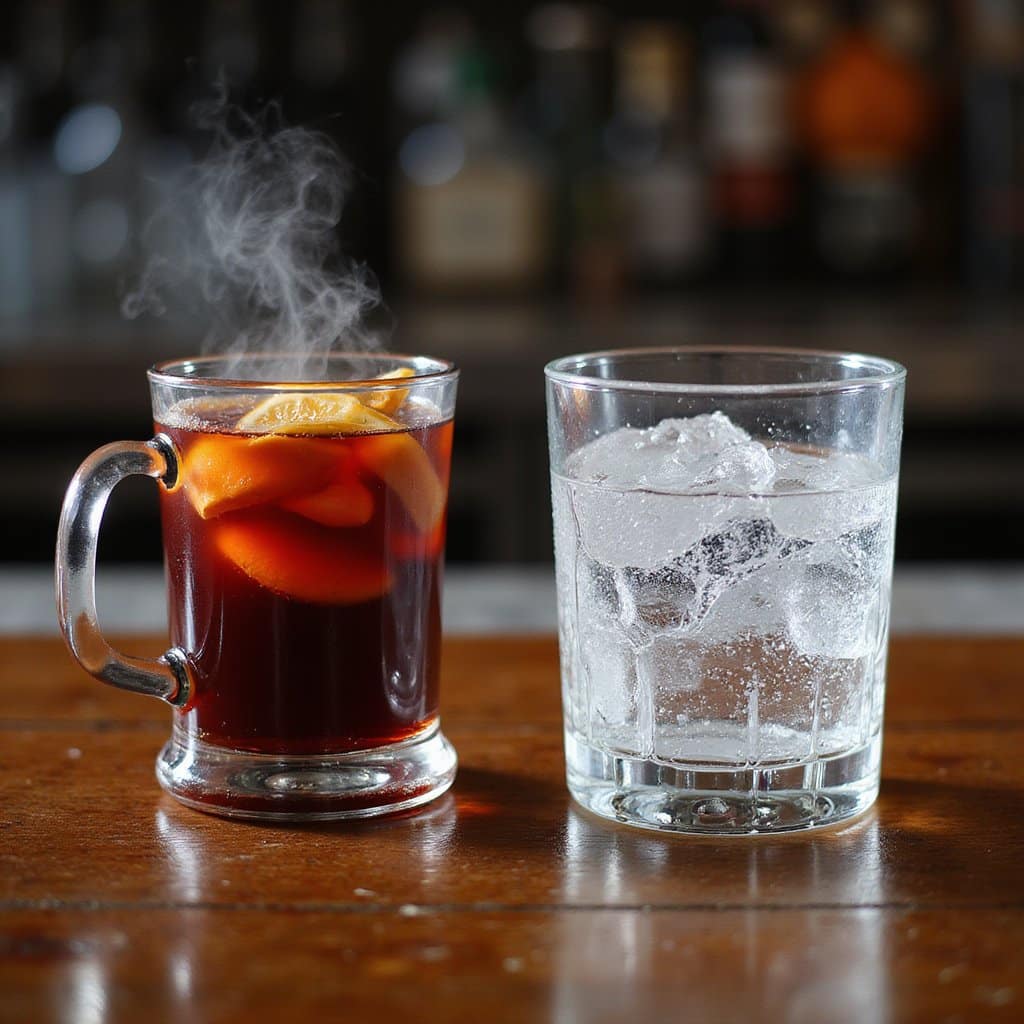
Multiple physical factors directly influence how intensely you experience alcohol’s characteristic burn, with ethanol concentration playing the most important role. Your throat sensitivity increases considerably with higher-proof spirits (>40% ABV), while temperature effects can either amplify or diminish the burning sensation. Cold temperatures numb your receptors, reducing discomfort, but warm drinks intensify tissue irritation. The dehydrating effects of consuming alcohol can make throat irritation even more severe. Frequent alcohol consumption can cause sphincter weakness, allowing stomach acids to worsen throat burning.
| Physical Factor | Impact on Burn |
|---|---|
| High ABV (>40%) | Severe irritation |
| Cold Temperature | Reduced sensitivity |
| Warm Temperature | Enhanced burning |
The drying effects of alcohol as a solvent strip protective mucus and moisture from your throat tissues, leading to increased inflammation. When combined with direct chemical damage to epithelial cells, these physical factors create conditions that can considerably impact how intensely you’ll feel the characteristic burn of alcoholic beverages.
Building Tolerance and Individual Sensitivity
Beyond physical factors that cause throat burn, individual responses to alcohol vary considerably based on biological and behavioral adaptations. Your tolerance development depends on multiple factors, including genetics, frequency of consumption, and body mass. You’ll find that repeated exposure leads to neural adaptations, particularly changes in NMDA and GABA receptor expression, which reduce alcohol’s effects over time. The development of tolerance can occur rapidly, with acute tolerance developing within minutes during a single drinking session.
Individual sensitivity varies considerably due to genetic polymorphisms in alcohol-metabolizing enzymes. You may notice differences based on your ethnic background, as certain populations show distinct alcohol response patterns. Your age, sex, and body composition also influence how intensely you experience the burning sensation. Environmental context matters too; where and how you typically drink can affect your perceived tolerance through learned associations.
Managing and Reducing Throat Burn While Drinking
Managing throat burn while drinking alcohol requires a strategic combination of proven techniques and sensory awareness. You’ll find relief through specific drinking techniques, proper food pairings, and targeted hydration strategies. Quality selection of spirits plays an essential role in minimizing discomfort.
| Strategy | Method | Impact |
|---|---|---|
| Dilution | Add ice/water | Reduces alcohol concentration |
| Technique | Small sips, exhale after | Minimizes vapor contact |
| Protection | Consume fatty foods | Creates protective coating |
| Quality | Choose premium spirits | Fewer harsh congeners |
Why Some Drinks Hit Harder Than Others
Frequently Asked Questions
Does Drinking Alcohol Through a Straw Reduce Throat Burn?
No, drinking through a straw won’t reduce your throat burn. The straw’s diameter and alcohol’s viscosity don’t affect how ethanol activates your TRPV1 pain receptors in throat tissues. You’ll still experience the same burning sensation because ethanol makes direct contact with your mucous membranes, regardless of delivery method. In fact, you might drink faster through a straw, potentially intensifying the burn due to increased alcohol volume over time.
Can Certain Medications Make Alcohol Burn More Intensely?
Yes, certain medications can greatly intensify alcohol’s burning sensation through various medication interactions. If you’re taking antibiotics like metronidazole, NSAIDs, or disulfiram-type drugs, you’ll likely experience enhanced burning and discomfort when drinking. These medications can alter alcohol absorption and metabolism, leading to increased acetaldehyde levels or heightened mucosal sensitivity. Additionally, some drugs can cause disulfiram-like reactions, resulting in severe burning sensations, flushing, and gastrointestinal distress.
Why Does Alcohol Burn More on an Empty Stomach?
When you drink on an empty stomach, alcohol absorption occurs more rapidly since there’s no food to slow its passage into your small intestine. This means higher concentrations of alcohol directly contact your stomach lining and throat tissue without any protective buffer. You’ll experience more intense burning sensations because the undiluted alcohol triggers a stronger response from pain receptors and causes greater irritation to your mucosal membranes.
Does Smoking Affect How Much Alcohol Burns Your Throat?
Yes, smoking greatly increases how much alcohol burns your throat. The smoking effects include chronic inflammation and irritation of your throat’s mucous membranes, making them more sensitive to alcohol’s burn. You’ll experience heightened throat sensitivity because smoking upregulates TRPV1 pain receptors, the same ones that respond to alcohol. Additionally, smoking impairs your throat tissue’s healing ability and blood flow, making the burning sensation more intense and longer-lasting when you drink.
Can Throat Burn From Alcohol Indicate an Underlying Medical Condition?
Yes, persistent throat burn from alcohol can signal several underlying medical conditions. If you’re experiencing chronic throat irritation when drinking, it could indicate GERD, laryngopharyngeal reflux, or early signs of more serious conditions like throat cancer. These medical symptoms shouldn’t be ignored, especially if they’re accompanied by hoarseness, frequent throat clearing, or difficulty swallowing. Your heightened sensitivity might also reveal immune system disorders or alcohol intolerance requiring professional evaluation.