Hangxiety typically lasts 12 to 24 hours as your brain rebalances GABA and glutamate levels disrupted by alcohol. You’ll notice symptoms peak around 12 to 18 hours post-drinking when glutamate surges to two to three times normal levels. If you’re a heavy drinker or have pre-existing anxiety, expect recovery to extend 48 to 72 hours. Several key factors determine where you’ll fall on this timeline. Hangxiety typically lasts 12 to 24 hours as your brain rebalances GABA and glutamate levels disrupted by alcohol. You’ll notice symptoms peak around 12 to 18 hours post-drinking when glutamate surges to two to three times normal levels. During this period, many people experience hangover anxiety physical symptoms such as a racing heart, sweating, restlessness, and shakiness. If you’re a heavy drinker or have pre-existing anxiety, expect recovery to extend 48 to 72 hours. Several key factors determine where you’ll fall on this timeline.
How Long Does Hangxiety Last?
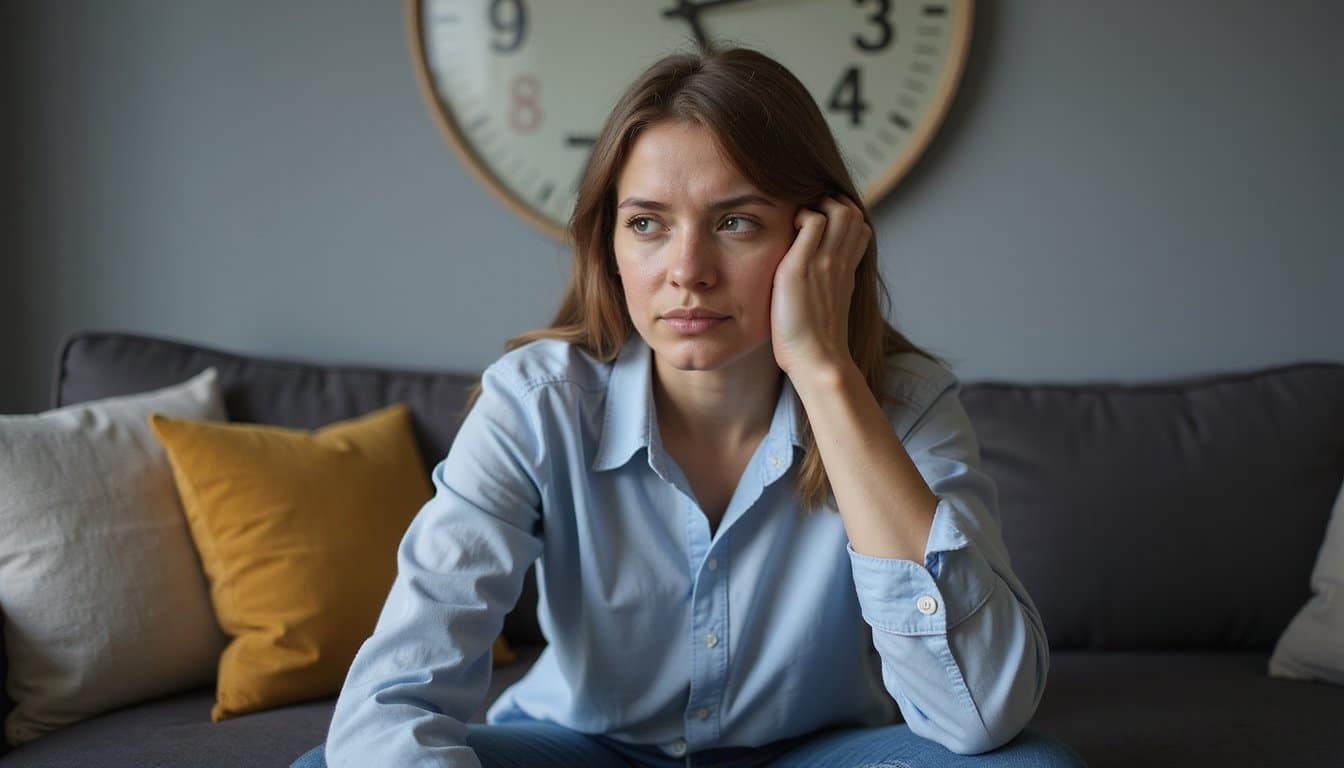
How quickly can you expect relief from that post-drinking anxiety? For most individuals, hangxiety lasts between 12 and 48 hours, with symptoms peaking within the first 24 hours after your last drink.
Your experience typically follows this pattern: mild cases resolve within hours of waking, while moderate cases persist throughout the day. If you’re experiencing anxiety 2 days after drinking, you’re dealing with a more severe presentation, particularly common among those with pre-existing anxiety disorders or after heavy consumption. Your experience typically follows this pattern: mild cases resolve within hours of waking, while moderate cases persist throughout the day. This pattern also reflects the broader question of does drinking alcohol cause anxiety and depression, as alcohol’s effects on neurotransmitters and stress hormones can prolong emotional symptoms after drinking. If you’re experiencing anxiety 2 days after drinking, you’re dealing with a more severe presentation, particularly common among those with pre-existing anxiety disorders or after heavy consumption.
A two day hangover with persistent anxious symptoms indicates your brain chemistry needs additional recovery time. As alcohol wears off, GABA levels drop, causing overactivity in the brain that leads to racing thoughts and restlessness. Disrupted REM sleep during intoxication increases cortisol levels, which further amplifies these anxious feelings. In some cases, hangxiety lasts for days, extending up to 72 hours when compounded by sleep debt, chronic stress, or repeated drinking episodes. Research suggests that severity and duration may increase with age, making recovery progressively harder as you get older.
The Hangxiety Timeline: Hour by Hour
Breaking down hangxiety into distinct phases reveals predictable neurobiological patterns that unfold as alcohol leaves your system. The alcohol withdrawal timeline follows a consistent trajectory, though individual hangxiety duration varies based on consumption levels and baseline anxiety sensitivity.
Hangxiety follows a predictable neurobiological timeline as alcohol exits your system, though duration varies by individual sensitivity.
During post-drinking anxiety, your brain chemistry shifts dramatically:
- Hours 2-6: Glutamate levels surge while GABA remains suppressed, triggering shallow breathing, muscle tension, and racing thoughts as your cortisol awakening response peaks.
- Hours 6-12: Heart rate variability drops to its lowest point, and panic-like sensations emerge without identifiable triggers.
- Hours 12-24: Glutamate reaches 2-3x normal baseline, dopamine depletion intensifies emotional volatility, and GABA receptor downregulation sustains rebound anxiety until neurochemical stabilization begins.
Why Hangxiety Peaks the Morning After
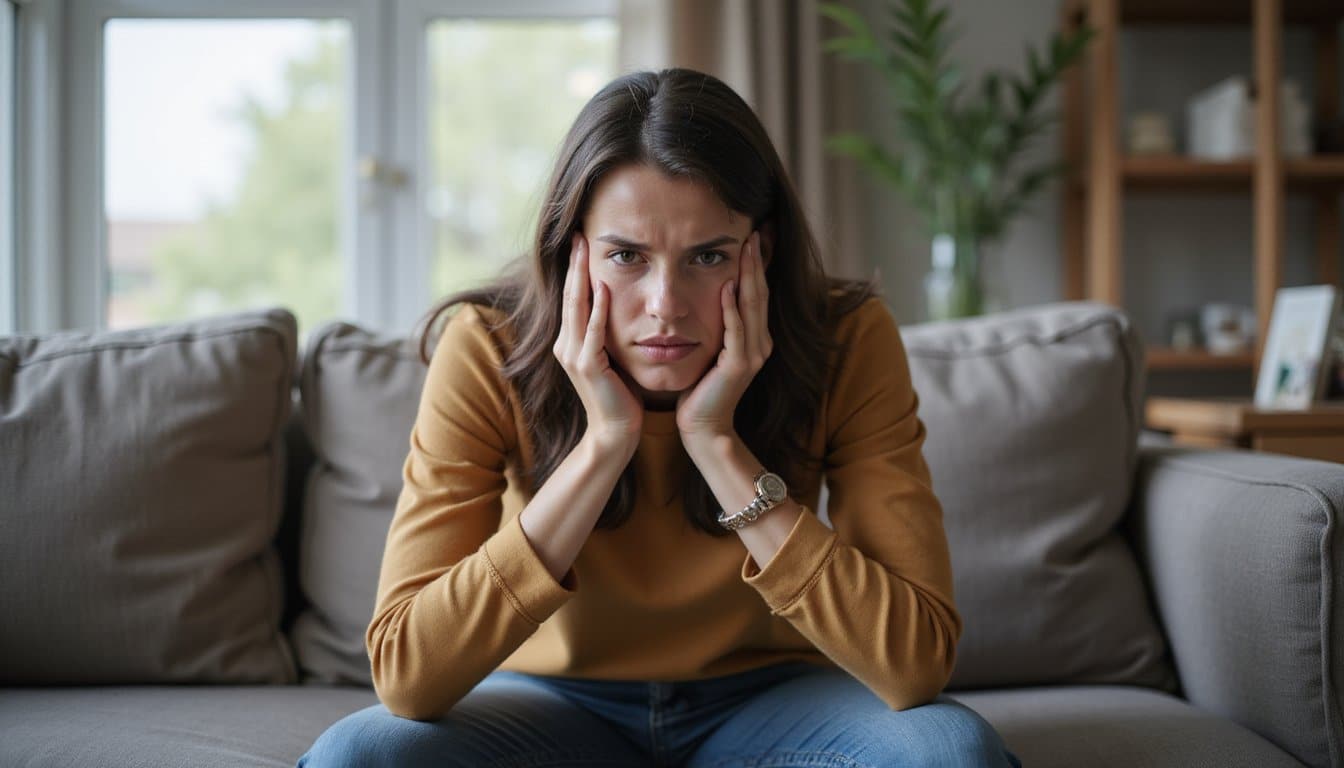
Simultaneously, you’re experiencing GABA glutamate imbalance. As alcohol’s sedative effects wear off, your brain loses inhibitory control while excess glutamate floods your system, creating excitatory overdrive.
The sleep disruption cycle compounds everything. You’ve likely awakened around 3 a.m. with racing thoughts, missed critical REM sleep, and now face morning with depleted neurochemical reserves. These factors converge precisely when you wake.
5 Reasons Your Hangxiety Lasts Longer
While most people recover from hangxiety within 24 to 48 hours, certain factors can extend your symptoms well beyond that window.
Key factors that prolong hangxiety:
- HighAlcoholConsumption, Heavy drinking intensifies neurotransmitter imbalances, creating severe GABA depletion and glutamate surges that delay brain chemistry stabilization.
- PreexistingAnxietyDisorders, If you have baseline anxiety, you’re prone to amplified mini-withdrawal effects and disrupted emotional regulation, extending recovery markedly.
- PoorGeneralHealth, Inadequate nutrition, chronic stress, and sedentary habits slow your body’s ability to rebalance electrolytes and neurotransmitters.
Your psychological state also matters. Guilt from embarrassing behaviors triggers sustained cortisol release, compounding physical symptoms. Blackout-induced memory gaps fuel imagined negative scenarios, prolonging shame-based anxiety. When these factors converge, hangxiety can persist for several days rather than hours.
Mild vs. Severe: What’s Your Recovery Window?
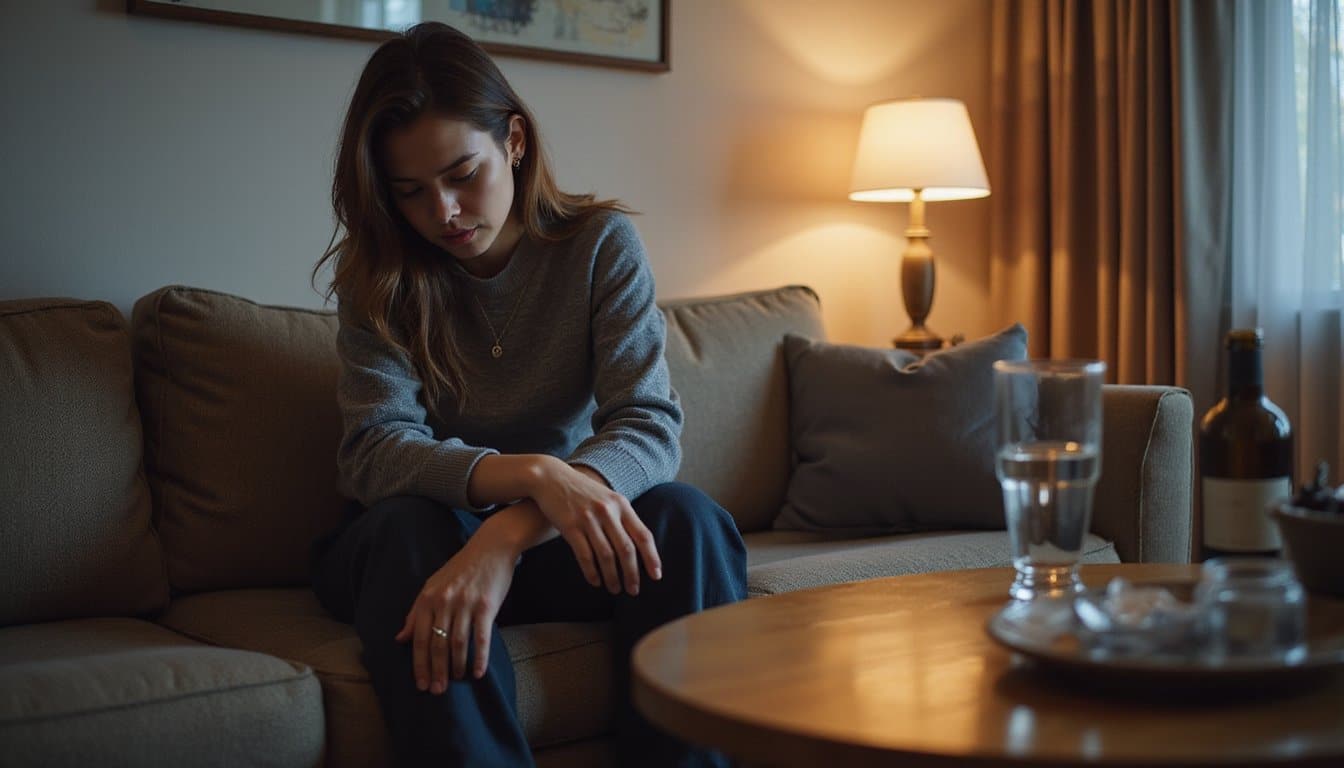
Your recovery window depends largely on symptom severity and drinking patterns. Mild hangxiety typically resolves within 24 hours as your body rehydrates and neurotransmitter levels stabilize. Severe cases, particularly those involving heavy consumption or pre-existing anxiety conditions, can extend symptoms for 48 to 72 hours.
Mild Hangxiety Recovery Time
How quickly does mild hangxiety resolve compared to more severe episodes? Your hangover recovery time for mild cases typically spans just hours, not days. If you still feel weird after drinking, expect peak symptoms within the first few hours after waking, with significant improvement by evening.
Clinical indicators of mild recovery include:
- Symptoms fade within 24 hours without intervention when you maintain hydration and rest
- Post alcohol depression duration remains brief, clearing as blood sugar stabilizes and sleep debt resolves
- Anxiety peaks then subsides as your body processes remaining alcohol metabolites
Factors accelerating your recovery include efficient enzyme activity, adequate fluid intake, and quality sleep. If symptoms persist beyond 24 hours, reassess alcohol consumption patterns and consider underlying anxiety sensitivity.
Severe Symptoms Last Longer
Severe hangxiety episodes extend well beyond the 24-hour window that characterizes mild cases, often persisting 48 hours or longer in individuals with pre-existing anxiety disorders. When examining how long does hangxiety last in severe presentations, research indicates that 25% of individuals continue experiencing moderate anxiety during hangover recovery into the second day.
Heavy alcohol consumption intensifies neurochemical rebound effects, directly extending your recovery timeline. Regular drinkers consuming alcohol four or more times weekly report hangxiety symptoms lasting an average of 18 hours longer than occasional drinkers.
Peak symptom intensity occurs between 12 and 18 hours post-drinking, with 89% of people reporting worst symptoms during this window. Contributing factors include sleep disruption, acetaldehyde accumulation, and underlying anxiety disorders. Chronic drinkers may develop Post-Acute Withdrawal Syndrome, producing recurring symptoms over months.
When Hangxiety Lasts Beyond 48 Hours
When hangxiety extends beyond the typical 24 to 48-hour window, it often signals that your body’s neurochemistry hasn’t fully recalibrated. Heavy alcohol consumption delays GABA restoration while prolonging glutamate hyperactivity, creating sustained nervous system dysregulation. Heightened cortisol levels amplify this effect, pushing symptoms toward the 72-hour mark.
Key factors extending your recovery timeline include:
- Binge drinking episodes that deplete neurotransmitter reserves beyond standard recovery capacity
- Fragmented REM sleep that prevents restorative brain chemistry reset
- Pre-existing anxiety sensitivity that intensifies neurological vulnerability
If you’re experiencing hangxiety beyond 48 hours following moderate drinking, this warrants clinical evaluation. Persistent symptoms after 72 hours suggest potential alcohol use disorder or underlying anxiety conditions requiring professional assessment.
Quick Ways to Shorten Your Hangxiety
You can accelerate hangxiety recovery by targeting the physiological disruptions alcohol causes. Start by rehydrating with electrolyte-rich fluids like coconut water while eating complex carbohydrates and protein to stabilize blood sugar. Prioritize quality sleep, and incorporate gentle movement such as short walks or yoga to release endorphins and restore brain chemistry.
Hydrate and Eat Well
Although alcohol’s diuretic effect contributes to dehydration, research indicates that simply drinking water during a hangover doesn’t substantially reduce symptom severity. However, electrolyte solutions prove more effective than plain water for rapid rehydration. You’ll benefit most from combining hydration with nutritious meals, as alcohol depletes folic acid, a nutrient linked to depression and anxiety when deficient.
Your recovery protocol should include:
- Electrolyte-rich beverages to restore fluid balance disrupted by alcohol consumption
- Balanced meals containing simple carbohydrates and proteins to stabilize blood sugar and support neurotransmitter recovery
- Folic acid sources to counteract alcohol-induced nutrient depletion
Despite potential nausea and appetite loss, you shouldn’t skip meals. Evidence shows this combined approach shortens hangxiety duration compared to hydration alone, with symptom relief typically occurring within hours.
Rest and Sleep More
Since alcohol disrupts your natural sleep architecture, particularly reducing REM and deep sleep stages, you’ll likely wake feeling unrested even after a full night in bed. Prioritize 7-9 hours of quality sleep to restore neurotransmitter balance and shorten your recovery timeline.
Take a 20-30 minute nap after waking if you feel exhausted, but keep it brief to avoid grogginess and interference with nighttime sleep. Optimize your sleep environment by maintaining a cool, dark room and avoiding screens 1-2 hours before bed.
Establish a calming bedtime routine: take a warm bath, practice deep breathing, or read. These relaxation techniques help reboot your disrupted sleep cycle. If sleep remains difficult, consider a shower before bed or consult your healthcare provider about melatonin supplementation. Quality rest directly accelerates hangxiety resolution.
Try Light Exercise
Getting up and moving, even briefly, triggers your brain’s natural endorphin release, which directly counteracts hangxiety symptoms. Just 10-15 minutes of gentle activity increases blood flow and accelerates alcohol metabolism. Research indicates that even five minutes of aerobic exercise stimulates measurable anti-anxiety effects.
Consider these evidence-based options:
- Brisk outdoor walk: A 10-minute walk in green spaces activates your parasympathetic nervous system and resets your stress response, psychologists note this equals a 45-minute workout for anxiety relief.
- Gentle yoga sequence: Child’s Pose (2-3 minutes) followed by Legs Up the Wall (5 minutes) lowers cortisol and reduces muscle tension.
- Brief cardio burst: Simple jumping jacks or stair climbing for 5 minutes elevates heart rate enough to stimulate mood-stabilizing endorphins.
Hydrate before and after any activity.
When Hangxiety Might Be Something More
Most hangxiety episodes resolve within 24 to 48 hours, but certain warning signs suggest you’re dealing with something beyond typical post-drinking anxiety.
Consider professional assessment if your anxiety symptoms persist for days, you experience panic attacks or heart palpitations after drinking, or you can’t distinguish between hangxiety and baseline anxiety. Individuals with diagnosed anxiety disorders, including generalized anxiety disorder, panic disorder, or social anxiety, face higher vulnerability to prolonged symptoms. Consider professional assessment if your anxiety symptoms persist for days, you experience panic attacks or heart palpitations after drinking, or you can’t distinguish between hangxiety and baseline anxiety. Many people ask why do you get hangxiety, and the answer often relates to alcohol’s impact on brain chemistry and stress hormones, particularly in those already sensitive to anxiety. Individuals with diagnosed anxiety disorders, including generalized anxiety disorder, panic disorder, or social anxiety, face higher vulnerability to prolonged symptoms.
Key indicators of an underlying clinical condition include persistent worry that feels impossible to control, ongoing restlessness, unexplained fatigue, and sleep disturbances unrelated to alcohol consumption. If you notice declining work performance or repeated patterns of drinking to suppress anxiety, these patterns warrant evaluation. Clinical anxiety disorders require targeted treatment beyond hangover recovery strategies.
How to Prevent Hangxiety Next Time
Although hangxiety resolves on its own, you can markedly reduce its likelihood through evidence-based prevention strategies. Research indicates that moderation, hydration, and nutrition directly influence post-alcohol anxiety severity.
- Set firm drinking limits, Consume no more than 14 units weekly, spread across three or more days. Pace yourself at one drink per hour and finish each beverage before starting another.
- Maintain consistent hydration, Alternate alcoholic drinks with water to counteract alcohol’s diuretic effects. Replenish electrolytes through sports drinks or coconut water.
- Prioritize pre-drinking nutrition, Eat a substantial meal containing protein, fats, and complex carbohydrates before consuming alcohol. This slows absorption rates significantly.
Additionally, avoid high-congener beverages like whiskey and red wine. Guarantee adequate sleep before drinking occasions and practice preemptive relaxation techniques.
Your Recovery Journey Begins Here
Alcohol addiction can turn your life upside down for you and everyone who loves you, but healing is always possible. At Alcohol Awareness, we are committed to helping you discover the right Alcohol Recovery Programs to rebuild your life and embrace a brighter tomorrow. Call (855) 955-0771 today and make the decision that could transform your life.
Frequently Asked Questions
Can Certain Types of Alcohol Cause Worse Hangxiety Than Others?
Yes, certain alcohols can worsen your hangxiety. Dark spirits like whiskey and bourbon contain up to 37 times more congeners than vodka, prolonging your symptoms after ethanol clears your system. Red wine’s combination of congeners, tannins, and histamines triggers more pronounced rebound anxiety. You’ll typically experience milder hangxiety with clear spirits like vodka or gin. Sugary cocktails also intensify mood disturbances, compounding your anxiety symptoms.
Does Eating Before Drinking Reduce How Long Hangxiety Lasts?
Eating before drinking may indirectly reduce how long your hangxiety lasts, though no studies directly confirm this effect. When you eat beforehand, you slow alcohol absorption, which can lessen the severity of neurotransmitter disruption. This potentially shortens your recovery timeline. However, factors like how much you drink, your anxiety history, and sleep quality have stronger influences on duration. Food helps, but it won’t override heavy consumption’s impact.
Is Hangxiety Worse for Women Than Men?
Yes, research suggests you’re more likely to experience hangxiety if you’re a woman. Studies show women report greater anxiety than men under stress conditions and demonstrate higher emotional responses post-stress. You’ll also find women show more severe nausea and tiredness during hangovers. Additionally, anxiety moderates alcohol consumption decisions differently in women, and cumulative distress scores run higher in female drinkers compared to male counterparts.
Can Caffeine Make Hangxiety Symptoms Better or Worse?
Caffeine typically makes hangxiety worse, not better. It blocks adenosine receptors and activates your stress response, elevating cortisol and adrenaline levels when you’re already vulnerable. You’ll experience overlapping symptoms, rapid heartbeat, jitters, restlessness, and insomnia, that compound your existing anxiety. Doses above 400mg considerably increase anxiety risk. If you’re genetically susceptible or have pre-existing anxiety disorders, you’re especially vulnerable to caffeine’s anxiogenic effects during hangover recovery.
Does Age Affect How Long Hangxiety Lasts?
Yes, your age markedly affects hangxiety duration. If you’re younger, you’ll typically recover within 24 hours due to faster GABA receptor rebalancing and higher neuroplasticity. If you’re over 40, you’ll likely experience prolonged symptoms extending 48-72 hours because of slower neurological adjustments and reduced liver function. Elderly individuals show 20-30% longer moderate hangxiety duration. Age-related factors like pre-existing anxiety, sleep quality, and hydration capacity compound these effects, potentially extending recovery beyond several days.