
Despite its nickname, alcohol doesn’t directly cause rhinophyma, you’ll find this condition equally among drinkers and non-drinkers. It’s actually a severe form of rosacea driven by chronic inflammation and fibrosis in your nasal tissues. You’re at higher risk if you’re male, fair-skinned, and between 50-70 years old. While drinking won’t cause rhinophyma, it can trigger rosacea flare-ups through vasodilation. Understanding the true causes and treatment options can help you take control of your skin health.
Does Alcohol Actually Cause Rhinophyma?
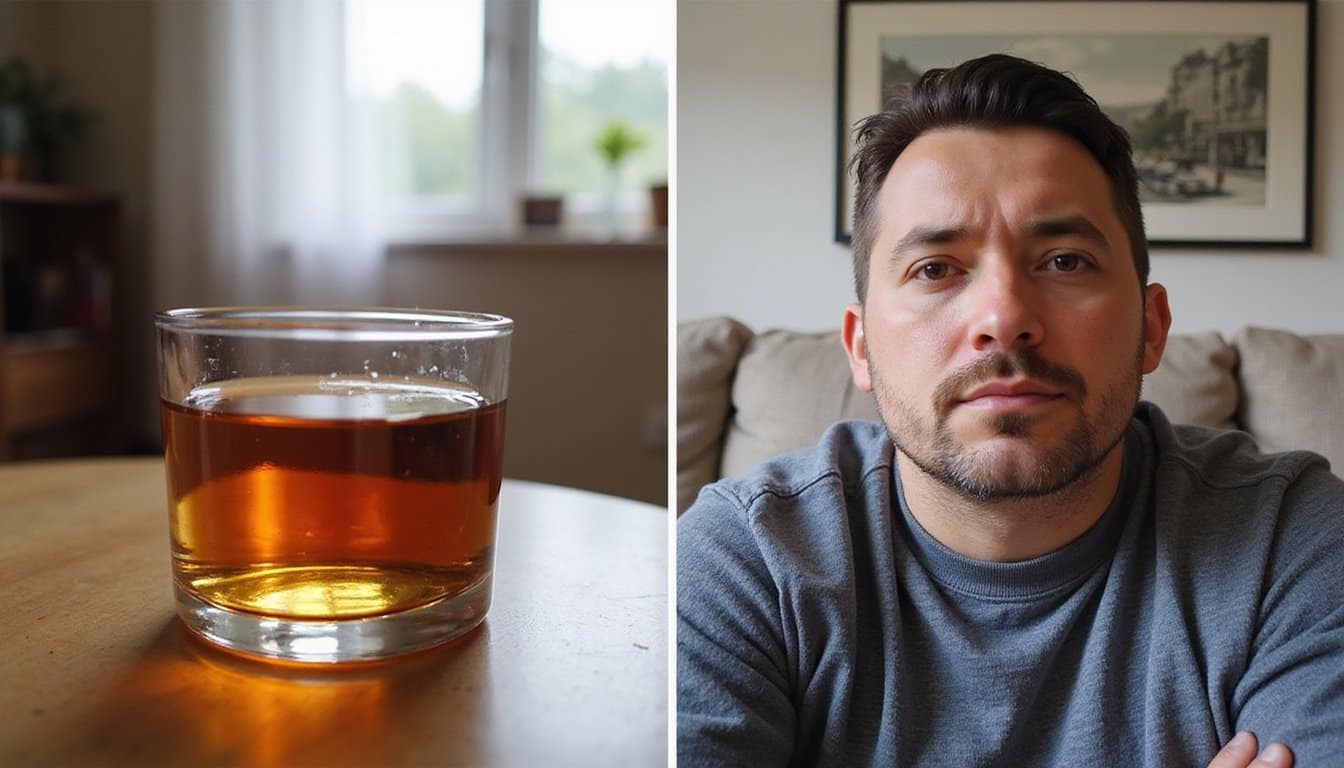
Despite decades of popular belief linking a red, bulbous nose to heavy drinking, alcohol doesn’t actually cause rhinophyma. You’ve likely heard terms like “alcoholic nose” or “drinker’s nose,” but modern research debunks this direct causation. Rhinophyma occurs equally in drinkers and non-drinkers, it’s actually severe phymatous rosacea, a genetic skin condition. Some individuals might develop what is commonly referred to as whiskey nose, which is just one of many misconceptions surrounding the impact of alcohol on appearance. This misinterpretation often overshadows the true nature of rhinophyma, causing people to falsely associate it with lifestyle choices. Understanding the genetic factors involved can help reduce the stigma linked to this condition.
However, alcohol use does play a role as a trigger. When you drink, you experience alcohol flush and vasodilation, which worsens rosacea symptoms. This prolonged facial redness can accelerate progression toward an enlarged nose with bulbous shape and red coloration. A Strasbourg study found rhinophyma patients consumed vastly more alcohol than controls, showing correlation with severity. Beyond cosmetic concerns, rhinophyma can cause facial disfigurement and nasal airflow problems that significantly impact quality of life. Still, without genetic predisposition, heavy drinking alone won’t produce that characteristic red nose. The condition develops gradually over months or years, which is why early intervention and treatment of rosacea symptoms is crucial for prevention.
What Really Causes Rhinophyma?
Understanding that alcohol doesn’t directly cause rhinophyma leads to the obvious question: what does? The condition develops through chronic inflammation and fibrosis affecting your nasal tissues. Your sebaceous glands and connective tissue hypertrophy, causing progressive enlargement and deformity.
Rosacea serves as the primary precursor, with hypervascularity creating vascular instability that allows fluid leakage into surrounding tissues. Over time, this triggers fibroplasia and excess tissue accumulation. Factor XIIIa-positive fibroblasts and TGF-β2 overexpression confirm fibrosis’s central role in pathogenesis. Beyond cosmetic concerns, rhinophyma causes airway obstruction and disrupts normal nasal architecture. The damaged lymphatic system allows plasma proteins to accumulate in the tissue, contributing to the characteristic swelling.
Male sex substantially increases your risk, with ratios ranging from 5:1 to 30:1 compared to women, androgens likely contribute to this disparity. Exacerbating triggers include heat, stress, ultraviolet light, smoking, and alcohol. While alcohol causes vasodilation that worsens flushing, it’s one trigger among many rather than the direct cause.
Who’s Most at Risk for Rhinophyma?

Certain demographic and genetic factors substantially increase your likelihood of developing rhinophyma. Gender plays the most significant role, with a male-to-female ratio ranging from 5:1 to 30:1. Researchers attribute this disparity to increased androgen activity in men.
Age matters considerably, you’re most vulnerable between ages 50 and 70, typically after rosacea has progressed through earlier stages. Your skin type directly influences risk; fair skin makes you more susceptible to severe rosacea progression. The condition gradually develops over several years, making early intervention crucial for preventing severe manifestations.
Ethnicity affects your chances substantially. Caucasian ethnicity, particularly Irish, English, Scottish, Scandinavian, and Eastern European backgrounds, carries elevated risk. The condition rarely occurs in African American or Asian populations.
Family history of rosacea or rhinophyma indicates genetic predisposition. If biological relatives have experienced either condition, you should monitor for early symptoms. Additionally, excessive sun exposure and environmental irritants can contribute to the development and worsening of this condition.
What Does Rhinophyma Look Like?
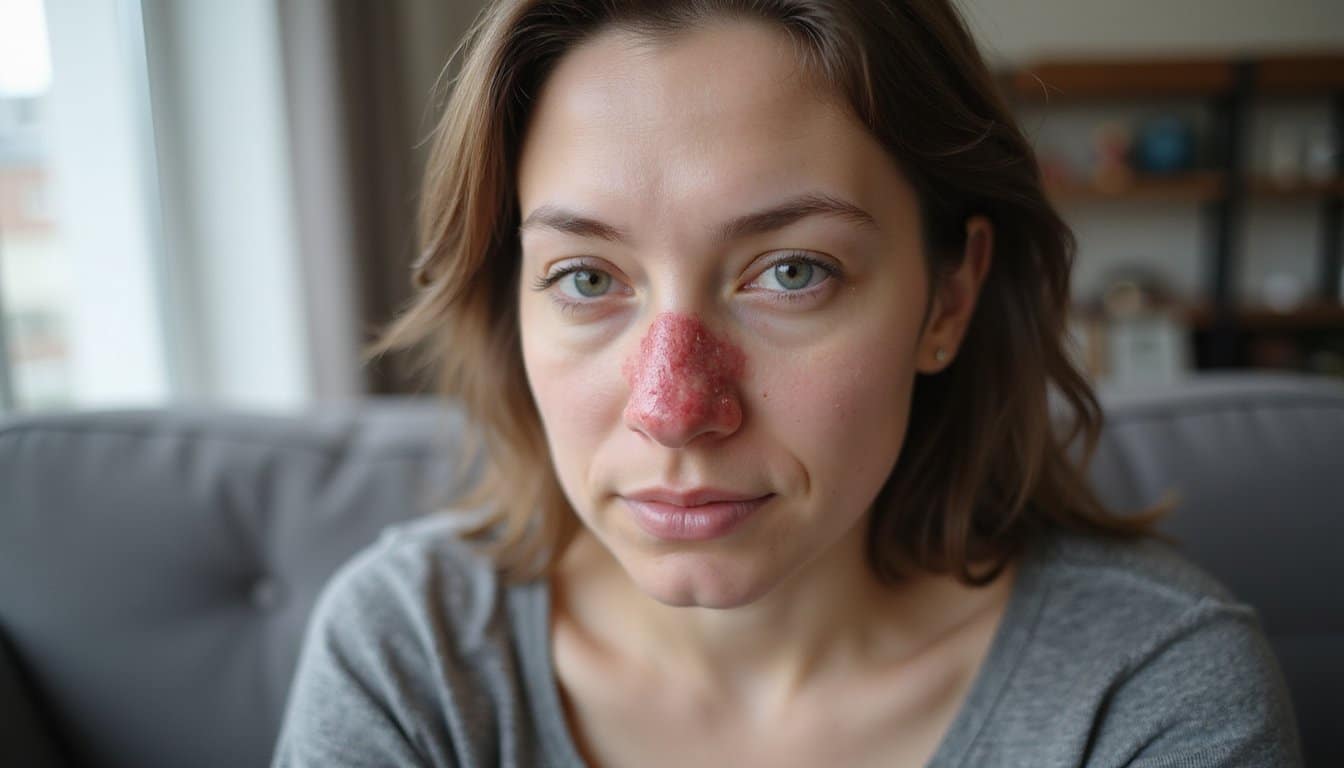
Rhinophyma presents with distinctive visual markers that make clinical identification straightforward in moderate to advanced cases. You’ll notice a bulbous nose with irregular, swollen contours concentrated at the nasal tip and alae. The skin develops a thickened, bumpy texture with prominent, enlarged pores and a rough, waxy surface.
Facial flushing progresses to persistent erythema, creating a characteristic red face appearance. As vessels enlarge, you can see dilated telangiectasias across the nasal surface. This phymatous rosacea represents advanced inflammatory rosacea where sebaceous tissue undergoes significant overgrowth of tissue. The condition develops gradually over time, often beginning with milder rosacea symptoms before progressing to noticeable nasal changes.
The condition produces sebaceous gland hyperplasia alongside fibrous thickening. You may observe cysts, pustules, and papules scattered across affected areas. In severe cases, this disfiguring mass can obstruct nasal airways and cause permanent structural changes. Clinicians classify rhinophyma into five grades of severity to assess progression and determine appropriate treatment approaches.
How Do You Treat Rhinophyma?
Once you’ve identified the characteristic bulbous changes and thickened tissue of rhinophyma, the next step involves selecting appropriate treatment strategies based on disease severity. Early rosacea treatment with topical retinoids and topical or oral antibiotics can prevent progression. For resistant cases, isotretinoin offers an alternative approach.
| Treatment Stage | Method | Application |
|---|---|---|
| Early/Mild | Topical retinoids, antibiotics | Medical management |
| Moderate | Isotretinoin, electrosurgery | Combined approach |
| Severe | Surgical shaving (debulking), lasers | Surgical intervention |
When deformity advances, you’ll need surgical options. Surgical shaving (debulking) removes excess tissue, while electrosurgery vaporizes thickened skin. CO2 laser treatment, Fraxel re:pair® laser, and erbium-YAG laser refine surfaces post-debulking. Mechanical sanding and reshaping smooths remaining irregularities for ideal cosmetic outcomes. While rhinophyma itself is not dangerous, treatment can significantly improve both facial aesthetics and breathing function. Following surgery, the sealed partial-thickness wound requires minimal maintenance, with mupirocin ointment and xeroform gauze applied for seven days to promote healing.
Frequently Asked Questions
Can Rhinophyma Spread to Other Areas of the Face Besides the Nose?
Yes, rhinophyma can spread beyond your nose to other facial areas. You may notice the condition extending to your chin, cheeks, and ears, causing similar tissue overgrowth and thickening. The sebaceous gland enlargement that characterizes rhinophyma can affect surrounding facial skin, creating visible blood vessel changes, enlarged pores, and uneven texture. Early treatment during the inflammatory rosacea stage helps prevent this multi-area progression and limits disfigurement.
Is Rhinophyma Linked to an Increased Risk of Developing Cancer?
You may wonder if rhinophyma increases your cancer risk, but researchers haven’t established a definitive link. While some studies report basal cell carcinoma (BCC) in 1.4, 5% of rhinophyma patients, others find no association. The overlap likely reflects shared risk factors, age, sun exposure, and nasal location, rather than causation. However, you should undergo full histological examination of any excised tissue, as BCC or squamous cell carcinoma can hide within rhinophyma’s hypertrophic changes.
Will Rhinophyma Come Back After Surgical Treatment?
Yes, rhinophyma can recur after surgical treatment. Studies show an overall recurrence rate of 10.2%, though this varies considerably by technique. Carbon dioxide laser therapy demonstrates just 1.2% recurrence, while shave excision shows rates up to 47.8%. Your risk increases if surgeons don’t completely remove deep-seated sebaceous follicular units. You’ll need long-term surveillance after treatment, and choosing techniques with better depth control helps prevent regrowth.
What Specific Alcoholic Beverages Are Most Likely to Trigger Rosacea Flares?
Red wine tops the list, triggering flares in 72-76% of rosacea sufferers due to its high histamine and tannin content. White wine affects 49-56% of people, while beer triggers symptoms in 41-42%. Among spirits, vodka causes reactions in 28-33% of respondents, with champagne close behind at 25-33%. You’ll find that 76% of patients experience immediate symptom onset, and 64% react after just one drink.
How Can I Track My Personal Rhinophyma Triggers Effectively?
You’ll track your triggers most effectively by maintaining a detailed diary. Download the National Rosacea Society’s booklet and log daily exposures, foods, beverages, weather, stress levels, and skincare products. Note when flare-ups occur alongside these factors. Take periodic photos comparing your nose’s appearance over time. After several weeks, you’ll identify patterns connecting specific triggers to symptoms. Share this data with your dermatologist to pinpoint your individual susceptibilities and refine your prevention strategy.