How Alcohol Affects Antidiuretic Hormone (ADH) and Urine Production

Drinking alcohol triggers a rapid hormonal shift that floods your bladder, but the real surprise is how quickly dehydration begins.

Drinking alcohol triggers a rapid hormonal shift that floods your bladder, but the real surprise is how quickly dehydration begins.

Get the surprising truth about how your morning coffee could be sabotaging your alcohol detox and recovery in ways you never expected.

Learn why waiting at least 24-36 hours after Benadryl before drinking alcohol could save you from dangerous health complications.
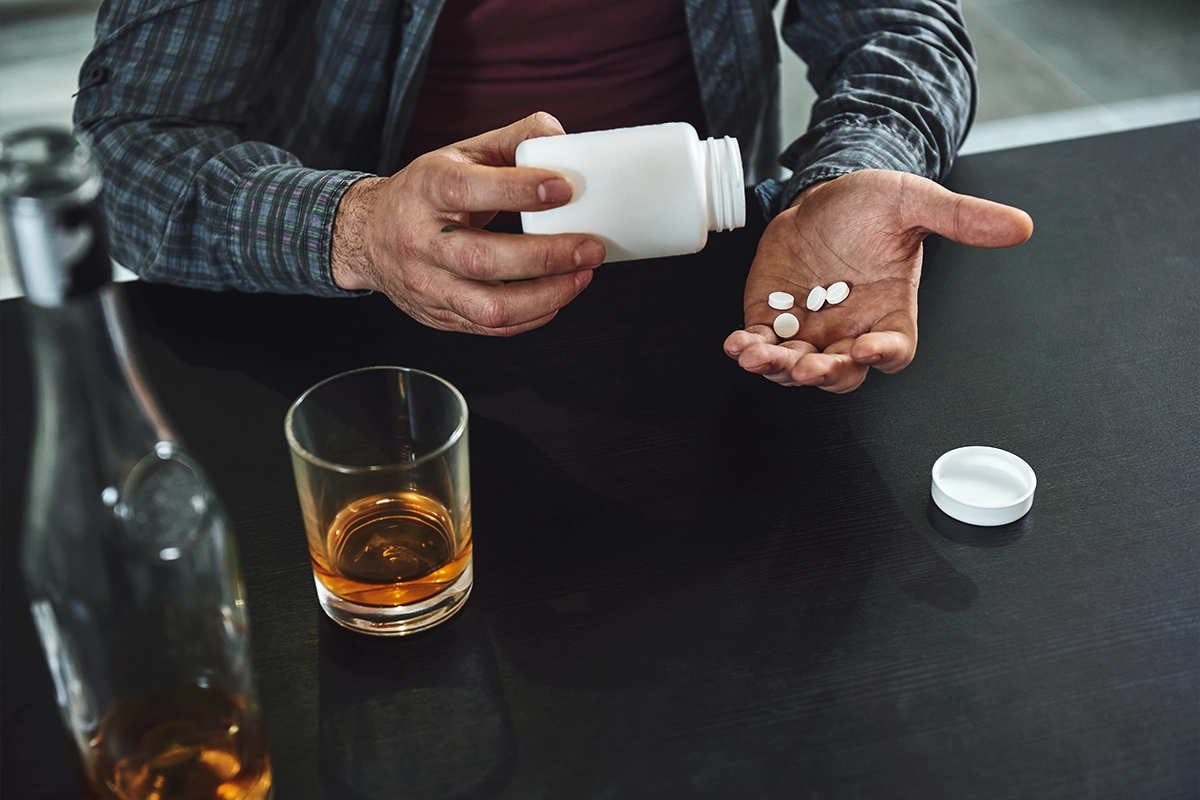
Summary Sudafed® (pseudoephedrine) is a stimulant decongestant that narrows blood vessels to relieve nasal swelling but can raise heart rate, blood pressure, and cause jitteriness or insomnia. Alcohol and Sudafed® have competing effects on the body. Sudafed® is a stimulant, while alcohol is a depressant, they can alter or mask each other’s symptoms. Mixing the … Read more
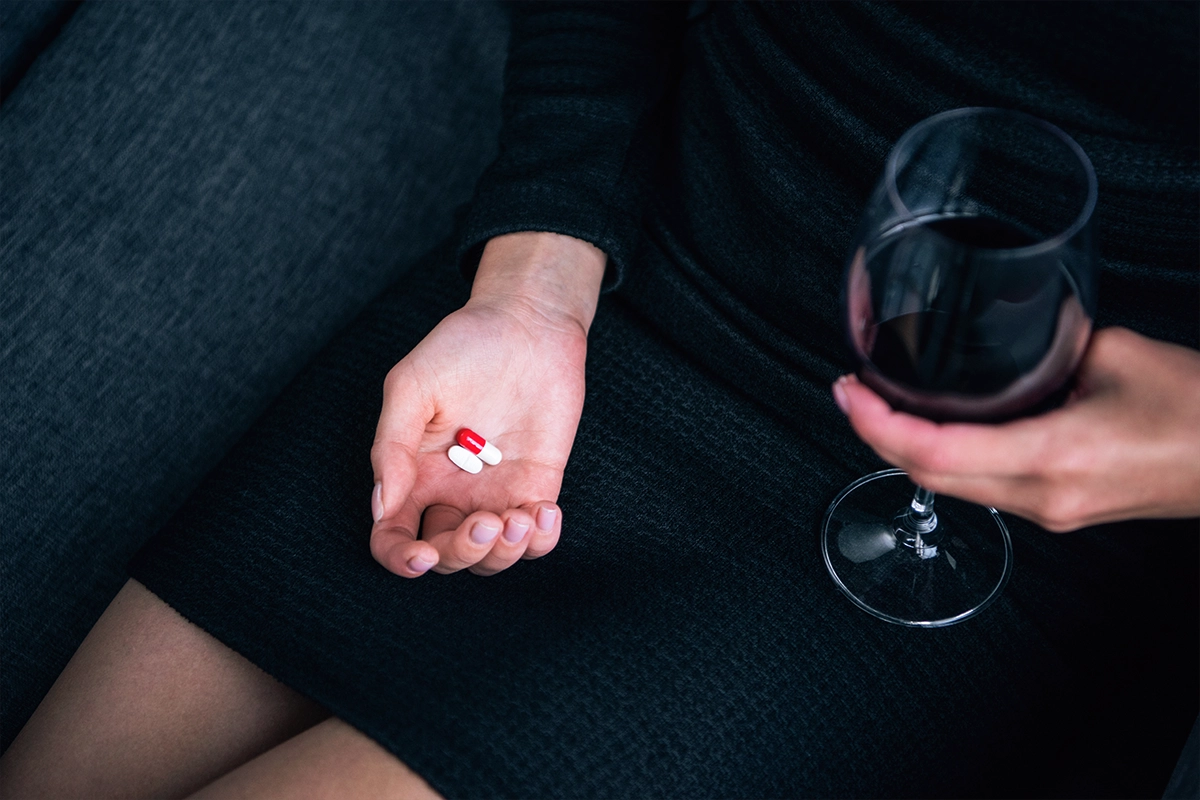
Summary Wellbutrin® (bupropion) is an antidepressant that works by increasing dopamine and norepinephrine, not serotonin. It’s FDA-approved for depression, seasonal affective disorder, and smoking cessation. Mixing Wellbutrin® and alcohol can increase the risk of seizures, especially during withdrawal or binge drinking. The combination may also intensify other side effects like nausea, vomiting, and headaches. Alcohol … Read more
Summary Zoloft® (sertraline) is an SSRI used to treat depression, anxiety, PTSD, OCD, and PMDD by increasing serotonin levels in the brain. Mixing Zoloft® with alcohol can cause immediate effects like increased drowsiness, impaired motor skills, and poor judgment, raising the risk of accidents or injury. Long-term use of both substances may worsen depression and … Read more
Summary Seroquel® (quetiapine) is an antipsychotic prescribed for schizophrenia, bipolar disorder, and depression, and it affects brain receptors linked to serotonin, dopamine, and norepinephrine. It comes in both immediate- and extended-release forms with similar effects and risks. Mixing Seroquel® and alcohol can make alcohol’s effects more potent. It can also make the symptoms of conditions … Read more
Summary Mixing trazodone and alcohol increases sedation, dizziness, and the risk of serious short-term effects, including accidents, overdose, respiratory depression, and in rare cases, death. Trazodone may worsen alcohol recovery outcomes in the long term, with one study showing increased relapse rates and heavier drinking among patients given trazodone for insomnia after detox. Combining the … Read more

Summary Ozempic® affects blood sugar and digestion by slowing gastric emptying, increasing insulin release, and reducing appetite. Alcohol can both raise and lower blood sugar, initially spiking it, then causing drops that can be dangerous or harder to manage when combined with Ozempic®. Mixing alcohol with Ozempic® increases the risk of serious side effects, including … Read more

Summary Alcohol and marijuana affect the brain differently but both impair judgment, coordination, and cognition, and combining them can compound these effects in dangerous ways. Mixing weed and alcohol increases the risk of serious outcomes including impaired brain function, poor academic performance, worsened mental health, substance use disorders, and impaired driving. The order of use … Read more