
Beer, Wine, and Cider: Undistilled Alcohol ABV Ranges
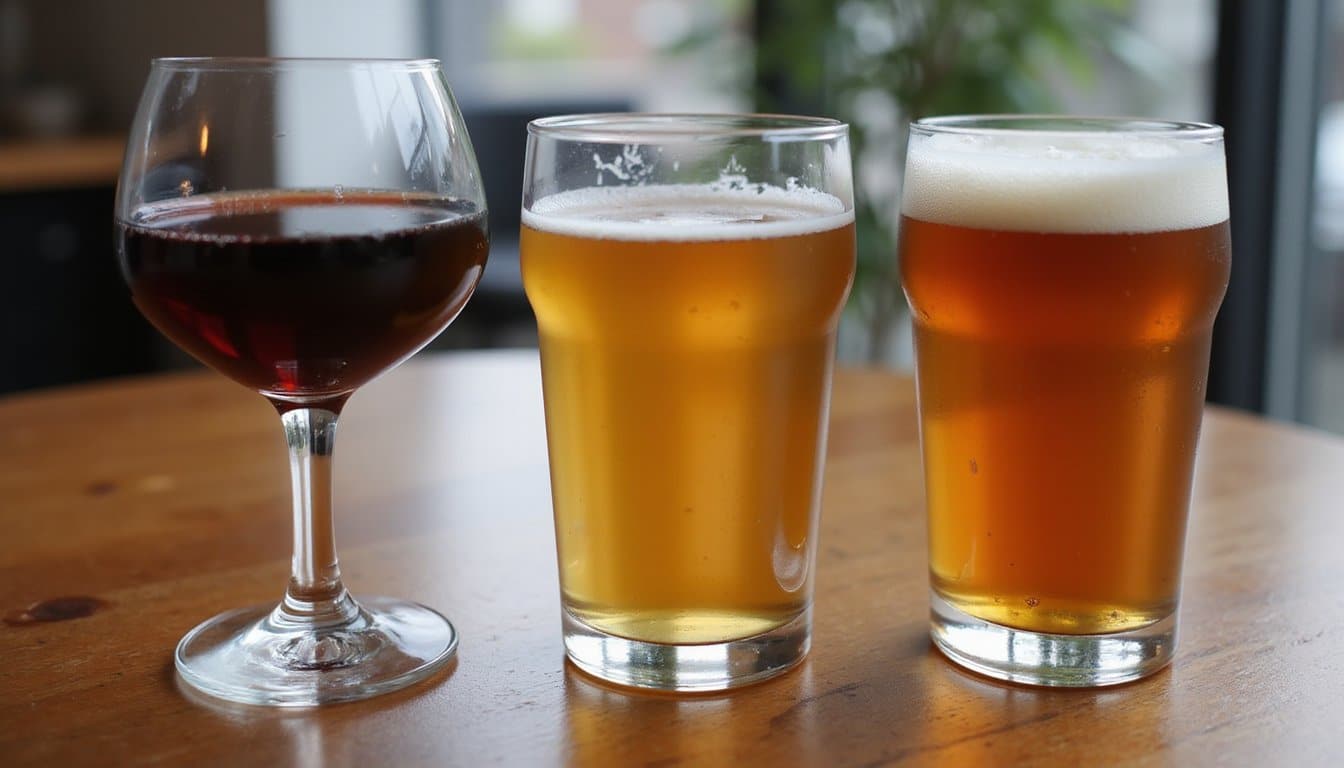
When you reach for a beer, glass of wine, or cider, understanding the alcohol by volume (ABV) ranges helps you track your actual intake.
Knowing ABV ranges transforms how you monitor alcohol consumption, count units, not just drinks.
A standard drink of beer measures 12 ounces at 5% ABV, delivering 0.6 ounces of pure alcohol. Lager typically falls between 3.6-5.2% ABV, while craft beer can exceed 12% ABV, significantly increasing your dose per serving size.
Wine’s standard serving size is 5 ounces at 12% ABV. Red wines range 12-15% ABV, with Zinfandel reaching 18%. A 250ml glass at 13% ABV contains 3.3 units.
Cider mirrors beer patterns, spanning 3.5-7% ABV. A 568ml pint at 5.2% ABV yields 3 units.
You’ll make safer choices when you calculate units rather than counting drinks, since ABV varies dramatically across these undistilled beverages. To calculate units precisely, use the equation: strength (ABV) x volume (ml) ÷ 1,000.
Distilled Spirits: From Standard Vodka to 96% Spirytus
Although standard vodka and high-proof spirits both undergo distillation, their alcohol concentrations create vastly different risk profiles you’ll need to understand. Standard vodka, produced through plant fermentation of grains or potatoes, contains 40% ethanol, safe for human consumption when regulated. However, Spirytus reaches 96% ABV, intensifying alcohol toxicity risks dramatically. The European Union requires a minimum of 37.5% alcohol by volume for vodka to be legally classified as such.
| Spirit Type | ABV | Risk Level |
|---|---|---|
| Standard Vodka | 40% | Moderate |
| Spirytus | 96% | Extreme |
The chemical makeup of properly distilled alcoholic beverages excludes toxic substances like methanol and isopropanol. Yet high-proof spirits can harbor trace methanol if impurities persist during distillation. Undiluted consumption of 96% spirits causes rapid alcohol poisoning, instant blackouts, and severe organ damage. You should never consume extreme-proof spirits neat, dilution isn’t optional, it’s essential for survival. Recognizable vodka brands like Grey Goose, Absolut, and Smirnoff undergo multiple distillations and filtrations to ensure purity and safety in their standard 40% ABV products.
How Fermentation and Distillation Affect Alcohol Safety
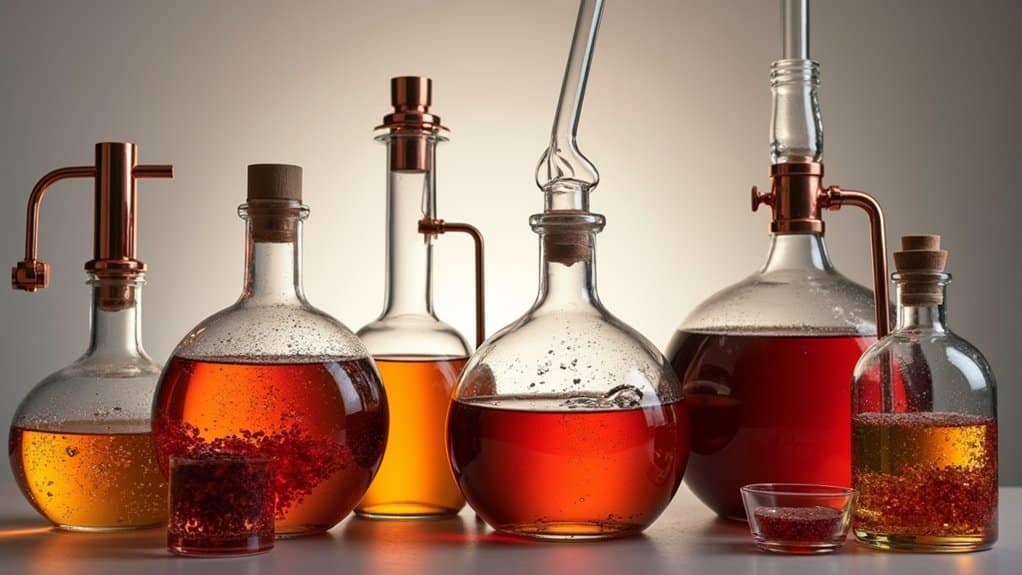
The fermentation process determines whether your homemade or traditionally produced alcoholic beverage contains safe ethanol or dangerous methanol contaminants. When yeast and bacteria ferment in anaerobic conditions, microorganisms convert sugars into alcohol. Pure Saccharomyces cerevisiae produces ethanol, but mixed cultures can generate toxic methanol from pectin-rich fruits.
Blood methanol levels above 500 mg/l cause severe toxicity, while 1500-2000 mg/l prove fatal without treatment. In Nigeria, consumption of locally produced ogogoro containing 16.3% methanol resulted in 89 deaths.
To guarantee safe fermentation, follow these critical practices:
- Maintain strict sanitation of all containers and equipment
- Control temperature precisely, beer requires 46°F-72°F
- Monitor daily for off-odors or cloudiness indicating spoilage
- Preserve anaerobic conditions throughout fermentation
- Check the pH levels of your product throughout the fermentation process to ensure proper acidity development
Distillation concentrates whatever alcohols exist in your fermented base, amplifying both ethanol content and any methanol contamination present.
ABV, Congeners, and Methanol: The Real Danger Factors
When you’re evaluating alcohol safety, three factors matter most: ABV determines how quickly ethanol enters your bloodstream, congeners in darker spirits intensify hangover symptoms and inflammation, and methanol, though regulated in commercial products, poses serious toxicity risks in homemade or adulterated spirits. Your body processes a standard drink (containing roughly 14 grams of pure alcohol) in about one hour, but higher ABV beverages accelerate intoxication and increase overdose potential. Understanding these danger factors helps you make informed choices, whether you’re comparing an 8% craft beer to a 40% whiskey or avoiding unregulated alcohol sources entirely. It’s worth noting that the WHO indicates no amount of alcohol is safe to drink, as alcohol leads to health consequences regardless of the amount consumed. For reference, a standard drink equals 12 oz of 5% ABV beer, 5 oz of 12% ABV table wine, or 1.5 oz of 40% ABV spirits.
ABV Levels Vary Widely
Alcohol by volume (ABV) measures the percentage of pure ethanol in any beverage, and this single number determines how quickly your blood alcohol content rises after drinking.
Understanding alcohol percentage across categories helps you gauge your intake:
- Standard beer contains 4-6% ABV, while craft beer and malt beverages can reach 8-15% ABV.
- Wine ranges from 9-16% ABV, but fortified wine climbs to 16-24% ABV.
- Liquor and spirit options like vodka, gin, and whiskey typically measure 35-50% ABV.
- Strong alcohol like Everclear reaches 95% ABV, nearly pure ethanol.
Alcohol proof equals double the ABV, so 80-proof whiskey contains 40% alcohol content. You’ll absorb spirits faster than beer due to higher concentration, making dose awareness critical for avoiding toxicity.
Congeners Affect Hangover Severity
Beyond ABV, chemical byproducts called congeners profoundly influence how miserable you’ll feel the morning after drinking. These compounds, including acids, aldehydes, and additional alcohols containing hydrogen, oxygen, and carbon atoms with hydroxyl groups, form naturally during fermentation alongside ethanol.
Different types of alcohol contain vastly different congener levels. Brandy tops the list with up to 4,766 mg/L methanol, while vodka contains the lowest among spirits. Bourbon produces greatly worse hangovers than vodka at equal ethanol doses because congeners slow your body’s alcohol breakdown rate and trigger stress hormone release. Red wines and rums also rank among beverages with high congener content, making them more likely to intensify hangover symptoms. Research shows that high-congener beverages like bourbon also cause greater sleep disruption, particularly during the second half of the night, compared to low-congener options like vodka. Different types of alcohol contain vastly different congener levels, a factor that also clarifies what type of alcohol is beer and wine compared with distilled spirits. Brandy tops the list with up to 4,766 mg/L of methanol, while vodka contains the lowest congener levels among spirits. Bourbon produces significantly worse hangovers than vodka at equal ethanol doses because congeners slow your body’s alcohol metabolism and trigger stress hormone release. Red wines and rums also rank among beverages with high congener content, making them more likely to intensify hangover symptoms. Research further shows that high-congener drinks like bourbon cause greater sleep disruption, especially in the second half of the night, than low-congener options such as vodka.
For those managing alcohol use disorder or AUD, understanding congeners adds another layer to alcohol misuse risks. While ethanol remains the primary hangover culprit, congeners amplify symptom severity through inflammatory responses, prolonging your recovery time.
Methanol Risks in Homemade
While congeners contribute to hangover severity, methanol contamination in homemade alcohol poses far more serious, potentially fatal, consequences. During fermentation, methanol forms naturally as a byproduct, especially when you’re using pectin-rich fruits like apples and grapes. The distilling process concentrates this danger because methanol evaporates at lower temperatures than ethanol.
When your body metabolizes methanol, it produces toxic byprocts, formaldehyde and formic acid, that cause devastating harm:
- Metabolic acidosis develops as formic acid accumulates in your bloodstream
- Optic nerve damage occurs with as little as 3.16 grams, causing permanent blindness
- Organ damage progresses rapidly without medical intervention
- Death can result from ingesting just 30 mL of pure methanol
Improper brewing and contaminated equipment dramatically increase these risks. Early symptoms of methanol poisoning often mimic regular alcohol intoxication, making detection difficult until severe damage has already occurred. You should never consume unregulated homemade spirits. However, adding pectic enzymes before fermentation can reduce methanol production by 40-70%, making this a critical safety step for those who choose to ferment fruit-based products.
Which Alcohol Types Carry the Lowest Risk?
Several alcoholic beverages present lower health risks than others when you’re mindful of serving sizes and alcohol content. Light beer offers lower alcohol content per serving, reducing overall ethanol intake while providing low calories at approximately 100 per 12 oz.
Dry red wine contains antioxidants like resveratrol, potentially supporting cardiovascular health. Dry white wine and champagne deliver similar benefits with fewer sugars and roughly 100-120 calories per serving. However, no alcoholic beverage is intrinsically healthy due to the health risks of ethanol, even at low consumption levels.
Clear spirits like vodka and tequila are naturally carb- and sugar-free when unflavored, containing about 97 calories per 1.5 oz serving. Their lower congener levels may reduce hangover severity.
Hard cider provides lower alcohol content than wine with antioxidant plant compounds. You’ll minimize risk by choosing these options, monitoring portions, and mixing spirits with zero-calorie beverages like soda water.
High-Proof Spirits and Why Dilution Matters
High-proof spirits deliver concentrated ethanol that can overwhelm your body’s processing capacity and cause rapid tissue damage. Unlike rubbing alcohol or hand sanitizers, which are toxic and never meant for consumption, distilled spirits with high alcohol concentrations still pose serious risks when consumed irresponsibly. The “burn” you feel signals direct cellular damage to your mouth, throat, and esophagus.
Dilution matters because concentrated alcohol causes disproportionate harm:
- Your liver processes alcohol at a fixed rate, so high-proof consumption accelerates tissue damage
- Severe symptoms like loss of motor control and hallucinations develop faster
- Blood vessel damage increases stroke risk
- Chronic use elevates cancer rates in oral and throat tissues
If you experience life-threatening consequences from alcohol, seek immediate medical attention, undiluted high-proof consumption can prove fatal.
Frequently Asked Questions
Can Drinking Mouthwash or Hand Sanitizer Cause Alcohol Poisoning?
Yes, drinking mouthwash or hand sanitizer can cause alcohol poisoning. Mouthwash contains up to 27% ethanol or methanol, while hand sanitizers contain 60-95% ethanol or isopropanol. When you ingest these products, your blood alcohol levels spike rapidly. Even small amounts, just 2-4 ounces of hand sanitizer, can produce lethal blood alcohol concentrations. You’ll experience confusion, vomiting, slowed breathing, seizures, and potentially coma. Seek emergency medical care immediately if ingestion occurs.
What Are the Symptoms of Methanol Poisoning Versus Ethanol Poisoning?
Methanol poisoning symptoms differ critically from ethanol poisoning. You’ll initially experience similar effects, headache, nausea, dizziness, and confusion. However, methanol’s dangerous symptoms emerge 12-24 hours later: blurred vision, “snowstorm vision,” or blindness from optic nerve damage, rapid deep breathing, and severe abdominal pain. Ethanol poisoning presents more immediately with vomiting, slurred speech, and loss of consciousness. If you’ve ingested methanol, visual disturbances signal a medical emergency requiring immediate hospitalization.
Is Isopropanol in Rubbing Alcohol Dangerous if Accidentally Swallowed?
Yes, swallowing isopropanol from rubbing alcohol is extremely dangerous. It’s twice as toxic as ethanol, and your body metabolizes it into acetone, which overwhelms your system with toxins. Even small accidental sips can cause poisoning, with symptoms appearing within 30, 60 minutes. You’ll experience severe abdominal pain, vomiting, dizziness, and potentially chemical burns to your mouth and throat. If you’ve ingested any amount, call 911 immediately, prompt medical attention is essential.
Why Do People With Alcohol Use Disorder Drink Household Products?
You’ll find that people with alcohol use disorder often turn to household products during withdrawal or when traditional alcohol isn’t accessible. They’re driven by physical dependence and cravings that compel them to seek ethanol surrogates like hand sanitizers (60%-80% alcohol), mouthwash, or vanilla extract (35%-83% alcohol). This dangerous behavior stems from addiction’s powerful grip, pushing individuals to consume toxic substances despite knowing the severe risks of poisoning, seizures, and potentially fatal consequences.
How Does the Body Metabolize Different Types of Alcohol Differently?
Your body metabolizes ethanol, methanol, and isopropanol using the same enzymes, primarily alcohol dehydrogenase (ADH), but produces vastly different byproducts. Ethanol converts to acetaldehyde, then acetate. Methanol becomes formaldehyde and formic acid, causing blindness and death. Isopropanol breaks down into acetone, depressing your central nervous system. Because these alcohols compete for the same enzymes, even small doses of methanol or isopropanol create toxic metabolites that accumulate dangerously fast.